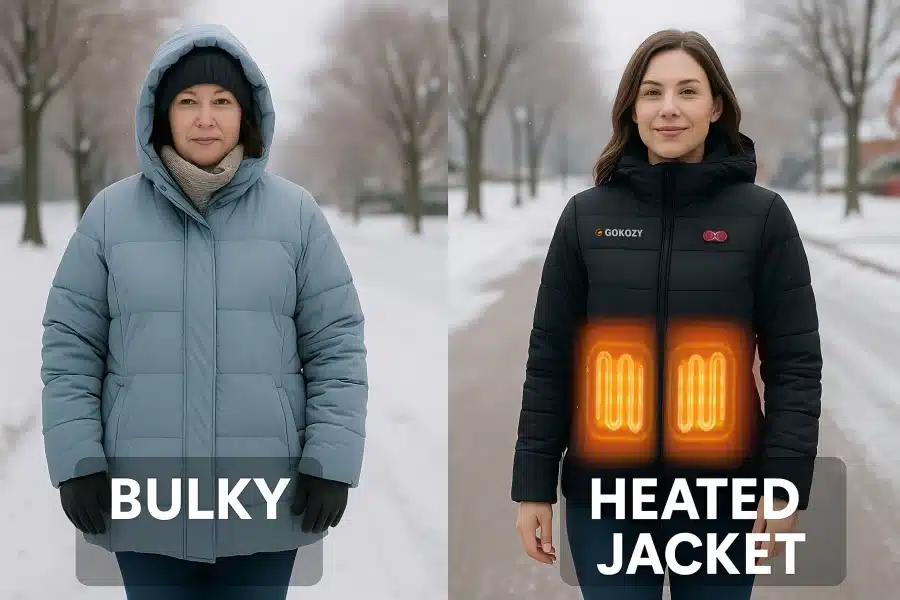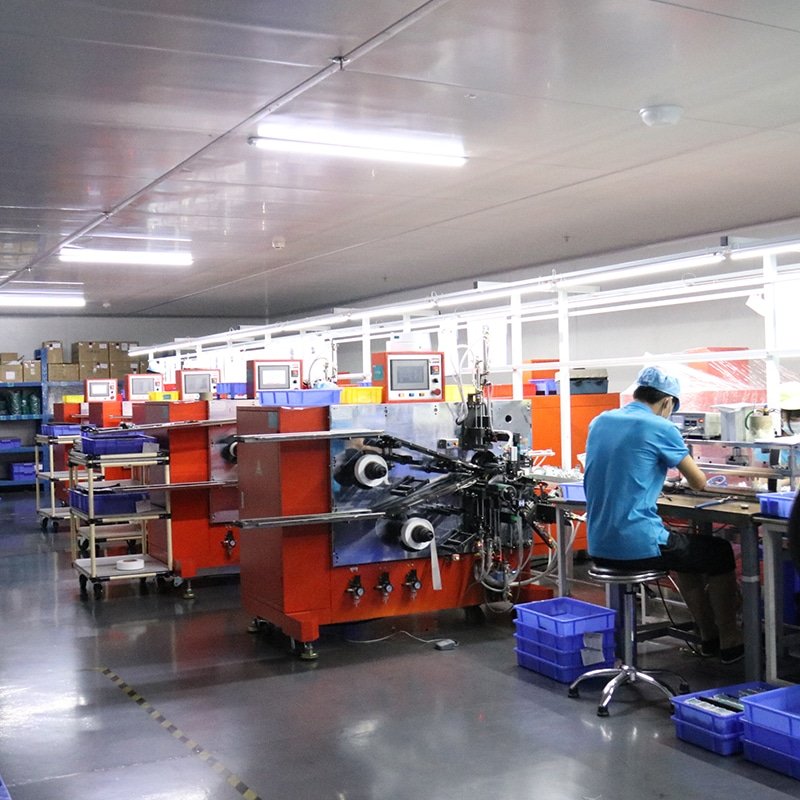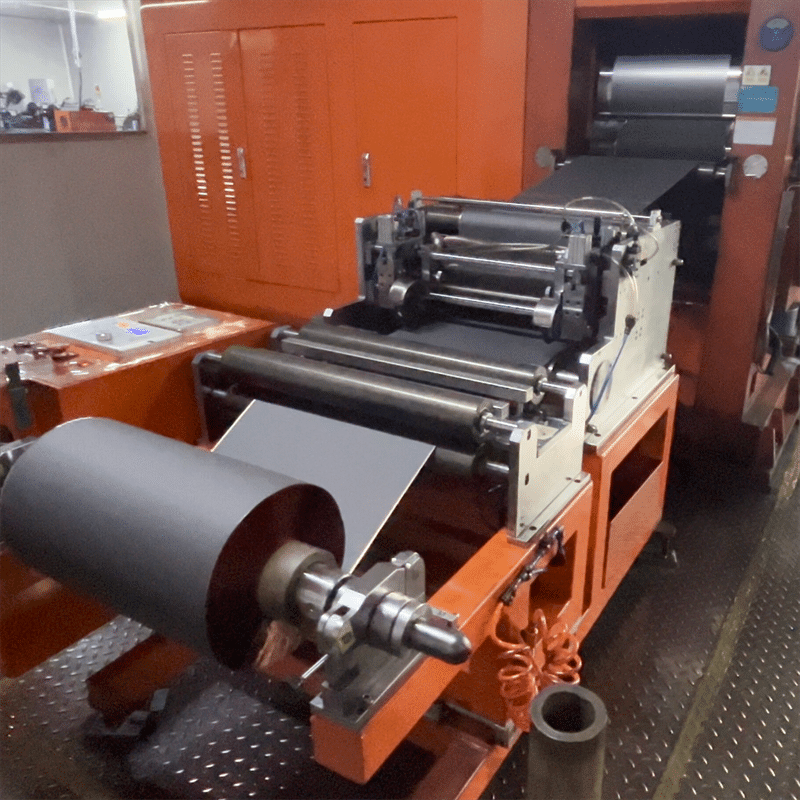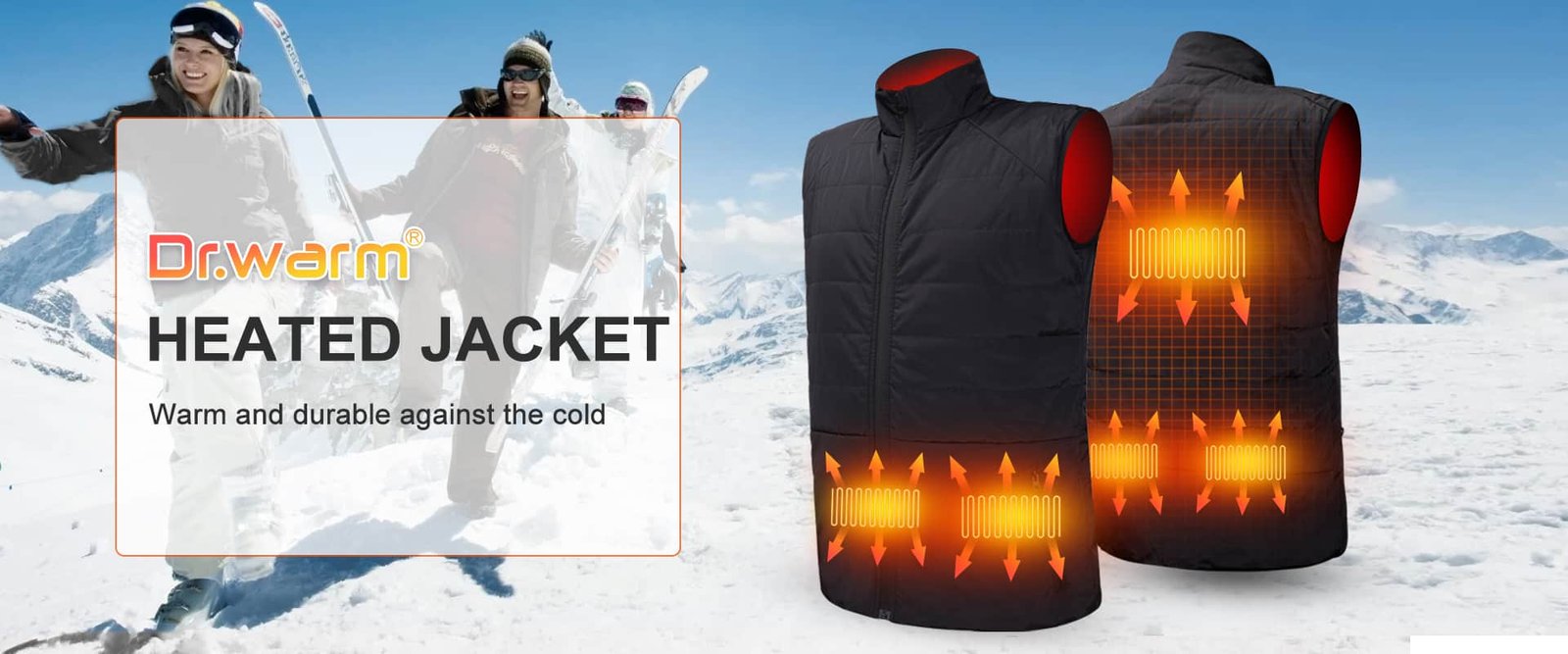

In hot garment, the system level battery technology selection does the performance, not the voltage or capacity as stated in advertisements. Most buyers believe that a high mAh or voltage is a better way to provide better warmth, and the actual performance is dictated by the battery chemistry, discharge behavior and controls. This is a misguided belief which frequently results in failure of performance in the field as a jacket that is supposed to provide heat at 10 hours may actually provide not more than half the same performance at temperatures below zero. The battery technology options in heated clothing will determine heating tolerance, safety margins and experience to the user more so than headline specifications.
The effect of battery design is revealed by the dynamic conditions of the environment in which heated apparel will be used: changing body motions, changes in ambient temperature, uneven demand of users, etc. To the OEMs and engineers, it is important to learn these aspects and not promise too much spec wise, and deliver less in terms of usability. The trick is to understand that successful heating is achieved because of the manner in which the battery connects with heating components and controllers, and the design of the garment in general.
Why Battery Technology Matters More Than Specifications
Heated apparel battery technology is the secret agent of real-world performance, usually disregarding what specification sheets may indicate. Such specifications as voltage (e.g. 7.4V) or capacity (e.g. 5000mAh) are a baseline, but they do not take into consideration the behaviour of the battery under load in cold weather. Warm clothes are not constantly powered, heating elements attract variable current depending on the user settings, environment, and even insulating fabrics. A spec-oriented method will result in unreliable heating in sub-freezing temperatures when the batteries experience low efficiency.
Spec-Sheet vs. Real-World Performance
Two batteries may appear to be the same on paper (they have the same voltage and similar capacity) yet when used in a hot jacket they can have a performance that is dramatically different. One may have constant output over hours whereas the other may be at a loss under load leading to early fading of heat. This is due to the fact that spec sheets are tested in ideal conditions and room temperature conditions (not taking into consideration the realities of heated clothing): exposure to cold, moisture and mechanical stress due to wear.
Variable Loads and Cold Environments
Pulsed loads on the batteries are caused by heated clothing as the heating areas turn on and off. This is enhanced by low temperatures, where internal resistance is enhanced by low temperatures, reducing the speed of ion movement and usable power. A battery that works well in test lab may choke in the real world resulting in lumpy heat or failures battery solutions for heated apparel. To engineers working on battery solutions in heated apparel, it is this that should guide their focus to technologies that manage such stresses, and not necessarily their numbers.
Battery Chemistry and Its Impact on Heating Stability
Heating stability in the heating apparel is directly dependent on the type of battery chemistry used, and how the ability to provide warmth in different environments is maintained. Lithium-based chemistries are dominant because of the energy density, the variations in formulation however influence the voltage output after some time, which consequently influences the efficiency of heating elements.
Common Chemistries in Heated Apparel
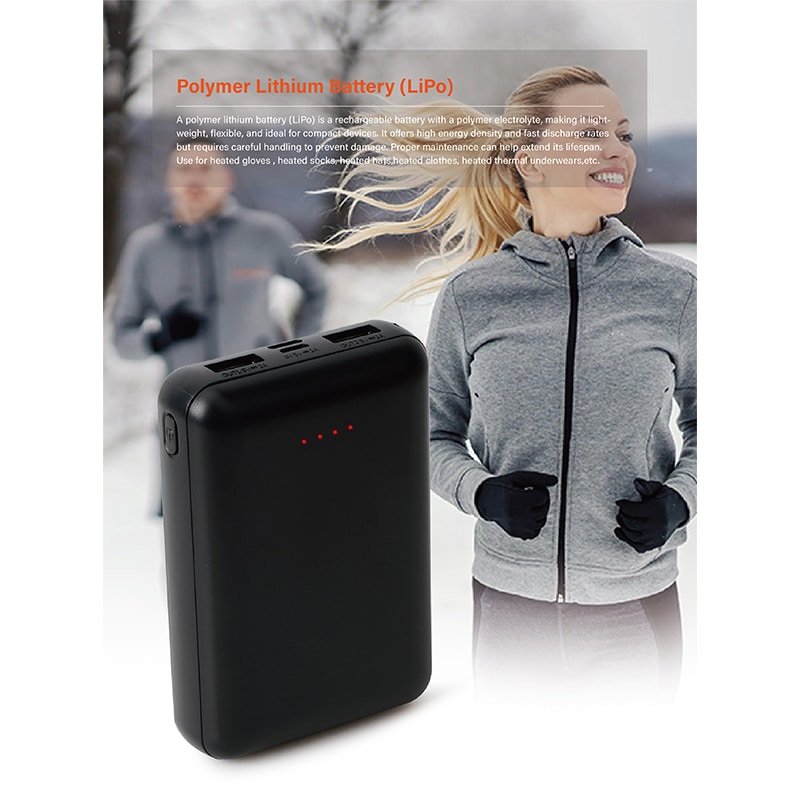
These cylindrical or prismatic lithium-ion (Li-ion) cells are good in terms of storing energy, but may experience voltage instability during high discharge. Li-po (lithium-polymer) versions are more flexible like pouch versions and have a higher cold-drop resistance compared to the other versions.
Discharge Curves and Voltage Stability
The stability of a battery can be determined by its discharge curve, or the voltage-versus-time curve. Sharp falls will lead to irregular supply of power to heating parts, and this will lead to uneven temperatures that people find unreliable. Even heat is guaranteed by stable curves, which are essential in the use of gloves where tightness prevents pain.
Why Stability Matters for Heating Output
Unstable discharge in hot clothes may result in spikes of overvoltage or undervoltage and components may be stressed and their life may be reduced. To product managers, it can be useful to choose chemistry where flat discharge profiles are used to maximize the level of user satisfaction through predictable performance..
| Battery Chemistry | Discharge Stability | Cold-Weather Behavior | Typical Use |
| Li-ion | Moderate | Performance drops | Jackets, vests |
| Li-polymer | More stable | Better consistency | Gloves, slim designs |
Discharge Rate and Load Response in Heated Clothing
The rate at which a battery can be discharged is a very important parameter in heated wearables, and is denoted as the C-rate, since it determines the rate at which a battery will be able to supply power without compromising performance or safety. The heating elements in this case, generate load variations-spiking loads on a battery during warm-ups and lessening loads when maintaining a battery, which are used to test the responsiveness of the battery.
Understanding C-Rate in Heated Apparel
C-rate is discharge expressed as capacity; one hour of a 1C rate is enough to empty a battery. The typical rates of 0.5C to 2C may be needed by heated garments, although the designs themselves may allow a voltage drop to be experienced, lowering the practical heat production.
Fluctuating Loads from Heating Elements
There are such things as carbon fiber wires that attract uneven current particularly in multi-zone clothes. Slow load response batteries cannot respond fast enough, leading to uneven heating, hot spots and cools that customers complain of inconsistent warmth.
Linking to Common User Issues
Poor load response can be exhibited as spontaneous actions that happen during cold weather when there is heightened resistance that contributes to the problem. This is directly connected with the type of complaints (such as heats unevenly or heats off prematurely) which means that the battery technology of the heated clothing should focus on the dynamic response rather than the static capacity.
Control Electronics and Power Regulation
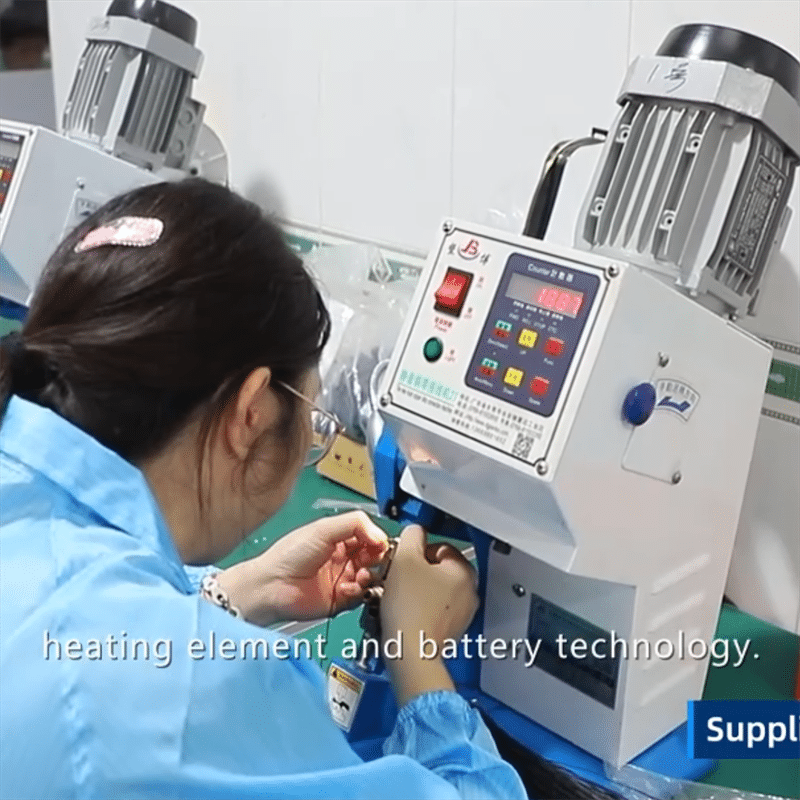
Control electronics, such as the printed circuit board assembly (PCBA), are necessary to convert the raw battery power into useful heating in the apparel, which is efficient and will not damage it. Even the high-quality battery may not perform well or may break down even before it is regulated.
Role of PCBA in Heated Systems
The PCBA controls the voltage stepping, current limiting and thermal monitoring systems and modulates output depending on heat levels chosen by the user. It avoids direct links between the battery and the elements, which will result in overloads.
Managing Raw Battery Output
Batteries provide variable voltage proportional to the charge state; regulated to provide constant element temperatures. Poor control results in power spikes, energy wastage or burns.
Impact on Smoothness and Efficiency
Skilled reasoning, such as pulse-width modulation (PWM), is used to maximize the efficiency through the cycling of power. This impacts the reliability of the entire system, and control design is one of the determiners of the performance of heated clothing among the products.
Battery Technology vs Runtime Consistency
The technology of batteries dictates the uniformity of the run time in heated clothes, in which the theoretical capacity tends to exaggerate the available run time because of practical conditions such as voltage drop and wear. The duration of effective heating time is the usable runtime, which is determined by the ability of the battery to sustain the performance under load.
Theoretical vs. Usable Runtime
A 5000mAh battery may offer 8 hours, however, in cold environments, it may only be possible to get 5-6 hours of active heat. This difference can be explained by environmental and load effects that are not reflected in specs.
Voltage Sag and Its Effects
With a discharging battery, the voltage drops (sags) and less power is available to the elements and heat is compromised. Low sag technologies increase potential lifespan of technologies and enhance perceived performance.
Battery Aging and Consistency
Cells wear out disproportionately across the cycles causing imbalances, which reduce run time. This is overcome by proper design, which guarantees long-term durability of seasonal use.
| Factor | Impact on Runtime | User Perception |
|---|---|---|
| Voltage sag | Shortens usable time | Heats weaker over time |
| Cell imbalance | Early cutoff | Sudden shutdown |
| Poor regulation | Fluctuating heat | Unstable comfort |
Safety Margins and Thermal Behavior
The technology of batteries determines the safety margin of the heated garments and balances between performance and such threats as overheating or thermal runaway. These risks can be increased with poor decisions in chemistry or cell quality particularly in close-to-body applications.
Battery Technology and Thermal Risks
The high density chemistries such as Li-ion produce heat in them as they charge, unless properly dissipated this accumulation causes protective shutdowns.
Role of Cell Quality
The quality of inferior cells is that they have weaker separators which pose more risks of short-circuiting. Quality designs have superior materials to increase safety margin.
BMS Intervention and Frequency
The battery management system (BMS) will be used to check anomalies, although, regular interventions are signs of a deeper problem. For deeper insights, refer to battery safety for heated apparel, which covers protection mechanisms. To get more information, see battery safety of heated apparel which explains protection mechanisms.
Why Performance Issues Often Trace Back to Battery Design
Problems with performance within heated apparel are often related to the design of the battery, which people tend to blame on heating features or accidentally. Systemic weaknesses of the battery are often found in field complaints such as fading heat or short battery life.
Common Complaints and Root Causes
Users complain of weak heating after 30 min that is related to the instability of discharge, not affected by the failure of elements. Low temperatures enhance chemistry restrictions that are correlated with cold-weather cutoffs.
Misdiagnosis by OEMs
OEMs may accuse fabrics or wiring but not consider inconsistencies are fuelled by battery discharge behaviour in heated apparel. Adequate analysis reveals that the main variable is battery.
Technical Troubleshooting
To solve these, it is necessary to consider the issue of integration: to take useful measures, refer to troubleshooting heated apparel batteries of heated apparel.
Implications for OEM Design and Supplier Selection
In the case of OEMs, early assessment of battery technology during design will reduce the risk factor hence products will meet the expectations of the real world instead of passing the bench test. This model takes performance as an engineered performance and not a supplier promise.
Early Evaluation in Product Design
Scaling The combination of battery tests in the prototyping phase exposes compatibility problems e.g. load mismatches before scaling.
System Testing Over Samples
Laboratory specimens are not indicative of performance on the field; trials on extreme cold cycles reveal shortcomings in the performance of heated apparel batteries.
Long-Term Consistency Focus
By focusing on suppliers who have good aging data, reliability will be maintained over time leading to decreased returns and improved brand trust due to engineering foresight.
Conclusion — Performance Is Engineered, Not Rated
Performance in hot apparel is not a fixed mark but the combination of battery chemistry, control design, and actual operating conditions. Product managers and engineers need to go beyond the marketing measurements to understand the interaction of these factors and how all this impacts things as simple as heating stability through safety. Through paying attention to system level integration, brands would achieve reliable apparel delivery, which manages the causes of variability, and not symptoms. This mentality in engineering has made sure that when it comes to harsh conditions that are hard to satisfy with the specs of the clothing, heated clothing comes in, and delivers as per the expectations of the user.