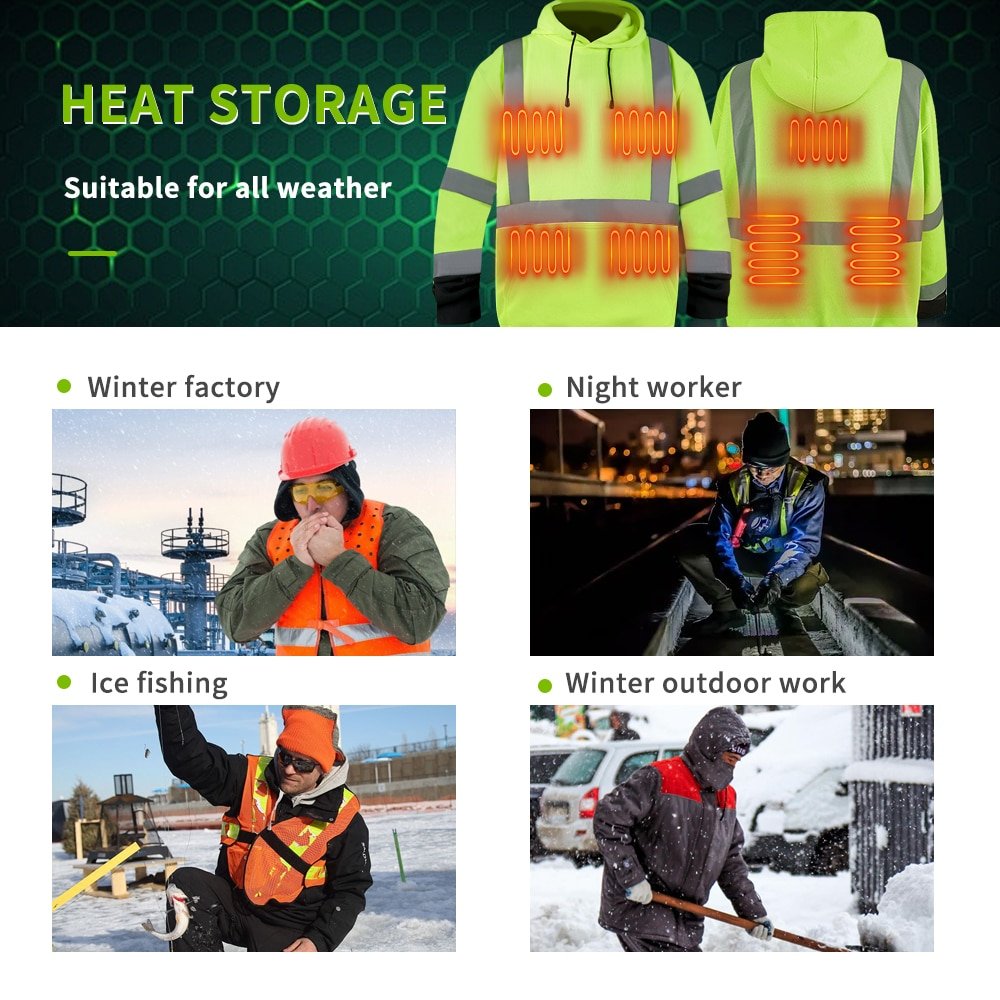

Most of the battery failures in a hot garment do not result out of the demise of the cell, although rather due to protection logic, system mismatch, or improperly comprehended working limits. I am a senior reliability engineer and have more than 10 years experience in OEM heated systems and have received numerous field returns in which the battery was still intact, but the system acted as a dead battery. When users think that a battery that is in a garment has broken because the garment no longer powers, in most instances the system is trying to avoid harm or potential harm to users. This is a protective mechanism introduced into the design to protect the components and the end-user.
In heated clothing a battery shutdown is a common protective measure- not an indication of battery failure. This is the main difference to be understood in order to troubleshoot correctly. This paper is based on the actual diagnostics of manufacturing and after sales services, which isolates perception and reality so that OEMs, product managers, engineers can resolve the problem of heated clothing battery not working.
What “Battery Not Working” Actually Means
In the context of engineering diagnostics a battery not working can hardly mean that the battery is permanently damaged, but can be a symptom of a transient condition or system intervention. In my experience with field data reviews of the case of heated apparel OEMs, the end user reports battery is dead when the system is not providing power as it should. This may be due to reversible factors such as low voltage thresholds or protective cutoffs, but not due to cell degradation.
Distinguishing Failure from Cutoff
Battery failure is considered to be true when it is irreversible chemical or structural, as in the case of dendrite development in lithium batteries which cause capacity loss. Contrarily, system cutoff is a premeditated process by the Battery Management System (BMS) of stopping work in unsafe conditions. As an example, in case the voltage decreases in an unsafe condition during high-load heating, the BMS steps in to prevent deep discharge, which would otherwise reduce the lifespan of the battery.
Temporary vs. Irreversible Conditions
Short-term problems, such as thermal throttling in cold settings will fix themselves when the conditions return to normal recharge the battery and it works again. Permanently irreversible ones, like ones caused by over-discharge cycles that cause permanent loss of capacity, are not common in well-designed systems, but can build up when guard measures are compromised. It is where the disjunction between the user perception and the engineering reality often exists: the user observes no heat, and thinks that something has gone wrong, and diagnostics inform him that the battery is self-protecting.
Why Perceptions Differ
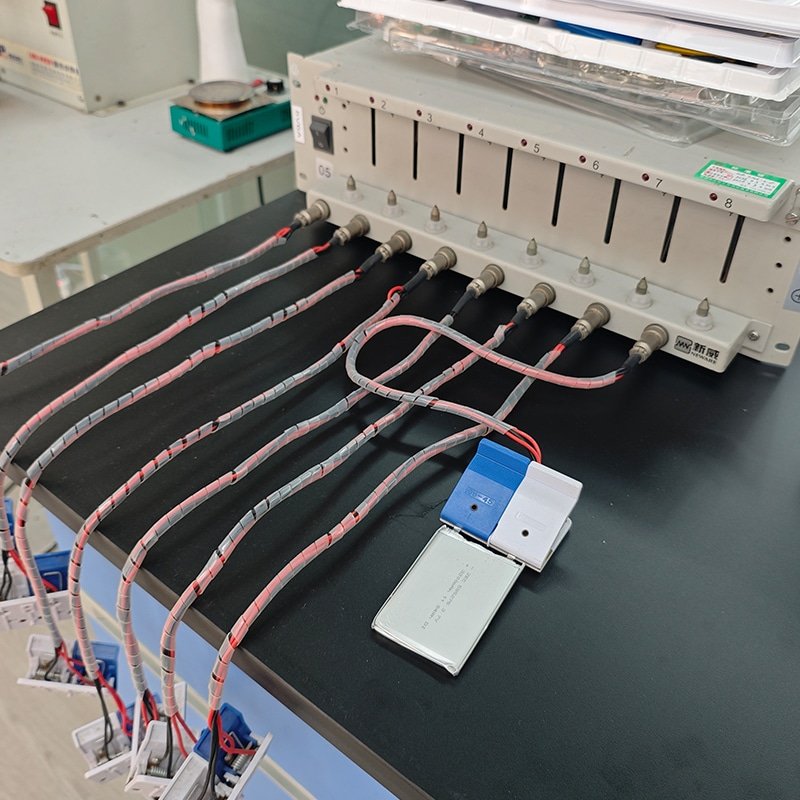
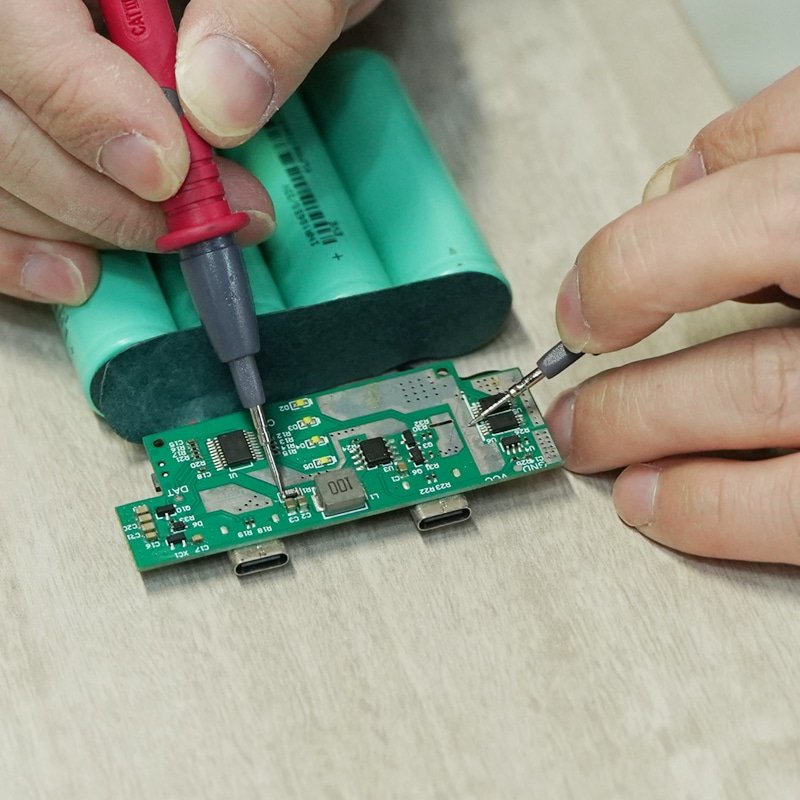
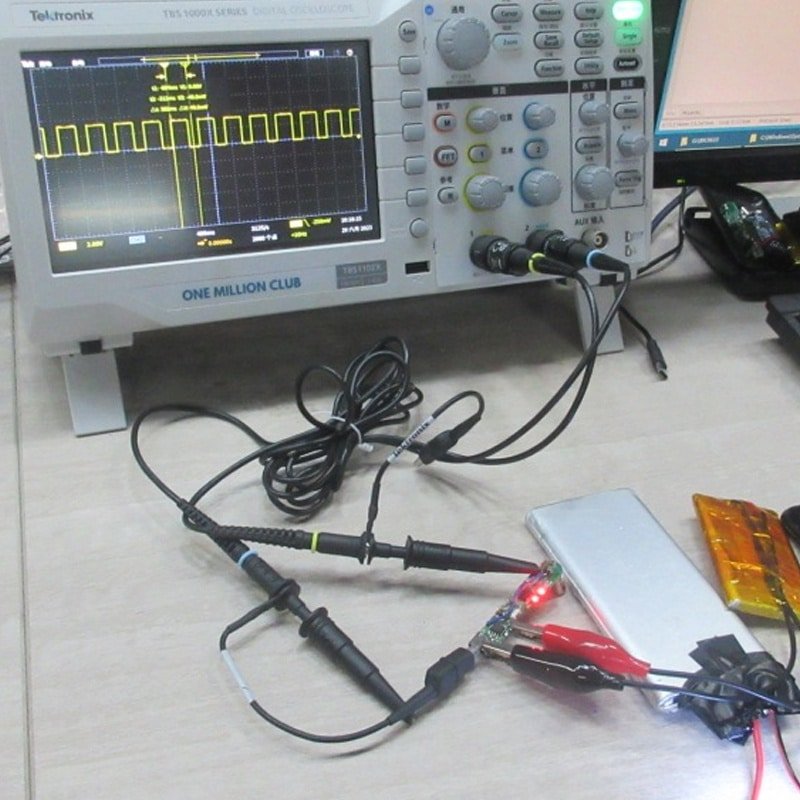
Even end-users and certain distributors do not see the logic in the system and thus misdiagnosis takes place. Product teams returning products should investigate further, with the help of such products as multimeters or data logs, to determine whether the problem is damage to the hardware or functionality limits. This explanation preconditions specific fixes, which do not need your replacement.
Common Symptoms Reported in Heated Apparel
Reports on mobile apps and various other hot apparel manufacturers have continued to report symptoms of battery failure that can be easily attributed to larger system dynamics instead of battery issues. Symptoms are hints, not conclusions based on aggregated data of OEM after-sales logs, and they need to be analyzed in a systematic way as a way of revealing underlying causes.
No Power Response
The most popular complaint is that when the battery is connected, the battery does not respond at all: it does not turn on any lights, does not heat up. This could be at the end of storage or the first usage, which will cause users to report about the cessation of operation of the heated jacket battery.
Sudden Shutdown During Use
Cutoffs during the mid-operation are so irritating to the users in high demanding situations such as outdoor tasks. The system starts and then suddenly collapses especially during a cycle indicating inconsistency in its performance.
Shortened Runtime
Batteries actually providing significantly reduced run time than indicated such as 2 hours versus 6 hours are often reported as faulty. This symptom is related to environmental factors or load incompatibilities.
Inconsistent Heating
The imbalance or unstable heat distribution where areas get hot at different times is an indication of power supply problems. Such common symptoms in hot clothing battery issues indicate that there is a necessity to distinguish such problems with actual defects.
Protection Logic vs Actual Battery Damage
The logic of protection in battery of heated apparel is designed to focus on the value of safety and life, but it is often confused with the outright damage – so the failure rate in field feedback is overstated. In my experience advising ODM brands, I have discovered that even 7 out of 10 reported problems are linked to these safeguards as opposed to cell-level problems.
Overcurrent, Undervoltage, and Overtemperature Protection
The BMS has real-time monitoring parameters: overcurrent overcurrent protects against too large drawing of heating elements, undervoltage stops discharge to prevent cell imbalance and overtemperature stops thermal runaway. Power is switched off when activated and resembles a flat battery.
Why BMS Cutoffs Are Misinterpreted
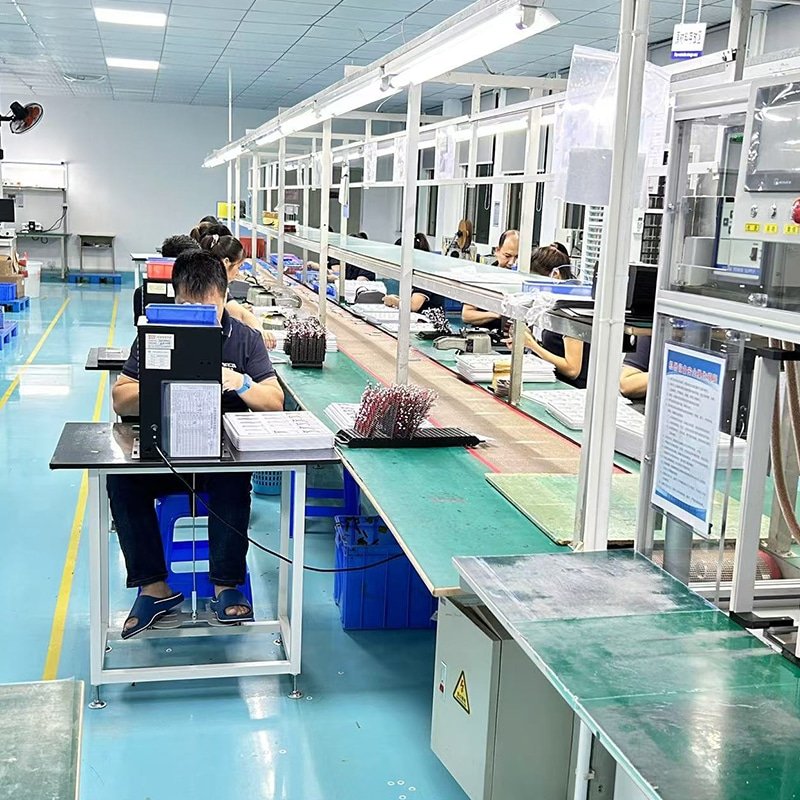
The expectation of the users is the constant operation of the device, which is cut off on purpose to restart under the safe conditions. As an example, undervoltage cutoff may appear in high-load conditions, but it can be restored by recharging. This is where the role of incorporating strong battery solutions of heated battery solutions for heated apparel becomes crucial, as mismatched protections amplify perceived failures.
Separating Perception from Damage
Real harm, such as swollen cells caused by overcharge, is more infrequent and can usually be due to failure to use precautions. Diagnostics Care should include monitoring of voltage recovery after cutoff; should not be a destructive problem, but a logic problem.
Root Causes Behind the Most Common Failures
Mismatches and oversights in the design make the most common failures in heated apparel, not necessarily battery failures- showing what can be done to prevent it by integrating the design to a higher degree. Based on failure mode analysis in manufacturing, these reasons have been used in explanation of the failure of heated apparel batteries in the real life situation.
Battery Capacity Mismatch
When capacities are chosen too small, frequent cutoffs when on peak loads will occur, since the battery will not be able to maintain the voltage. This is preventable with due consideration and is connected to battery capacity selection mistakes that inflate return rates.
Voltage Drop Under Load
The voltage sags due to high-resistance connections or inefficient heating elements enabling protections to be activated too early. This is in the form of shorter runtime, which is usually blamed on the quality of the batteries.
Connector or Wiring Issues
Loose or corroded connectors are used to simulate failure by interrupting power flow. In diagnostics, continuity check usually fixes an ostensibly dead unit.
Controller Misinterpretation
Two controllers that do not conform can misinterpret battery signals, resulting in improper shutdowns. The root cause analysis in this case is on firmware compatibility.
How System Design Influences Failure Rates
Failure vulnerability in heated apparel is directly determined by system design where subsystems work well, and fail when they are used in a system- this underscores the importance of system-level validation. Based on reviews of engineering, the poorly integrated systems experience 2-3 times the number of complaints.
Poorly Matched Systems and Their Pitfalls
Uncalibrated batteries, controllers and elements cause imbalance, such as a large power heater overwhelming a small battery, resulting in frequent cutoffs.
Interactions Between Components
The battery provides the power, the controller manages it, and components use it; the incompatibilities enhance such problems as voltage instability. Good design means load profiling to guarantee harmony as examined in matching the heating system with the battery. matching the heating system to the battery.
Reducing Rates Through Design
Prototyping under conditions of high and low speeds, temperature, load, or stress to failure determines the weak areas and reduces the field failures without excessive engineering.
Battery Technology and Environmental Stress
The impact on perceived reliability of heated apparel is heavily dependent on battery chemistry together with environmental factors such that cold exposures stress performance states in manners that are not anticipated by the user. According to lab and field testing, these stresses have been blamed to be the cause of many battery cutoff in heated apparel incidents.
Cold Temperature Effects on Discharge
The Lithium-ion batteries are less efficient in sub-zero temperatures because of a higher internal resistance, which results in a faster decrease in voltages and protection mechanisms beginning to trigger earlier.
Chemistry Choices and Reliability
Cylindrical vs. polymer trade-offs Polymer cells are flexible and polymer cells are sensitive to flexing stress. Knowledge in the behavior of battery technology in hot apparel can be used to choose variants battery technology behavior in heated apparel
Mitigating Stress in Design
The addition of pre-heating circuits or housings with insulation will increase effective runtime, making possible failures into controlled behaviours.
When Safety Systems Intervene—and Why That’s a Good Thing
The safety measures in the heated apparel batteries would be considered proactive and preventive measures, which prevent any form of hazard, but might be perceived as a nuisance, but it is an indication of design refinement requirements, not flaws. Frequent interventions signify optimization in reliability engineering.
How Cutoffs Protect Users
Protective measures are used to avoid burns or fires by use of overheating, and over-discharge to ensure long-life health of the cell.
Frequent Interventions as Design Signals
In case cutoffs occur frequently, it indicates small parts or impracticable requirements, but not bad batteries. This can be mitigated by controlling the risks of battery safety by a balanced threshold managing battery safety risks
Embracing Safety as Reliability
Such systems increase trust; looking at them positively transforms the vision to prevention instead of reacting.
How OEMs Can Reduce Battery-Related Failures
To reduce failures related to batteries methodically, OEMs can incorporate preventive mechanisms in the development cycles based on after-sales lessons, and on the same note, improve processes. This is the most effective way of reducing returns, without blaming.
Early-Stage System Validation
Prototyping To identify any mismatch in loads at the earliest stage in product development, simulate the real-world loads.
Runtime Testing Under Realistic Conditions
Carry out life tests in cold chambers to test against environmental conditions, so that specifications do not exceed the performance.
Clear User Guidance
Give specifications manuals on the operation limits to close perception gaps, and minimizing failures that are misreported.
Conclusion — Most Battery Problems Are Preventable by Design
Other symptoms of misalignment on the system level are battery-related complaints in hot apparel. Most of the perceived failures do not happen when the batteries, controllers, and heating elements are made to inter-operate. Troubleshooting starts with the understanding of the system, which is based on design congruency and realistic expectation. To get more in-depth insights, one should consider knowing the true reportable battery runtime, in order to establish true benchmarks., consider understanding real battery runtime With focusing on integrated testing and knowledgeable decision making, the brands will be able to attain resilient, trustworthy products that can withstand the demands of the field.