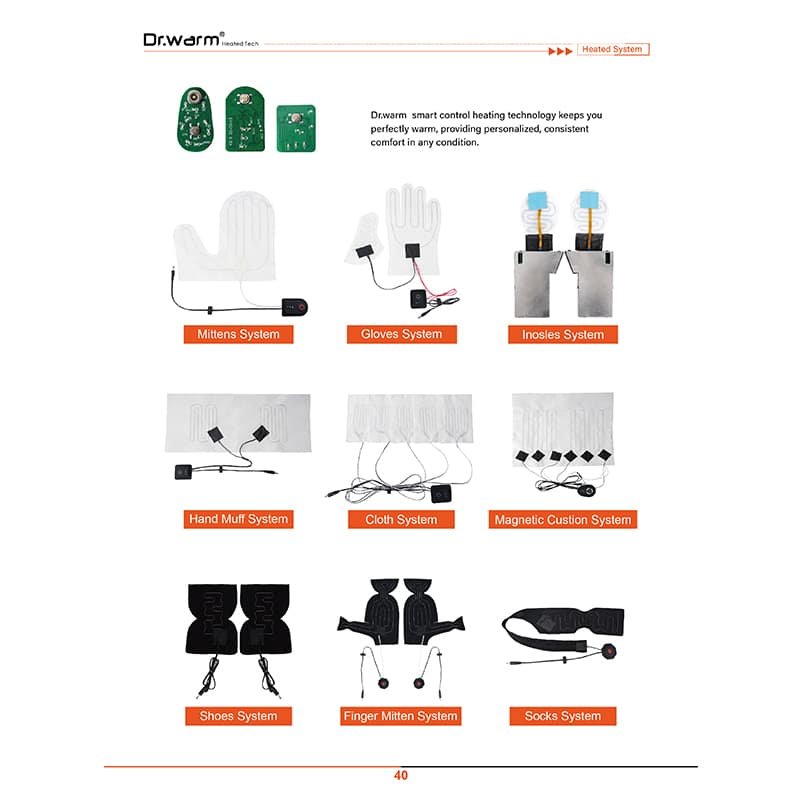

The most popular question in the sphere of heated clothes is whether power banks can be used to heated clothes or not. The solution lies in the details, some heated clothes are made to be compatible with a USB power bank, and some are not, and trying to replace one with the other may result in subpar functionality, unintended disconnections or even accidents. Power misuse is likely to cause under heating or cut-offs of the power as a result of incompatibility of power delivery. The common myth is that any power bank will easily substitute a specific, purpose-built power battery pack in the battery packs of heated apparel, yet most of the current models are designed to run specific power profiles which emphasize long, high-demand power delivery rather than the intermittent power delivery of the consumer electronics battery pack.
Power banks can only be considered as a feasible power source of low-power, USB-designed heated garments, and not as a universal substitute to dedicated battery packs. There is nothing necessarily unsafe with the use of power banks in heated clothing but it is only suitable to certain system designs and power needs. This paper, based on the experience of many years of development of the system of the production of heated apparel based on the OEMs and brands, examines the technical differences, trade-offs, and guidelines to achieve compatibility and reliability.
Understanding Power Requirements in Heated Clothing
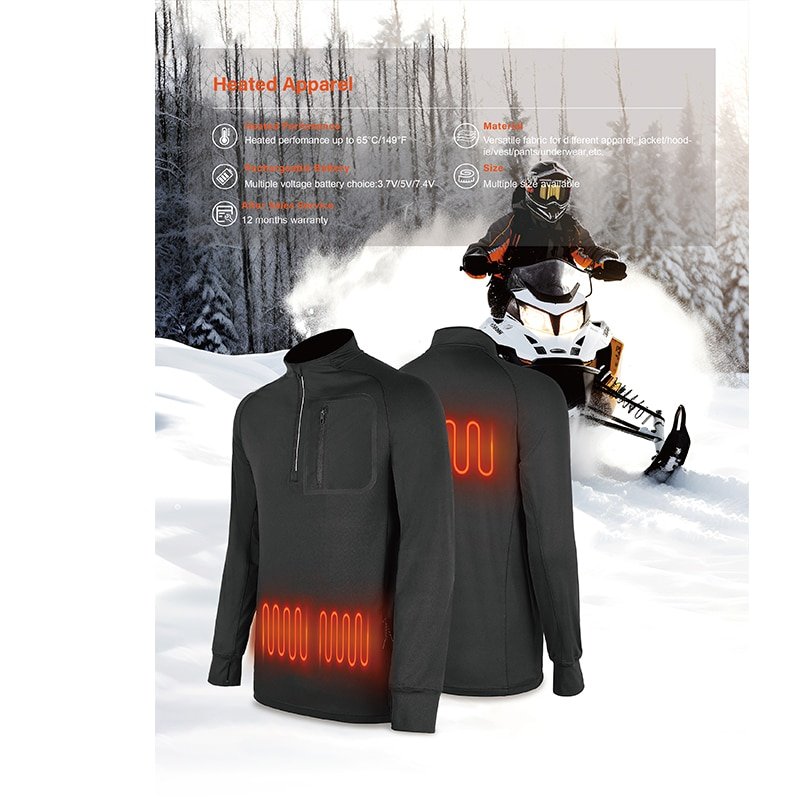
Unlike smartphones or tablets that have high intermittent charging requirements, heated clothing requires a steady and constant power supply to remain effective in warming. The key to any heated apparel system is the requirement to have a consistent amount of wattage delivered to heating components, usually 5W to low-performance USB-powered objects, 20W or higher to high-performance objects such as jackets and gloves in very cold temperatures.
Key Power Dynamics in Heating Systems
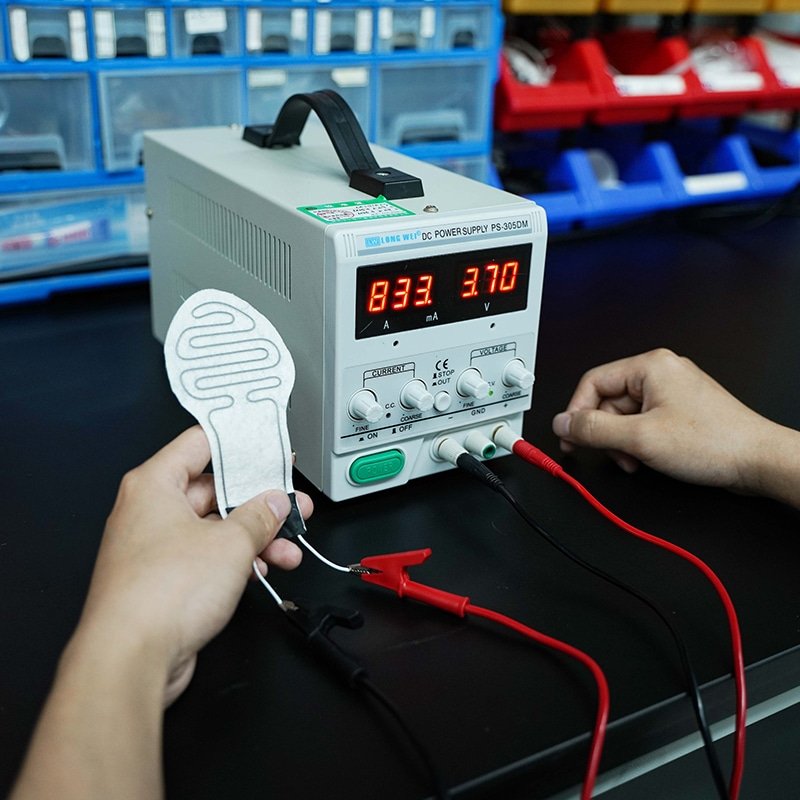
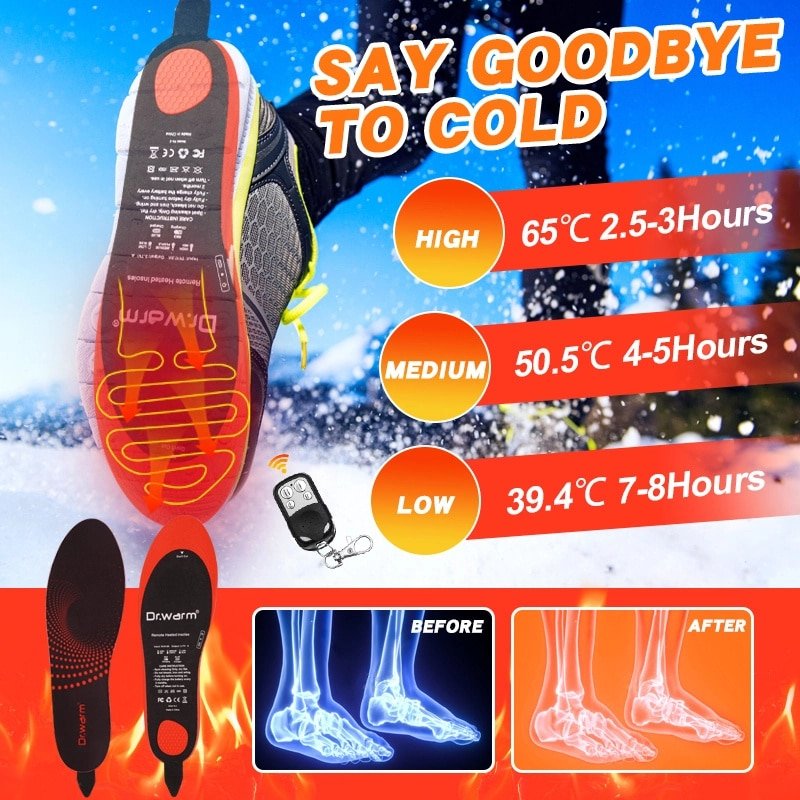
Heated clothing is a continuous power draw system in which the system draws power continuously to produce heat by passing it through resistive components such as carbon fiber or heating wires. This is in stark contrast to power banks that are designed to charge devices in bursts- high-current pulses. An example is that a typical heated insole may need 7-10W of power at any time during the hours of use, which puts a strain on the power source that phone charging does not.
Why Heating Loads Differ from Consumer Devices
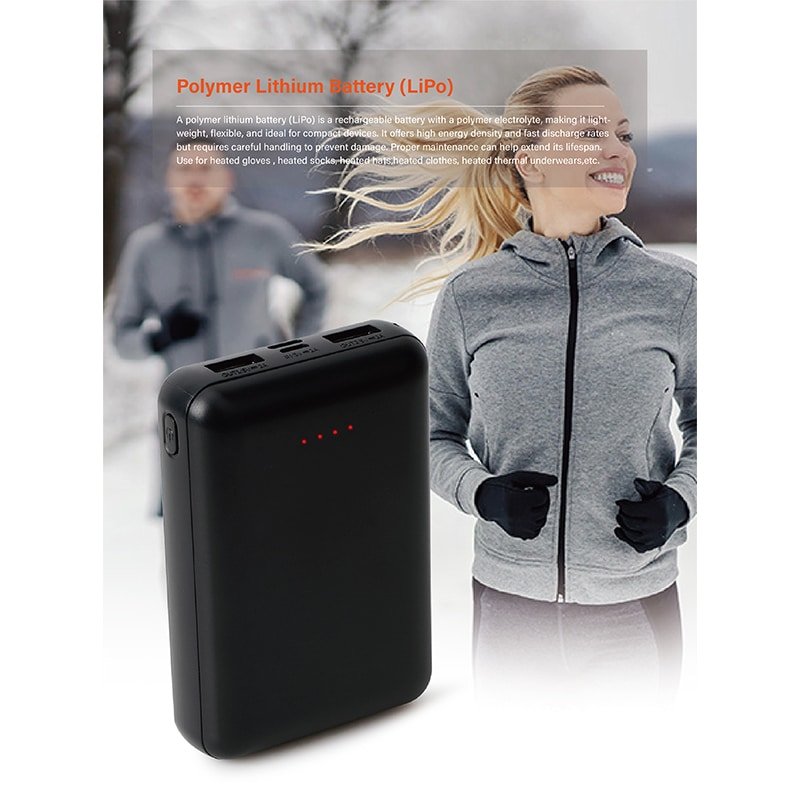
The inherent problem is the load profile: heating systems impose a load that is resistive and has the potential to induce a drop of voltages or heat accumulation in sources not compatible. To prevent inefficiencies, engineers should pay attention to such aspects as voltage stability (probably 5V with USB versus 7.4V with dedicated packs) and current limit. We have been working with OEM customers, and in this case, not focusing on these needs, we received complaints of users that the heat is too weak or that it disconnects a lot. To further explore the subject of power solutions of the heated apparel systems, visit our full guide at power solutions of power solutions for heated apparel systems.
USB-Powered Heated Clothing — Where Power Banks Make Sense
USB power heated clothing is consciously made in a way that it can be used in preference with standard power banks, making it an easy option in a low-demand scenario. These are generally 5V systems with power consumption limited to 5-10W to match typical USB outputs, to ensure wide access.
Design Features of USB-Compatible Heated Apparel
Heating elements that run off USB are also designed to be low resistance to suit the voltage, usually embedded in lightweight objects such as thin socks or simple insoles. The hardware is composed of basic switches instead of sophisticated controllers and is based on the protections of the power bank.
Advantages and Use Cases
Convenience is the first significant benefit, users just need to replace any power bank that is compatible, and it suits well in informal situations such as short rides to work or inside warm-up. This, however, has its restrictions: the heating strength is usually weak enough, which can be used in temperature higher than freezing but not in low-temperature conditions. The runtime is variable as well, and it depends on the capacity of the bank (e.g. a 10,000mAh bank may give 2-4 hours at low settings).
Limitations in Performance and Control
There are limited control options and in most cases, they do not have the ability to adjust the temperature very specific, resulting in unreliable user experiences. To e-commerce sellers receiving enquiries about USB powered heated clothing, it is important to point out these limitations in order to put them into perspective.
Built-In Battery Packs — Why Dedicated Systems Exist
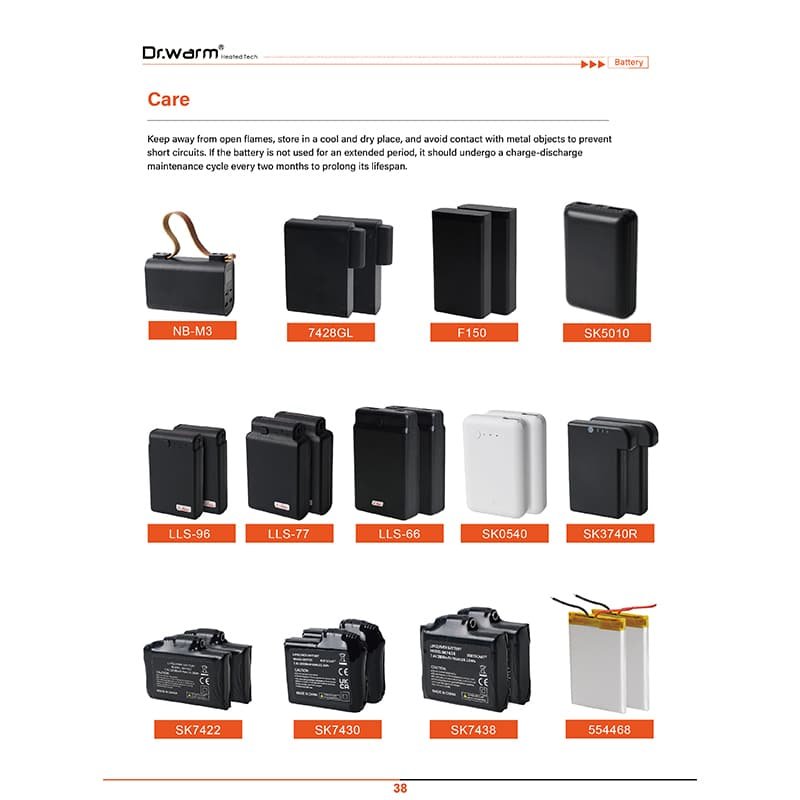
Specially designed battery packs are designed to be compatible with heated apparel so that it can provide high-quality, high-output performance beyond the ability of USB sources. These are packs that are typically lithium-ion based and 7.4V or greater, and fit in smoothly into the heating design of the garment.
Voltage and Current Advantages
In contrast to five volts of USB, built-in packs offer higher voltage to conduct efficient energy transfer, which can be used to conduct powerful heating without running large currents. This construction is useful in medium to high power (10-25W) required in vests, jackets, or gloves in harsh conditions.
Integration with Battery Management Systems (BMS)
The most important one is the integrated BMS that tracks voltage, current, and temperature to avoid over-discharge or overheating – functions that are not typically placed in generic power banks. In our OEMs, this assimilation guarantees the stability in the extended use, like in the workwear at construction purposes or outdoor sportswear.
Benefits for Reliability and Safety
It will provide a stable heating output and long working time, and packs will be differentiated according to the needs of the system. The design philosophy is based on the real-life testing, which has shown dedicated packs to be reliable in the cold weather compared to USB.
Performance Comparison — Power Banks vs Battery Packs
Comparing power bank vs battery pack heated apparel, the disparities in output and consistency can be easily noticed, with specialized packs being needed in anything beyond simple warming.
| Factor | USB Power Bank | Built-In Battery Pack |
| Output stability | Limited | Stable |
| Heating strength | Low | Medium–High |
| Safety control | Minimal | Integrated BMS |
| Intended use | Light warming | Performance heating |
The table shows the fundamental trade-offs: USB is the choice that works best in a portable environment but it cannot be relied on in demanding conditions, whereas battery packs are the ones that serve endurance better.
Safety and Reliability Considerations
The key to the safety of heated clothing USB power safety is that the power source should be compatible with the design of the system since incompatible pairing may cause protection system activation or lead to safety hazards. Power banks may also have overcurrent protection which closes when sustained under loads occur resulting in discontinued heating.
Common Risks with Mismatched Power
When overloaded, USB banks can overheat or disconnect, not due to their inherent riskiness but because of design constraints. On the contrary, specialized packs have thermal sensors attached to the heating components. In order to learn more, we have discussed the battery safety risks in heated clothing.
Ensuring Reliable Operation
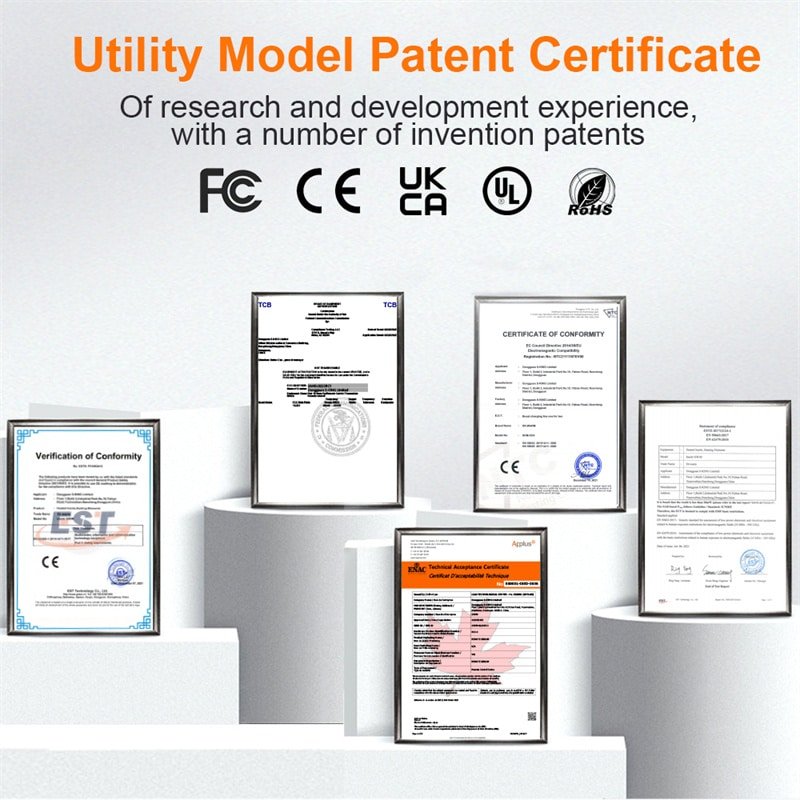
Reliability is enhanced by the use of certified parts although the compatibility should be tested by the engineers during the design. We have also recommended OEMs not to overlook them because they can result in warranty problems or a lack of customer satisfaction.
How Battery Technology Influences Power Compatibility
Battery chemistry is an extremely important consideration in compatibility, and power banks usually utilize cells that are optimized to discharge rapidly, rather than to maintain a constant heating load. High discharge rates and cycle life are chosen to ensure lithium-ion cell in special packs are used in apparel.
Differences in Discharge Behavior
Power banks are more concerned with charging capacity, which results in voltage drop when the same power is drawn continuously, but apparel packs have constant output. This impacts on the heat consistency to the general system efficiency.
Implications for Design Choices
When it comes to product development, learning these behaviors is important in ensuring that compatibility traps are avoided. Learn more about battery technology behavior to see how it shapes performance.
Choosing the Right Power Source by Use Case
When choosing power supply options to heat clothing, one should consider the purpose of that power supply and the source must match the requirements of the system to be used to achieve the best outcomes.
| Use Case | Recommended Power Source |
| Casual indoor warmth | USB power bank |
| Short outdoor use | USB or small pack |
| Cold-weather activities | Built-in battery pack |
| Workwear / sports | Dedicated battery system |
This decision framework can guide product managers and users to steer clear of the pitfalls that are commonly found as the USB heated jackets of the product have their limitations to use in the long-run.. For guidance on matching power source to heating systems, load profiles and environmental factors should be taken into account. Additionally, factoring in understanding real battery runtime can refine choices for specific scenarios.
Conclusion — Power Banks Are a Design Choice, Not a Shortcut
In short, the source of power used in the heating of clothes should be in line with the requirements of the system that are engineered to provide fun, safety, and durability. Power banks would be found useful in low power, USB-designed enclosures but could not replace dedicated battery packs in high usage systems without losing functionality. With these boundaries observed, which are based on the principles of electrical engineering and the practical design of clothing, brands, designers of the equipment, and end users can bring reliable warming solutions that meet their respective needs. One should always be mindful of compatibility in systems rather than convenience to prevent taking unnecessary risks or disappointments.