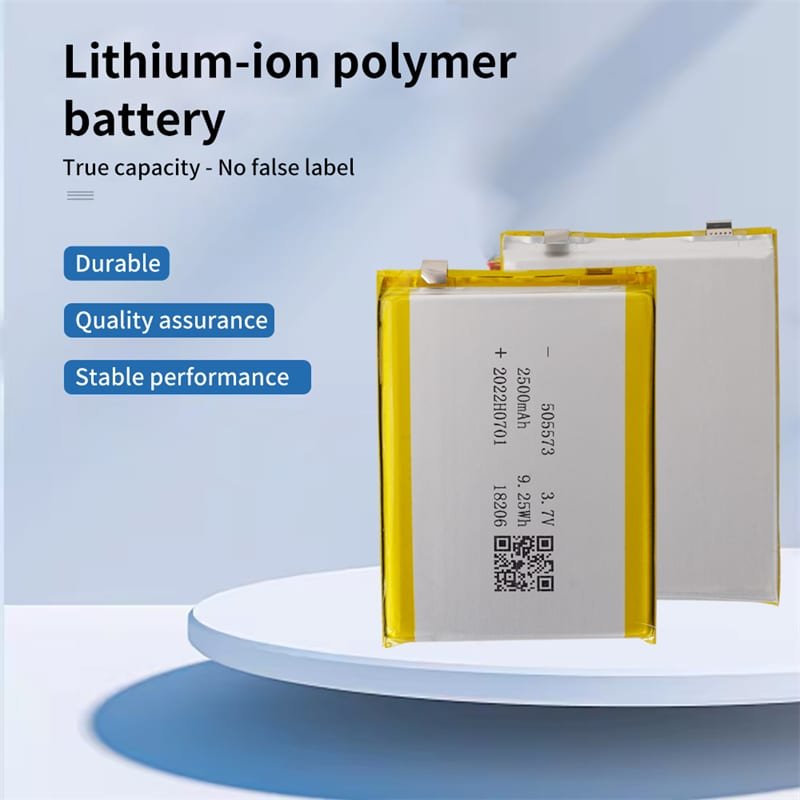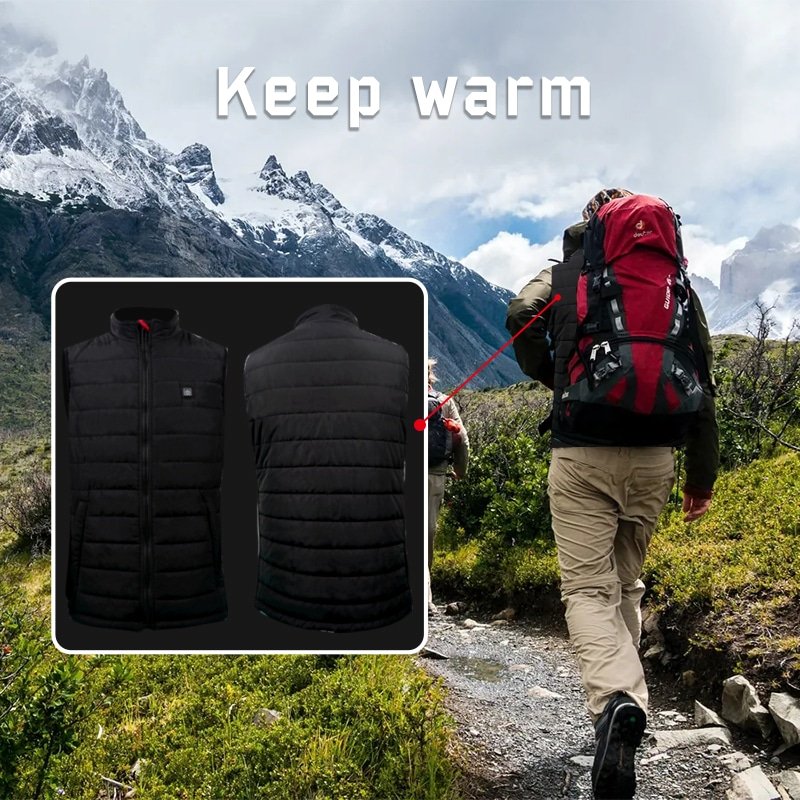

Batteries that are used in heated equipment are prone to failure because of not being kept in the right way, and not being maintained, rather than because of standard wear and tear. Most damage in the case of the heated clothing is in fact over the periods of the year where no heating is done but then the following winter is very severe and batteries are used to warm some parts of clothing like jackets, gloves, and socks. When used improperly, lithium batteries deteriorate the quickest, resulting in a decrease in capacity, safety concerns, and the need to replace the battery prematurely. Users often assume that only active use can degrade batteries, however, a large number of people store them poorly, which can lead to irreversible damage that is more damaging than the heating cycles themselves. The life of the battery in heated gear is less a factor of usage than of storage.
Being a battery lifecycle engineer with years of experience working with OEMs regarding the need to consider reliability in seasonal products, I have directly experienced the impact of not taking into account the need to perform off-season care, which results in warranty claims and performance loss. The guide is based on practical testing and degradation studies that will provide some preventive measures that will assist product managers, engineers, and even end users in preserving their investments on winter heated apparel battery care.
Why Winter Heated Gear Batteries Require Special Storage Care
The heating gear batteries used in winter require special storage procedures due to their time usage nature as they are exposed to long idle conditions not common in regular electronics. Compared to smartphones or laptops, which are used on a daily basis, heated jackets, gloves, and socks are used only during cold months, which means that the batteries would be inactive throughout 6-9 months of a year. This intermittency increases the risk of degradation because the lithium cells inherently self-discharge as time progresses and may reduce to potentially harmful levels of safe voltages without monitoring.
Seasonal use also implies exposure to unstable conditions of operation, deep cold during operations and the possibility of warm and humid conditions of storage in off periods. The internal chemistry of the battery is emphasized in this cycle in my experience with ODM brands and the problems are hastened such as electrolyte breakdown unless addressed. The distinguishing feature of such batteries is that they can be incorporated into clothing: they can be very small, can be flexible lithium-polymer types, made to be wearable, which puts them at a greater risk to physical stresses during storage, including bending or compression of the battery in gear bags.
Knowledge of these aspects is important to distributors who have bulk seasonal inventory; this is where poor storage may result in batch failures before the product even makes it to the consumer. Focusing on care which is specifically based on these patterns helps a brand to reduce lifecycle expenses and increase long-term reliability.
The Impact of Idle Periods on Battery Health
Idle periods give the chance of a free self discharge and with batteries off, 1-2 percent of capacity is lost each month. In the case of heated gear, this is enhanced by the fact winter temperatures are low at the time of use, thus preconditioning cells to the quicker degradation in storage unless recharged after use.
Differences from Standard Consumer Electronics
The high-drain heating elements in heated apparel batteries vary and require burst power, as opposed to constant draw in gadgets. This necessitates a maintenance that is directed towards maintenance of peak production, rather than mere capacity.

Understanding Lithium Battery Degradation During Storage
Even when a battery is stored but not utilized, chemical reactions that cause lithium battery degradation are the main force that can result in the irreversible loss of capacity. Self-discharge is a major evil: lithium ion is transferred inside the cell and the available energy decreases as time goes by. When not stored at the right charge levels, it may be forced into an over-discharge condition, which is destructive to the anode and reduces the lifespan in general.
Temperature is critical towards expediting such processes. During high temperatures, side reactions such as SEI (solid electrolyte interphase) growth increase, whereas extreme cold may lead to lithium plating during subsequent charges. Within the context of hot gear use, where the batteries may be stored in the garage or attic, I have analyzed failures where the capacity decreases by 20-30 percent after only one off-season under such exposure conditions.
For a deeper dive into lithium battery chemistry behavior, it may be interesting to observe the behavior of an ion-polymer variant of apparel to these stresses, as opposed to rigid cylindrical cells.
Key Mechanisms of Self-Discharge
The rate of self-discharge depends upon the quality of the cell, but in apparel batteries, allow an average loss of 5 to 10 percent in three months, unless controlled. This is further worsened in humid conditions, whereby the moisture is capable of penetrating seals.
State-of-Charge Effects
The use of full charge facilitates oxidation, whereas low charge facilitates deep discharge. This is one of the necessary balances in keeping the lithium battery life in hot equipment.
Temperature Sensitivity Explained
Lithium working cells are optimized to work in 15-25 o C; above or below this, the degradation is exponential. OEM test data indicates a 2x higher rate of fade at 40 o C as compared to room temperature.
Optimal Storage Conditions for Heated Gear Batteries
Control of the environmental factors is the key to proper heated gear battery storage that reduces chemical stresses on lithium cells. Optimal charge level when long-term storage is required is 40-60 per cent -not so much that the battery is deeply discharged, yet not so much that the battery is subjected to high-voltage stress and thus ages rapidly. This operating point through much testing in the cycle maintains capacity more than both full or empty.
To avoid condensation and corrosion, temperature must be kept between 5-20 o C (41-68 o F) and humidity kept at less than 50 per cent. Low temperatures below 0 degrees Celsius may freeze the electrolytes causing an accumulation of internal resistance whereas high temperatures above 30 degrees Celsius increase the undesired reactions. However, in practice, in the case of brands that maintain stock, it refers to climate-controlled warehouses and not sheds that are not heated.
These conditions are part of broader long-term battery solutions for heated apparel, where intelligent storage implementation into the product design can also be used to improve reliability.
Recommended Temperature and Humidity Guidelines
To find a room that is steady and cool, the room should not be in a basement that is usually damp or an attic that becomes hot. Silica gel packs should be used in case of humidity.
Avoiding Extremes: Cold and Heat Risks
Cold storage may lead to lithium plating on recharge making performance less effective in heated socks or gloves. Heat on the other hand may lead to thermal precursors, particularly stacked inventory.
Charging Habits That Shorten or Extend Battery Life
The routines of charging directly affect the battery life, and routines such as the habit of full-charging the battery can frequently run counter to the interests in seasonal equipment. Storage at full charge subjects cells to long-duration high voltage, which encourages the buildup of SEI layer and capacity loss I have observed this reduce the lifespan by 20 percent in prototypes of the heated jacket.
On the other hand permitting deep discharge preceding stowing leads to voltage drops below 2.5V per cell, which leads to irrevocable sulfation-type effects. The trick is regular top-up charging after every 2-3 months to keep the SOC at 40-60 percent to keep the cells balanced without over-stress.
Insights from real-world battery runtime behavior demonstrates that these habits are applied in the winter performance to real-world performance.
Dangers of Full-Charge Storage
The SOC is favored by high; prep is limited to short-term only.
Risks Associated with Deep Discharge
Anything below 20% SOC encourages anode damage- always recharge after use before storage.
Benefits of Periodic Maintenance Charging
A mild 0.5C charge every three months inhibits the formation of imbalances, and this increases the duration of cycles to 300-500 in clothing use.
Maintenance Practices That Prevent Common Battery Failures
The first line of defense against failures in the batteries of heated gears is routine maintenance as the slightest problem such as connector wear can escalate to a critical magnitude. The visual inspection is to be done monthly off-season: swelling signs should be examined, which means the development of gas due to overcharge or heat accessibility, and it should be corrected immediately to prevent ruptures.
The care of connector and cable can also include cleaning of contacts using isopropyl alcohol to stop corrosion, particularly during winter in salty conditions. Physical abuse is usually unseen in stored equipment-batteries hidden in pockets may bend and be punctured resulting in shorts.
For strategies on preventing common battery problems, concentrate on the following built-in tests.
Visual and Physical Inspection Protocols
Checks for swellings, leakages or discolouration-indications of internal failure.
Caring for Connectors and Cables
Make sure there is no fraying; cables are kept uncoiled so as to have no stress points.
Identifying Hidden Damage
Test voltage using multimeters; voltage drop indicates underlying problems.
Safety Considerations During Storage and Off-Season Handling
The security of battery storage depends on the understanding that even inactive lithium cells are dangerous, and it is better to prevent than react. The heat-up hazards cause fire, usually when damaged cells are subjected to heat in humid or hot storage – keep batteries out of the reach of flammables.
It is not worth keeping batteries that are damaged, have swelling, leaks, etc.; put under quarantine and recycle through certified recyclers to prevent environmental risks. E-waste channels are used in safe disposal, which is conducted in accordance with local regulations.
Explore battery safety considerations for heated gear for BMS-integrated protections.
Mitigating Fire Risks
Keep in fire resistant containers where possible and at a distance to living quarters.
Handling Damaged Units
Isolate; no DIY solutions.
Disposal Best Practices
Use software such as Call2Recycle to do proper handling.
How Storage and Maintenance Affect Comfort and Design Over Time
Storage will silently impact the physical properties of the battery through poor storage, which can affect the overall comfort and design integrity of the heated apparel in more than one season. Incorrect charge that will result in gas formation causing battery swelling can cause garment pocket distortion resulting in uneven weight distribution and limited wearability in jackets or vests.
Maintenance-free repeat thermal cycles may cause shape changes, necessitating redesigns in slim-fit gloves or socks, where the ability to flex is significant. During engineering reviews, I have observed that consistency in care can maintain form factor such that the apparel is still ergonomic.
Details on battery size and shape considerations underscore these design implications.
For broader insights into battery technology behavior, consider how advancements mitigate these effects.
Effects of Swelling on Garment Fit
Bulges may occur even with minor expansion, which impact the movement in active wear.
Long-Term Design Implications
Maintenance helps to maintain batteries at their original dimensions, which helps in iterative product lines.
Seasonal Battery Storage Checklist
The abstract advice can be turned into specific actions with a structure of a seasonal checklist, which will be applied uniformly, either within OEM teams or among individual users. This is a preventive mechanism based on reliability engineering, which targets verifiable practices to protect the storage of heated gear batteries.
| Storage Step | Best Practice |
| Charge level | Store at ~40–60% |
| Environment | Cool, dry location |
| Inspection | Check for swelling |
| Maintenance | Recharge every 2–3 months |
Do this before loading up equipment, and re-examine after every quarter.
Pre-Storage Preparation
Wipe and examine and then put away.
Ongoing Monitoring
Log checks to track patterns.
Conclusion — Battery Care Extends Performance and Safety
Correct storage and maintenance procedures maintain the battery performance and enhance safety as well as minimizing untimely failure in the winter heated gear. Treating care as an extension of product ownership changes the emphasis of the reactive replacement to proactive longevity, which is advantageous to all including engineers and final users. The embedded habits extend usable life, reduce risks and we can be guaranteed of good warmth when it is needed most.