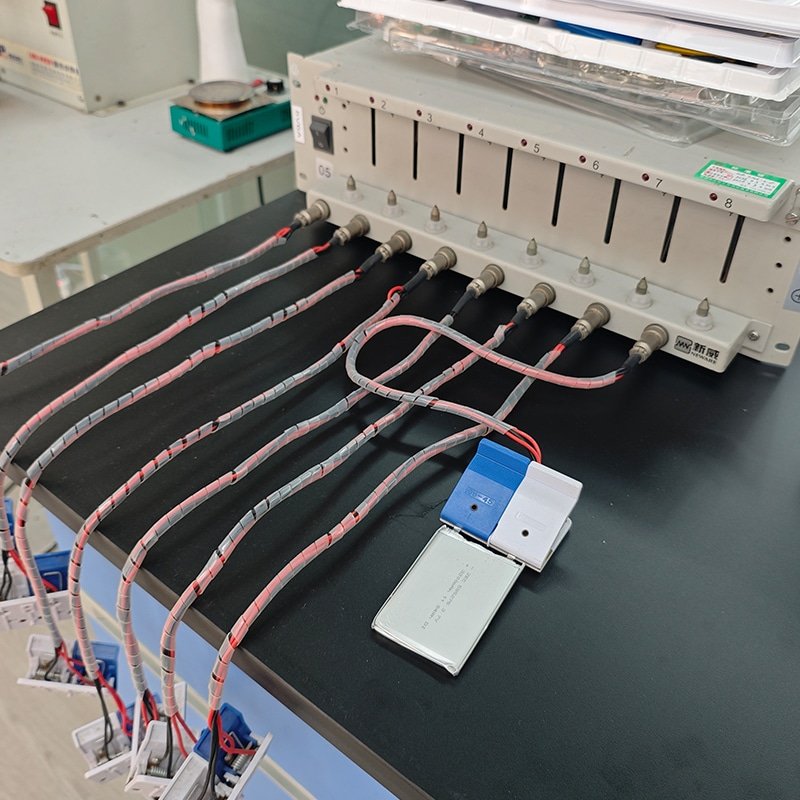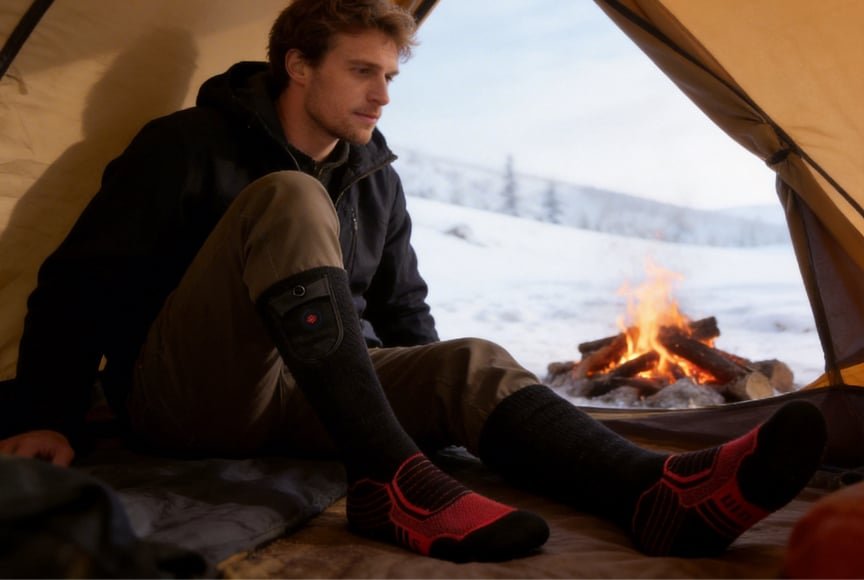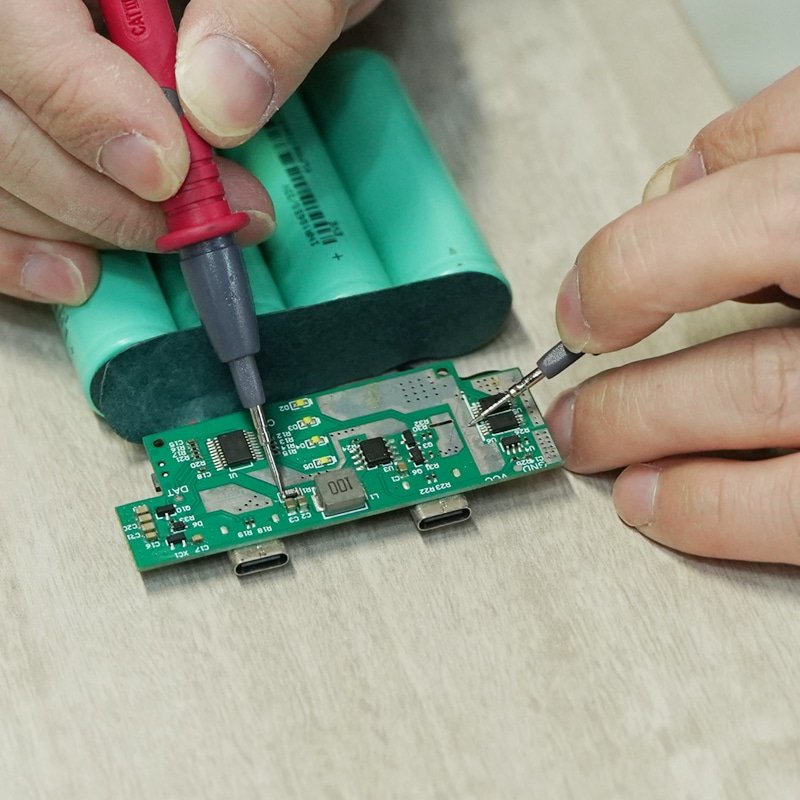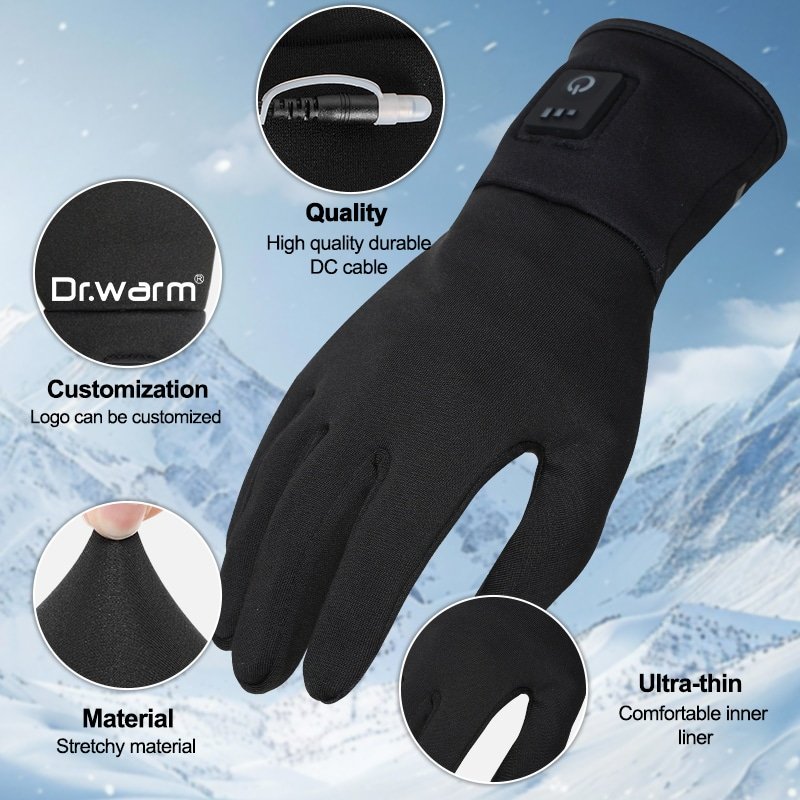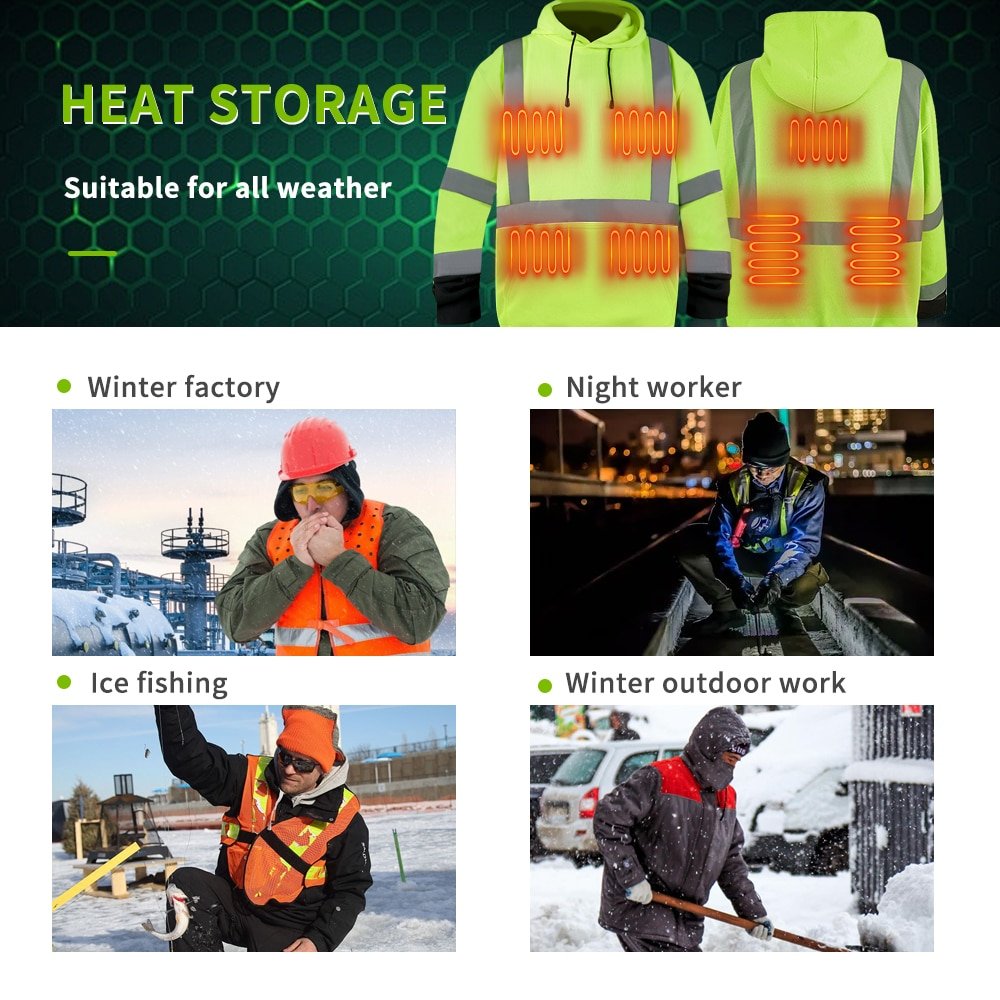

Early heated apparel adopted battery packs taken directly off the shelf of consumer electronics – mostly rectangular lithium-ion cells in hard case. Such shapes were suitable in phones, laptops and power tools where a boxy shape could fit the enclosure of the device. However, the set of constraints when it comes to heated apparel is entirely different: power source needs to be alive or kept within flexible and body-conformity clothes that have to move with the wearer that will be on several hours.
What was initially perceived as a luxury or aesthetic addition to the product by many people in the industry is actually a practical need in the shape of custom shaped batteries. System reliability, mobility and comfort: The functional design choice of battery shape is directly proportional in heated apparel and the choice of battery shape can greatly influence the comfort and mobility of the apparel. The change is not to look more contemporary with the products; but to address actual wearability issues the conventional rectangular shaped packs present.
Why Standard Battery Packs Limit Heated Apparel Design
The development of standard rectangular battery packs has its roots in standardized cell designs (such as 18650 or pouch cell designs, with its primary aim being the creation of manufacturing efficient and densely packed electronics) based on energy density and compactness.
These box-shaped constructions are in conflict with the natural workings of garment wear in the case of hot apparel. Put in pockets (lower back or side torso, the cuff of a wristwatch or even built into an insole) the rectangular shape forms localized areas of pressure during movement. Bending, lifting the arms, or bending of wrists pushes hard edges against the body causing discomfort during prolonged use.
This constraint is the cause of compromise among designers: large outside pockets, which break the line of the garment, padding as a means of covering the rigidity (which adds to the weight), or compromised placement, which influences balance and heat transfer. In high mobility products such as skiing, motorcycling or manual work, these trade offs decrease the total usability and perceived quality.
Wearability and Comfort Drive the Shift to Custom Shapes
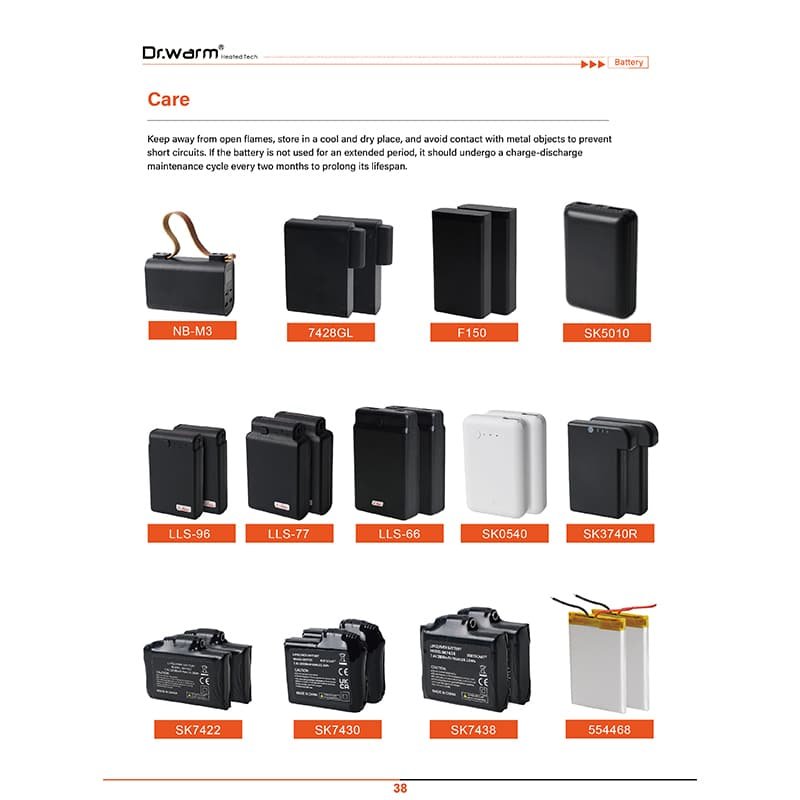
Flat, rectangular surfaces seldom occur in the human body, even when it is in motion. This is solved by custom-shaped batteries, which bend to focal curves of the human body, allocate the weight more evenly, and reduce the pressure points.
Smaller, curved packages (assuming flexible, pouch-based cells, or a designed arrangement of cylindrical cells) can decrease size in areas where it matters the most, such as a slenderness around the wrist in case of heated gloves, or around the foot in case of an insole, or similar types of items. That has a direct positive effect on the long-term comfort: the wearers cry out less fatigue, fewer hot spots, more freedom of movement. Salpated batteries fitted into designed pockets in jackets and vests can be placed at the side or back of the lower torso with no limitation to sideways movement.
Eventually this relationship emerges, the battery shape is much better at determining the perceived product quality than is the visual appeal. A garment which fits the body in eight hours use will work better than one that feels smooth but annoys the wearer in half an hour.
To get a more in depth perspective of how we did the architecture of these power systems to enable them to be wearable at all,explore our guide to wearable battery solution architecture.
Custom Battery Shapes Unlock Industrial Design Freedom
Due to the ability to do away with the limitations imposed on strict packs, designers will have much freedom on how to position the components and what garments to make as well.
Batteries may now be slotted into smaller places more curvy along the forearm in gloves or flattened into the shape of an insole, or fitted into the lining of jackets, not producing any bulge or necessitating big pockets. And that means a more intuitive user interface (such as easier access to controls), cleaner silhouettes, and improved weight distribution.
The result is a garment that looks and performs more like traditional cold weather clothing but provides active heating. Durability also enhances because of less seams and zippers since more space is not required to install bulky compartments that hold external batteries.
Since the precise effects of battery form factor on comfort are yet to be realized in actual products, battery form factor impact on comfort plays out in real products, check this detailed breakdown.
Engineering Considerations Behind Custom-Shaped Batteries
Curved forms take the design of cell structure, electrical, and mechanical integrity to a new level.
When irregular geometries are to be implemented engineers need to set up cells (usually pouch or custom cut formats) to ensure a steady voltage and capacity. It includes very fine series/parallel layouts to prevent imbalance and thermal care–the contoured designs can change heat flows.
A critical housing is required: polymer casings reinforced with 50 per cent polymer at the expense of the environment or malleable laminates are applied to prevent flex fatigue, impacts, and exposure to the environment, without adding much weight. The heating elements of a garment need to be integrated with the garment in such a way that the output characteristics are matched otherwise voltage sag under load will occur.
All these obstacles can be addressed using the latest lithium technologies, yet, they require the coordination of electrical, mechanical, and apparel teams.
To put these decisions in context, battery technology constraints that influence these decisions, see our related analysis.
Manufacturing and Cost Trade-Offs
The non-standard geometries do not weaken safety conditions, on the contrary, they tend to increase it.
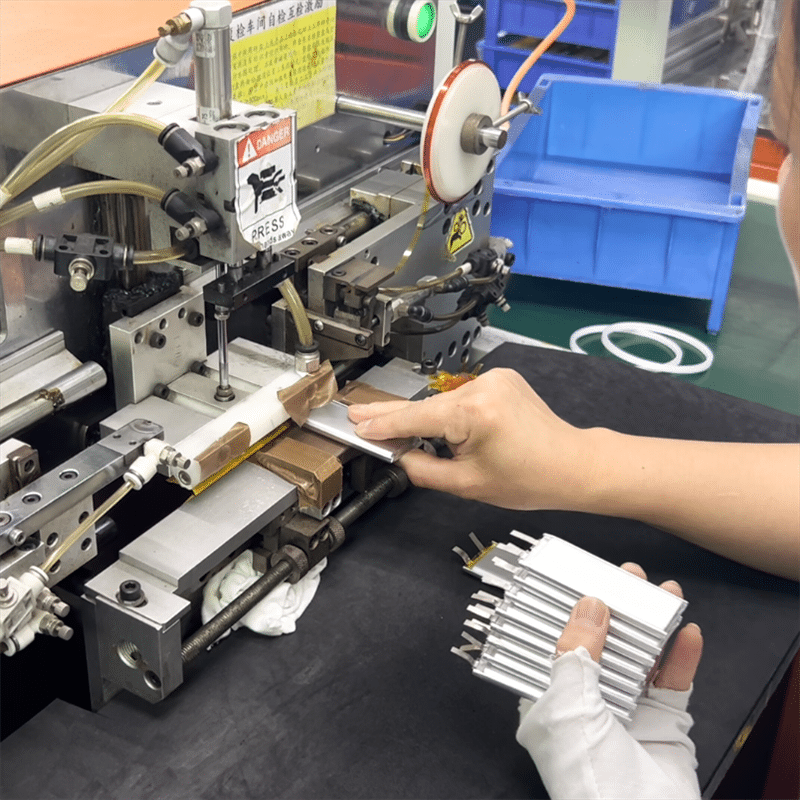
Each custom pack will require an effective Battery Management System (BMS) with multi-layer safeguards: over-charge/discharge, short-circuit and temperature controls and cell balancing. Such irregular shapes may make it more difficult to contain the thermal runaway and extra structural reinforcements, as well as venting measures, will be needed.
Custom designs face greater scrutiny from certification bodies, including UN 38.3 transportation testing for the exact pack configuration. Vast validation: drop tests, flex cycling, accelerated aging, and much more cannot be compromised to demonstrate the reliability on real-life wearables.
These steps are essential and should be taken at the start of the process before redesign OEM battery pack development process provides practical guidance.
Safety and Compliance Implications of Custom Shapes
Non-standard geometries do not loosen safety requirements – in many cases, they tend to increase them.
Any custom pack also requires an effective Battery Management System (BMS) with multi-layer controls: over-charge/discharge, short-circuit, temperature control and cell balancing. Thethermal runaway containment can be complex to regular forms, meaning that extra structural reinforcements and venting plans are necessary.
Custom designs are reviewed more thoroughly by certification bodies, including UN 38.3 transportation testing. It is not negotiable that extensive validation should be tied up to demonstrate reliability in the natural wearable environments, such as drop tests, flex cycling, and accelerated aging.
These are steps that should be prioritized at the early stage in order to sell expensive redesigns subsequently.
Learn more about battery safety and certification requirements in heated apparel contexts.
When Custom-Shaped Batteries Make Sense—and When They Don’t
When Custom-Shaped Batteries Pay- and When they Do not Pay.
Battery shapes Custom it is being worn in high-end heated garments with ergonomics being a major distinction: high-end ski jackets, professional working wear or gloves of an ergonomic shape designed to fit a footbed, or aftermarket in-sole that needs to fit in a footbed seamlessly. They are also intuitive in the designs that focus on the minimal bulk and utmost mobility.
The traditional rectangular packs are still viable, and sometimes even desirable, in products that are at the entry-level or mid-range, larger industrial usage or when speed to market is required and savings in costs are more important than slight comfort divisions. They suit well in clothes that have padded pockets devoted to endure stiffness.
It boils down to priorities: the target price point, comments by the users concerning comfort, the intended length of the use, the possibility to invest in the custom development. Another important factor is balancing capacity and wearability, —see our guide on balancing capacity and wearability.
Conclusion — Custom Battery Shapes Reflect Wearable Design Maturity
The increasing use of custom-shaped batteries in heat products is a maturing industry, with the choices being a result of profound knowledge on wearability instead of stealing off-the-sheet resolutions in the other sectors.
Engineers and designers today consider battery form-factor one of the system components, which needs to make the garment serve its primary purpose which is to provide reliable warmth without damaging the comfort and maneuverability. This is an engineering concept and can deliver real value to the end users and provide the base towards the next generation in heated apparel.