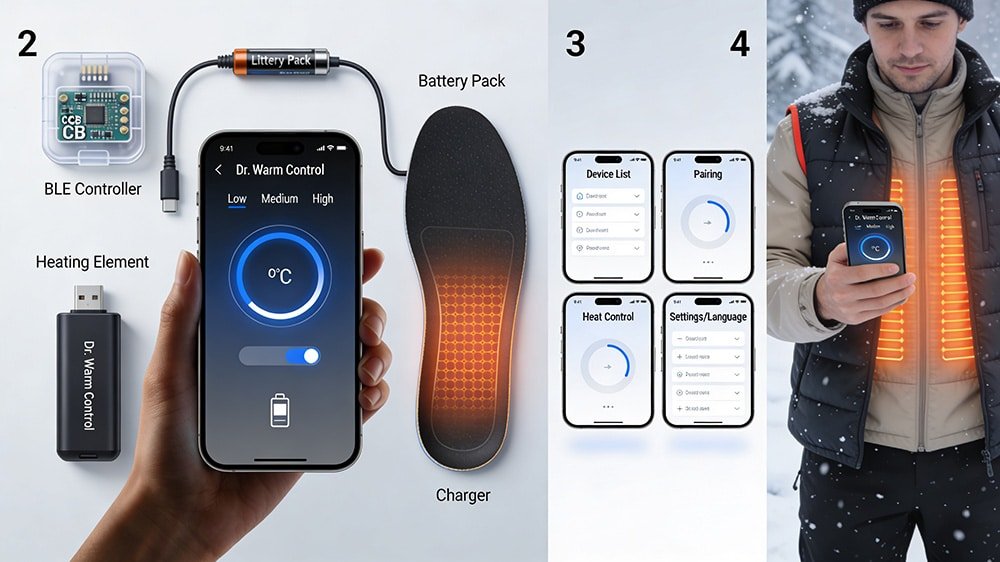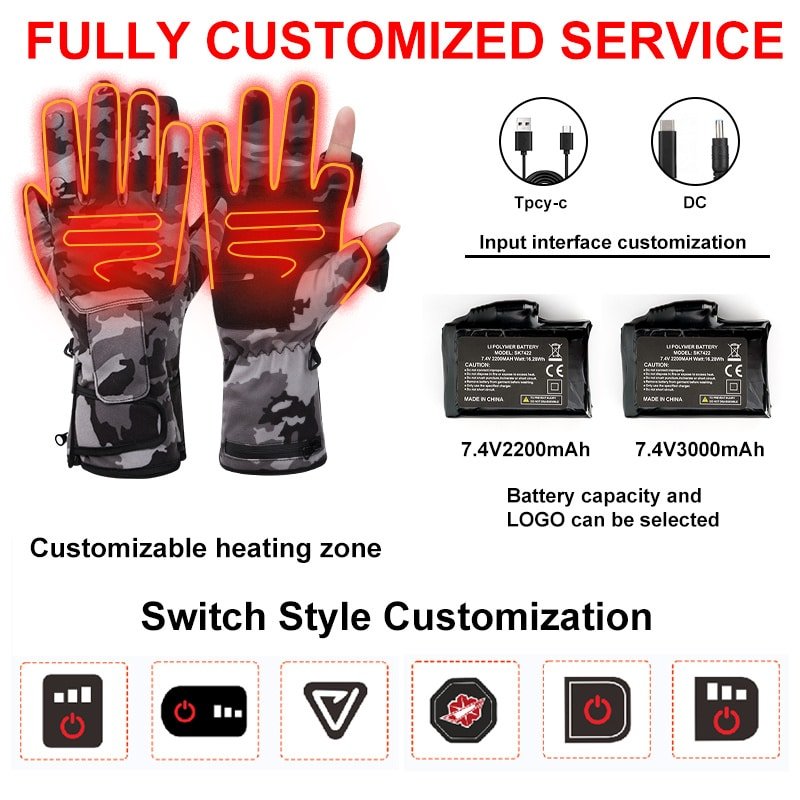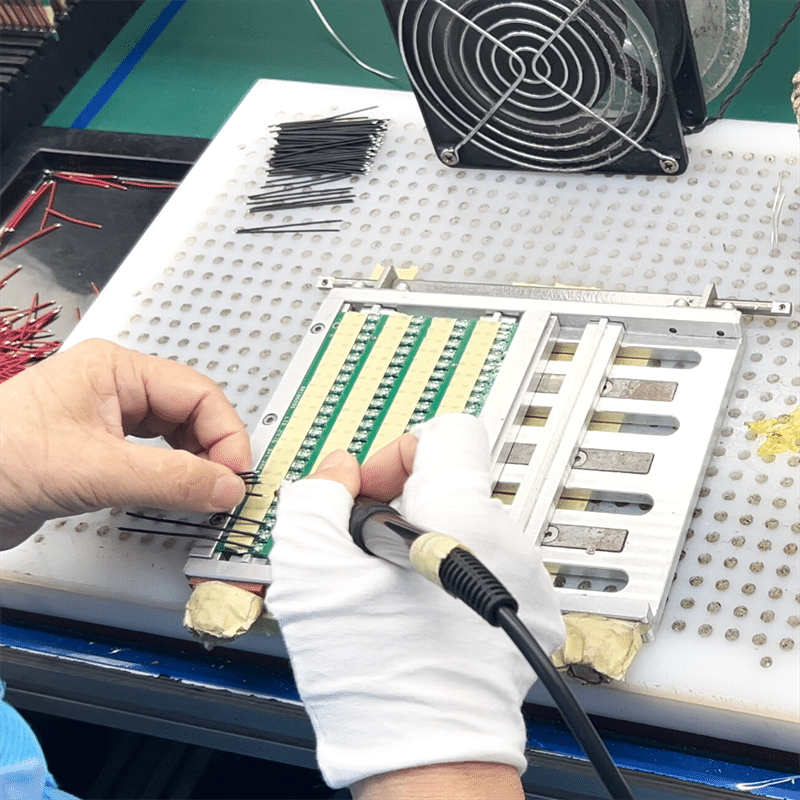

The app control in heated wearables is a coordinated mechanism of interaction between mobile software, electronic control units, battery management, heating elements so that the temperature can always be maintained safely and efficiently. The app is, in other words, the command interface which dispatches instructions, yet the actual temperature adjustments are implemented by the hardware components. The myth about the app is that it heats, but it is just an arrangement of electronic control and delivery of power. The control of the app performs in wearables with heating only in case the software logic and electronic control systems, battery management, and heating elements are created as a single system.
What “App Control” Means in Heated Wearable Systems
App control is a terminology that incorporates software instructions with hardware functions in hot wearable items, and it acts to guarantee that the wearable is clearly controlled without any user action on such a device. App control in hot wearables The control of heating parameters remotely, usually through Bluetooth connectivity, by means of a mobile application. This is contrasted to such simple manual controls whereby the user can modify settings by pressing the physical buttons on the garment.
The most crucial difference is between the control interface and the heating implementation: the app offers the logic to the user to set his preferences, like temperature levels or programmable timers, but does not directly generate heat. Rather, it sends the instructions to the embedded electronics, which in turn vary the amount of power sent to the heating components. Physical electronics is not displaced by app control, only supplemented, with more complex functions, such as adaptive heating based on environmental information, possible.
The following components have their contribution towards the roles to be discussed:
| Component | Role in App Control |
| Mobile App | Command logic and user interface. |
| PCBA / Controller | Signal processing and Power regulation. |
| Battery System | The supply and defense of energy. |
| Heating Element | Transforms electrical energy to heat. |
The failure of this breakdown demonstrates the interdependence of every component, whereby the app is the conductor and not the driver.
System Architecture Behind App-Controlled Heated Wearables
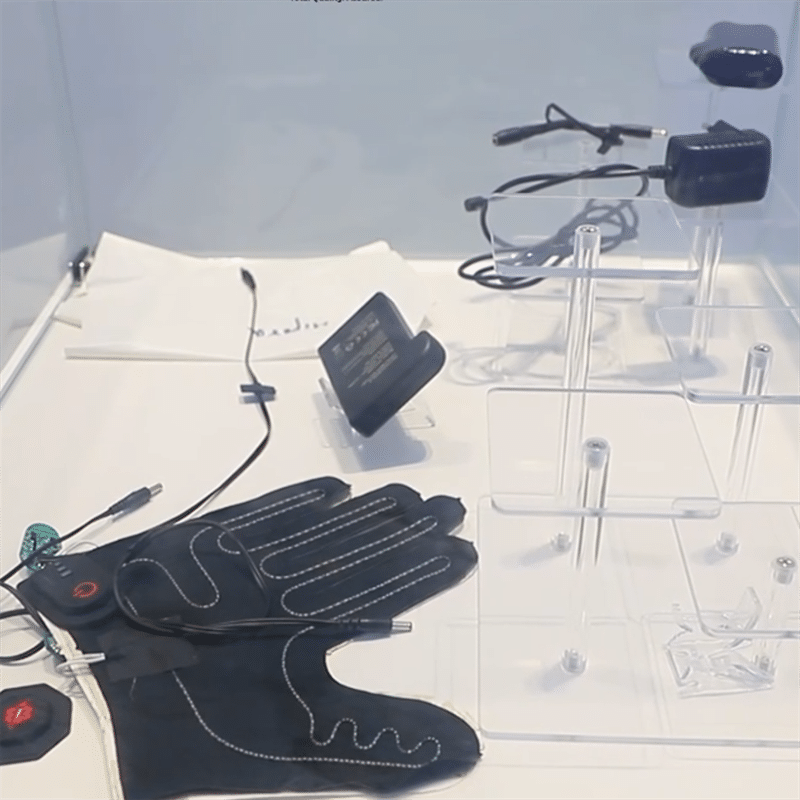
The app-controlled wearable system architecture should consider the ideal integration of the software and the hardware to attain the effective performance. In its simplest form, the architecture bridges the mobile app to internal components of the wearable in the form of a Bluetooth module on the printed circuit board assembly (PCBA). This module is wireless and communicates with the app and transmits commands to the controller, a microcontroller unit (MCU) that receives signals and controls the heating circuit accordingly.
This interconnection is a closed-loop system: the application sends data packets with instructions on what the user wants, the Bluetooth module receives them and forwards them to the controller, which in turn communicates with the battery to provide modulated power to the heating components, which are usually made of carbon fiber or resistive wires. System architecture defines responsiveness, e.g. how fast a change in temperature is possible, and stability, e.g. the ability to tolerate interference by environmental effects such as signal noise.
Practically, engineers create this architecture in an integrated manner that the protocol of the app is in line with the capabilities of the hardware. An example is the firmware in the controller would have to process app commands within seconds, otherwise it will cause delays and inconsistent heating. This is why app design for heated wearables is vital at the very first stages because incompatible architectures may lead to low user experience or even system crashes in the course of scaling.
Key Architectural Layers
In order to elaborate on the point further, the architecture can be subdivided into layers:
- Software Layer: Controlles user inputs and logic algorithms in the application.
- Communication Layer: Handles Bluetooth Low Energy (BLE) protocols of low-power and reliable data transfer.
- Control Layer: Takes commands through the MCU and puts constraints on them based on sensor feedback.
- Power and Output Layer: This entails battery discharge and heat production by elements..
This multi-level strategy will make sure that temperature control through apps is effective even under changing circumstances.
How Temperature Commands Flow From App to Heating Element
App-controlled heated wearables temperature commands are based on a sequential signal flow model that guarantees safe and accurate execution of temperature commands. The user interaction in the app is the starting point and thermal output of the heating element is the endpoint all mediated by electronic safety measures.
This is a breakdown shown in table form:
| Step | Description |
| App Input | Heat level or mode is selected by the user in the mobile app. |
| Signal Transfer | The command is delivered to a Bluetooth in the form of a data packet. |
| Control Logic | Interpretation of the command against limits is done by the controller. |
| Power Output | Stemmed current on the battery is adjusted. |
| Heating Response | When electrical energy is transformed into heat, temperature will change. |
To be more specific, when a user types a command, such as setting the heat to medium, the app sends this as a digital signal and sends it through Bluetooth. It is sent to the controller which compares it to programmed thresholds (e.g. safe maximum temperature) and adjusts the pulse-width modulation (PWM) value of the signal to the battery circuit. This changes the voltage or current that is fed to the heating component which then opposes the current to generate heat. The flow is normally done in milliseconds and disruption in any phase may stop the process hence the importance of strong design.
Role of App Logic in Temperature Regulation
App logic plays the role of making the final decision that allows the regulation of the temperature on a consistent and non-on/off basis. In heated wearables, app logic may do fixed-level controls, in which heat is programmed to fixed levels (low, medium, high) or dynamic controls, which respond to real-time responses of embedded sensors.
This reasoning has a direct influence on the consistency of comfort through the association of consistent temperatures amidst the external factors such as ambient cold or human motion. To give an example, proportional-integral-derivative (PID) control principles can be used to generate gradual ramps of power increase to prevent thermal shocks, or reduce overshoots. The sudden overheating is also avoided by use of app algorithms which hysteresis in the form of small buffers around the target temperatures to minimize the cycling and enhance component life.
Understanding mobile app temperature control in heated clothing offers more insights into these processes, particularly to the engineers that are optimizing to a particular optimization such as outdoor sports.
Fixed vs. Dynamic Regulation
- Fixed-Level: Less adaptive, but simpler to implement and only appropriate to simple models.
- Dynamic: Data supplied by sensors are used to make real-time modifications to enhance effectiveness in diverse settings.
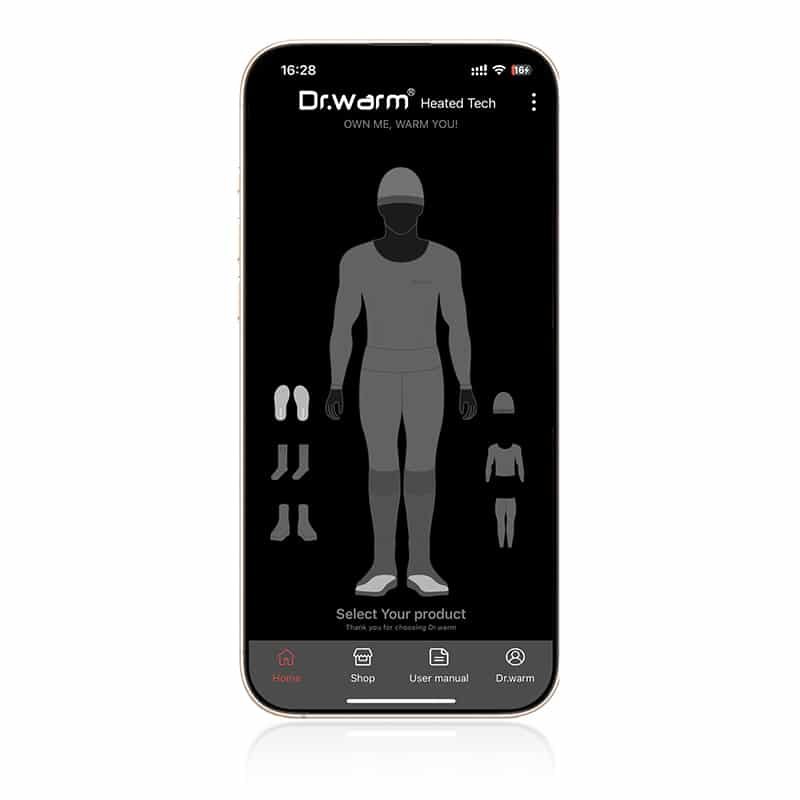
How App Control Interacts With Battery Management
The App control has a direct impact on the battery management by determining the rate of discharge and protection measures in wearables that need heating. The communication is done via the controller which balances the app commands and battery state-of-charge (SOC) monitoring to avoid over-discharge.
Aggressive application software The high-frequency use of high-heat commands and other aggressive applications may cause a battery to drain faster because it draws more current, and this may reduce battery life by half in cold environments. To counter this, software coordinated battery protection logic is needed: the app may show warnings or throttle heat intensities when SoC falls below 20 percent, and the controller cuts hardware.
This interplay highlights why heating apps affect battery life is an element to take into account in designing the system to ensure that it lasts long without compromising performance.
Battery Protection Mechanisms
Standard mechanisms are the voltage monitoring, current limiting and thermal shutdowns which respond to app inputs.
Safety Logic in App-Controlled Heated Wearables
App-controlled heated wearables include safety logic that incorporates a limit beyond which dangerous situations such as burns or parts malfunction can be prevented. This reason works on different levels: the app imposes software restrictions on the maximum temperatures the controller offers hardware redundancy.
Examples of such logic include over-temperature protection logic where thermistors are used to measure the amount of heat in the system; when it goes beyond the threshold, the system turns off the power or shuts off. When communication becomes lost, the fail-safe behavior goes into the previous safe state, or a low-power state to prevent uncontrolled heating.
For a comprehensive view, refer to over-temperature protection in app-controlled heated wearables, where the implementation strategies are described.
Common Safety Thresholds
- Max temperature: It is normally 50-60c to avoid skin irritation.
- Auto-shuts: Following the idle period.
Bluetooth Stability and App Control Reliability
Stability of the Bluetooth is important in the matter of the reliability of apps; intermittent connections may interrupt the commands given to the wearables in the case of hot wearables. Distance, interference or low battery in the mobile device often result in delayed or lost signals resulting in instability.
In case of signal interruption, the system should be set to fall back to a safe default that is, to keep the heat the same as before or to shut down in a time out to keep the users safe. This is handled by the high-quality BLE protocols, such as error correction logic and reconnection logic among engineers.
Explore bluetooth stability in app-controlled heated apparel to troubleshoot and design-best practices.
Handling Disconnects
Buffers and retries are introduced in the systems to reduce discontinues and dependability is favored in actual situations.
Why App Control Must Be Designed With Hardware, Not After
The app control should be designed together with the hardware to prevent integration failures, which will impair the functionality of hot wearables. App design should not be treated as a side-effect because it can result in mismatches, including incompatible command protocols or poor use of power, which result in unreliable products.
In manufacturing terms, such a coordinated system simplifies scaling: prototypes can be verified as a system, which minimizes the cycle and cost. OEMs test app and hardware as a system, looking at how easy they work with each other, instead of individual capabilities.
Brands should review developing app-controlled heated products the expectations, it should reconsider the development of app-controlled products.
Risks of Separate Design
- Incompatibility: Hardware-ignored app commands.
- Scaling Problems: The problems with mass production because of firmware which was not optimized.
Conclusion — App Control Is a System, Not a Feature
Only a combination of software logic, electronic control systems, battery management, and heating elements allow app control to work in heated wearables. This system integration is both safe and efficient to work with and the design process has been designed to be coordinated and not isolated user interfaces. In the case of brands and OEMs, it is essential to understand these relationships in order to implement smart heating solutions that are reliable and will work in harsh conditions.