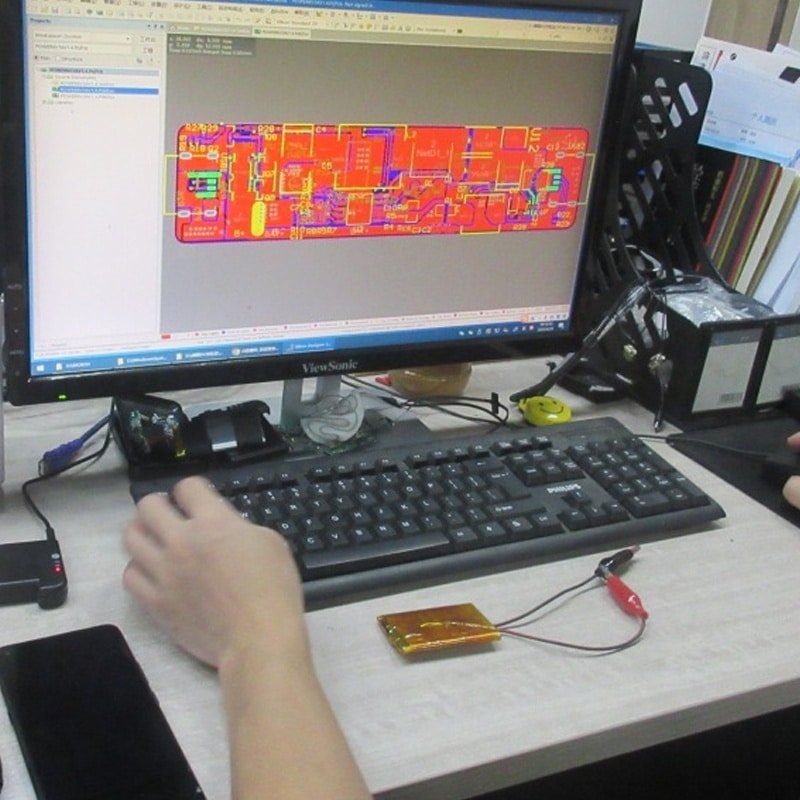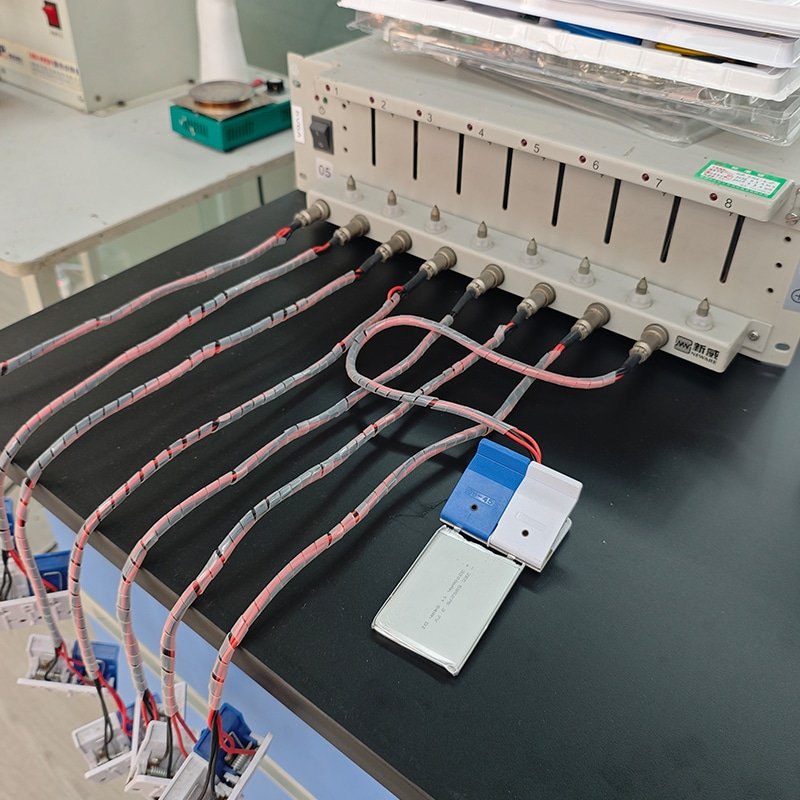

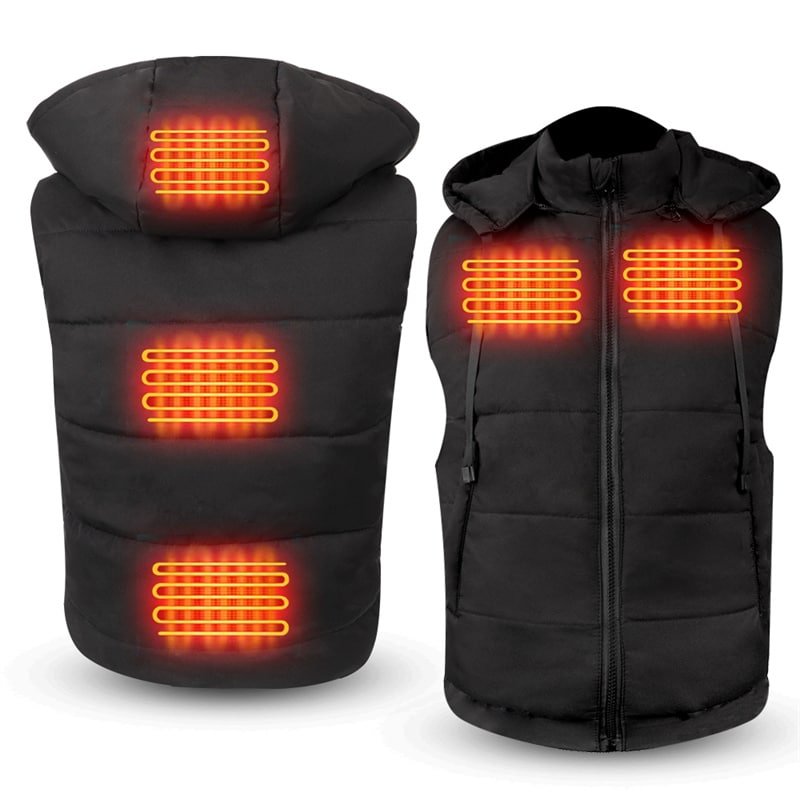
A smart heating system on heated clothes, an app-controlled heating system, is a coordinated control architecture, in which mobile software communicates with electronic controllers, batteries, and heating components, to control heat production in a safe and energy-efficient way. This system is based on hardware, and it produces and distributes the heat at the base, and the app is a user-friendly interface to issue commands. The application does not produce heat, rather it sends commands to the physical parts that carry out the heating functionality. It is a common misconception that where the software operates the heating, heating implementation is entirely software-based. The app-controlled heating system can only work when the mobile software and physical heating components are created to act as a single control system.
This explanation is necessary to prevent the misconceptions that may result in wrongful product assessments or development choices. In the case of the owners of the heated apparel brand, OEM sourcing managers, and engineers, it will be clear what the exact limits of such a system are, allowing making accurate comparisons and making correct decisions. The common mistake of taking app-controlled as a feature onto its own would be the failure to recognize the vital interaction between software and hardware which may be the difference between the safety of users and the stability of the system itself.
Defining an App-Controlled Heating System
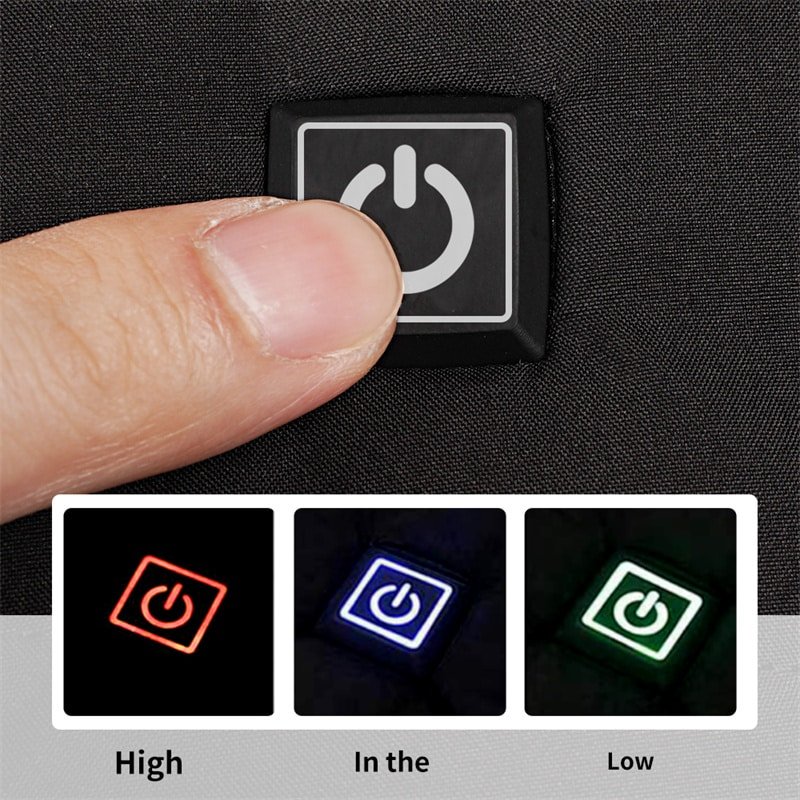
An effective app-controlled heating system needs a proper connection between software and hardware to have an accurate thermal control. Officially, an app-controlled heating system can take the form of a set of elements that make it possible to remotely control the amount of heat in wearable clothes using a mobile application. This is unlike a simple heating system that may make use of the manual switch or preset modes not subjected to a digital supervision. The labeling of the control mechanism, rather than the heating process itself, app-controlled is the way the users control the system, the conversion of the electrical power into heat in the elements is what happens to perform the heating.
As an example, the control system can be regarded as the logic and the interfaces that allow to adjust the parameters, whereas the heating system can be considered the energy conversion and supply sides. When the two are mixed, there will be confusion and thus expectations that the app will solely determine the performance without taking into consideration the hardware constraints. Practically, the focus of app-controlled is more on increased user friendliness and convenience, whereas the underlying physics of resistive heating remains unchanged.
| Element | Role in the Heating System |
| Mobile App | User interface and logic of command. |
| Controller / PCBA | Deciphers orders and controls authority. |
| Battery | Electrical power was supplied by supplies. |
| Heating Element | Converts energy into heat |
This table gives the different but interreligious roles that are clear to show that the effectiveness of the system needs all the parts to work in unison.
How App-Controlled Heating Systems Differ From Traditional Systems
The software controlled systems increase the interaction between users beyond the limits that hardware interfaces have to offer, giving it flexibility that cannot be found with traditional setups. Conventional heating systems in warm clothes utilise either button-controlled systems or preset level switches built into the garment. These may have low, middle, and high settings that can be operated through physical presses and no distance access and real-time changes. Their weaknesses consist of the impossibility to monitor the condition remotely, no programmability, and the possibility of uneven performance under the influence of the manual overrides.
Contrastingly, digitalized clothing systems that are controlled by apps allow remote control of these settings where digital controls can be adjusted by the user through smartphones without the need to touch the clothing. This includes such features as programmed heating, controls by zone, and data recording, although the fundamental heating process remains the same–heat is generated by electrical resistance between the elements. What is not provided by an app control is autonomy to hardware: it depends on strong physical parts to be executed. To compare methods of control more thoroughly, compare app-controlled heated clothing with remote control and explore app-controlled heated clothing vs remote control.
System Architecture Behind App-Controlled Heated Clothing
Good system architecture makes the commands given by the app to be predictable in terms of hardware behavior, and this is the core of any smart heating system upon heated apparel. Most interactive architectures include a communication path beginning at the mobile application that transmits commands to an embedded module inside of the garment through Bluetooth or another wireless standard. It is connected to the controller (usually a printed circuit board assembly, or PCBA) which interprets the data and sends power to the heating components depending on the commands issued.
It has such major components as the Bluetooth Low Energy (BLE) chip that provides low-power communication, controller firmware to read the signals, and feedback loops sensors. Architecture is more than the UI design of an app since the lack of integration may cause the latency, disconnections, or incorrect response, which is unacceptable in the context of the whole mobile app heating control solution. As an example, when the app transmits temperature change and the controller is not correctly calibrated, the outcome may be inconsistent heating or energy wastage.
Foundational to this is proper app design for heated wearables, which lays down the guidelines to achieve smooth hardware software interaction. Even advanced apps do not provide a consistent performance even without a good architectural base, and this explains why OEMs have to focus on system-level engineering rather than focus on superficial features.
What the App Controls—and What It Does Not
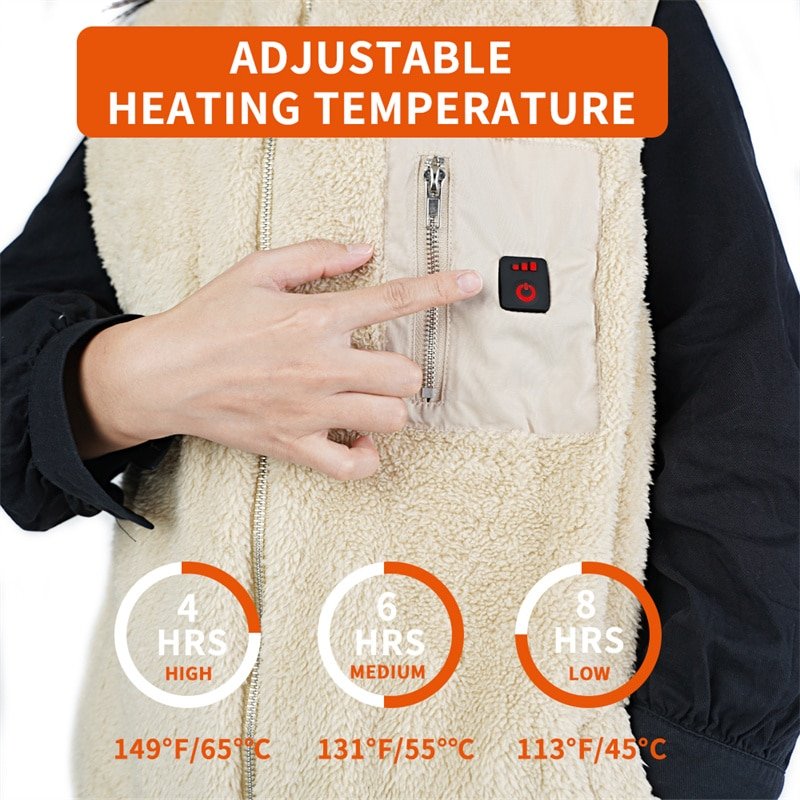
App control is restricted to parameter tuning so that fundamental physical processes are left under hardware control to guarantee reliability. The user preferences of an app-controlled heating system are mainly controlled by the mobile software, e.g. choice of heat levels (e.g. 30-50o C), timers, or setting up multiple zones in garments like jackets or vests. It is also able to track battery life and give alerts and serves as a link in the easy management of the battery.
Nevertheless, the application does not determine the inherent properties of heat production, including efficiency of energy conversion, or element material structure. These are predetermined by designing-based manufacturing. Knowledge of this boundary helps one not to rely heavily on software to get the results that require physical engineering.
| Controlled by App | Not Controlled by App |
| Temperature settings | Heating element material |
| Power levels | Heat conversion efficiency |
| Timing / presets | Garment insulation |
| Safety thresholds | Physical wiring |
This table has helped to elucidate the split by pointing out that although apps help improve usability, hardware determines the basic capabilities of the system.
Relationship Between App Control and Temperature Regulation
The control of temperature is done by commanding the app through app indirect commanding whereby the hardware helps in maintaining stability in real-life situations. The app provides instructions such as a desired temperature which are relayed to the controller which in turn modulates current through the heating elements depending on sensor response. This forms a closed-loop process in which the application triggers modifications, and control is imposed through embedded algorithms that take into consideration the ambient conditions and movement of the user.
Dynamic temperature stability, in its turn, is determined by the hardware response time, sensor accuracy, and distribution of temperature within the garment. In the case when the app requires rapid warm-up, but the battery or elements are not able to support it, the results are unsatisfactory. Such an indirect connection implies that apps do not change the physics of heat transfer but rather optimize user experience. To learn more about the mechanics, see how mobile apps control temperature in heated clothing.
Safety and Reliability in App-Controlled Heating Systems
App-controlled systems should have safety designed in a way that can enable them to maintain hardware redundancy to allow software to handle failures that are otherwise difficult to handle by software. Although the app can apply upper limits in temperature or duration, the actual safety logic is in the controller, which applies a fail-safe such as automatic shutoffs when a threshold has been reached. This involves checking on short circuiting, low battery state, or high temperature buildups, and system will have a reliable performance even in case there is a loss of connection with the app.
The use of controllers in fail-safe behavior is highly essential, as they offer external control over the app. Other methods of protection, such as over-temperature, incorporate built-in thermistors to switch off the power immediately and prevent burns or damage to garments by users. Reliability is also applied to the battery management systems which ensure no over-discharge and therefore leads to long-term reliability. In design, the importance of these factors is critical to ensure that OEMs comply.Learn about over-temperature protection in app-controlled heated wearables for detailed insights.
Why Brands Must Understand the Full Heating System Before Development
It is up to brands to risk the suboptimal products when the app features are emphasized without understanding the dynamics of the integrated heating system. Attention to app interfaces only may result in the lack of correspondence, including the inappropriateness of hardware, which results in the inability to connect with other devices or ineffective energy consumption. In the case of OEM development, it implies considering suppliers that have a holistic range of capabilities in electronics, batteries and elements and not only software integration.
System understanding implies scalability since an unsound structure might not allow updates in the future or multi-devices. It also determines adherence to standards such as the CE or UL whereby the safety requirements should be encompassed in the entire chain. Effective auditing techniques should be performed by engineers and product managers to move the app control in line with the realities of the hardware to provide cost efficient and market ready solutions.. Brands exploring this should consider developing an app-controlled heated product to navigate these considerations effectively.
Conclusion — App-Controlled Heating Is a System Definition, Not a Feature
The manner in which software, electronics, and heating components are interacting defines an app-controlled heating system in heated clothing. This integration is focused on integrative functionality rather than disconnected components, and control is improved and not complicated by the user experience. Through boundaries of the system, the stakeholders are able to evaluate performance better, reduce hazards, and attain uniform results in terms of safety and efficiency. This holistic perspective is also important to develop credible designs of heated apparel.