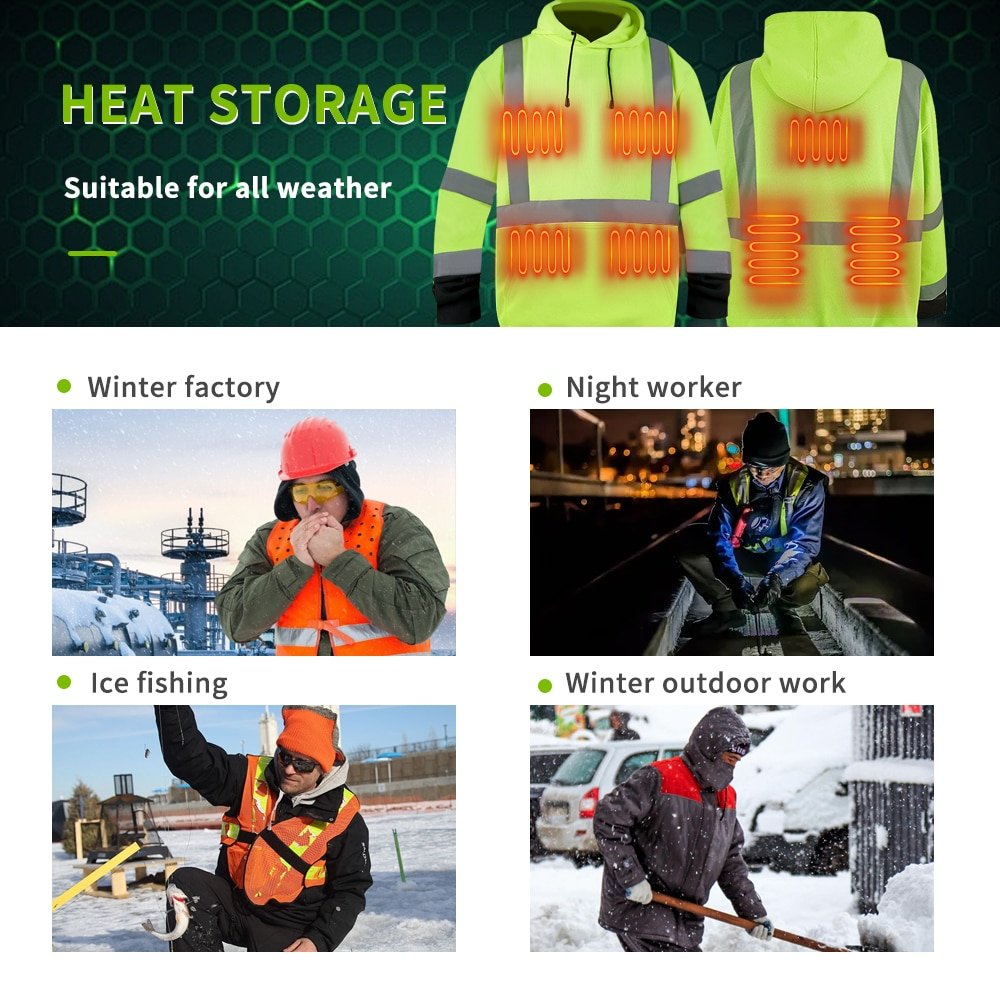

Hardware is not the sole factor in power efficiency in a piece of heated clothing, but rather the decisions made in the design of the application determine the allocation of resources, whether this can be a longer runtime or an earlier depletion. The code of application has a significant effect on the frequency and duration in which the heating is turned on, maximizing or frustrating the capacity of the system to provide long-term warmth. One of the common fallacies is that battery life only depends on the battery capacity though this is not the case as the software control decisions greatly influence the actual efficiency in real life by controlling the allocation of energy. The design of the app is one of the decisive factors of the heated clothing power efficiency as it defines the heating frequency, the time, and the level of power used within the limits of the system.
The design of the app is important to the power efficiency of heated clothing since it defines how the heating demand is ordered, scheduled and limited within the capabilities of electronic controllers and battery protection systems. Poorly written applications may be causing the hardware to work beyond the optimal settings, resulting in the increased use of energy with the same components. To the owners of the heated apparel brands and OEM engineers, this interplay is critical in the production of products that offer performance without affecting their longevity.
What “Power Efficiency” Means in Heated Clothing Systems
The essential idea behind power efficiency in heated clothing systems is to produce as much useful heat as possible with the least amount of energy input, and this is what makes the difference between raw hardware specifications and power efficiency. Efficiency unlike battery capacity only shows the potential of stored energy in terms of converting it into warmth without wastage. Efficient systems provide the same degree of comfort using less energy through intelligent use of power to avoid unnecessary wastage or inopportune use.
To clarify key concepts:
| Term | Meaning |
| Power efficiency | Heat output per unit of energy |
| Battery capacity | Stored electrical energy |
| Heating duty cycle | Active heating time ratio |
| App control logic | Software rules governing heating |
This difference is important as brands tend to invest more in large batteries to increase the duration of use, yet in the absence of efficient design on the application to help power the use of a heated wearable, the app can continue to be inefficient. An example of this is when a large capacity battery is used with inefficiently developed software it can run out more quickly than a smaller battery that is under smart management since the application determines when and how much power is required.
How App Logic Shapes Heating Duty Cycles
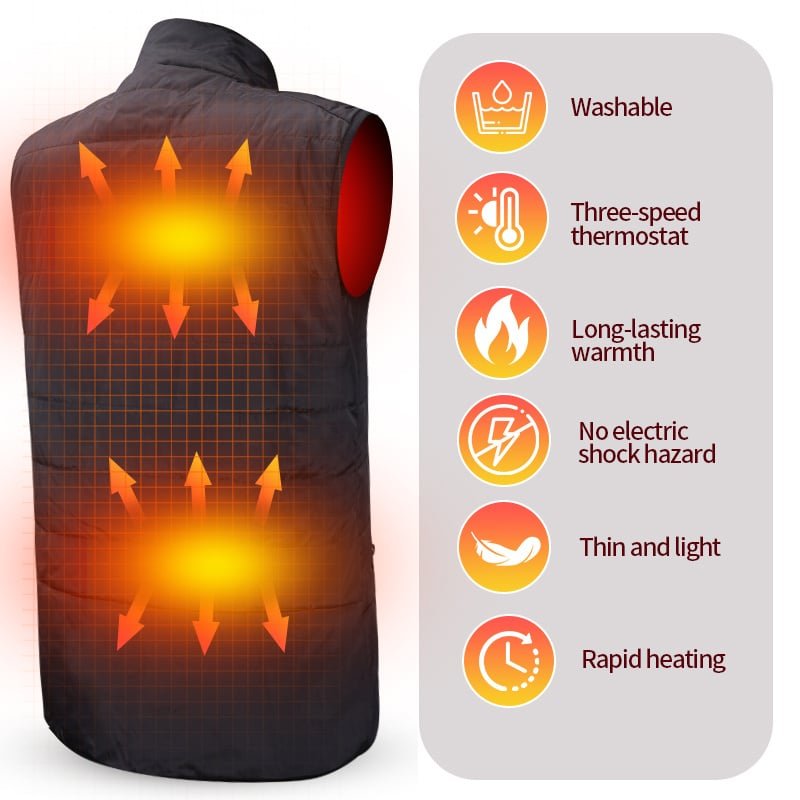
The heating duty cycles of the heated clothes are mostly influenced by app logic which decides the proportion between active heating and rest to avoid wastage of energy. The app can be modified to power on and off with optimal timing, providing the presence of timers, presets and adjustments to heat levels, so that there is always warmth but without full time draw.
On/Off Cycling Behavior
Practically, app logic establishes cycling rules as per the user instructions or environmental information. To illustrate, the app may pulse supply electricity instead of maintaining elevated temperatures to take advantage of the thermal inertia of textiles to create a sense of warmth. This will save on average power usage with the same level of comfort.
Timers, Presets, and Heat-Level Logic
Limitations on the duty cycle are provided by timers, like 30 seconds of heat every minute at medium levels, whereas profiles like low-power mode can be preset. Intensity of Heat-level logic operates dynamically, not producing peaks that overload batteries.
Why Continuous Heating Wastes Energy
Continuous heating does not consider properties of materials and the requirements by the user and results to over heating and unnecessary losses. Efficient applications include sensor feedbacks, which change the cycles to suit the real demand. For OEM engineers integrating a smart heating app control system, this means designing logic that aligns with hardware constraints to optimize runtime.
Relationship Between App Requests and Controller Power Output
The association between app requests and controller power output is predetermined by the way controllers decode and perform software requests which may serve as a defense against wasteful requests. App signals (heat level or duration) are sent to controllers, which then convert them into modulated current to be used in heating elements, although they have firmware constraints to prevent overrun.
How Controllers Interpret App Commands
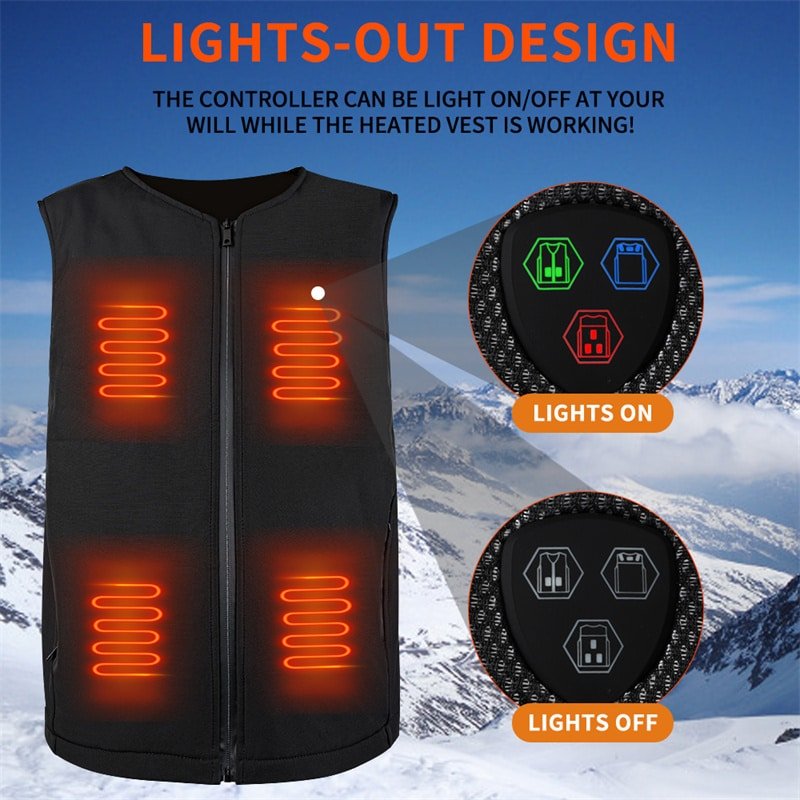
The commands sent to the app are usually through the Bluetooth or other similar protocol, with the application defining the parameters such as the desired temperature. The controller then uses pulse-width modulation (PWM) to control output by smoothing out the requests to battery capabilities. The controller can turn on slowly to prevent drops in voltage in the event the app requires sudden high power.
Why Controllers Smooth or Limit Aggressive App Requests
Sudden max heat, which constitutes an aggressive request, may lead to inefficiency when not tamed.This interplay highlights why app control in heated wearables by calibration in design, incompatible logic results in rejected instructions and squandered processing speed.
In system architecture, it implies that firmware updates must keep up with the iterations of the apps in order to make the requests practical, minimizing the inefficiencies caused by latency.
Inefficient App Design Patterns That Waste Battery Power
The patterns of inefficient design of app in heated clothing systems are usually based on the neglect of the power relationships, which leads to the development of patterns that increase the energy loss by uncontrolled demands. The problems are manifested when applications place more emphasis on user convenience in disregard of system limitations and the propagation of requests to hardware.
Excessive High-Level Heating Requests
Apps which default or often permit peak heat levels with no safety measures hasten the draining process as controllers have to maintain large current draws, charging heating batteries and shortening general life.
Poor Timing Logic
Unless smartly timed, apps can turn heating on at random, like when you are not particularly active, which results in unnecessary recurring cycles that add to the overall losses in the long run.
Lack of Adaptive Behavior
The non-adaptive applications do not use sensor information, such as ambient temperature or user motion, leading to fixed functions that lead to overcompensation and power wastage.
In order to depict pitfalls:
| App Design Issue | Efficiency Impact |
| Constant max-level requests | Rapid battery drain |
| No cycling logic | Energy waste |
| Ignoring thermal inertia | Overheating and loss |
Addressing these requires engineers to audit app design mistakes heated wearables where the logic design needs to accommodate the low power heating app design principles in the initial design.
How Efficient App Design Extends Battery Runtime
The application design can be used to extend battery life in hot clothes by adopting measures that would make heating more according to the established requirements, reducing unnecessary processes via intelligent control.
Adaptive Heating Strategies
Adaptive approaches apply algorithms to regulate the amount of heat depending on inputs such as body temperature sensors or weather conditions and consume less average draw in field experimental results than fixed settings.
User Behavior Modeling
Apps can anticipate needs: by examining usage history, they can reduce heating when one is sitting still, or maximize it during active time, without needing a user to adjust these settings by hand.
Balancing Comfort and Efficiency
The trick is to reach equilibriums, at the lowest power that is practically possible, usually by machine learning components that evolve over time. In the case of product managers, attention to heating apps energy efficiency in this situation can help sub-ordinate products in the competitive markets.
Insights from heating apps battery life show that such designs not only prolong sessions but also increase user satisfaction by preventing sudden shutdowns.
Why Power Efficiency Is a Critical OEM Design Metric
Power efficiency is an important OEM design measure of heated clothing as it has a direct effect on the viability of the product, as it affects each aspect of the product such as component choice to positioning on the shelf. To establish balanced systems, OEMs have to balance efficiency with other issues.
Battery Size vs Efficiency Trade-Offs
Smaller packs can be used to get similar runtime with efficient apps, so larger batteries can be used to add weight, and the pack size can be reduced to increase portability in outdoor applications.
Product Weight and Comfort Implications
The efficiency will minimize the size of the components required, and also it will have better wearability, which is essential in tactical or sports equipment where a large size is a limiting factor.
Certification and Safety Considerations
Effective designs simplify the standardization such as UL on battery safety because regulated power currents reduce the occurrence of thermal runaway.In the journey from app design to mass production heated wearables, an efficient use of power in heated clothes should be scaled as a priority that guarantees reliable output.
OEMs testing prototypes are advised to model actual conditions in order to measure efficiency improvements, including the app firmware at the beginning of testing to prevent redesign.
Conclusion — Efficient Heating Starts With Smart App Logic
The efficiency of heated apparel does not just rely on batteries and heating components, but the way the application logic of the app manages heating. High performance apps can assist systems in providing flak warmth with low wastage of energy. This highlights the importance of integrated app-hardware design to both brands and engineers in our efforts to ensure the software limitations do not exceed the physical ones so as to attain optimal performance without failure. Paying attention to these mechanisms, OEMs are able to come up with wearables that are superior in harsh environments, where each watt matters.