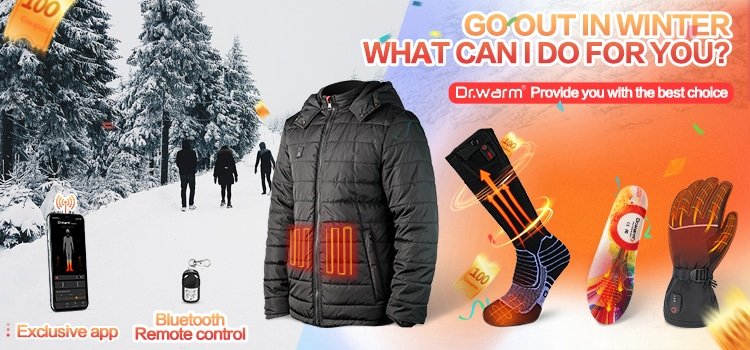

A new range of products controlled by apps bring additional dimensions of complexity way beyond mere changes in temperature through the use of a smartphone. In the case of brands that have entered this territory, however, the fact that every aspect of app control can be incorporated can turn the simplest piece of clothing into a complex ecosystem that needs close coordination. Numerous dangers, including connectivity issues, battery inefficiency, or safety lapses, are not visible early in the design process, when user complaints and returns begin to accumulate, but at the end of the product lifecycle. One of the most widespread misconceptions regarding app control is that this is more of a software option, which can be attached like a new interface. As a matter of fact, it can be found in all product areas, such as hardware integration as well as long-term maintenance. App controlled products Brands creating app controlled products which are heated products should consider the readiness of the systems to ensure that they are not prone to reliability and safety problems.
Creating an app controlled heated item will necessitate that the brands will operate the software, hardware, safety and manufacturing as one unit, not just as an added feature with the app. This is a holistic solution that makes the end product provide a uniform performance without jeopardizing the trust of the users and the functionality of the product.
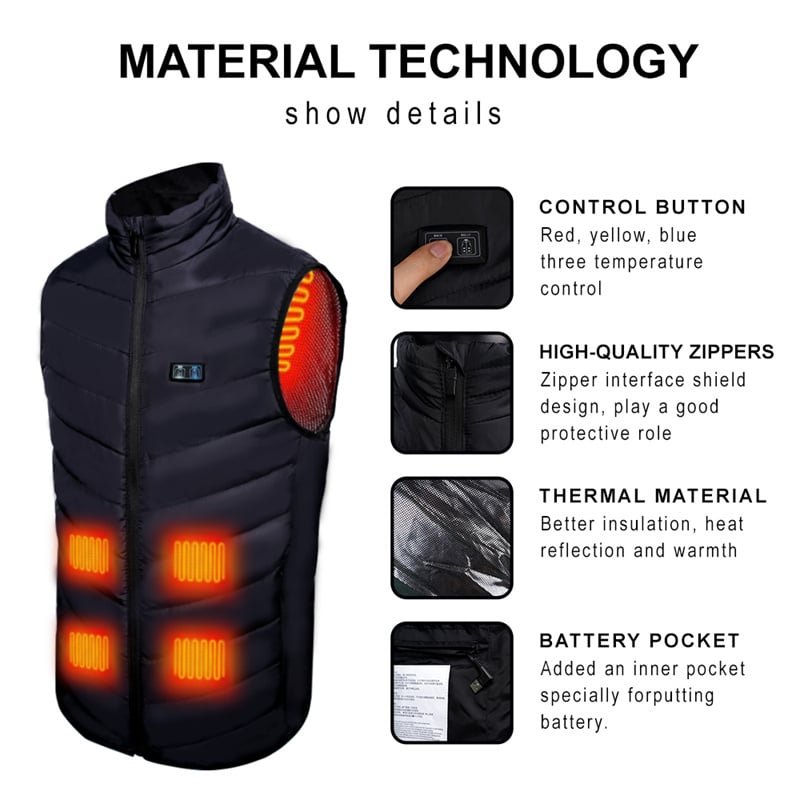
App-Controlled Heating Is a System Decision, Not a Feature Choice
Because of the nature of app-controlled heating, a system architecture is required at the beginning, with the localized decisions in one part of a product potentially triggering failures within the product. This is at its core a smooth interaction between the app, which processes user commands and visualizes the data; the controller, which processes those commands to control power; the battery, which has to be able to maintain variable demand; the heating elements, which provide specific warmth with no hotspots or inefficiencies.
When the brands see the integration of apps as a feature, then they tend to disregard the fact that the layers interdepend. To use an example, a smartphone app update may change heating settings, although, unless the equivalent firmware settings are adjusted within the controller, it may result in uneven temperatures or a short battery life. The concept of partial planning like designing the application without hardware prototyping often leads to expensive re-designs at the stages of testing when a lack of compatibility of communication protocols occurs. To avoid such risks, brands venturing into the development of app-controlled heated apparel must map these interactions at an early stage.
In order to demonstrate these interconnected duties, the connections in the following layers of the system can be considered:
| System Layer | Brand Responsibility |
| App design | User interaction & logic |
| Controller | Power & safety enforcement |
| Battery | Runtime & stability |
| Heating elements | Heat distribution |
This table indicates the importance of brands managing every layer as a unit. The omission of one, such as the belief that the app will be able to work alone to maximize battery consumption, opens up system weaknesses. To learn more about the alignment of these aspects explore our guide on heated clothing app development.
Battery and Power Expectations Brands Often Misjudge
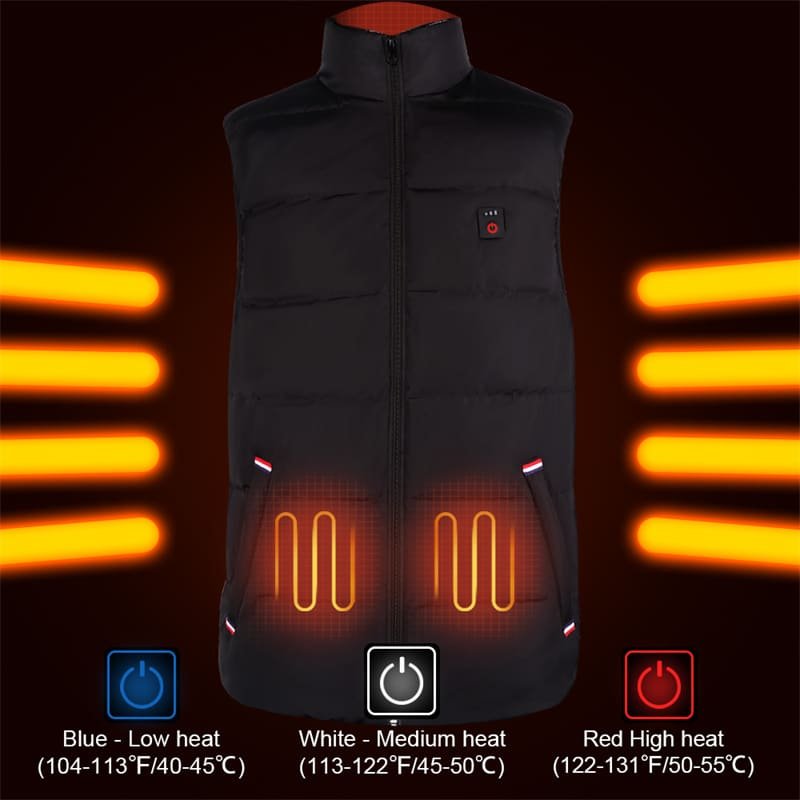
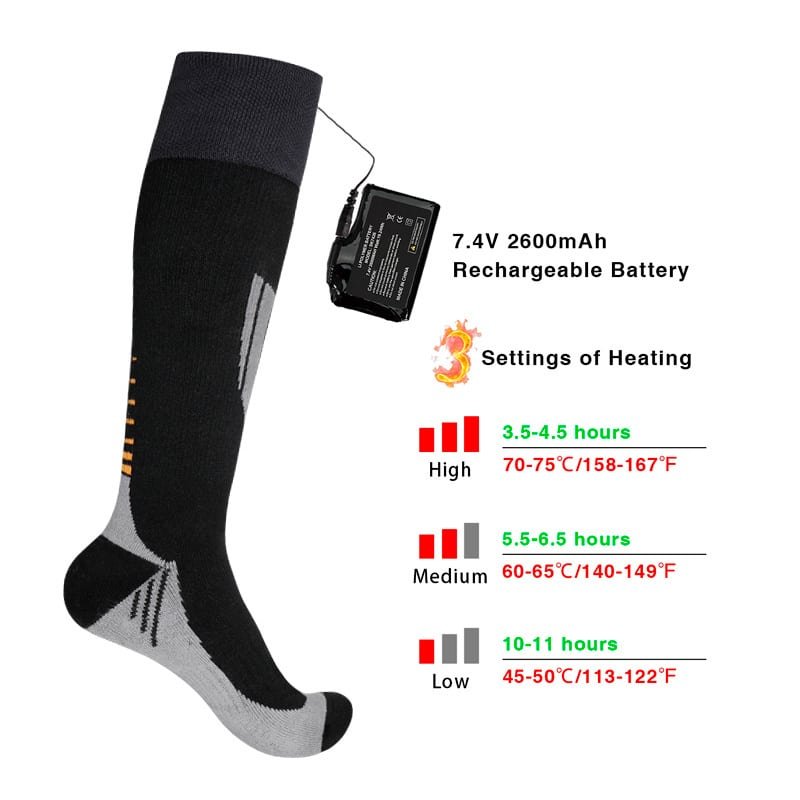
The application uses of app-controlled heating are often underestimated by brands, and people end up purchasing an underperforming product that cannot meet the power usage requirements of the user. During concept stages, it is easy to imagine that such application features as adjustable heat zones or tracking usage will change the battery life slightly. But practically, the always-on Bluetooth, data synchronization and on command changes increase power usage, usually decreasing useful runtime by 20-30% under similar loads than those with non-app models.
The actual usage cases make the situation even worse: users may switch on and off settings through the application on the go when outside, or a background task may consume power when the heating is off. Brands need to consider such variables as environmental temperatures, which influence battery chemistry, and overheads arising due to apps, such as regular connectivity checks. Inaccurately estimating them may lead to customer dissatisfaction, and reviews will mention poor battery life in spite of laboratory-tested specifications. The user simulation tests should be run early during the brand development process in cold and variable conditions and not in idealized benchmarks to align the expectations.
For a detailed analysis of these dynamics, check out our discussion on does heating app drain battery.
Understanding Runtime Assumptions
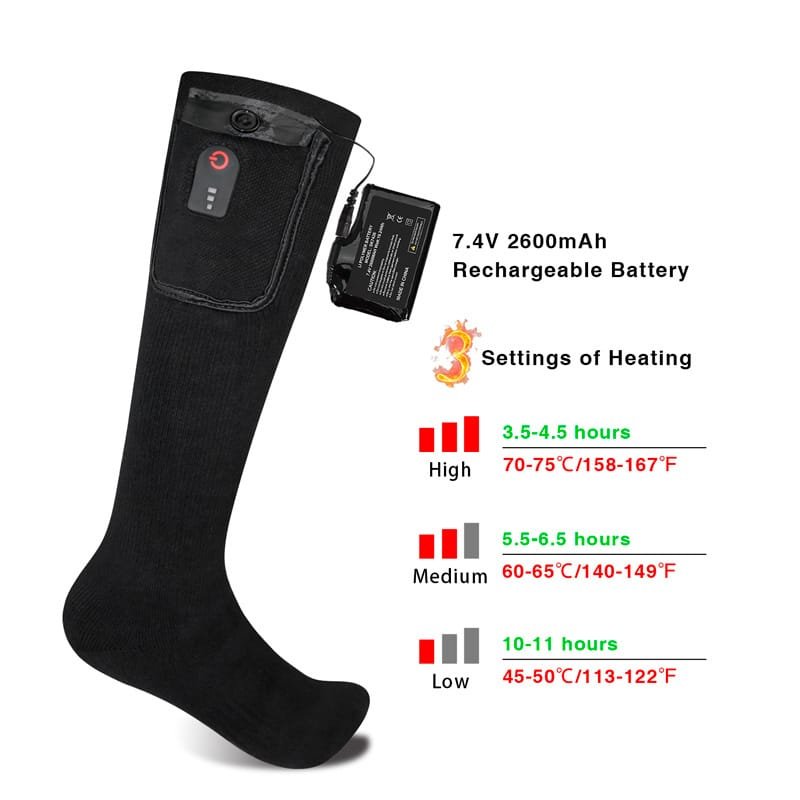
Dynamic estimates are usually based on a set of calculations that were made previously- such as a 5000mAh battery giving 4-6 hours on medium heat. However, with app control, dynamic loads are added: every user adjustment through the interface causes a wake-up of the microcontroller, draw is added. Regarding OEM aspects of heated clothing, the brand must request batteries allowing headroom with such variations, possibly lithium-polymer cell batteries with sophisticated management systems to avoid deep discharges.
Mitigating Power Drain in Design
In response, add power-saving settings such as low-energy Bluetooth settings and app-level optimization, such as batched updates. However, despite them, the brands should make realistic marketing promises that are not over-assertive and result in returns. This is paramount when designing heating products which are controlled by apps, where the key to continuing being used is the ability to align the performance shown with real-life situations.
Safety Responsibility Cannot Be Delegated to the App
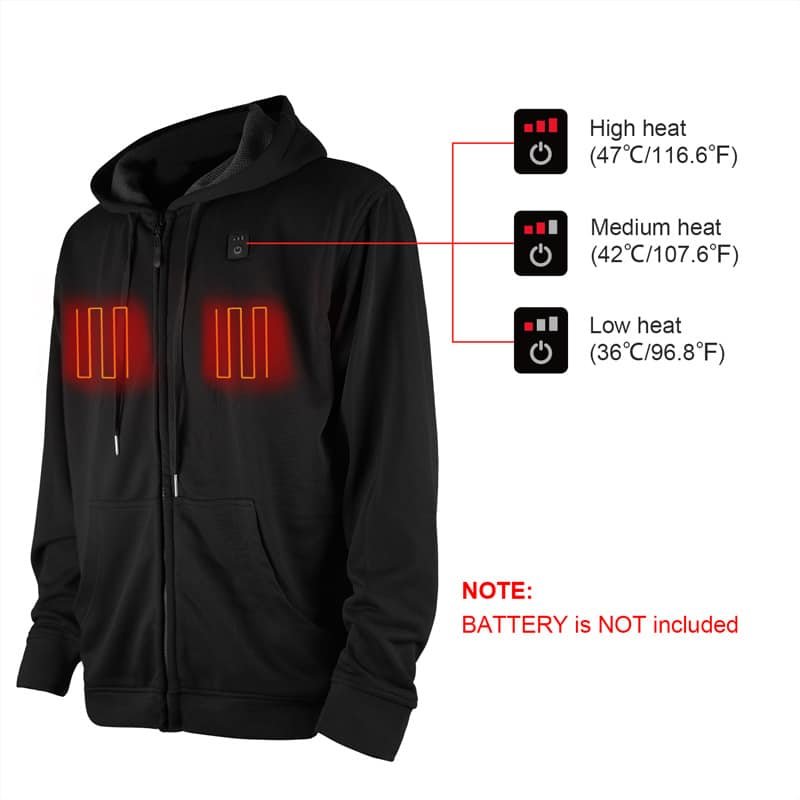
The safety of the product controlled with apps should be ensured on a hardware level because the use of software is not sufficient to provide brands with acceptable risks. Applications may offer user warnings or interface lockouts, however the important safeguards such as over-temperature and short-circuit cannot be imposed via applications, instead they need to be employed as hardwired components of the controller and heating components in order to operate effectively when disconnected.
One of the assumptions that brands have made is that app-based monitoring would be good enough when it comes to safety, yet they have not taken into account situations where the app is disconnected, broken, or interfered with. To illustrate, when a user takes the control of the heat settings through the app, hardware protection needs to step in and ensure that temperatures do not exceed safe levels, usually 50-60 o C when dealing with skin contact. Putting excessive responsibility on the app transfers the liability to brands, particularly in regulatory settings where the compliance requirements involve fail-safe measures. It is one of the central features of the brand guide to smart heated clothes which focuses on redundant systems to safeguard the software glitches.
Explore more on implementing these protections in our article about overheating protection in heated clothing apps.
Hardware-Enforced Safety Layers
A thermal fuse in heating pads and a battery management IC which checks the voltage and current are considered core safety features. These work independently, so that the product does not suffer in case the app is offline. OEM specs should require these brands to prevent recalling new brands after the launch.
App’s Supporting Role
Although apps contribute to safety by adding such functions as usage history or remote diagnostics, they act as additions. Excessive dependence may result in weaknesses, including slowness in poor signal coverage, which highlights the importance of focusing on a layered solution.
Bluetooth Control Adds Convenience and Reliability Trade-Offs
Bluetooth connectivity in heated products provides convenience in its use, yet the reliability issues that it brings about are something that brands have to consider against convenience. They desire smooth connection and immediate response but the environment can lead to drop dissatisfaction, such as cold weather, which hardens device antennas or close proximity with other devices, so they will have unpleasant experiences in time of need, such as skiing or working outside.
The expectations of connectivity frequently surpass the reality: although the use of Bluetooth Low Energy (BLE) is low-power, the technology faces range constraints (usually 10-30 meters) and signal attenuation in clothes or in wet environments. These trade-offs require brands to design, maybe with fallback manual controls, but this complicates the design. Development of app-controlled heated apparel In the case of the development of the application-controlled heated apparel, one has to anticipate the user frustration of the unstable connections that would destroy the reputation of the brand.
We have an insight into unstable bluetooth in heated wearables which can be used to unstable bluetooth in heated wearables.
Managing Connectivity Expectations
Provide specifications in the specs of products, such as recommending optimal spacing between devices, and test under various conditions to estimate fall rates.
Balancing Trade-Offs
Additional conveniences like the auto-reconnect should not sacrifice the essential reliability. The brands are advised to focus on strong protocols that warrant uninterrupted heating in cases of short term disconnection.
Manufacturing and OEM Coordination Challenges
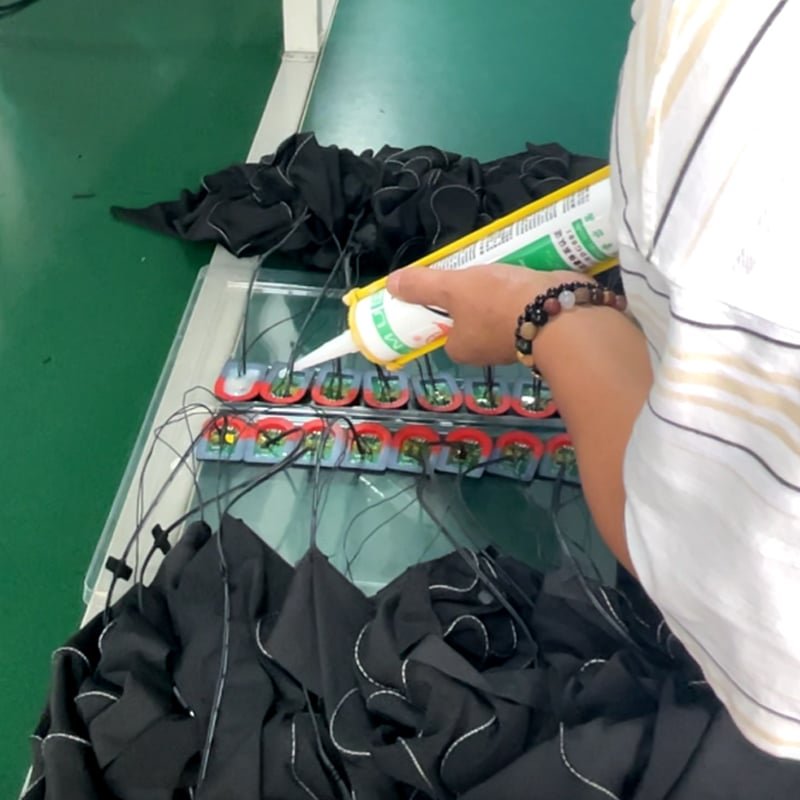
The successful production of app-controlled heated products requires close integration amongst app developers, firmware engineers and assemblers of hardware where any misalignment may slow down the launch or blow out expenditures. Since the beginning, app-firmware-hardware compatibility must be aligned to versions, where a change in an app may require a reprogram of a controller, which will have to be tested repeatedly on prototypes.
Testing is also not limited to functionality but it also covers endurance cycles where a product is subjected to simulated interactions of the applications in temperature chambers. Version control is a significant concern, with software being incompatible with each other, software can result in certification being nullified or failure in the field. Companies that consider OEM partners should not ignore their capacity to do this integrated workflow, but instead not have suppliers who are only hardware-related.
This coordination is used in heated clothing app OEM where there will be scalability between mass production and prototypes without dips in quality.
Learn about the full journey in our overview of the smart heated wearables manufacturing process.
Alignment in Practice
Make OEMs deliver built-in roadmaps, including app APIs to hardware interfaces, to simplify iterations.
Testing and Iteration
Stringent procedures such as over-the-air update simulations are used to detect bugs at an earlier stage thus trimming down on post-production fixes.
Key Questions Brands Should Answer Before Development
Brands need to critically assess their assumptions to develop the app-controlled heated products based on the market conditions before proceeding with it. This will include investigating target user behavior – are they seeking customization of apps or just reliability? There should be grounding of runtime expectations: what heat time should users require under real-world conditions including app overhead? The responsibility of safety ownership cannot be negotiated: who will be held liable in case the app commands cause any problems? Lastly, post-launch support readiness helps in the provision of continuous updates of the firmware and customer support.
To steer this, the following decision checklist would be used:
| Question | Why It Matters |
| Who controls heating? | Safety & usability |
| Expected runtime? | Battery sizing |
| App failure behavior? | Reliability |
| OEM capability? | Scalability |
Addressing these early prevents pivots that escalate costs and timelines.
Defining User Behavior
Discussing them at this early stage avoids the cost ballooning and time-scale stretching.
Assessing Support Readiness
Know whether the users are going to be power users of the app or just want to set it and forget it, and how that affects design priorities.
Conclusion — Preparation Determines Success More Than Features
The App-controlled heated products win when brands view the design of the app, hardware safety, battery conduct, and production preparedness as one system. Getting the questions right at the inception would assist the brands in not having to make expensive adjustments but provide the market with trusted version of the products in the form of heated wearables. The trick of thinking on a system level early on will help the brands go through complexities without stumbling because products will fulfill their needs without any surprises. This cross-discipline awareness-based preparation is the ultimate determinant of sustainability rather than superficial features.
Frequently Asked Questions
How much time does app control add to a programme?
More than the app store review suggests. The build is the short part; the long part is proving the firmware and the app behave together across handsets, and re-testing after each phone platform release. Programme plans that treat the app as a late add-on always finish the hardware first and ship the software late.
Who should own the app and the firmware?
You should, in code and in keys. Whoever holds the repository and the signing certificates controls the product’s future — every fix, every compatibility update, every transfer to a new supplier. Source escrow and an explicit ownership clause cost little now and decide whether year-three support is possible at all.
How should the support cost of an app be priced in?
As a yearly line item, not a one-off development fee. Phones update, app-store rules change, and a product that cannot be updated becomes a product with a bad reputation. A simple rule: if you cannot fund the maintenance for the life of the warranty, do not put the app in the sales argument.
Can app control be added to an existing platform later?
Only if the controller was designed with a spare interface and a documented protocol. Retrofitting a radio to a board that has neither means a new layout and a new compliance round — which is why the decision belongs at the architecture stage, before the garment pattern is finalised.