

The size of battery and shape are not packaging considerations in heated clothing: these are fundamental design parameters that determine the comfort, usability and product acceptability. Under extreme conditions when customers complain of the inconvenience with warm clothes, typically, it is the fabrics or garment construction. However, the positioning, the thickness and the rigidity of the battery are often the main factors that control the experience of wearing it by human engineering perspective. One of the myths about brands is that the solution to such problems is to pad or make slight modifications but in the case of this battery, the cause of the problem is usually the size and shape of the battery. In garments with heating capabilities, the comfort of the user depends not only on the shape of the battery but also on the shape of the garment. Such oversight may meet an in-depth effect on user fatigue or limited mobility, and, eventually, reduce the levels of product acceptance among consumers concerned with all-day wearability.
Based on years of wearable heating systems prototyping and testing, one can easily realize that optimization of the form of the battery early in the design cycle is necessary. Batteries should not be seen by engineers and designers as secondary additions to the human-garment interface, but rather as a component of it. The paper discusses the relationship between battery sizes and heated clothing effectiveness in detail, providing insights based on the feedback of real-world users and system level limitations.
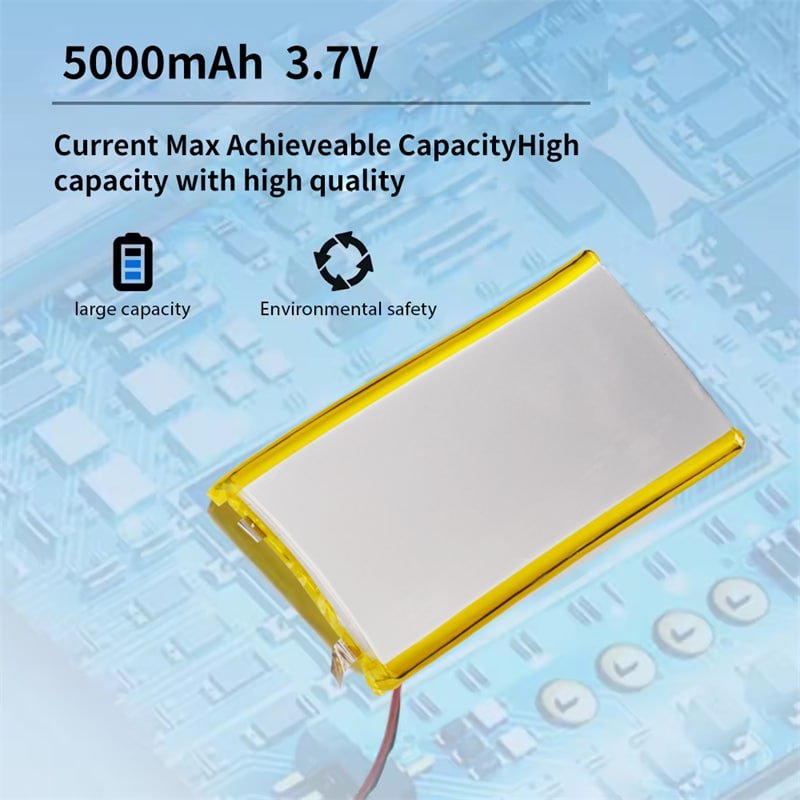
Why Battery Form Factor Matters in Wearable Heated Apparel
The most crucial element of the success of the wearable heated apparel is the battery form factor, since it will provide the technology with the distance between the electrical backbone and human-friendly wear. Compared to the hardened handheld devices, heating garments are in constant dynamic contact with the body as one moves, so that even minor changes of battery size or shape are easily noticed. An example of this is the fact that a very large battery can be too large to conform to the natural fall of a jacket and a stiff kind will result in chafing as a result of the consistent movements of walking or biking.
Key Differences from Non-Wearable Electronics
In normal electronics, batteries are commonly enclosed in a non-portable mode where there is little interaction with the user. However, the batteries required by heated clothing must fit body shapes devoid of inhibiting movement. Incremental additions to the thickness – say, 5mm to 10mm – have the potential to add pressure to such vulnerable sites as the lower back or wrists and will cause discomfort within only an hour of use.
The Role of Continuous Body Contact
Excessive weight and edges in contact with a battery aggravate the problems with the issue of comfort in the warm clothes. Human-factors testing also shows that flexibles can be perceived as rigid worse in the hands of their user due to the increased sense-feedback regarding the idea of soft and hard substrate (weave).
Implications for Design Teams
For OEMs and designers seeking design-oriented battery solutions for heated apparel, particularly in heated apparel, focus on form factor early will eliminate expensive redesigns. This way, the battery will improve and not affect the entire system negatively.
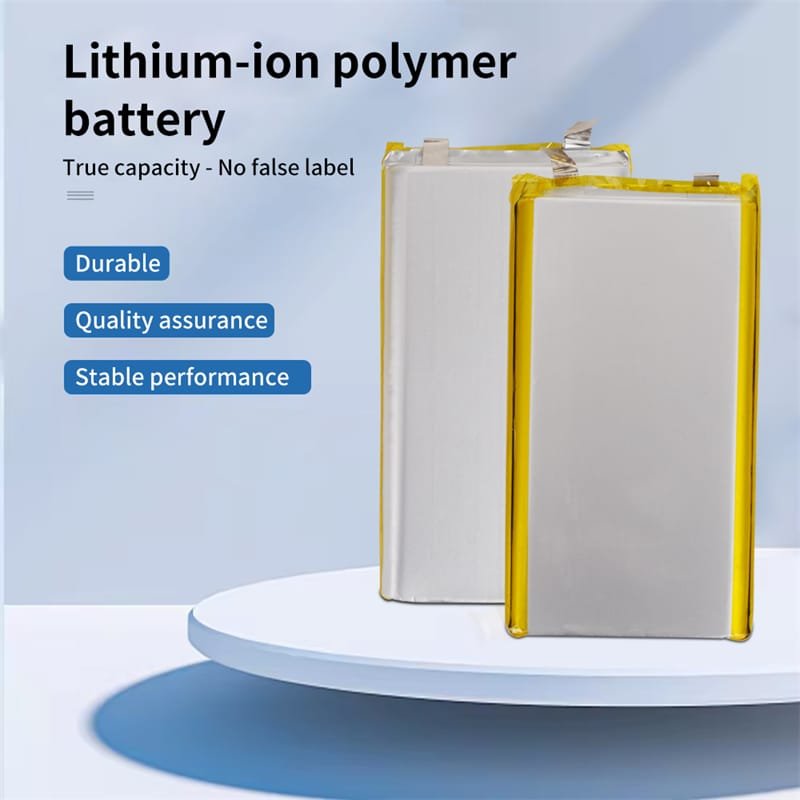
Battery Size, Weight, and Pressure Distribution
Bigger battery sizes always come with other weight issues that destabilize the distribution of pressure and extendability comfort in heated apparel. Lack of balancing in battery mass results in localized points of pressure which users refer to as digging in or unbalanced which can make the battery mass very tiring with ageing usage.
Understanding Pressure Points from Battery Weight
A battery pack of 5000mAh when placed as a centralized pack in a heated jacket in excess of 200 grams can have an uneven force against the spine when sitting down simulating the pain of a ill-fitting backpack. Human-factors research indicates that these points enhance the rapidity of muscle strain, especially when hiking or working on constructions.
Impact on Long-Term Wear Fatigue
Distributed weight- is obtained by use of smaller and separated batteries to reduce fatigue as the weight is distributed across larger regions. In the case of heated gloves, a small battery of 2000mAh size reduces the wrist tension, but a larger one will move the balance, which will force the user to change his grip in an unusually unnatural way in the long run.
Centralized vs. Distributed Weight Strategies
With heated pants, it is possible to stabilize the garment by having bulk at the waist but at the cost of being uncomfortable at the time of bending over. Field testing actually revealed by real users that distributed designs much like using modular packs along the thighs make the pack feel less heavy by 20-30 percent, further increasing the stamina needed to wear the pack all day long.
Battery Shape and Its Impact on Mobility and Fit
The shape of the battery also means the level of amount fitted to the body in terms of natural body movements as rigid forms of battery shape engages very poorly with the demands of ergonomics. Rectangular packs are effective to produce packs but limit flexion points, making a flexible garment a hard one.
Rigid vs. Contoured Designs
Flat, hard battery in heated gloves may have problem with the movement of fingers, where prototypes have recorded that it is less dexterous. Formed into shapes, eyed in accordance with the curves of the hands, without deteriorating the power.
Interference with Daily Activities
Boxy battery at the hem can also cause bunching fabric at the hem when resting on the motorcycle hence resulting in chafing in a hot jacket. Comfort heating clothes require battery places shaped to follow the seam of garments to prevent these disturbances.
Pocket Placement and Garment Aesthetics
The shape also determines how a vest pocket is integrated; long, slim batteries can provide smoother lines in the vests, and bulky batteries will create bulky pockets which will change the fit. Designers should consider the effects of the battery shape upon the garment design early in order to retain a purpose and a shape.
To gain an idea on new alternatives, explore custom-shaped battery design trends that address these mobility constraints.
How Battery Shape Influences Industrial Design Freedom
Battery shape determines scopes of industrial design in thermostatic garment when monumental shapes restrict the inventiveness, and slimmer shapes broaden a wide range of prospects. Rectangular conveyor areas that are regular and fixed tend to restrict the design of garments and compel the designer to compromise aesthetics and comfort.
Constraints from Bulky Batteries
Heated socks come in a squarish, thick pack that is a limiting factor to the ankle, as it can only be designed to fit in a large boot shaped, but not slim sports shoes. This is inflexibility that can make teams stuck in traditional designs, which smothers creativity.
Unlocking Freedom with Slimmer Shapes
Individually shaped, or custom made shapes, such as curved lithium-polymer cells, can be made to provide smoother contours in underwear or leggings, with no visible swell. Minimalist designs are preferred by premium markets, and here wearable battery form factor optimization opens the field before them.
Trade-Offs in Standardization vs. Tailoring
Whereas uniform packs accelerate the manufacture process, custom-made shapes require extra engineering effort though with high fit. The user feedback loops indicate that investing in custom forms brings down returns on form of complaints of discomfort.
Comfort Complaints Often Trace Back to System Matching
Most of the complaints that have seen a rise in the heated apparel industry are the result of incompatibility of battery and heating systems, rather than individual defective components. Oversized batteries to the heating areas may overheat or swell unnecessarily and this will indirectly lead to unsatisfaction among the people using that battery.
Indirect Blame on Batteries
The users may mention hot spots (or heaviness), however, root-cause analysis usually shows the lack of proper integration between battery output and wiring efficiency.
Interactions with Heating Zones and Wiring
In jackets, a incompatible battery may need heavier wires, which introduce rigidity which increases discomfort when one is moving their arms.
Holistic Planning for Better Outcomes
System-level techniques guarantee compatibility drawing from system-level heating and battery matching to preempt issues.
Engineering Trade-Offs Between Capacity and Wearability
Trade-offs in engineering compel designers to make trade-offs between the capacity of the battery and its portability because high energy density tends to be larger and more rigid. The comfort that is offered by heated apparel can be compromised in case proponents push it to the limits without thought of its shape.
Capacity’s Link to Size Increases
A 10000mAh battery can possibly raise the heat by a few hours at the expense of doubling the thickness and making a lightweight vest an extra burdensome.
Balancing Runtime and Comfort
Human-factors measurements indicate the best tradeoffs in the 3000-5000mAh range in most clothing lineups, with most garments being able to run their full capacity to fulfill daily needs without undue bulkiness.
Why Bigger Isn’t Always Better
Extra-large battery will increase the fatigue in dynamic applications; rather, look at efficient systems. To follow, consider choosing appropriate battery capacity tailored to specific apparel types.
Additionally, broader battery system engineering considerations can inform these decisions.
Design Guidelines for Comfortable Battery Integration
The smartness of the battery integration into heated clothing is based on the ergonomic principles that underlie low impact location and distribution of loads with the garment configurations. The placement must be aimed to the zones that have little movement, to decrease sensory interference.
Strategic Placement in Low-Movement Areas
The use of jackets with positioning batteries on the back or hips of the body uses the stable parts of body parts and reduces the movement during the activity.
Mitigating Hard Edges and Rigidity
The curved edges and pliable casings facilitate skin non-irritation with brush types recording less incidences of chafing in polished models.
Leveraging Garment Structure for Load Distribution
Reinforced panels or harness like reinforcements are used to distribute weight converting possible areas of pressure to equal weight support.
These are developed under the premise of trial and error so that the design of the apparel battery is in line with human anatomy, when heated.
Conclusion — Comfort Is Designed, Not Added
The comfort in heated apparel comes not as an after-thought but through pre-planned choices on battery size, shape, and position. The designers have been able to design systems that the user can wear without any challenges because of fatigue and limitations through consideration of battery form factor as a first-order variable. This is a system-level thinking, which is based on human-factors understandings, and is the actual success of the product in the competitive markets.