

Comfort is the number one consideration among users when it comes to a hot piece of wearables such as a jacket, gloves, a vest, socks, or a sole. Individuals invest in such products so that they can remain warm when skiing, working outdoors, commuting in the winter or parts of the winter and they do not feel too hot or too cold or experience uneven heating. Since temperature is controlled poorly, there are frequent frustrations, such as one side being very hot and the other cold, temperature surges, or battery life is spent in a few minutes.
Here all the difference is made by temperature control circuits. These advanced electronics are far much better than the on and off switches, with the intelligent designing, where constant and precise heats are used according to the usage and the surrounding of the user. At Dr. Warm, a company specializing in electric wearable heating apparel after more than 20 years of manufacturing experience, we have witnessed the effects that a high-quality circuit can have in turning a good piece of heated clothing into one that customers have made a favorite. Here, we are going to understand how exactly these circuits can make apparel optimization on hot gear more comfortable providing users with the reliability of warmth that many modern users require.
Why Comfort Depends on Temperature Control Accuracy
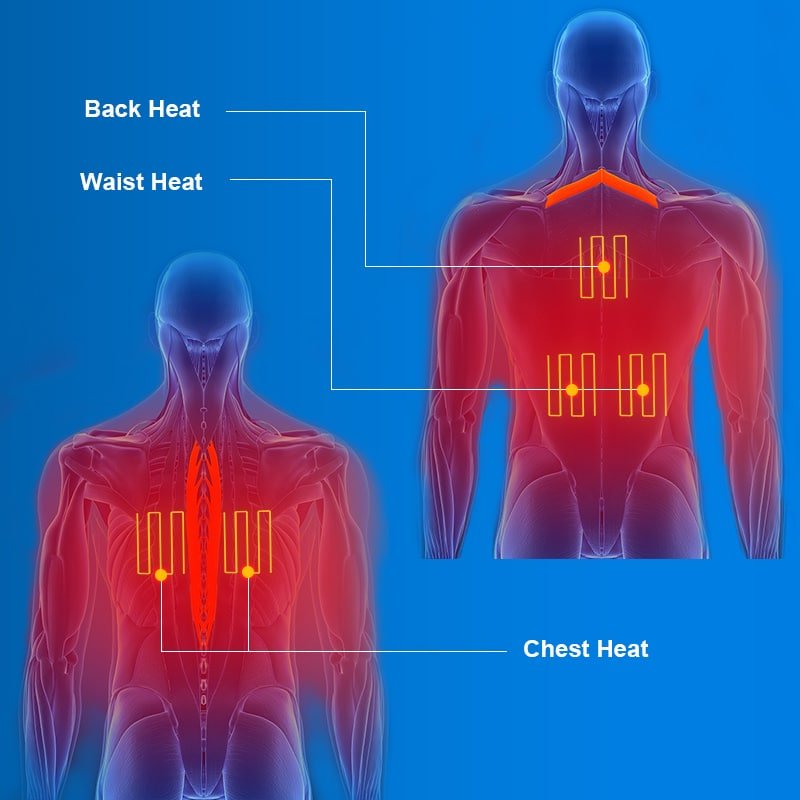
The skin of a human being is extremely sensitive to temperature it is subject to even small fluctuations of few degrees. Uneven distribution of heat in hot wearables places hot spots on the user, which may be burning or irritating, and cold spots, which may leave the user chilled when the product is on.
Unprecise or naive circuit modeling is usually based on a toggling of fixed power levels between fixed points, resulting in temperature variations. One case in point is that without strict regulation, heating components will elevate the temperature excessively when there is no movement or wind exposure (sweating and inconvenience) or reduce the temperature to too low when there is motion or no wind. This rollercoaster effect will decrease the overall satisfaction and even discourage users to utilize it again.
The solution to these problems is in the high-tech temperature control of heating garments. With its emphasis on accuracy, modern circuits offer even warmth to the body, matching perfectly with real-world effects such as movement of the body, changes in ambient temperature or undergarment changes. The result? An atmosphere in which he or she feels at ease all the time and not coerced into.
How Smart Heating Circuits Maintain Stable Warmth
Smart heating control systems offer constant heating output unlike the conventional on/off heating that delivers fixed bursts of heat, which depends on complex, advanced electronics. This is what makes wearables really comfortable in the heated wear.
Central here is dynamic power circuit design which is used to vary the power delivery in real time. Rather than the sudden changes, the system keeps the temperature very even so that the mountain tops and saddles that result in discomfort do not occur. To the brands and engineers interested in setting their products apart, it is crucial to invest in high-quality smart heating circuit design of wearables, investing in superior smart heating circuit design for wearables is essential—it enables reliable performance that users notice and appreciate.
Temperature Sensors and Real-Time Feedback Control
Real time temperature control using sensors which are usually NTC (Negative Temperature Coefficient) thermistors is one of the most effective capabilities in contemporary heated apparel. They are highly sensitive components that provide the resistance which decreases with increase in temperature and data is sent back to the controller with accuracy.
It would form a closed-loop feedback mechanism: the sensor identifies variations (from body heat, activity, or external cold), and the circuit immediately responds by changes in power to the heating elements: carbon fiber wires or flexibility films. The outcome is quick correction of any variance keeping your set temperature with very little variance.
In active sports such as skiing or hiking, the conditions vary rapidly, and therefore to keep the warmth consistently comfortable without any hand control,this temperature feedback control in heated clothing ensures warmth stays even and comfortable without manual intervention. It is a game changer on the experience of users and makes the product appear truly smart.
Comfort Customization Through Advanced Controller Design
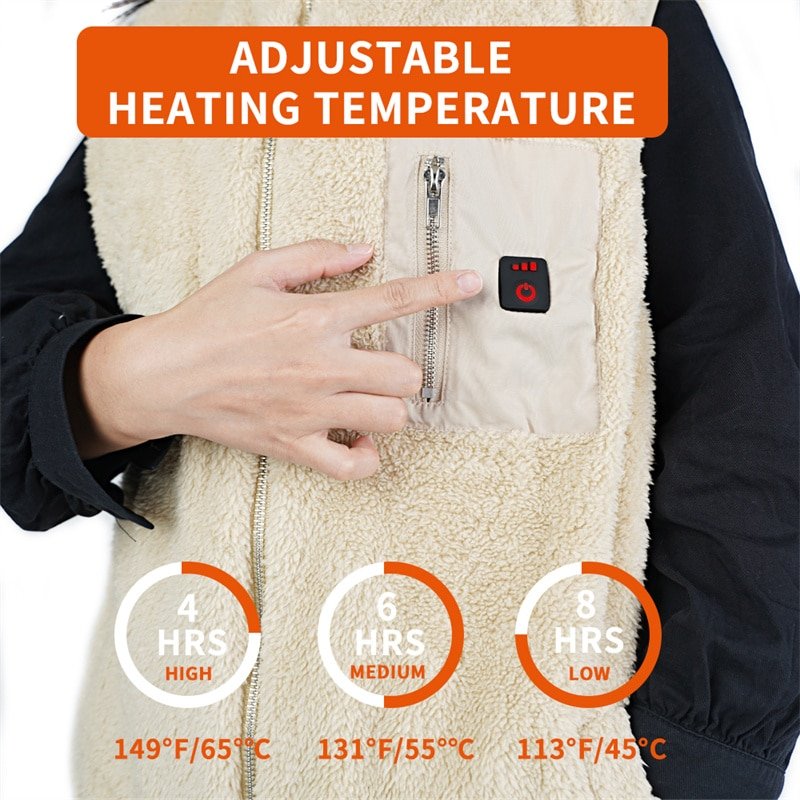
Modern consumers are demanding personalization. More complex controllers permit a wide variety of levels of heat (usually 3–5+), can fade in and out between setting levels, and may even support application integration so that their operation can be finely tuned.
This high degree of customization is through highly developed printed circuit board assemblies (PCBAs) which accommodate variable voltage/current control, programmed modes and easy to use interfaces. The system provides mild warmth when you are about to go to work daily or intense heat when you are going to the extreme cold season without experiencing jolting effects.
In case of OEM / ODM partners, custom controller PCBA for heated apparel opens the door to branded features that stand out in competitive markets, giving end-users the personalized thermal comfort they crave.
Balancing Comfort, Safety, and Power Efficiency
A lot of comfort is impossible at the expense of comfort and functionality. High-tech temperature controllers Provided on more advanced temperature controllers include important safety features such as over-temperature shutoffs, which allow electrical burns or others to do no harm were something to go wrong. The control of stable currents eliminates hot areas, and the effective use of power increases battery life, which is essential in the usage of the gadgets throughout the day either in the work or the outdoor environment.
All these features are interdependent: accurate control leads to less energy waste, making the system cooler generally and leaving the rechargeable lithium batteries with much less stress. The brands attain the optimal position through best practices.
This is why PCBA design best practices for heated wearables have placed safety in the same regard with performance ensuring the products is not only comfortable but also reliable and long lasting.
Conclusion
The whole idea of wearing something warm is not a serendipitous accident of the product but a carefully designed feature, implemented as time-sensitive temperature regulation circuits. Elimination of uneven heating, allowing real-time adjustments, customization features, and built-in safety features, among others, are ways of how these systems contribute to the overall user experience.
To brands, distributors and product developers, smart PCBA design must leave features aside and it should be treated as a competitive advantage that creates trust and loyalty. In Dr. Warm, the R&D team has been busy developing these high-performance solutions that can enable partners to provide the real solution to heat customers in the cold experience and ensure safety and comfort of any cold setting. Are you prepared to maximize your next inventory? Discover what our PCB can do.