
November 7, 2025

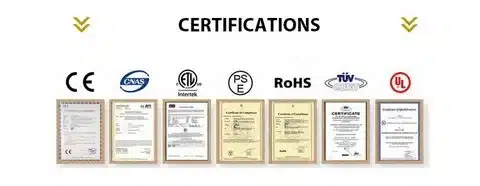
Various safety certifications for heated apparel including CE, RoHS, UL, TUV, and PSE, displayed with example certificates for compliance verification.
Uncategorized

What Certifications Do You Need for Heated Apparel? CE, FCC, RoHS Explained

Heated apparel requires certifications like CE, FCC, RoHS, UN38.3, and IPX ratings to address electrical safety, chemical restrictions, and battery hazards. Each standard ensures products meet global regulations, preventing issues like overheating or customs blocks. This guide explains what they cover and how they facilitate entry into markets like Europe and the US, helping manufacturers and brands prioritize compliance for reliable, safe gear.
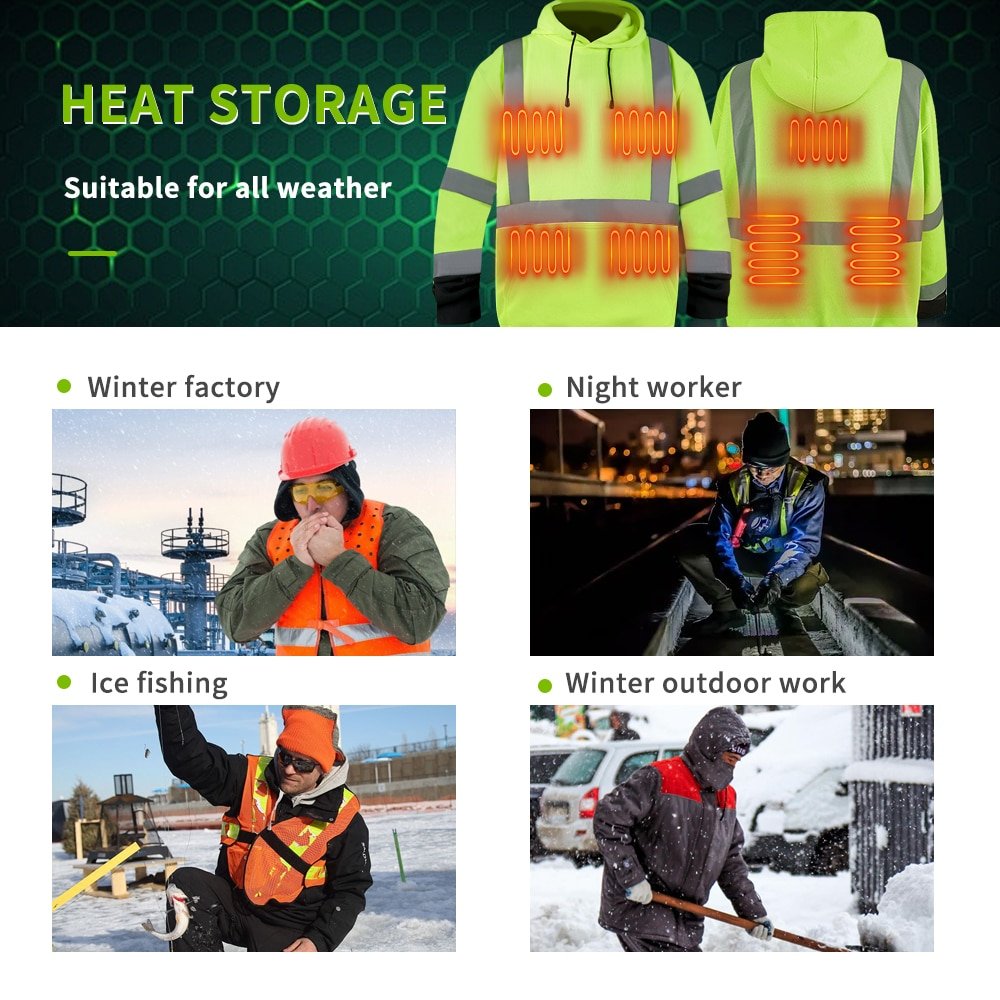
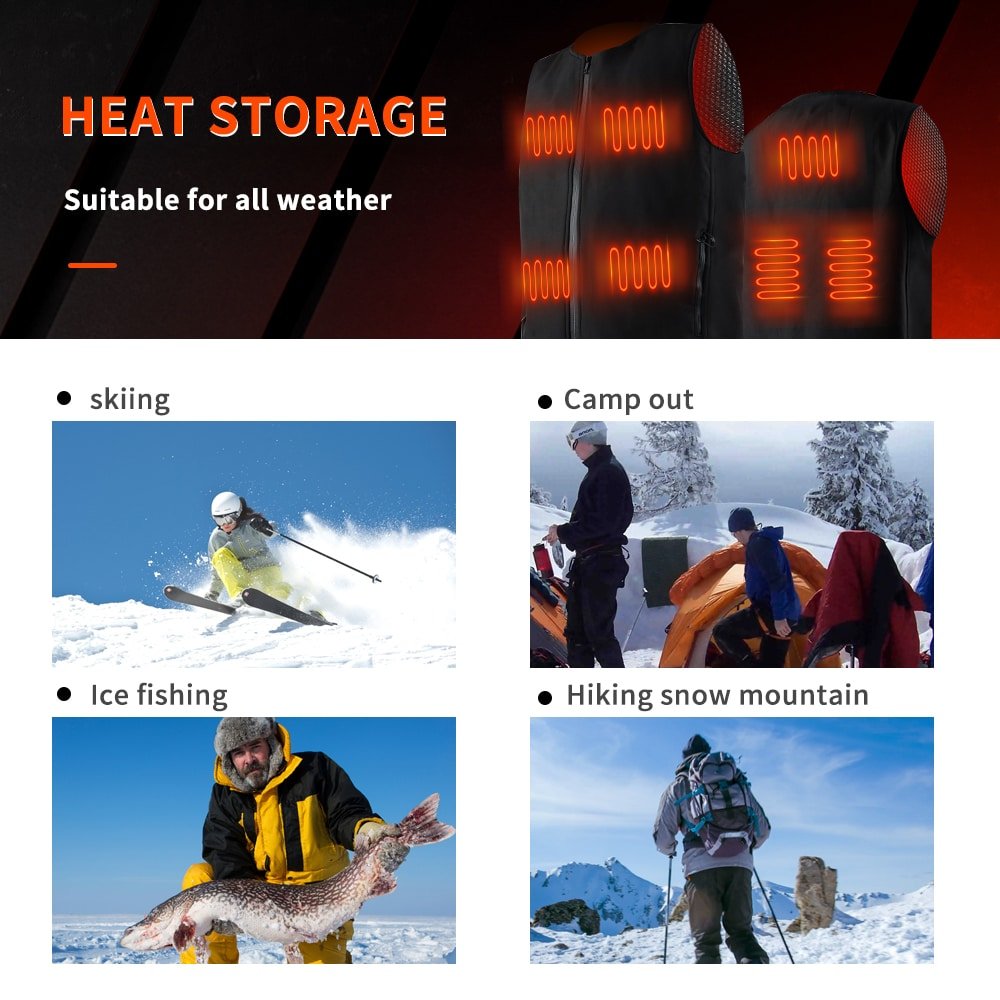
Dr. Warm Hi-Vis Electric Heated Safety Jacket for Work
Blog

How to Choose Battery, Heating Levels, Fabrics & Components for Your Heated Apparel Project

Buyers often encounter pitfalls like poor battery integration or communication breakdowns when partnering with heated clothing factories, leading to delays, safety hazards, or subpar products. This article breaks down the most common problems, from technical mismatches to supply chain woes, using real scenarios to illustrate why they occur. By understanding these risks and applying practical avoidance strategies, brands can build stronger relationships with reliable manufacturers for high-quality heated apparel.

Comprehensive heated clothing component selection flowchart: Start with battery voltage (7.4V for gloves, 12V for jackets) and capacity (mAh/Wh), add BMS protection, connect to smart controller with independent zones, and integrate with heating elements & insulated fabric.
Blog

How to Choose Battery, Heating Levels, Fabrics & Components for Your Heated Apparel Project

Designing heated apparel hinges on selecting the right batteries, heating levels, fabrics, and components to ensure compatibility and performance. Brands must weigh factors like voltage for power delivery, insulation for heat retention, and element types for even distribution. This guide offers decision flows and practical insights from OEM heated apparel development to help create products that excel in real-world conditions.

Scroll to Top