Are Heated Gloves Safe? Semi-Solid-State Batteries & 9 Certifications Prove It
Every winter, thousands of people search for heated gloves to keep their hands warm on the slopes, on the job, […]
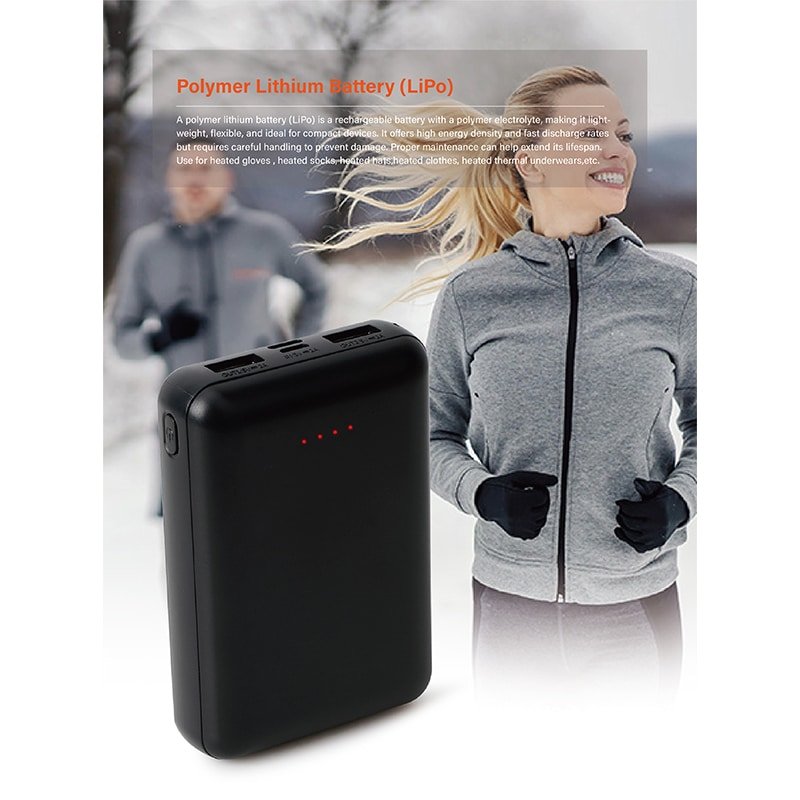
When you source heated apparel—gloves, socks, insoles, or jackets—the battery inside is the single most critical safety component. A poorly
Winter sports demand more than layered clothing. When temperatures drop, standard insulation fails to deliver active warmth where it matters
Heated motorcycle gloves are vital for riders facing freezing winds and reduced grip in winter, providing active warmth to maintain control and safety on the road. Key technologies include battery or bike-powered systems, with features like waterproofing and overheat protection ensuring reliability. Riders should evaluate voltage, runtime, and construction to find the right pair that enhances comfort without compromising performance.
Heated clothing is essential for motorcycle riders to combat wind chill and maintain dexterity in freezing temperatures, preventing fatigue and safety risks during long rides. This full comparison guide breaks down key categories like jackets, gloves, pants, and socks, evaluating features suited to high-speed exposure. By understanding these options, riders can choose gear that enhances control and endurance on the road.
Heated socks generate targeted warmth through embedded heating elements powered by rechargeable batteries, focusing on toes and forefoot to combat cold-induced numbness. Their batteries provide adjustable power, while advanced materials ensure even distribution and moisture control for all-day comfort. In freezing conditions, these features make heated socks a game-changer for maintaining foot health and performance.
Material selection plays a decisive role in packaging design outcomes. This article explains how packaging materials influence cost, performance, manufacturability, and production consistency—helping brands understand why balancing material feasibility and performance is critical for scalable packaging solutions.
Mass production consistency in packaging is rarely a manufacturing-only issue. This article explains how packaging design decisions—structure, materials, and tolerances—directly influence defect rates, batch variation, and long-term production stability, helping brands understand why consistent design is essential for scalable manufacturing.
Design for Manufacturing (DFM) plays a critical role in successful packaging design. This practical guide explains how applying DFM principles to structure, materials, and tolerances helps reduce cost, improve consistency, and support scalable packaging production.
Reducing unit packaging cost is not only a manufacturing challenge—it starts with design. This article explains how packaging structure, material selection, and manufacturability decisions influence unit cost at scale, offering real manufacturing insights into where sustainable cost savings actually come from.