
Off-Season Storage for Heated Gear: A Brand Checklist
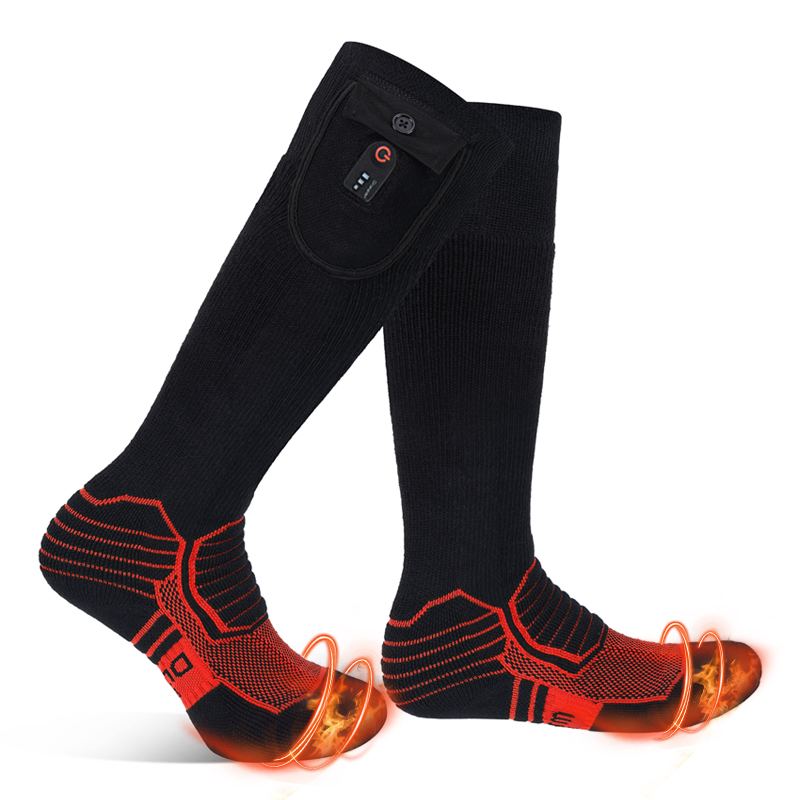
Heated apparel spends more months in storage than in use in most markets, yet few brands give buyers a clear off-season routine. A short, correct set of instructions reduces warranty claims, protects the battery and gives the retailer something concrete to tell buyers. This checklist covers what to specify in the care instructions for heated gloves, socks and insoles.
Why storage instructions belong in the product manual
A lithium battery left flat or fully charged for months can lose capacity, and a garment packed damp can develop odour or damage the heating elements. Neither problem appears during the first season, which is why they are often missed. Both are preventable with a few steps that take the customer minutes.
For a brand or retailer, the value is straightforward: fewer “it stopped working in storage” complaints and a product that performs when the cold returns. Put the routine in the manual and on the product page, not only in the box.
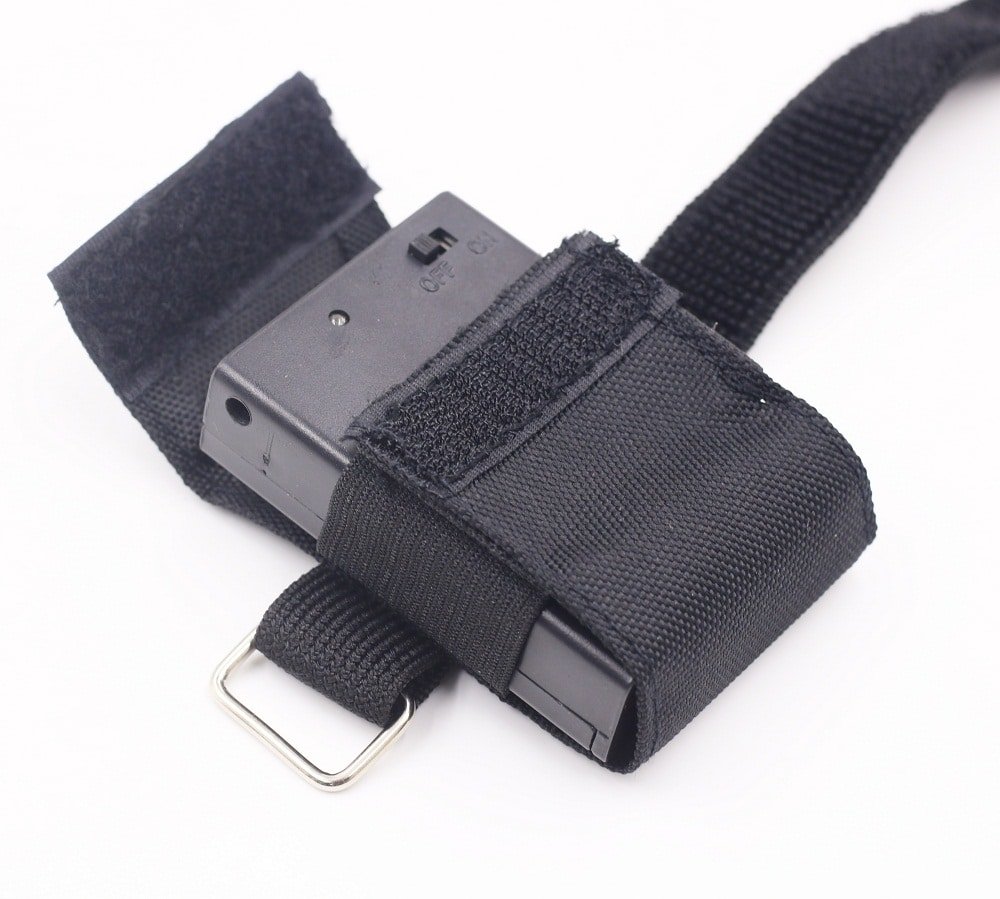
Battery: the first thing to get right
Before long-term storage, charge the pack to a partial level rather than leaving it empty or at full charge, and store it separately from the garment in a cool, dry place. The exact percentage belongs in the model-specific manual, because the recommended level depends on the cell and controller configuration.
- Disconnect the pack from the garment before storage; do not leave it plugged in.
- Protect the connector so dust and moisture cannot enter the contacts.
- Keep the pack away from direct heat and from freezing temperatures over winter.
- Check the charge level once during the off season rather than at the first cold day.
Our battery solution page explains how packs are configured for different products, which is why the manual must refer to the exact model rather than a generic rule.
The garment: clean, dry, unpacked
The heating elements and wiring should never be folded sharply or compressed under a heavy stack for months. Before storage, follow the washing instructions for the model — remove the battery and controller, close all connections, and use the indicated gentle cycle. Let the garment dry fully before packing.
Store it loosely folded or hung, with the cable run left in its natural shape. A tight fold across a heating zone can damage the element even though the fabric looks fine. If the garment has a detachable controller, store it with the pack in the same labelled bag so the customer does not lose the pairing.

What to inspect at the start of the next season
Three checks catch most storage-related faults before the customer wears the product outside. They take a few minutes and can be written into the manual as a short “first wear” section.
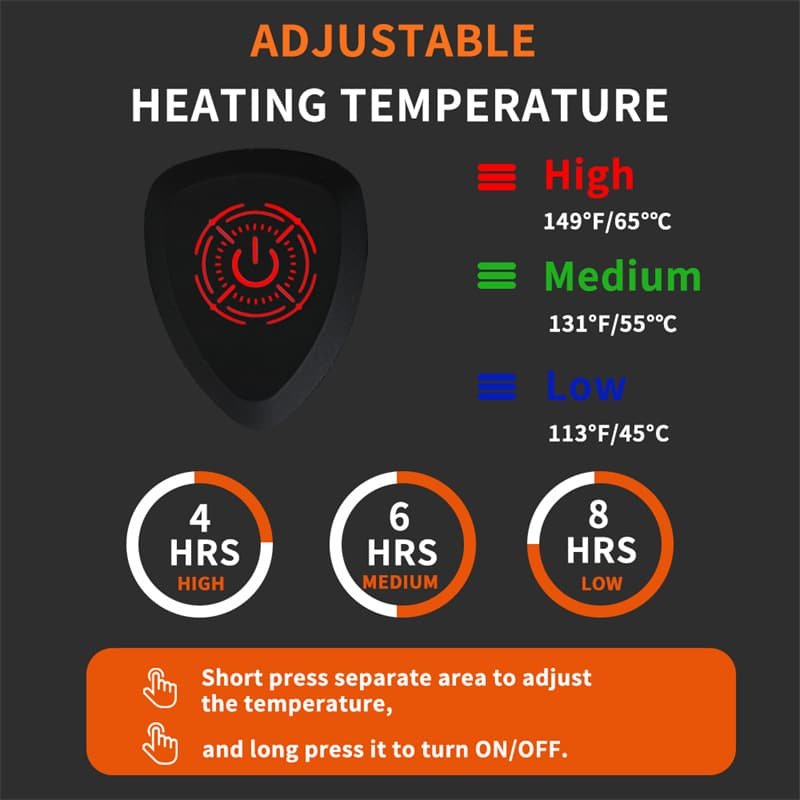
- Charge and power on. Confirm the pack holds a charge and each heat setting activates.
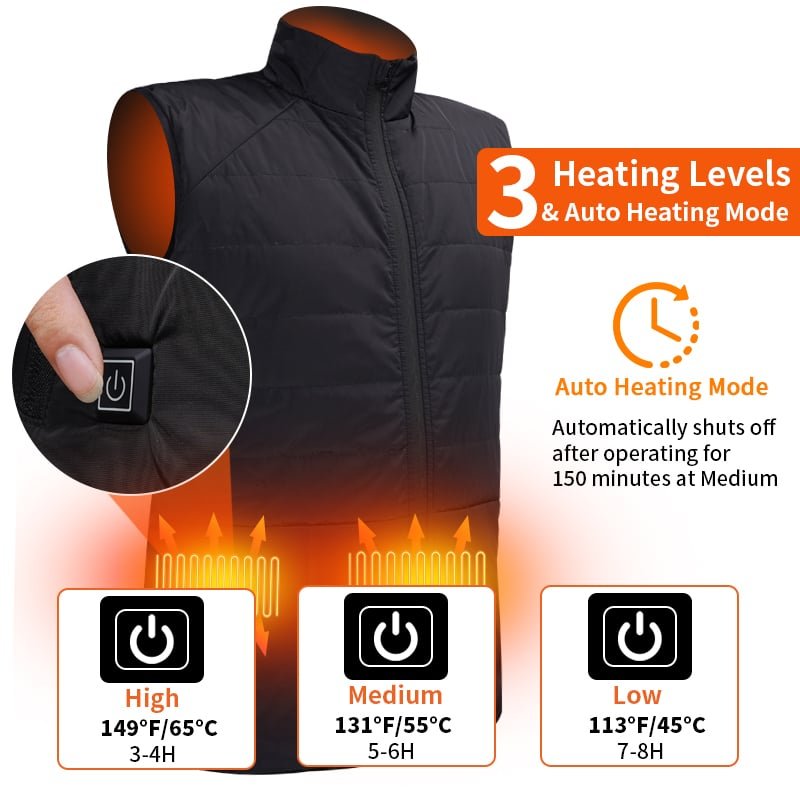
- Feel across the heating zones. Even warmth across the intended area means the elements and connections are intact.
- Inspect the connector and wiring. Look for cracked insulation or loose joints before the garment goes into cold, wet use.
For retailers: turn storage into a service message
A short off-season email or shelf card telling buyers how to store their heated gear reduces returns and keeps the brand in mind before the next purchase. It is also a natural moment to remind buyers that batteries are subject to transport rules if a product is shipped for service or replacement.
Retailers should use the exact instructions for the model they sell. Generic advice about lithium batteries is not a substitute for the care sheet that ships with the product. If a brand is building a private-label range, the OEM/ODM page explains how care documentation is developed with the product.
Documentation that supports the instructions
The care sheet should match the certification and battery file for the exact model. Dongguan S-KING Limited holds CE, UKCA, UL, FCC, RoHS, REACH, UN38.3, DOE, ISO 9001 and GB 47372-2026 with CCC documentation. The relevant documents depend on the market and the configuration ordered; the certifications page lists which approvals belong to which region.
How long a product can sit in storage
A heated garment can remain in storage for a full off season if the battery was prepared correctly and the garment was dry before packing. The limiting factor is almost always the pack, not the fabric or the elements. A battery stored at an extreme charge level or in a hot space will lose capacity regardless of how carefully the garment was folded.
Brands should state a storage window in the care sheet rather than leaving it open. A practical instruction is to check the pack once mid-season and to power the garment on before the first cold ride. That turns an unknown into a short, repeatable routine the buyer can follow without special equipment.
For retailers holding stock, the same rule applies to boxed goods on a shelf. Stock that sits through a summer in a warm warehouse should be checked before it ships in autumn. This is a small operational step that prevents a first-season failure being blamed on the product.
What care instructions should contain, in order
A good care sheet gives the steps in the order the buyer actually performs them, with the model name and voltage platform stated clearly. Long general paragraphs about lithium batteries are less useful than a short numbered sequence tied to the product in the box.
- Identify the model and pack so the buyer knows which instructions apply.
- Disconnect and remove the battery before any cleaning.
- State the wash method for that fabric and element construction.
- Dry fully before folding, and keep the cable run loose.
- Store the pack separately at the stated partial charge in a cool, dry place.
- List the three first-wear checks for the following season.
For brands building a private-label range, these instructions are developed alongside the product rather than written after it ships. The OEM/ODM page describes how documentation is prepared with the sample.
Returns and warranty: what storage can and cannot affect
A 12-month warranty covers manufacturing faults, but damage caused by incorrect storage is a separate question and should be explained plainly rather than buried. A care sheet that says what to avoid is more useful to a buyer than one that only lists exclusions.
The most common avoidable faults are a pack left flat for months, a garment packed while damp, and a cable folded hard across a heating zone. None of these is a product defect, and all three are preventable with the routine in this guide. Explaining that in the manual and on the product page reduces disputes at the retailer counter.
Frequently asked questions
Should the battery be left inside a heated garment during storage?
No. Disconnect the pack, protect the connector and store the battery separately in a cool, dry place at the charge level stated in the model’s manual.
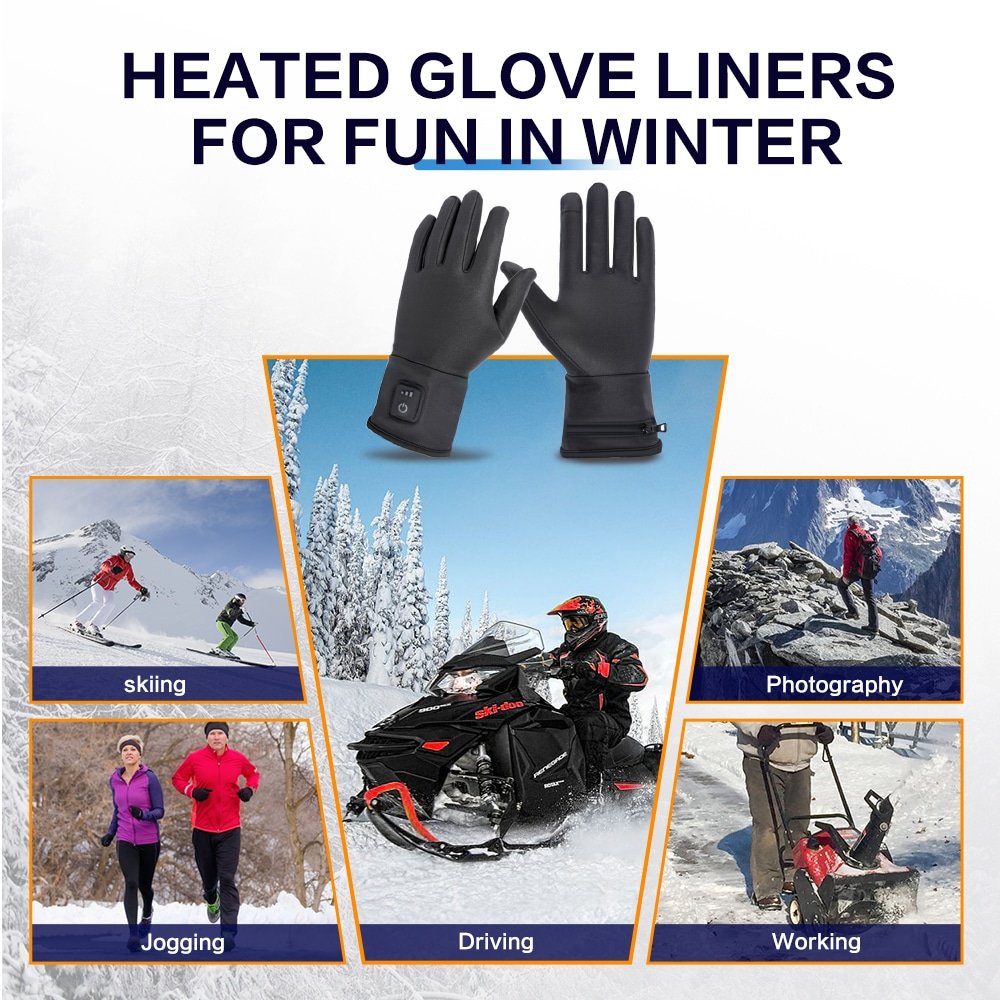
Can heated gloves be machine washed before storage?
Only if the model’s care instructions allow it. Remove the battery and controller, close the connections and follow the stated gentle cycle, then let the garment dry completely before packing.
How should a retailer write off-season instructions?
Use the model-specific care sheet rather than generic advice. Cover the battery charge level, connector protection, loose folding and the three checks for the first wear next season.
Does storage affect the warranty?
A 12-month warranty applies from delivery. Following the model’s care and storage instructions helps avoid avoidable damage that would not be covered.