UN38.3 for Heated Apparel Brands: What the Air Shipping File Must Contain
Every heated garment with a lithium battery needs a UN38.3 test summary before it can travel by air — but the test summary alone is not the whole file. Brands new to heated apparel often discover the gap at the port, when a forwarder asks for documents the supplier never prepared. This guide sets out what belongs in the file and who is responsible for each piece.
What UN38.3 actually tests
UN38.3 is a transport safety test for lithium cells and batteries, covering eight scenarios including altitude, thermal cycling, vibration, shock and short circuit. It is a test on the battery, not a product certification for the garment. The test summary is issued against a specific cell or battery model, so it must match the pack fitted in your product.
For heated apparel this matters because the same garment may be offered with different battery configurations. A test summary for one capacity does not automatically cover another. Confirm the file against the exact pack in your production batch, not against a general company document.
The documents in a complete air shipping file
A complete file contains four items: the UN38.3 test summary, a safety data sheet, the packaging instruction and the correct battery labels. Missing any one of them can hold a shipment, regardless of how well the product itself is made.
- UN38.3 test summary. Issued for the specific cell or battery model, with the test results and the issuing laboratory.
- Safety data sheet (SDS). Describes the battery chemistry, hazards and handling. The current international term is SDS (safety data sheet).
- Packaging instruction. States how the batteries are packed, protected against short circuit and separated inside the carton.
- Lithium battery labels and shipping marks. Applied to the outer carton in the format required for the mode of transport.
Ask your supplier for these four items together, tied to your model. A folder of unrelated certificates is not the same as a file for your shipment.
What is different when the battery is inside a garment

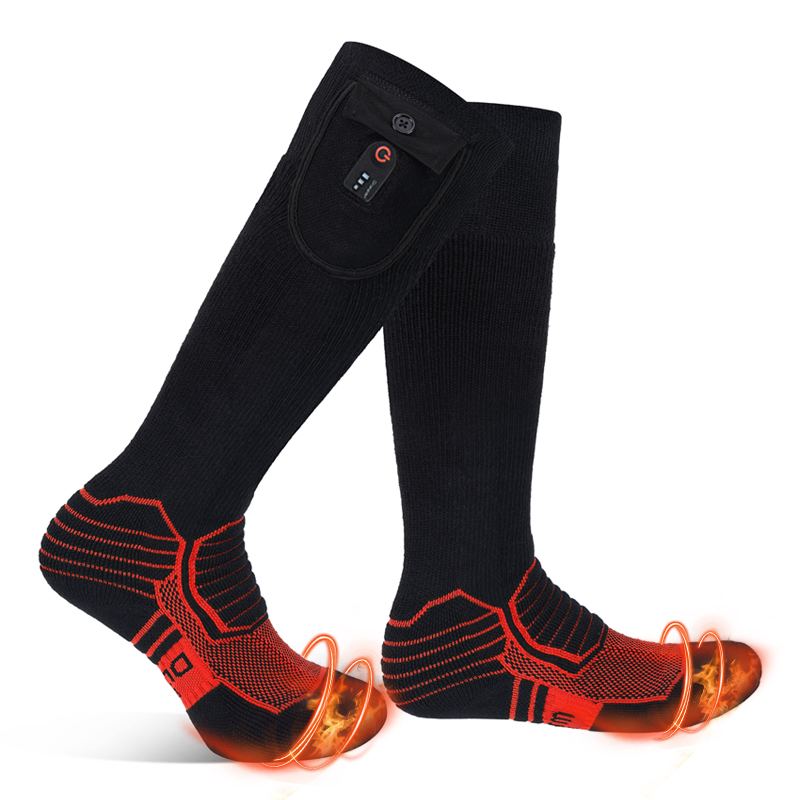
Heated apparel ships with the battery either installed in the garment or packed separately — and the documentation must describe the configuration actually shipped. When the pack is fitted, the connector must be protected and the controller isolated so the circuit cannot activate in transit. When the pack ships separately, each battery needs individual protection and clear marking inside the carton.
This distinction is not cosmetic. A shipping paper that describes batteries packed separately while the goods are shipped with batteries installed will be questioned at customs. Lock the shipping configuration with your supplier before the documentation is issued. Our battery solution page explains how packs are configured for different products.
Who is responsible for each document

The manufacturer supplies the technical documents; the shipper and forwarder apply the transport rules for the route and carrier. Confusing these two roles is the most common cause of delay.
- Battery manufacturer / factory: UN38.3 test summary, SDS, product-specific battery specification
- Brand or shipper: correct declaration, shipping marks, carrier-specific paperwork
- Forwarder: routing, carrier acceptance and any additional airline requirements
Requirements also differ by market and by whether the goods travel by air, sea or road. The file for an air shipment to North America is not automatically sufficient for a sea shipment to Europe. Confirm the destination before asking for documents.
How to avoid the usual delays
Three habits prevent most shipping delays: confirm the battery configuration at sample approval, request the model-specific file before production, and check the documents against the finished carton. Each takes minutes at the right stage and days to fix at the wrong one.
One more point worth stating plainly: a supplier who cannot produce a test summary for the exact battery in your order is not ready to ship that order. Treat it as a design problem, not a paperwork problem — the pack may need to change to one with a valid file. Earlier guidance on shipping lithium batteries with heated clothing covers the wider documentation picture.
Certification versus transport documentation
UN38.3 is a transport test; CE, UKCA, FCC, RoHS and the other market approvals are separate product compliance files. A supplier who shows one set in place of the other is mixing two different obligations.
Dongguan S-KING Limited holds CE, UKCA, UL, FCC, RoHS, REACH, UN38.3, DOE, ISO 9001, GB 47372-2026 with CCC documentation, and ISO 13485. The relevant documents depend on the destination market and the configuration ordered. Our certifications page lists which approvals belong to which market; ask for the model-specific file rather than a general company list.
How the file changes by transport mode
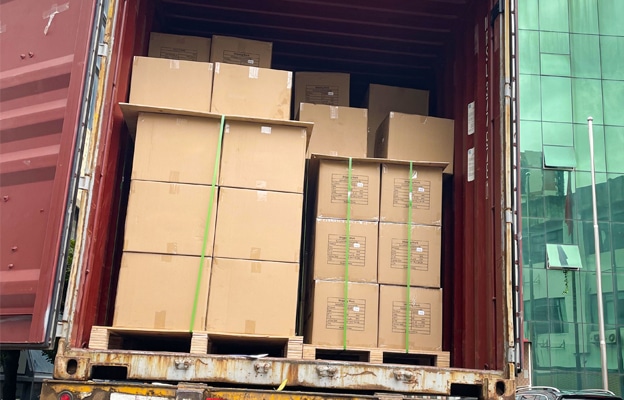
The same battery can travel under different rules depending on whether it moves by air, sea or road — and the file has to match the route actually used. Air freight applies the strictest controls because a lithium battery in an aircraft hold presents a different risk from one in a container on a ship.
For air shipments, the battery must be packed so that terminals cannot short circuit, and the carton must carry the correct lithium battery mark. Some carriers impose additional limits on the number of batteries per package or require prior acceptance. For sea freight, the requirements are generally less restrictive on quantity but still require the test summary, SDS and correct declaration.
Before you book, give the forwarder the battery specification and the UN38.3 test summary rather than a product photograph. A forwarder who knows the exact pack can confirm the route and paperwork in one pass; one who has to guess will come back with questions after the goods are booked.
Market differences worth checking early
North America, Europe and Australia apply their own product approvals on top of the transport rules, so one shipping file does not fit every destination. UN38.3 travels with the battery regardless of market, but the product documentation beside it changes.
- North America: FCC for the control electronics, UL where required by the retailer, and DOE documentation for battery chargers.
- Europe and UK: CE or UKCA as applicable, RoHS and REACH for materials, with the relevant declarations available on request.
- Australia: confirm the local requirements for the product category and the battery before the shipment is booked.
Ask the retailer or importer which documents they need at clearance rather than assuming the factory list is sufficient. A file prepared for one market can usually be extended to another, but it is much cheaper to do that before production than after arrival.
Three questions to ask your supplier before production
Ask for the test summary by battery model, the SDS by chemistry, and a packing drawing that shows how the battery sits in the finished carton. These three questions expose most documentation problems while they are still cheap to fix.
If the supplier answers with a general company certificate, ask again for your model. If the packing drawing shows the battery installed while the shipping papers describe it separately, resolve that before the cartons are printed. None of this is about distrust — it is about making sure the person at customs, your forwarder and your quality team are all looking at the same configuration.
Frequently asked questions
Is a UN38.3 test summary enough to ship heated apparel by air?
No. The test summary is one of four items. You also need an SDS, a packaging instruction describing how the batteries are protected, and the correct lithium battery labels on the carton.
Does UN38.3 cover the whole heated garment?
No. UN38.3 tests the lithium cell or battery pack for transport safety. It is not a certification of the garment itself; product approvals such as CE, UKCA or FCC are separate files.
Which document describes the battery chemistry?
The SDS (safety data sheet) describes the chemistry, hazards and handling requirements. It is a core part of the transport file alongside the UN38.3 test summary.
Can one test summary cover every battery configuration we order?
Only if the battery model is the same. The test summary is issued against a specific cell or pack, so a change in capacity or construction may require a different file. Confirm the documentation for the exact configuration in your order.