
November 16, 2025

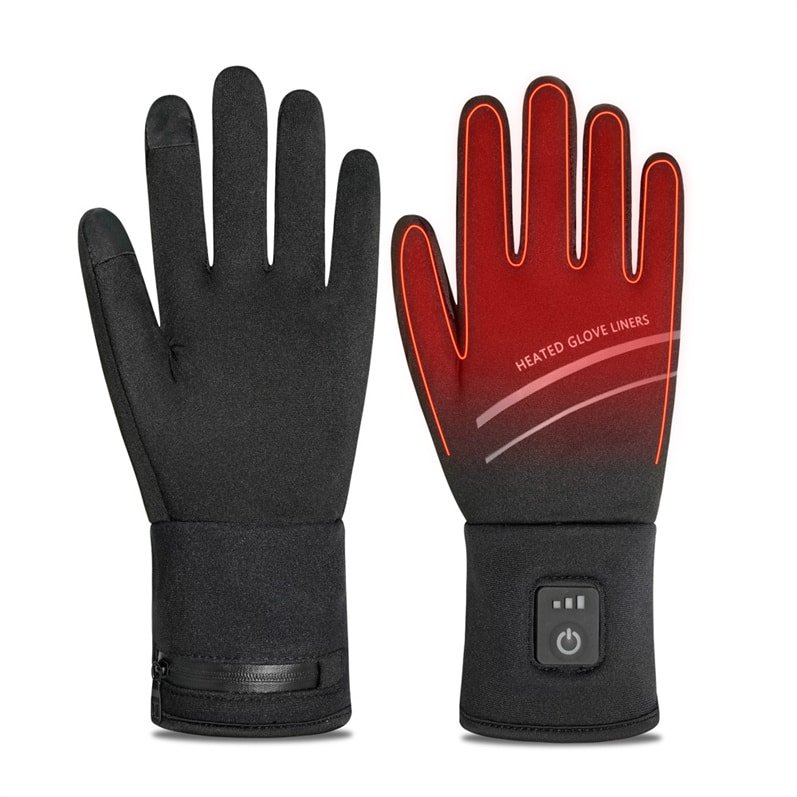
Official product title graphic for “Dr.Warm Heated Glove Liners”, the brand’s solution for battery-powered hand warmth.
Blog

Certifications Needed for Heated Gloves

Heated gloves require a suite of certifications to ensure safety and market access, from CE for electrical compliance in Europe to UN38.3 for battery transport worldwide. This guide covers key standards like FCC for U.S. emissions, RoHS for material safety, and additional tests for reliability. Brands can use this to navigate compliance, avoiding costly delays and ensuring products meet global safety expectations.
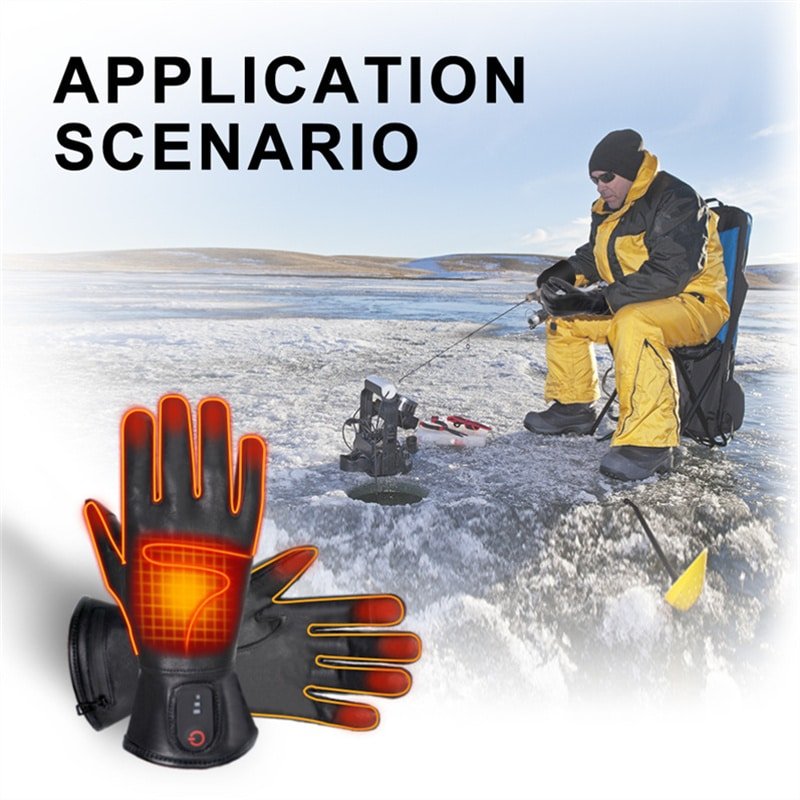
Collage of the G45 gloves in use: on ski lifts, during winter hikes, and while commuting in the city, demonstrating versatility.
Blog

Inside the Manufacturing Process of Heated Gloves

Heated gloves are crafted through a precise blend of textile sewing and electronic assembly, starting with material cutting and progressing to heating element embedding, battery installation, waterproofing, and rigorous QC testing. This process ensures reliable warmth, with key steps like wiring engineering and insulation layering preventing common issues like hotspots or failures. Understanding how heated gloves are made helps buyers appreciate the craftsmanship behind durable, safe products for cold-weather use.

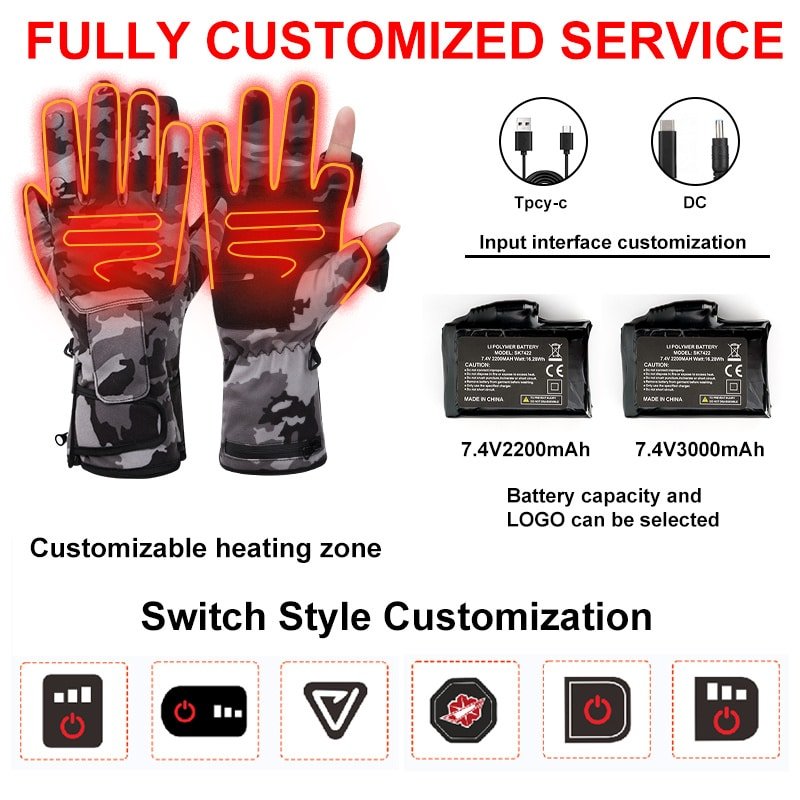
Product image emphasizing the “Custom Manufacturer” capability for producing specialized fingerless heated gloves for hunting and tactical markets.
Blog

How Heating Elements Work in Heated Gloves

Heating elements in heated gloves generate warmth through electrical resistance, with materials like carbon fiber and graphene film converting power into heat for fingers and palms. The differences lie in flexibility, efficiency, and distribution—carbon fiber offers durability, while graphene provides even, fast heating. These technologies impact overall performance, safety, and comfort, making the right choice essential for effective winter gear.

Scroll to Top