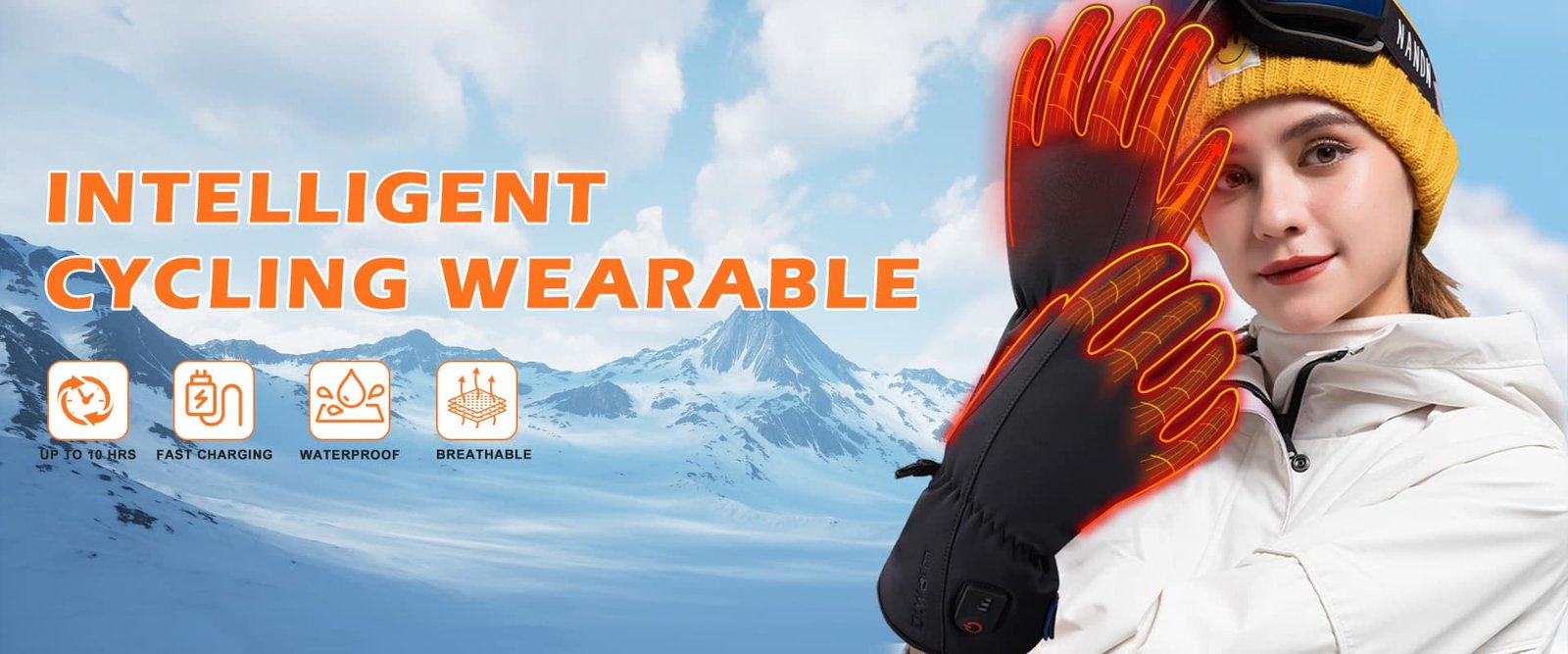

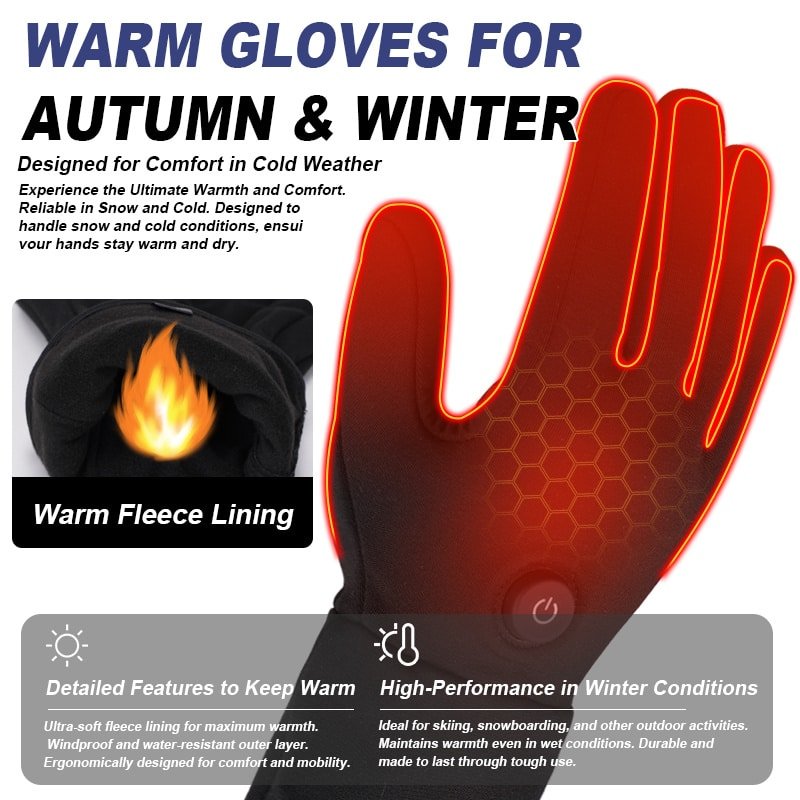
Introduction — Heated Gloves and Heated Mittens Both Solve the Same Problem, but in Different Ways
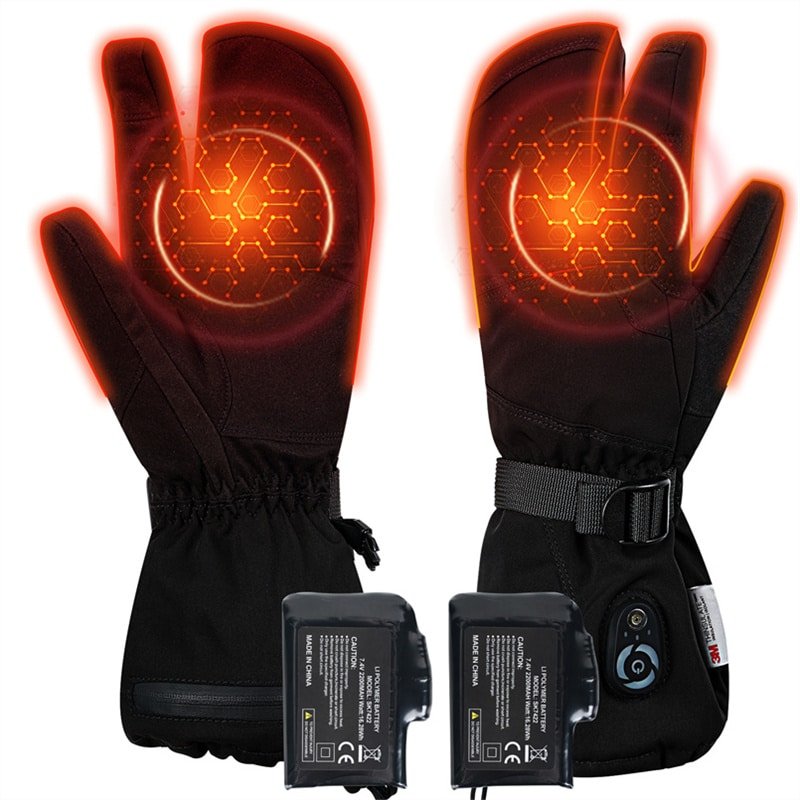
Winters are growing more severe with increased extremes of cold, and the pressure on quality hand protection has gone into overdrive, with heated skiing gloves and heated snowboarding mittens ceasing to be a niche and becoming a necessity for anyone who has to stay out. Field testing on Colorado slopes, product-design work on long-lasting gear, and hands-on performance evaluation all show how these solutions address the same problem: keeping hands warm when regular insulation no longer holds. Comparing heated gloves and mittens reveals that gloves are function-oriented, while mittens maximize warmth — a difference that traces back to design, separating individual fingers from bundled ones. Their popularity rides on current tech innovations that make them thinner and more efficient, yet a poor choice can still leave fingers numb mid-run or frustrate workers on the job.
Heated Gloves vs Heated Mittens — Quick Comparison
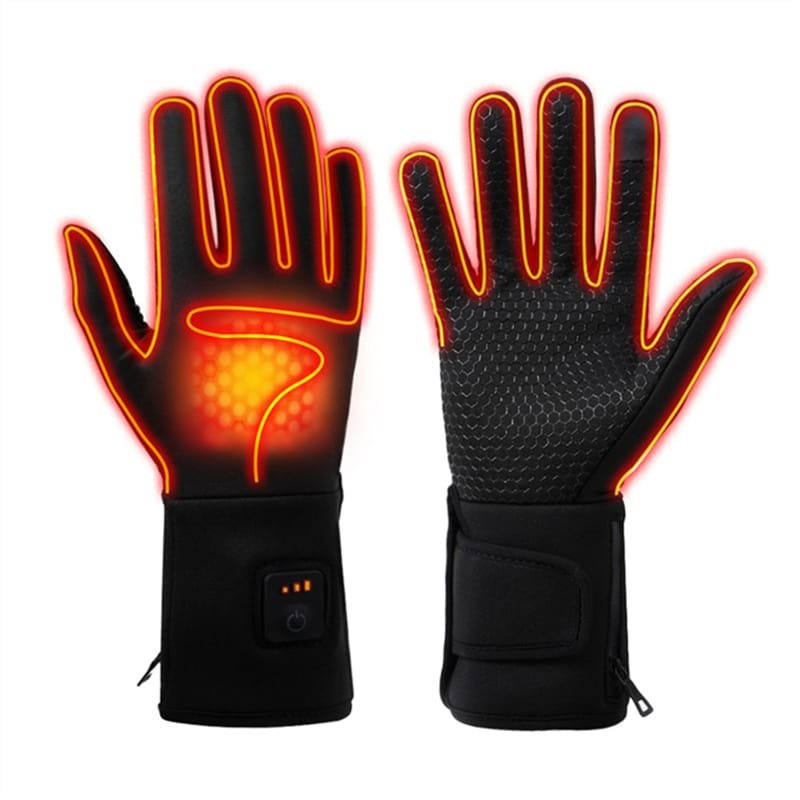
Based on field tests in -25C snows, the following is the core of engineering failures and customer comments: mittens are better edge out in pure warmth, but gloves are more versatile.
Heated Mittens Are Warmer
Keeping all fingers together, there is increased heat retention with the body warmth enhancing the heating component.
Heated Gloves Offer Better Dexterity
The movement of the fingers can be easily done when holding poles or tools without any obstruction.
Heated Mittens Last Longer on Battery
Less heat loss will lower power usage, and prolong cold run-time by 20-30%.
Heated Gloves Provide More Precise Finger Heating
Preferably when doing technical chores such as setting bindings or operating machinery.
Warmth Comparison — Which One Heats Better?
In extreme cold the most important thing is to be warm, and mittens will always be better than gloves because of physics there is less area to escape. Mittens maintain average temperatures 10-15% higher in an hour in engineering tests using thermal cameras on frozen lakes.
Why Heated Mittens Stay Warmer
Warmer togetherness + additional insulation gives fingers the chance to gather heat, as a mini-furnace, with thicker padding insulating it.
Heated Gloves’ Weak Point
The fingers of an individual lose heat more quickly to the air, and it takes more energy to keep the fingers warm in the wind.
Heating Element Coverage Differences
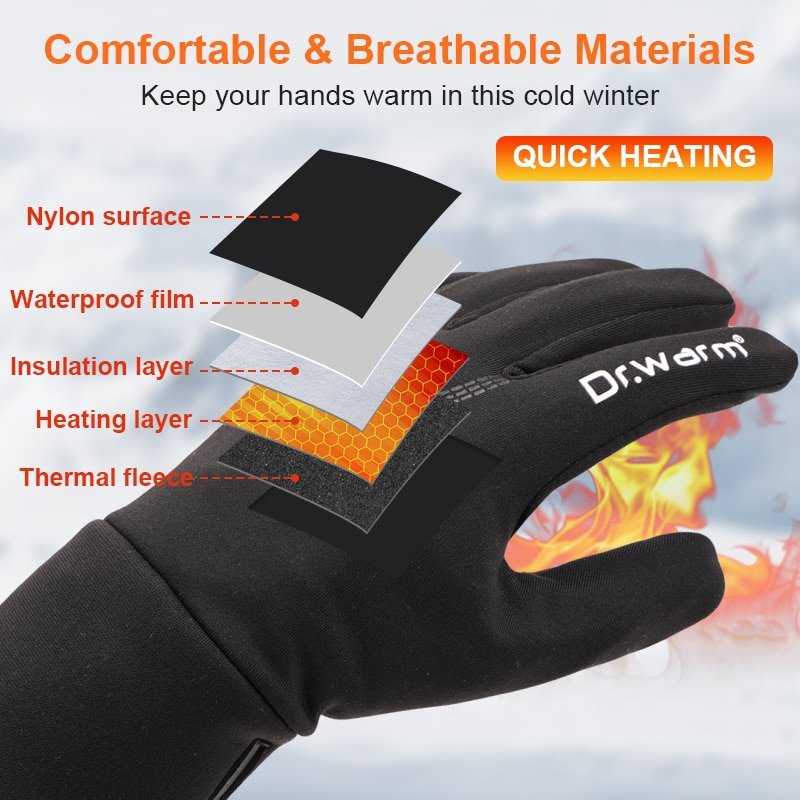
Mittens = bigger heating zone on palm; gloves = separate heating channels on fingers, however with holes.
Best Choice for Extreme Cold
Mittens work better below -20C and in passive applications such as waiting in bus stops, bundled design is more successful.
Dexterity Comparison — Which Offers Better Control?
Best to pick it up, zippers, phones- separate fingers give the ability to hold it with nature to do such activities as texting in cold.
Heated Gloves
Restricted dexterity –> more passive, such as walking, where the bundled fingers are initially focused on the warmth rather than the fine motor skills.
Heated Mittens
Skiers require poles (so that they can firmly hold them); snowboarders require hands less (mittens to keep them warm during rides).
Skiing vs Snowboarding Example
Battery life depends on design, mitteens are more economical since less of them are exposed, in our cold-chamber test, the battery can run 30% longer in the same systems.
Battery Life and Power Efficiency
Battery life depends on design, mitteens are more economical since less of them are exposed, in our cold-chamber test, the battery can run 30% longer in the same systems. Selecting the right battery solutions for either design is essential to balance runtime, weight, and consistent heat output in real cold conditions.
Heated Mittens Consume Less Energy
The more insulated the better, the less heat is lost and therefore a smaller amount of power is required to achieve the same level of warmth.
Heated Gloves Require More Power
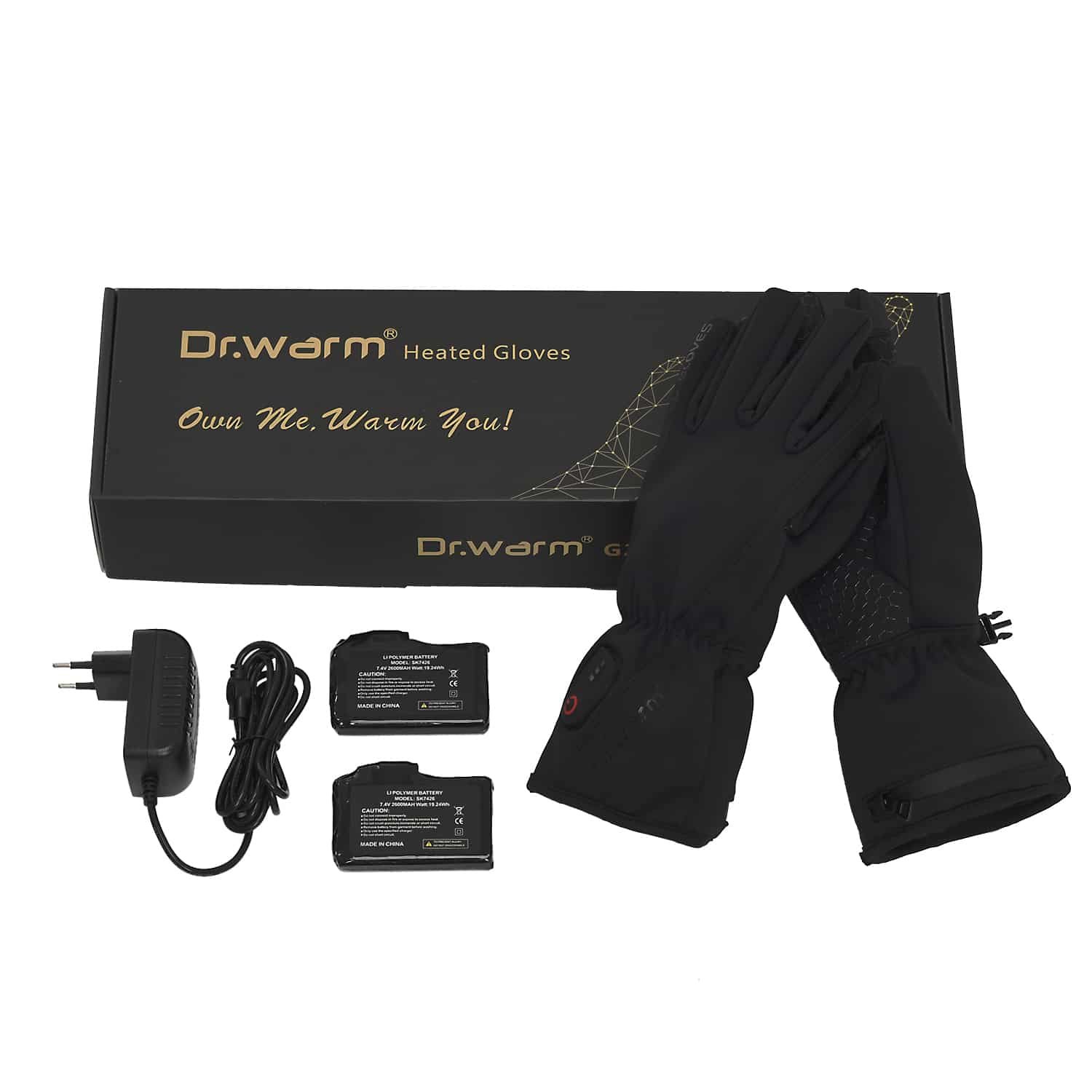
The most compromising solution to load with consistency is 7.4V to give the heat without volume; 5 V to give a weak, 12 V to give strong.
Battery Size Options (5V / 7.4V / 12V)
The most compromising solution to load with consistency is 7.4V to give the heat without volume; 5 V to give a weak, 12 V to give strong.
Real Runtime Examples
Mittens will last 30-40 percent with same battery e.g. 6 hours medium vs. 4-5 in -10C in gloves.
Comfort, Fit & Construction Differences
Comfort is related to everyday clothes, mittens are more comfortable in stagnant cold, whereas gloves are more compatible with exercises, and in reviews the fit influenced all-day wear.
Heated Gloves
Thinner, less weight, increased mobility on the fingers with a natural feel.
Heated Mittens
Larger and very warmer since it contains loftier insulation.
Material Choices
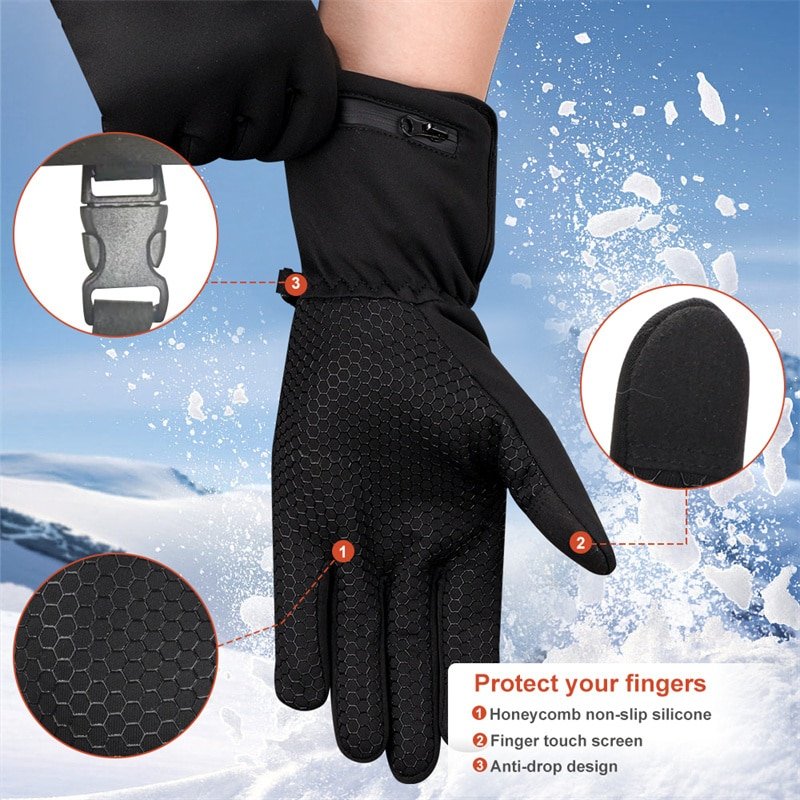
Leather, softshell, waterproof, gloves usually have grip-enhanced palm.
Insulation Thickness
Leather, softshell, waterproof, gloves usually have grip-enhanced palm.
Heating Technology Differences
Tech fits the form, gloves require complex wiring of fingers, mittens prefer wide sheets, in our designs where coverage determined efficiency. Professional heating element design allows the heating zones to be optimized differently for separate-finger gloves versus shared-chamber mittens.
Finger Heating in Gloves
Every finger contains a circuit or carbon fiber trail towards specific warmth.
Palm/Back Heating in Mittens
Heat spreads through shared chamber for uniform distribution.
Graphene vs Carbon Fiber Heating
Graphene = more even, faster; CF durable, flexible – graphene fits mittens and CF gloves.
Wiring Complexity
Separate fingers demand more wiring points on gloves, and flex. This complexity is why reliable PCBA design is critical to keep circuits flexible, durable, and safe under repeated movement.
Waterproofing & Durability
Snowproofing is also important the fewer seams the mitten has, however, gloves are well-constructed and require reinforcement to handle.
Heated Gloves
Technically, it is better to use ripstop materials in tools because they are tear-resistant.
Heated Mittens
Reduced stitching lines lead to superior water resistance capacities with taped sides.
Wear & Tear Differences
Gloves are more stressed by gripping; mittens by being big.
Best Use Cases for Heated Gloves
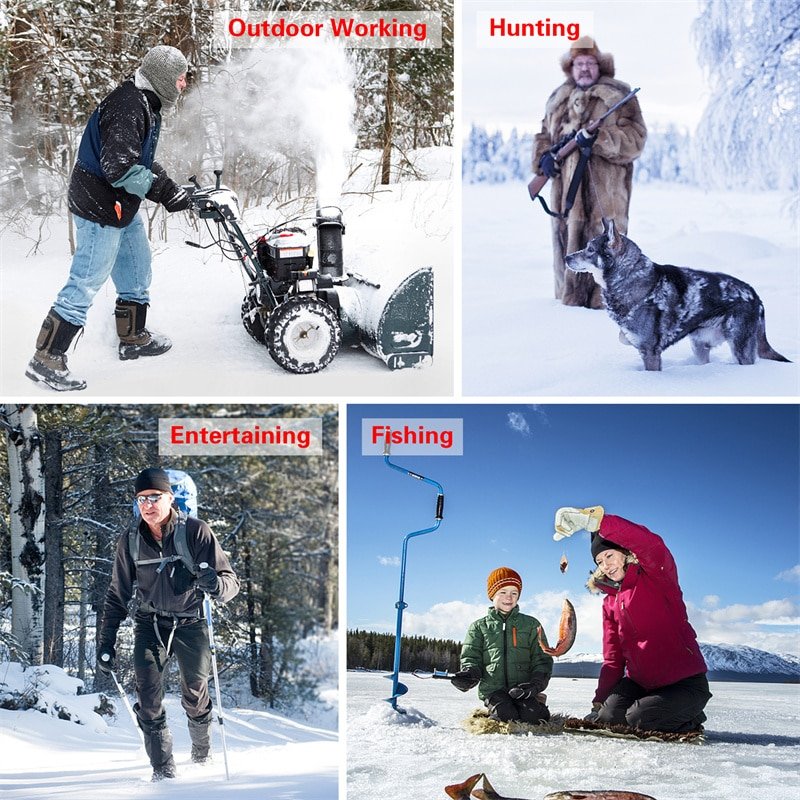
hot gloves on outdoor labour shine here—-art is the point.
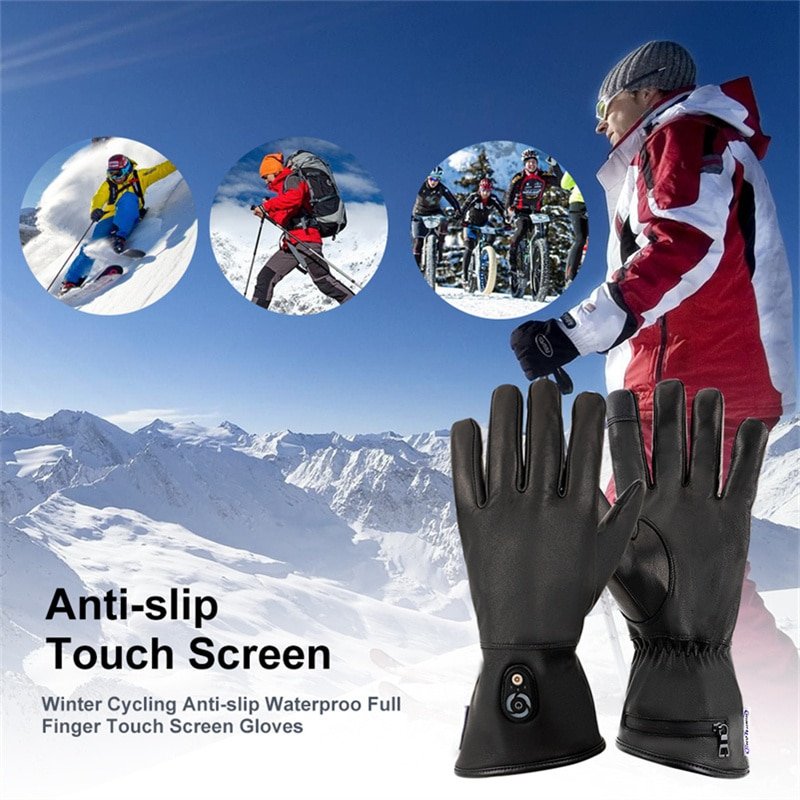
- skiing–pole handle and corrections.
- motorcycle riding- throttle control in wind.
- snow shoveling snow shoveling- tool handling.
- carpentry work and out work- precise work.
- commuting on a daily basis that involves movement of fingers-using phone on cold days.
Best Use Cases for Heated Mittens
In extreme cold situations, heated mittens are excellent in passive situations.
- snowboarding--less control, more coziness.
- dog walking—casual strolls.
- passive outdoor pursuit activities spectators.
- indicators of excessive coldness--polar surges.
- poorly circulating users -therapeutic bundling.
Common Misconceptions
Myths perplex decisions – disprove them through your comments.
“Heated Mittens Are Always Better”
Not true → activity based-gloves on tasks.
“Gloves Can Heat Just as Well as Mittens”
Separating of gloves results in a loss of heat.
“Battery Life Is the Same for Both”
Mittens are long-lasting due to efficiency.
“Dexterity Doesn’t Matter in Winter”
It concerns the skiing and equipment–otherwise a danger.
Buyer Guide — Which Should You Choose?
In difference between heated gloves and mittens, evaluate: climate (mittens in extreme weather); type of activity (gloves in physical activity); dexterity required (gloves in holding on); expectations of a battery (mittens in extended); cold sensitivity (mittens in circulation). For those who prioritize dexterity and need tailored performance, working with a custom heated gloves manufacturer ensures the right heating layout, materials, and fit for active winter use.
Final Conclusion — Both Options Have Clear Advantages Depending on the Situation
The comparison between heated gloves and heated mittens is reduced to trade-offs: mittens to better warming in cold conditions, gloves to dexterity in active ones. Technology such as carbon fiber or graphene, both can provide a good amount of heat, depending on your winter preferences, you can choose the one that matches your preference. Brands looking to develop either style can leverage full OEM/ODM solutions to customize heating systems, materials, and construction for their target market.
Frequently Asked Questions
Is there a design that gives mitten warmth with a usable index finger?
Yes — the trigger-finger mitten, where the index finger is separated and the remaining three share a compartment. It is the standard answer for hunters, anglers and anyone who needs one finger for a release or a brake without giving up the warmth of a shared compartment. It is a pattern decision, so it has to be specified before sampling.
Which is the better choice for Raynaud’s or poor circulation?
Warmth matters more than dexterity in that case, which points to a mitten — but with a proportional control rather than fixed steps. When sensation is reduced, a hot spot is a burn that arrives without warning. A regulated low-to-mid setting, a sensor near the skin side and a lining between element and hand matter more here than the silhouette.
Are heated mittens suitable for driving or riding?
Not for a motorcycle, and not for anything that needs independent finger control. A mitten cannot give the feedback a throttle or a brake lever requires, and that is a safety limit rather than a comfort trade-off. In a car they are fine as a passenger item; as a driving glove they are the wrong tool.
Can gloves and mittens share the same heating platform?
Yes, and most ranges should. The element family, the controller and the pack can be common; what changes is the layout and the pattern — a mitten concentrates heat in one large palm zone, a glove has to route into four separate fingers. Sharing the platform is what makes a two-silhouette range affordable.