
Introduction — Heated Gloves Must Meet Multiple Safety Standards Before Entering the Market
Heated gloves are not merely winter gear, they are wearable electronics comprising heating elements, batteries, and wires and must undergo strict safety standards to ensure that the consumer is not exposed to dangers such as burns, electric shock, or even exposure to chemicals. Being a regulatory compliance expert of over 15 years advising on heated apparel in European and U.S. market, a heated apparel engineer that has designed systems to pass stringent tests, and a global importer consultant that has negotiated customs on thousands of shipments I have seen non-complaint products be held at the border or recalled. The technicality is due to the fact that glove with heating is a combination of electronics, batteries, heating components, and wires, which must be certified to meet the safety of electrical currents, material hazards, and battery transport. In their absence, brands are fined, prosecuted or lost sales, particularly in locations where consumer laws are stringent. This guide defines the necessities, as it assists the brands to ensure that their products are safe, marketable, and compliant.
The Essential Certifications Required for Heated Gloves
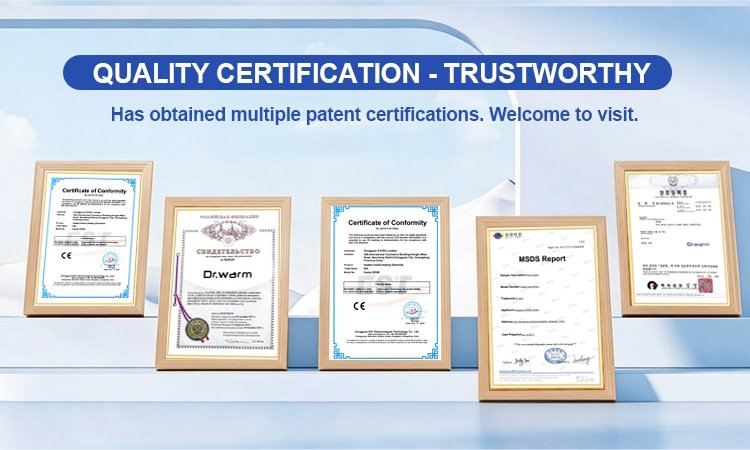
Based on my compliance audits of the heated glove lines, this is what matters the most–certifications on the use of the heated gloves are not negotiable when it comes to sales across the globe but it is concerned with safety, emissions, materials, and transport. These are best priorities to prevent rejections.
CE Certification (Mandatory for Europe)
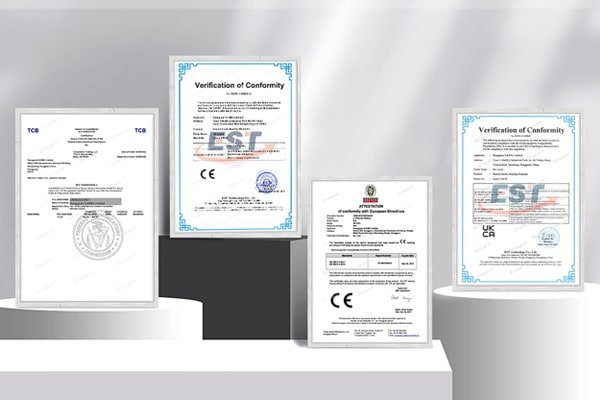
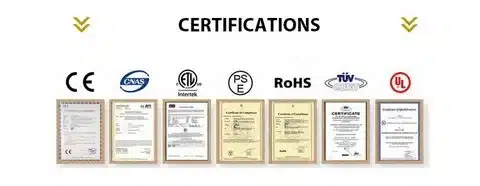
CE Certification (Mandatory for Europe) addresses electrical safety, EMC, and general product safety, helping ensure the gloves comply with EU requirements for wearable items that contain electronics.
FCC Certification (Mandatory for U.S. Electronics)
Maintains non-harmful RF interference, which is essential to controllers and wireless capabilities of the product.
RoHS Compliance
Limits the use of hazardous substances such as lead and cadmium which will expose users to toxic exposure in fabrics or components.
UN38.3 for Lithium Batteries
UN38.3 for Lithium Batteries is necessary for batteries exported internationally, helping verify safe transport without fire or explosion risks.
Optional UL Testing
Enhances the trust of North American retailers, providing a third-party inspection of electrical and fire safety.
CE Certification Requirements (Europe)
The door to the EU is the CE certification – I have taken brands through this process on heated gloves where it has been the undone EMC tests that caused failure. It establishes the safety of the product in the usual use.
Electrical Safety (LVD)
Checks the safety standards of heated gloves at low voltages, which is tested at or above 7.4 V shock or wiring failure.
EMC Testing
Ensures that electronic elements will not interfere with other devices such as the radiation of controllers–necessary in app-enabled devices.
Machinery Directive (If Applicable)
In the case of gloves containing sophisticated electronics such as motors or sensors, which are hard to find in simple heated gloves.
General Product Safety Directive (GPSD)
Wearable safety covers have rounded edges and no loose parts that can cause harm when in use.
Temperature, Overheat & Short-Circuit Protection
Temperature, Overheat & Short-Circuit Protection demonstrates product safety under normal use, including extended high-heat cycle testing to confirm features such as auto-shutoff at 60degC.
FCC Certification Requirements (United States)
FCC certification is concerned with emissions, I have worked on U.S imports where non-compliant wireless controllers seemed to prevent sales as gloves with Bluetooth have to pass.
FCC Part 15B (Most Common)
Non-transmitting electronics (e.g. controllers) To measure unwanted radiation to ensure that radios or other devices are not interfered with.
FCC Part 15C (If Wireless Control)
Controls remote control / Bluetooth-enabled heated gloves, probe purposeful emitters frequency limits.
Why FCC Is Required
Avoid radio frequency interference-gloves containing apps or remotes release signals, which should remain below levels.
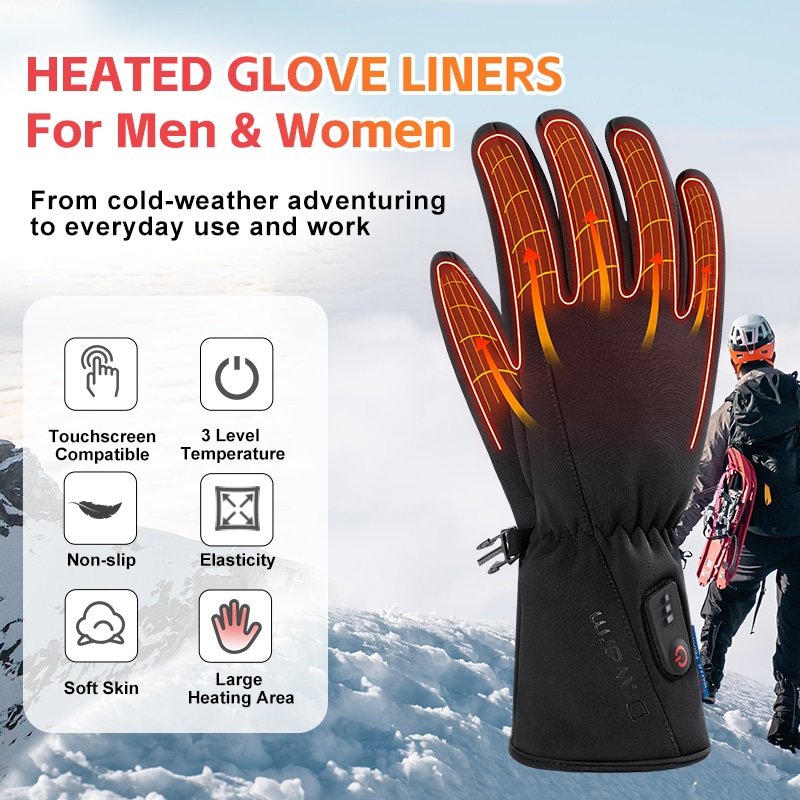
Battery Certifications — Non-Negotiable for All Heated Gloves
Battery Certifications — Non-Negotiable for All Heated Gloves are critical because lithium cells in heated gloves are prone to overheating or even explosion if they are not properly designed, handled, and certified under standards such as UN38.3.
UN38.3 Testing (Required for Every Shipment)
Tests altitude simulation, vibration, shock, thermal test, short circuit, impact, overcharge, forced discharge–tests transport stresses to guarantee no fires.
MSDS / SDS
Tests hazardous substances in batteries, gives handling information to the customs.
IEC 62133 (Optional but Recommended)
Additional certification of portable lithium battery, evidence of abuse such as crushes or drops
Battery Safety Must Include
BMS, overheat, short circuit, over current protection- does not allow runaway reaction during cold operation or charging.
Material & Chemical Compliance
The material in heated gloves is in touch with the skin, and therefore compliance on material used in heated apparel such as RoHS is crucial- I have discarded materials that contain too much lead during audits, because toxins are emitted gradually.
RoHS
No limited amount of heavy metals such as mercury or cadmium in wiring, batteries and dyes.
REACH (Europe)
The regulation covers thousands of chemicals used in the textiles making sure that there are no allergens or carcinogens in linings.
California Prop 65 (U.S. Market)
Cautions on the risk of adverse chemical exposures, specifies labels where thresholds are exceeded in glues or coating.
Skin Contact Material Safety
Insulation materials, fabric, coating and dyes have to go through biocompatibility tests to be used over a long period.
Performance & Reliability Testing
Performance & Reliability Testing goes beyond certification alone, because real-world heated glove safety also depends on product testing that can identify issues such as hotspots before launch.
Overheat Protection Testing
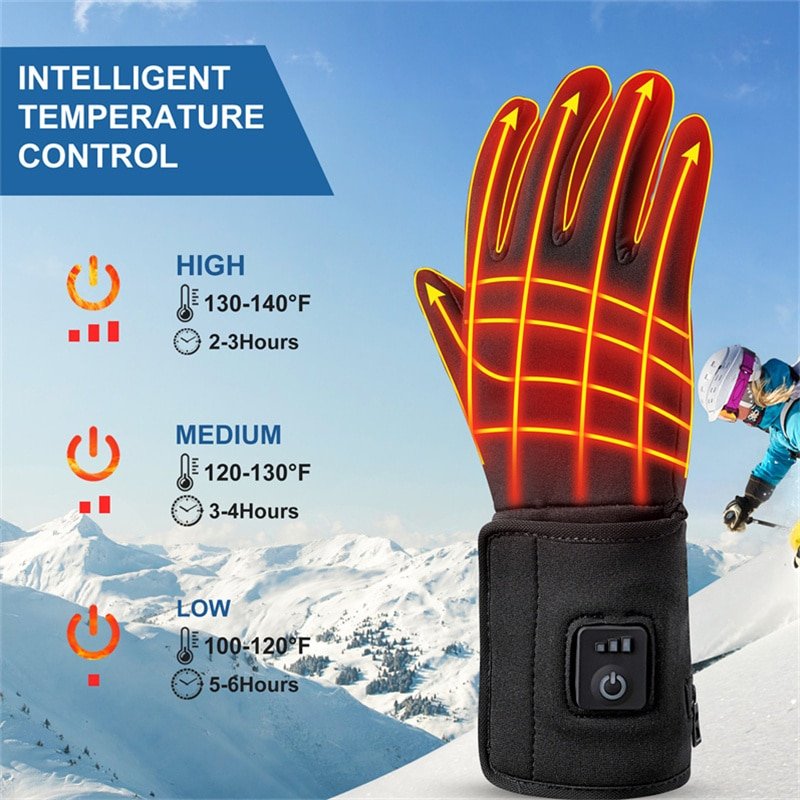
Burn risk assurance, monitors the highest heat of up to 4 hours.
Heating Uniformity Test
Finger and palm thermal imaging to detect variances greater than 5 deg C.
Wiring Bending Test
Important in skiing/snow conditions, getting submerged to check leakages.
Waterproofing (IPX Standards)
Waterproofing (IPX Standards) should also be verified through product testing, because moisture resistance claims must hold up under realistic use conditions.
Battery Runtime Testing
High / medium / low heat in cold chambers to confirm claims.
Certification Requirements for Different Markets
Market-specific rules vary—heated glove import requirements demand tailored compliance, as a European brand I advised learned when U.S. FCC halted their launch.
Europe
CE, RoHS, REACH, UN38.3—focus on EMC and materials.
United States
FCC, UN38.3, optional UL, Prop 65—emissions and warnings key.
Canada
Safety requirements + battery shipping compliance—similar to U.S. with CSA options.
Australia / Japan / Korea
Additional EMC requirements possible, plus local battery standards.
Common Mistakes Brands Make
From project rescues, these common mistakes in heated clothing customization cost time and money, so avoiding them is essential for smoother compliance.
Using Uncertified Batteries
Gives way to shipping blocks–never accept UN38.3 reports.
Assuming CE = RoHS
No–RoHS is independent of materials.
Ignoring Wireless Certification for APP/Remote Control
Bluetooth FCC/CE.
Failing to Test Wiring Durability
Leading cause of field failures in gloves.
Missing Prop 65 Compliance for U.S. Retailers
Triggers warnings or bans.
What Brands Should Ask Their Manufacturer
What Brands Should Ask Their Manufacturer should include a practical certification checklist, because asking the right compliance questions early can save a heated product project from costly delays.
Order UN38.3 + CE + FCC reports on batteries.
Make sure real lab certification (not templates)–check third party stamps.
Safety Assurance Battery design confirmation BMS protection.
Request bill of materials (BOM) to confirm parts.
Solicit QC test videos and aging test reports in order to be transparent.
Demand that PPS sample be approved prior to production so that problems can be identified early.
Final Conclusion — Certifications Are Critical for Safety, Compliance & Brand Reputation
Heated apparel certifications such as CE, FCC, RoHS and UN38.3 make heated gloves safe, sellable and dependable across the borders. By responding to the electrical safety testing of heated apparel and battery certification of heated gloves, as well as material compliance of heated apparel, brands prevent falling into pitfalls and developing trust. Finally, compliance is the best safeguard of users and your business in the increasingly hot market.