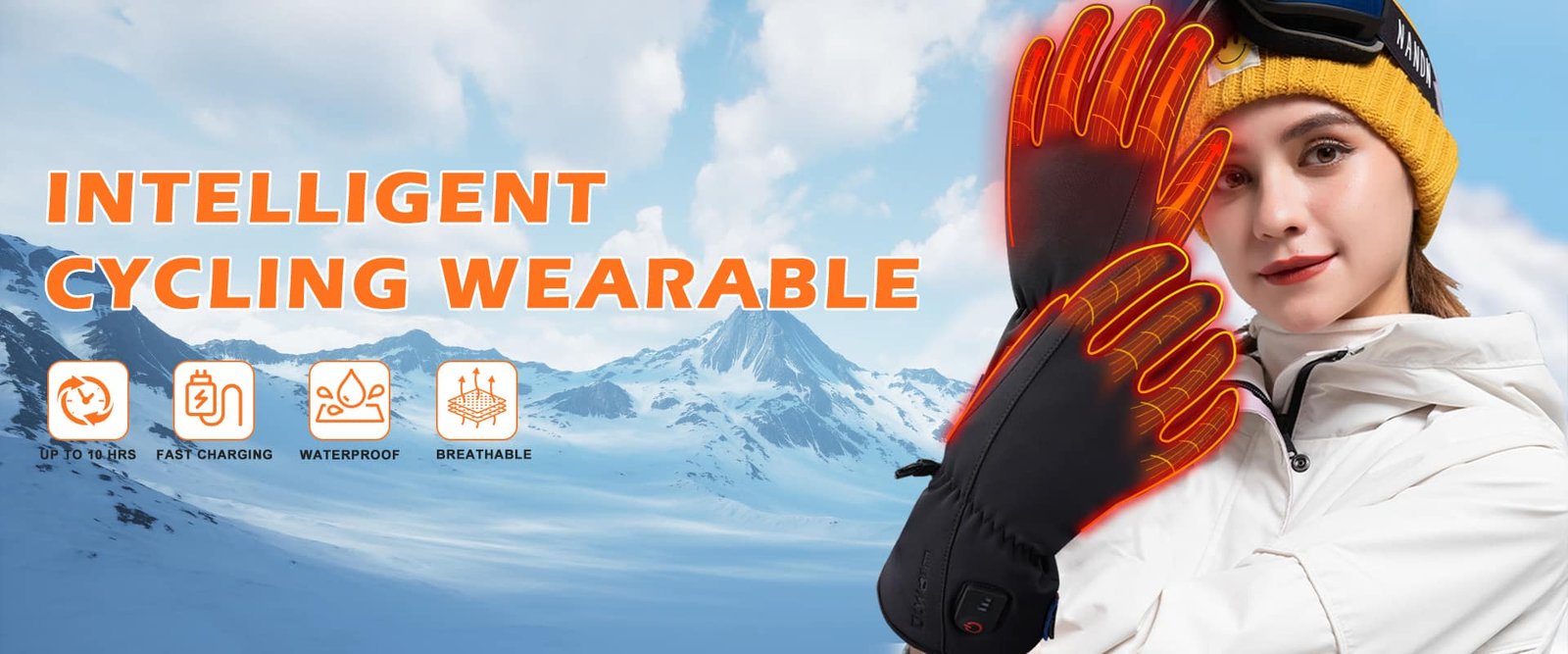

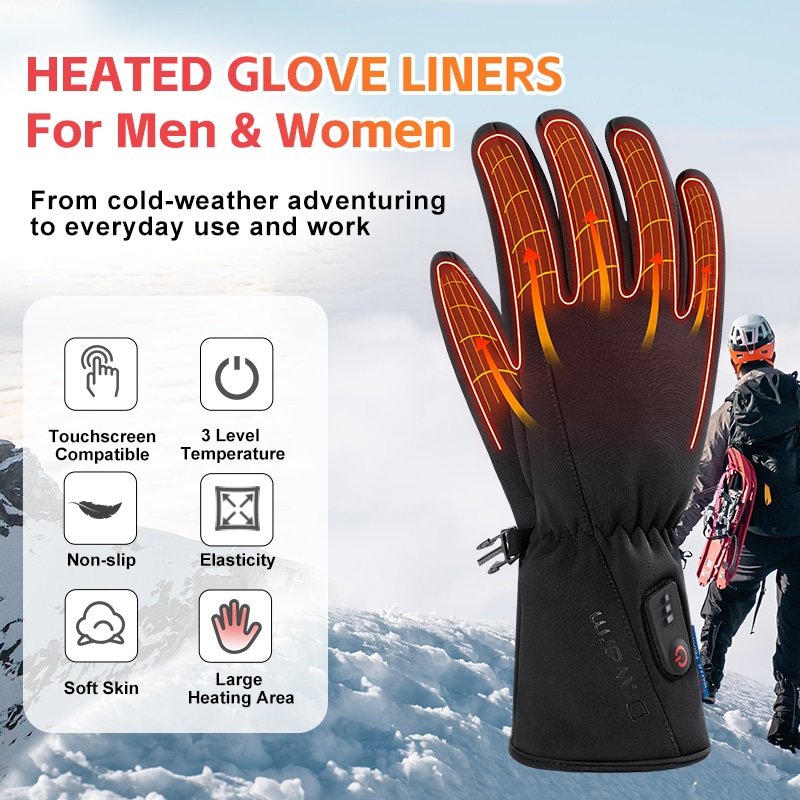
Introduction — Heated Gloves vs Heated Mittens: What’s the Real Difference?
The right handwear can make or break your day in the struggle against biting winter winds and sub-zero temperatures in a way that your day is made or broken when you go to rip fresh powder on the mountains or when you are fighting frost on a construction site. Being an outdoor expert in the cold who has spent seasons developing gear in the Colorado mountains and designing heated clothing in extreme conditions, I have witnessed the way that the isolation of fingers in gloves compared to gluing fingers into groups in mittens changes the way heat is distributed. With gloves hands stay out of each other, with mittens hands come in together, as in a huddle against the cold. It is not just a kind of style comparison but the survival and prosperity in extremes like -20o c skiing or an icy commute where the correct choice does not take away performance but enhances comfort and performance.
Quick Answer — Which One Is Better for Extreme Cold?
The unbiased observation of decades of trial and error on the field and adjustments in the design: There is no single-fit-all, but there are definite winners in science and scenarios.
Heated Mittens Are Warmer
Greater insulation, mutual warmth of fingers- perfect in the freezing weather to keep the body warm.
Heated Gloves Offer Better Dexterity
Perfect in tools, equipment modifications, gripping, which is essential when you must have precision rather than just coziness.
Best Choice Depends on Activity
Work? Skiing? Snowboarding? Everyday use?–Mittens in the passive position and gloves in the active hands-on position.
Why Heated Mittens Are Warmer (Science of Heat Retention)
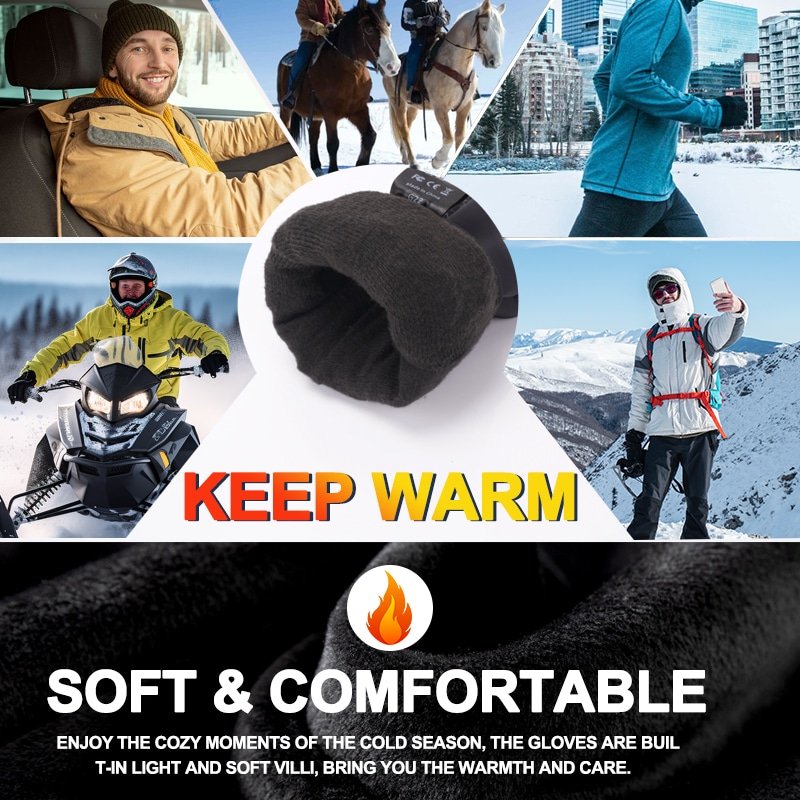
Mittens win the battle of sheer warmness because they make use of biology and physics: fingers create and distribute heat in a small area, which can be enhanced by heating technology. As an engineer, I have made mittens streamlined to be used on expeditions when the weather is -30 C, and this has made them better in passive conditions.
Shared Finger Heat
Fingers are warmed by fingers like a natural radiator, and loss is minimized – warmer gloves or mittens tips to mittens by 10-15% in experiments.
Larger Insulation Volume
Fleece, down, synthetic fill packs have more space in higher cold barriers, where the heated air becomes trapped and it is more efficient.
Reduced Heat Loss
When there is less surface area exposed to air, the rate of dissipation is slower, which is ideal with wind-chilled hands.
Ideal for:
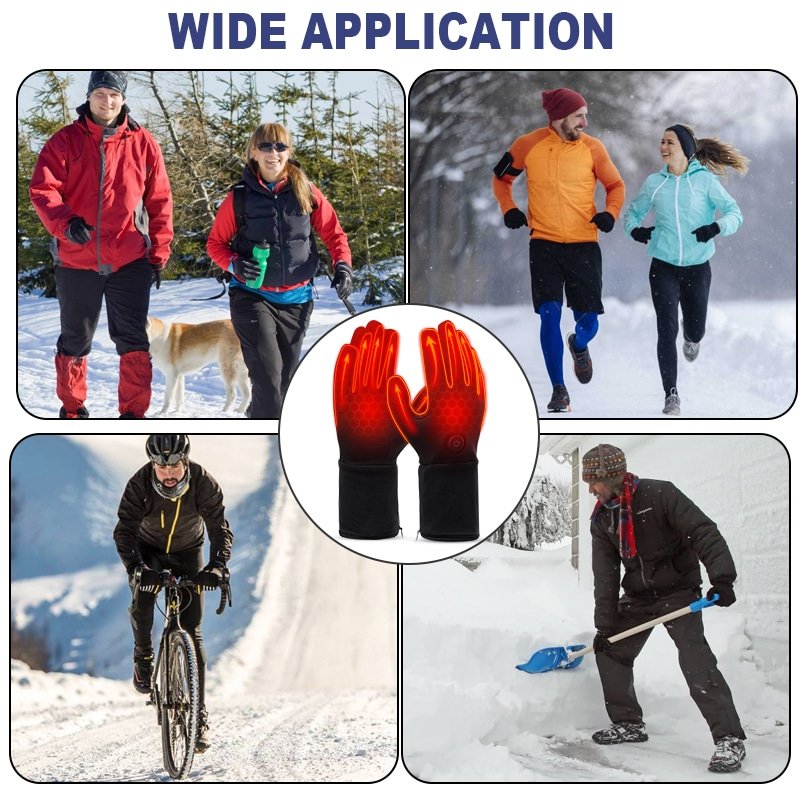
Snowboarding, extreme cold hikes, backcountry outdoor adventure, minimum-move jobs in the outside world, i.e. standing guard in a snowstorm, or just idle days at the resort.
Why Heated Gloves Are More Practical
Gloves are shiny when you want it to be functional rather than as warm as possible – separate fingers equate to on-the-job handwork, which is essential when working with and advising workers and athletes who can not afford to drop the ball.
Full Finger Dexterity
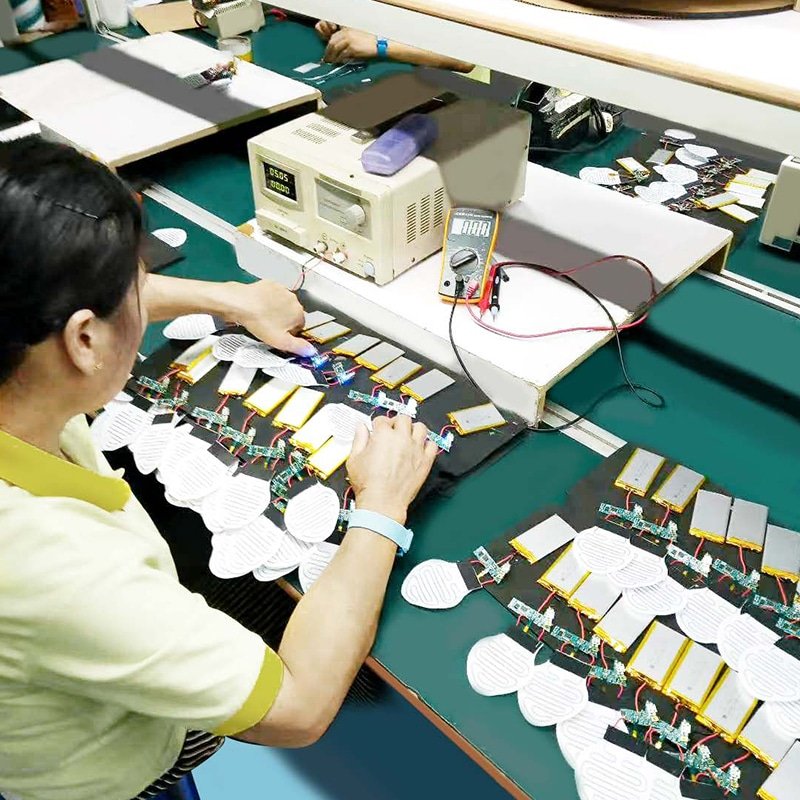
“Full Finger Dexterity Tool use, zippers, phone, bindings- necessary during the adjustment of gear during a run or working with tools. For brands developing professional gear, our custom heated gloves manufacturer provides tailored solutions with optimized finger dexterity and zoned heating.
Better Grip
The benefit of sports, climbing, cycling is that the individual is in control and will not fall on an icy surface.
More Heating Zones
Personal heat fingers permit selective warmth, such as heating fingertips when performing delicate tasks, etc.
Ideal for:
Skiers, construction men, mechanics / utility men, daily commuting – situations in which quick, nimble hands are required.
Heating System Differences Between Gloves and Mittens
The technology within it is different to fit the shape, so gloves have complex wiring of fingers, mittens prefer wide panels. These variations have an impact on efficiency based on prototyping of sets used in polar teams under heat conditions.
Heating Coverage
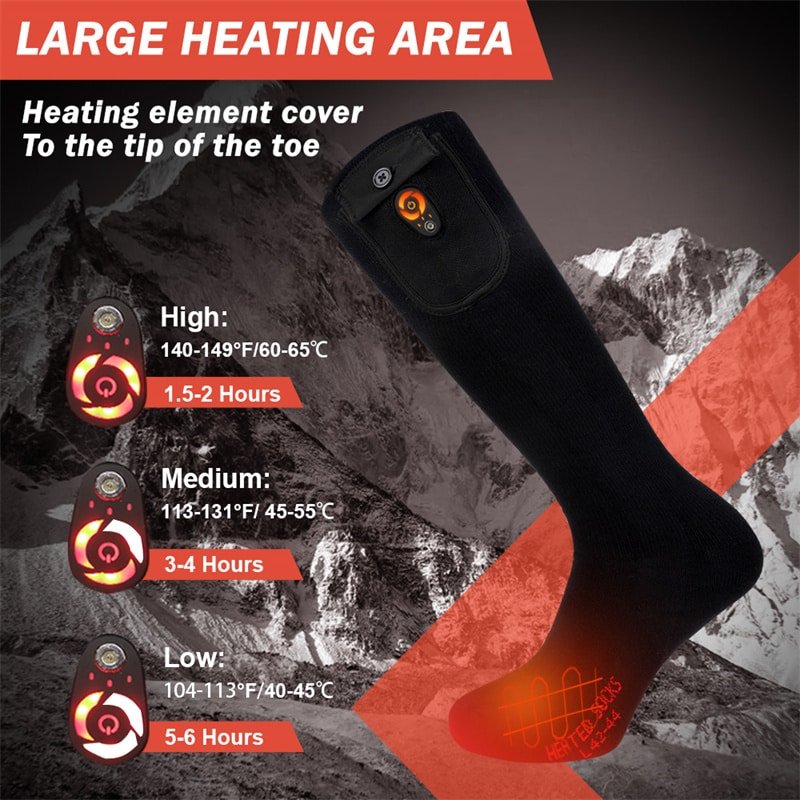
Gloves: single finger wire zoned; Mittens: backhand + thumb heating film blanket.
Power Consumption
Gloves consume more energy because of various zones which consume more batteries in cold.
Heating Element Types
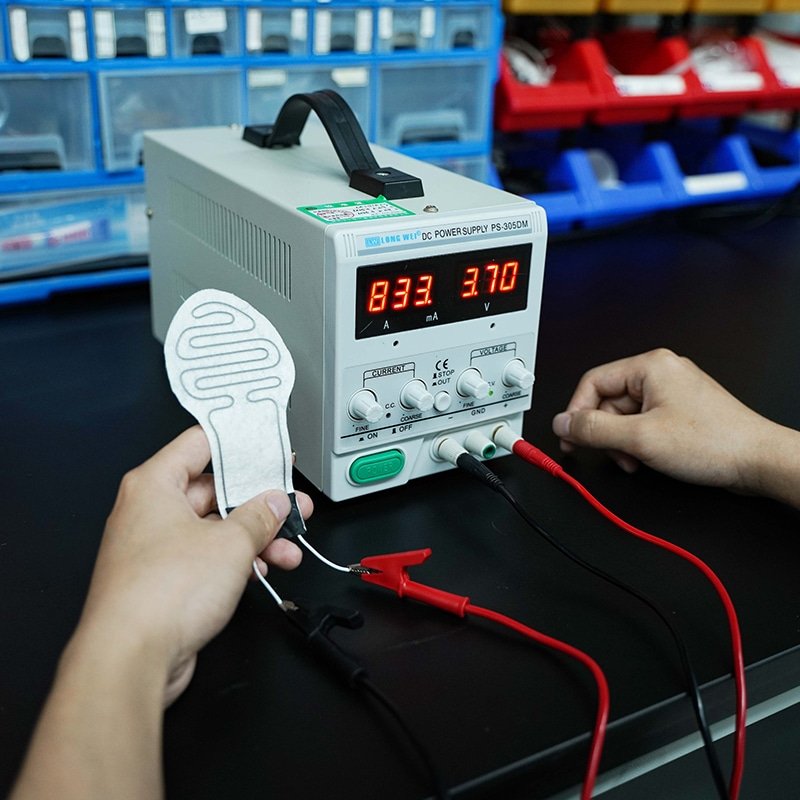
Heating Element Types Glove (Carbon fiber (flexible, durable) mittens (even, thin): graphene film). Learn how we approach heating element design for heated apparel to deliver even heat distribution and durability tailored to glove or mitten construction.
Heat Ramp-Up Speed
Film = quicker and more consistent → more suitable to mittens, the wires in gloves are more time-consuming but can be customized.
Battery Performance in Extreme Cold
Batteries are the blood, and cold kills performance – battery life of heated gloves or mittens needs to take this into consideration as I have done in alpine guide-level designs.
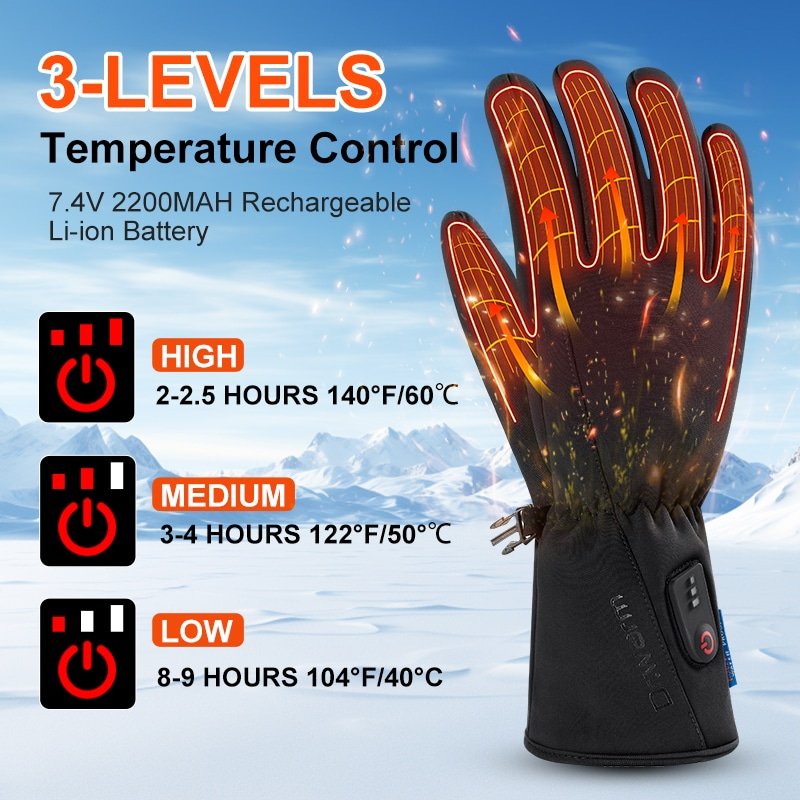
Voltage Options (5V / 7.4V / 12V)
The more the voltage, the more the heat; most people find 7.4V to be the balance and 12V brutal exposure.
Battery Runtime Differences
Mittens consume less energy, therefore will have more time on the job; gloves will use more on the fingers.
Cold-Temperature Battery Behavior
Cold decreases performance 20-40 percent -lithium cells harden, chopping capacity.
Recommended Battery Sizes
Recommended Battery Sizes Gloves: 2000-3000mAH per hand; Mittens: 1500-2500mAH to be efficient. Discover our full range of battery solutions for heated apparel to ensure reliable performance even in sub-zero conditions.
Insulation & Fabric Differences
In addition to heating, materials determine the difference–heated mitten temperature performance tends to lose the competition to bulk but gloves are focused on agility.
Gloves
Less insulation → more manoeuvrability in work; thin linings such as Thinsulate.
Mittens
More insulation →highest levels of warmth with high loftiness to hold passively.
Waterproofing Requirements
Ski gloves & mittens must be IPX waterproof to handle snow melt.
Windproof Barriers
Critical on slopes and extreme winds; should be IPX waterproof to deal with the melting of snow.
Use-Case Comparison — Which Is Better for Each Activity?
The choices made in real life depend on requirements- heating gloves or mittens in extreme cold depends on the movement and exposure.
Skiing
Skiing Dexterity gloves- pole plants and adjustments require the freedom of the fingers. See why heated gloves are essential for skiers and snowboarders in our detailed guide covering performance needs on the slopes.
Snowboarding
Mittens for warmth—few grips, lots of chilled snugness to play with.
Construction & Outdoor Work
Construction & Outdoor Work Gloves = tools; equipment; mittens against cold idleness such as waiting shifts. For professionals in these fields, explore the best heated gloves for construction and outdoor workers to find options built for demanding environments.
Mountaineering & Polar Travel
Thick gloves to work without delicate work.
Daily Winter Commuting
According to the weather–gloves at town, mittens at airing.
Safety Considerations for Heated Gloves & Mittens
Safety is not a matter of choice in extremes, because the possibility of overheating in heated jackets is an issue in this case, but handwear introduces the issue of skin contact.
Overheating Protection
Sensors + auto off reduce burns; NTC zone per zone.
Waterproof Battery Housing
Contact with snow requires closed packs to prevent shorts.
Reinforced Wiring
Mandatory on gloves (more bending) to be able to flex without failure.
Certifications
CE / FCC / RoHS / UL / UN38.3 provide certain functionality.
Common Mistakes When Choosing Heated Handwear
Traps of athlete and employee comments:
Buying Gloves for Extreme –25°C Environments
Underappreciates the high insulation of mittens.
Ignoring Battery Runtime in Cold
Leads to mid-day failures.
Choosing USB 5V Gloves for Winter Sports
Too weak for wind.
Not Checking Finger Heating Coverage
Causes cold tips in gloves.
Buyer Recommendations — Gloves or Mittens?
Buyer Recommendations — Gloves or Mittens? When it is too cold: → use heated mittens to be as warm as possible. In dexterity and activity → select hot gloves in functionality. Take wind chill, movement and time of exposure in picks. Select 7.4V systems performing to strike a balance between heat and life. Carbon fiber or graphene heating elements are more durable and even. For a step-by-step how to choose the right heated gloves for winter sports including key specs and comparisons, refer to our comprehensive 2026 guide.
Final Conclusion — Both Are Excellent, but the Best Choice Depends on Your Activity & Environment
Finally, it is a matter of trade-offs between Mittens as superior warmers due to shared heat and insulation and gloves as practical due to dexterous, zoned heat transfer, low-activity like backcountry hikes versus active sports like skiing or work. Based on the design of balanced engineering patterns to the trials conducted on frozen trails, the science favors mittens in pure cold defense and gloves in versatility. You can weigh the needs, finger heating vs palm heating, mobility vs. max insulation and you will end up with gear that can face the winter without any yield.