Introduction — Heated Clothing Is Entering a New Innovation Cycle in 2026
Swimwear is no longer the clunky, battery-laden experiment it once was, but instead a smooth, built-in garment that is as utilitarian as it is a trendy. In 2026, the combination of technology, consumer needs, and materials is making the category move ahead- think smarter controls, which adapt to your body, longer lasting and lighter batteries, and materials that conduct heat more easily, without losing breathability. Being a technical trends analyst, who has years of experience studying the heated apparel market, an engineering professional, who has created systems to support outdoor brands, and an advisor to gear on cold-weather users, the ways these changes resolve actual issues show up clearly, such as the loss of power during freezing conditions or the lumpiness of heating when exercising. This is not simply a hype but it is complemented by the increasing demand of the product heated jackets and other products of the likes so it is an opportune moment when the brand can create and take the market share.
Key Heated Clothing Trends Defining 2026
In the future, 2026 will be characterized by innovation that will bring the idea of heating gear more intuitive, portable, and sustainable – trends visible in recent prototypes and market reports.
Smart, Connected Heating Systems Become Standard
APP control, multi-zone control, predictive temperature algorithms–gear will automatically make adjustments depending on activity or weather, and less intervention is required. These app-controlled heating systems are quickly becoming the standard for brands that want truly intelligent, low-effort heated apparel.
Batteries Get Lighter, Smaller, and Longer-Lasting
Dense lithium cells, GaN charging, flexible batteries – predicted to run as long as 10-12 hours with packs 20-30 percent lighter than 2025 models. These advances in battery solutions for heated apparel are what make the lighter, longer-lasting packs of 2026 possible.
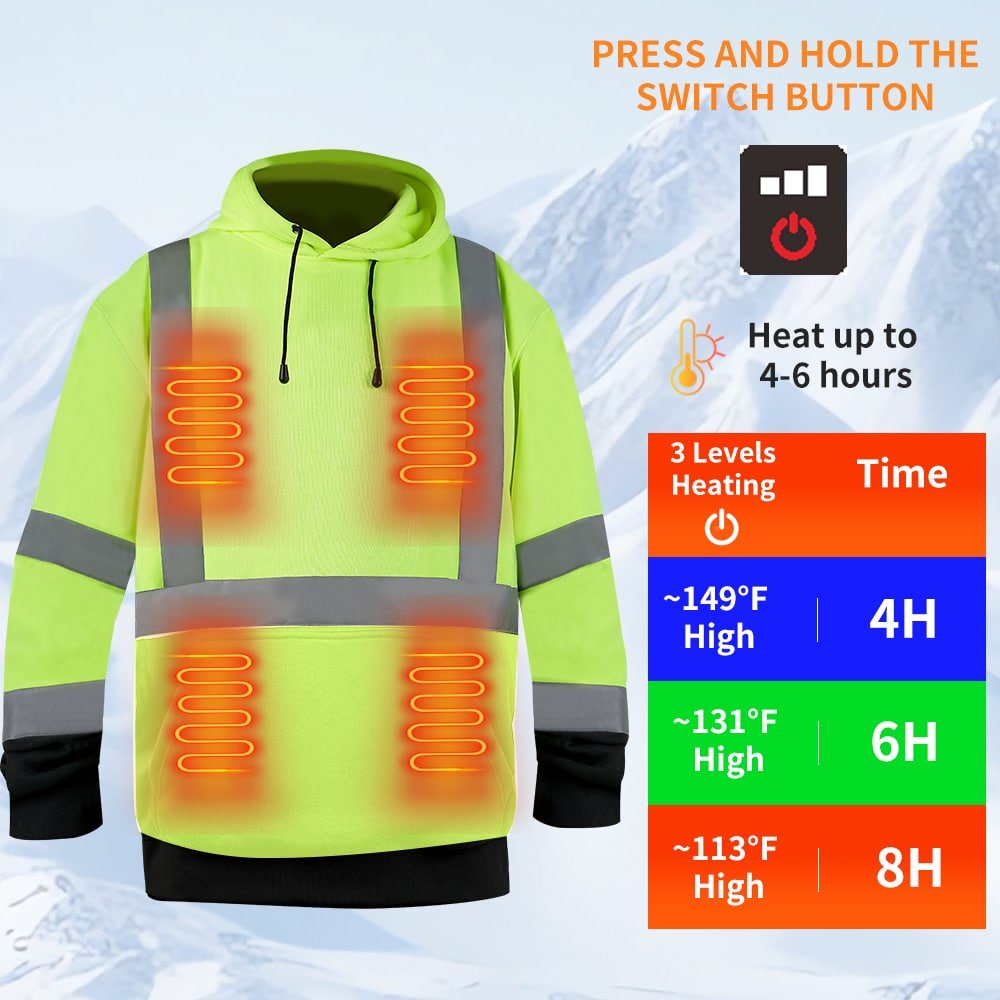
New Fabrics Transform Comfort & Heat Efficiency
Graphene combines, softshell upgrades, eco-friendly insulation, materials wicked and materials that transfer heat quickly and made to be worn all day.
Heating Elements Becoming Thinner and More Efficient
Elastomeric films, micro-carbon circuits- providing even heating with reduced power consumption, perfect fit. Modern heating element design now allows these ultra-thin systems to be integrated almost invisibly into everyday garments.
Trend #1 — Smart Temperature Control Becomes the New Normal
The move towards smart heated clothing is gaining momentum, and the switches have progressed beyond simple switches into smart systems that learn and change. A clear understanding of today’s temperature control systems helps brands choose the right level of intelligence for their products. From an engineering viewpoint, this means the user is no longer irritated by having to manually adjust the cold that varies as the user sweats, i.e. a jacket that detects sweat and adjusts the temperature so the person does not feel hot.
Multi-Zone Intelligent Temperature Management
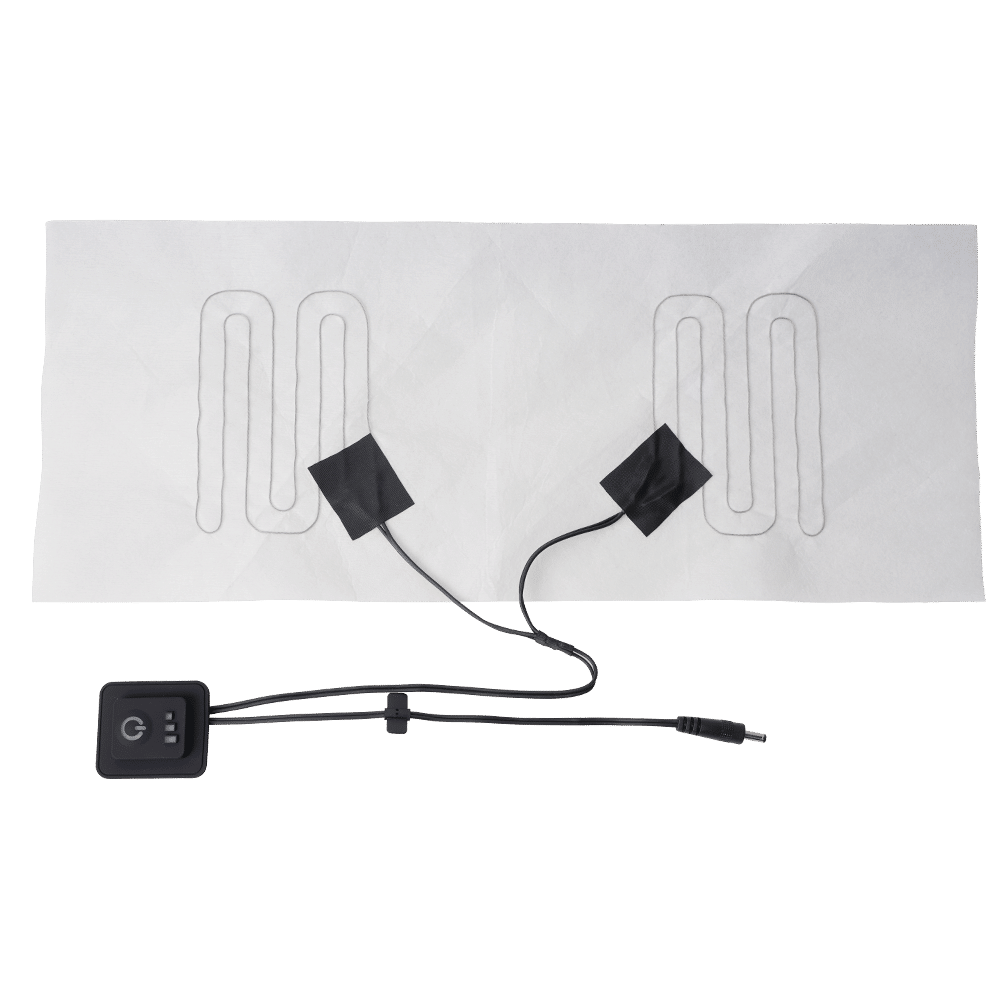
These were made in different parts separately but each part was independently made such that the core was made high to keep it warm and also the sleeves were made low so they could move.
APP + Bluetooth Connectivity
Live temperature, time scheduling, smart presets – users create commuting or hiking profiles, and the app will notify about a low battery.
AI-Assisted Heat Optimization (Emerging)
It forecasts cold exposure depending upon movement or the weather–combining GPS or activity information with prefilling the kettle, which requires less power.
Voice & Wearable Integration (Future-Leaning)
Smartwatch/voice assistant compatibility- can be adjusted using Siri or the watch, hands free, can be used in gloves or jackets.
Trend #2 — Next-Generation Battery Technology
In 2026, batteries will receive a significant upgrade, with the emphasis obvious in the areas of density and efficiency, which will address the age-old problem of bulk versus run time. In advisory work, these combinations of battery technology in heated clothes allow the most narrow figures without power loss according to the latest achievements in lithium cells.
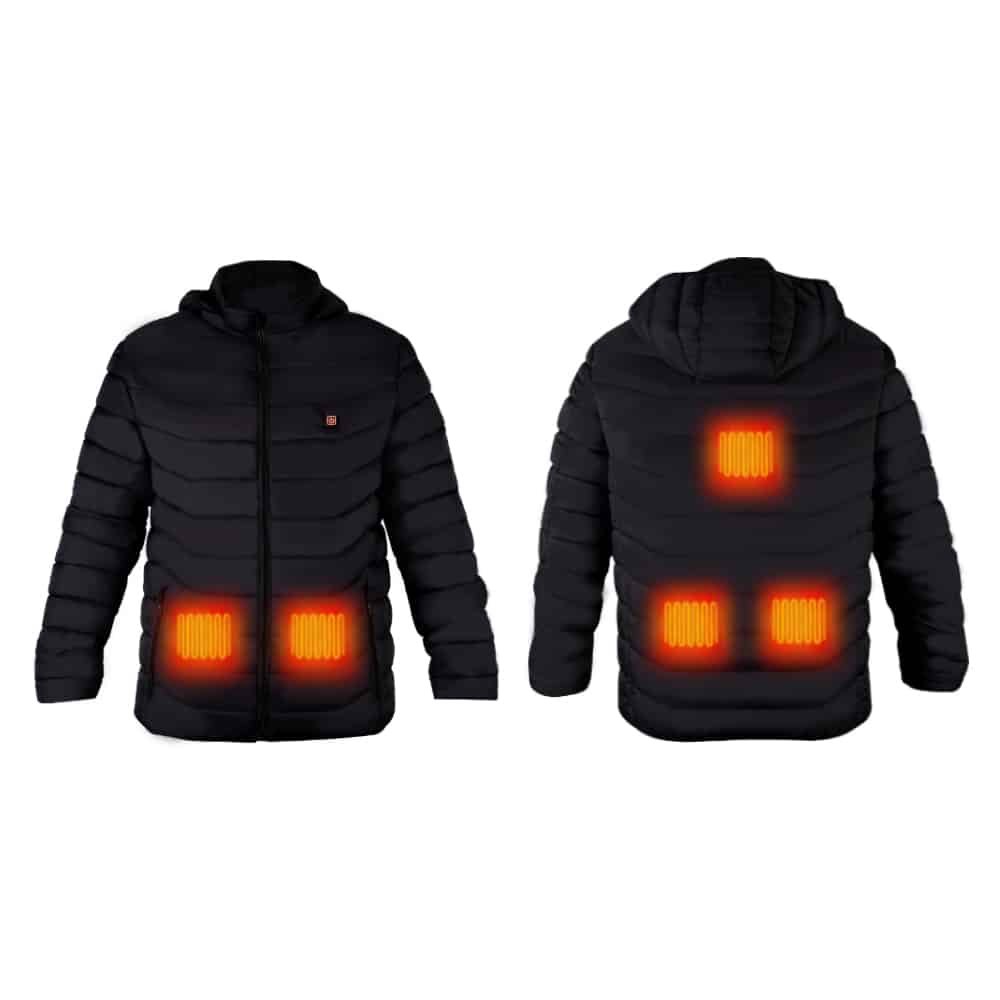
Higher Energy Density → Smaller Batteries
Enhanced lithium polymer, 21700 cells- cramming a third to half the volume of energy into the same volume to expand running range to up to 12 hours.
Faster Charging With GaN USB-C
Faster + reduced charging time – 0-80 percentalready in 30 minutes, and less heat generation to allow daily operation.
Flexible & Curved Battery Packs
Increased comfort of heated gloves, socks, vests- flexible patterns fit the body shape, eliminating pressure areas.
Better Cold-Weather Performance
Increased comfort of gloves, socks, vests- flexible patterns fit the body shape, eliminating pressure areas.
Extended Runtime Solutions
Cell chemistry optimized to low temperature -20 degrees -20 degree C- retains 80-90 percent of its capacity in the -20 C operating range, which is important in heating winter clothes.
Trend #3 — Advanced Fabrics and Construction for Heated Apparel
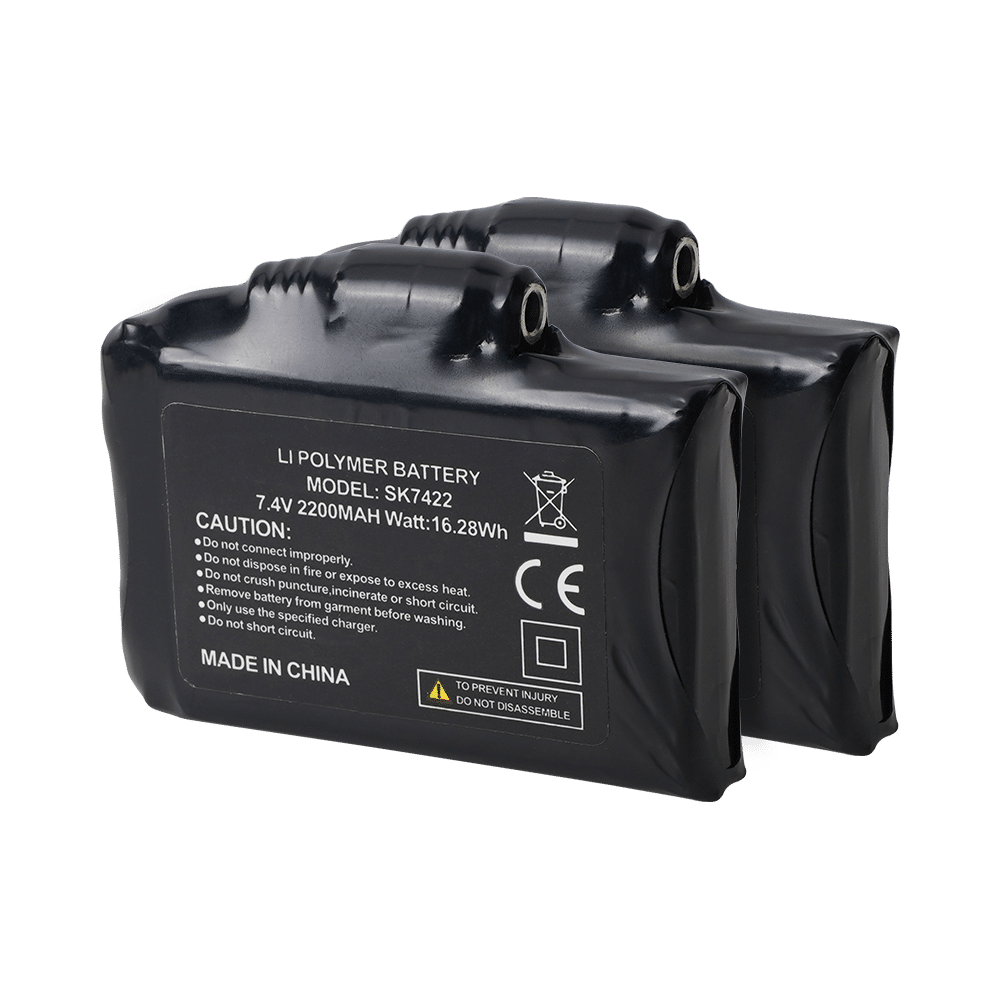
Clothing is no longer a passive vehicle in technology, but an active participant in the process of heat management. A note on material trends: in 2026 there will be new materials in heated apparel that combine lightness and sustainability with conductivity, which will make the gear more adaptable.
Graphene-Enhanced Fabrics
Lightweight, conductive, rapid heat transfer- blends that weave graphene to w-heat systems of graphene fabric, reducing the warm-up on heating systems by half.
Thinner Yet Warmer Insulation Materials
Aero-gel blends new synthetic fibers- new synthetic fibers which entrap heat half the thickness boosting mobility in jackets.
Waterproof + Breathable Laminates
Better IPX ratings of gloves/jackets – membranes that block moisture but allow sweat to pass through.
Stretchable, Body-Mapping Fabric Designs
Greater comfort, movement and thermal conductivity- areas that shape to body shapes to provide comfort in warmth.
Eco-Friendly Material Development
Polyester recycling, bio-based insulation, the eco-friendly material of heat-conductive clothing, which will capture the interest of the green consumer.
Trend #4 — Heating System Innovations
The heating components are becoming narrower as they increase in efficiency as they deal with the bulky issues of the former models. Engineering wise, these light and thin wafer-like heating are allowed to be seamlessly integrated into daily wear.
Ultra-Thin Flexible Heating Films
Greater comfort + reduced energy consumption- invisible warmth base layers using films less than 0.2mm thick.
Micro-Carbon Heating Webs
Strong, uniformly spread heat – networks that do not break, can be used on high-movement equipment such as pants.
Multi-Layer Thermal Architecture
Designing heat-retaining layers -building in elements that are insulated, that is, 20 percent more effective.
Safer, Sensor-Rich PCB Designs
Improved overheats protection -built in real time monitoring and automatic adjustments. Reliable PCBA design for heated wearables is the foundation that makes these real-time safety features possible.
Trend #5 — Growing Market Demand in Key Segments
The demand is not homogeneous, it is booming in areas where technology intersects with the necessity, according to consumer data showing average annual growth of 15-20%.
Winter Sports
Snowboarders desire lighter equipment – the designs of next generation heated clothing in the slopes where there is no weight drag.
Outdoor Workers
The construction, utility, logistics are looking at long-term warmth in shifts.
Everyday Commuters
City cold-weather customers prefer something discrete and app-based.
Medical & Therapy Heat Wearables
Heated sock or vests with blood circulation assistance.
E-Commerce & DTC Brand Expansion
The increased brands venturing in hot categories through online, finding consumers with tapping battery heated clothes.
Business Impact — Why Brands Should Pay Attention
To brands, it is not just a fad, but a source of revenue with the business opportunity of hot apparel folded into it, which is a common recommendation for portfolio expansion.
Higher Profit Margins Compared to Regular Apparel
Heated clothes = high price, can bring up 50+ per cent margin on tech-enhanced products.
Fast-Growing Market
Summer demand is growing by year over year of 12-15 CAGR to 2030.
Product Differentiation
Differs in the market such as AI temp control.
Strong Repeat Purchases
Loyalty and add-ons are created by batteries, upgrades, accessories.
Supply Chain & Manufacturing Have Become More Accessible
There is no necessity of in-house R&D-mature ecosystems reduce barriers.
Mature OEM/ODM Factories in China
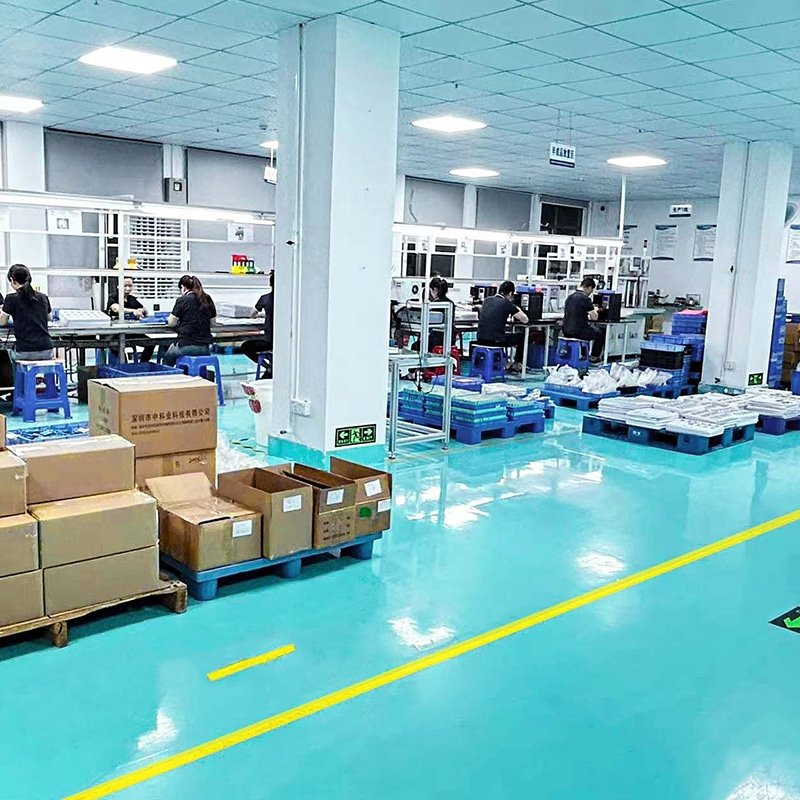
Give end-to-end development, including scaling. Working with established OEM/ODM factories removes the need for brands to build their own R&D and production capabilities from scratch.
Lower MOQs Than Before
Brings category and small brand accessibility available at 200-500 units.
Faster Sampling & Development
2-4 weeks Standard schedule of custom tweaks.
Better Certifications & Compliance Support
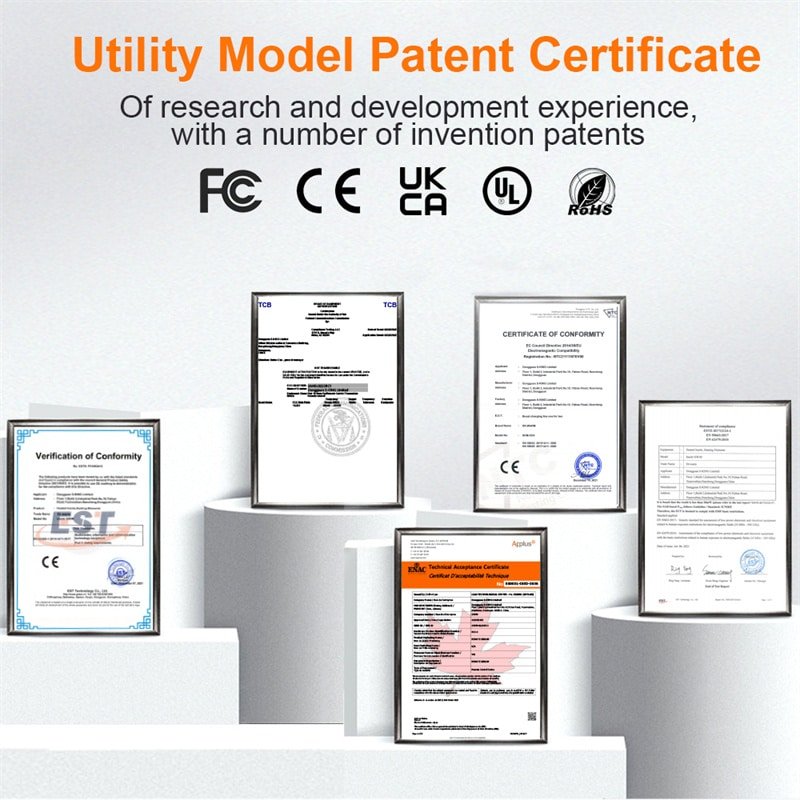
CE / FCC / RoHS / UN38.3 → less difficult entry into the market, factories deal with global standards.
Challenges Brands Must Consider Before Adding Heated Apparel
Balance chances with realities- problems routinely offset at launch.
Battery Logistics & Certifications
Complicated shipping under UN38.3, as well as safety compliance.
Seasonal Demand Planning
Seasons in fall/winter, at risk of stockouts or overages.
Higher Return Rates Due to Sizing or Usage Errors
Education on charging and fit is needed by the consumers.
Need for Strong QC & Functional Testing
Guarantees failure-free in cold or wet environment.
Educating Customers on Usage & Charging
Establishes trust, but needs resources.
Recommendations for Brands Preparing for 2026
To capitalize: Smart control system through differentiation. Select light weight batteries with powerful BMS to be reliable. New fabrics and improved insulation will be comfortable. Furnish products created in the style of multi-zones heating. Preplan ahead of demand to get winter inventory. Collaborate with established
Final Conclusion — Heated Apparel in 2026 Will Be Smarter, Lighter, and More Comfortable Than Ever
Near the year 2026, a new era of innovations in heated apparel promises to create not only warm clothes but also intuitive and sustainable ones as a result of the developing trends in the sphere of heated clothes such as AI controls and environmentally friendly materials. The brands which adopt them, using the technology of heated clothing batteries and new materials to make heated apparel, will enter an untapped, highly promising market with a client base. In the end, this development also improves user experience and creates lucrative opportunities, which makes heated lines an intelligent choice to control winter.
Frequently Asked Questions
Is AI-driven heating actually shipping?
Adaptive control is real and shipping: a controller that reads temperature and adjusts output is mature technology. What is mostly still a demo is prediction — deciding the setting from weather, GPS or activity before the wearer feels cold. Treat “AI” claims as a question about sensors, not software.
Are flexible or solid-state batteries available yet?
Flexible pouch cells are available and already used in curved packs; thin-film and solid-state cells are not in volume apparel production. The practical 2026 answer is shaped lithium packs, not a new chemistry. A brand planning a line should design around today’s cells and treat future chemistry as a drop-in only if the voltage and form factor match.
Should a brand wait a season for better batteries?
No. Packs are already customizable from 2,200mAh through 5,000mAh and above, and waiting costs a selling season without changing what you can build. What does pay back is keeping the pack form factor and connector stable across seasons, so a customer who bought last year can still buy a spare pack this year.
Which trend actually reduces returns?
Not the headline ones. The measurable reduction comes from a stable mid-setting that holds as the pack drains, honest runtime figures stated with their conditions, and a size chart that accounts for the layer the wearer will put under the garment. Those three are unglamorous and they move return rates more than any app.