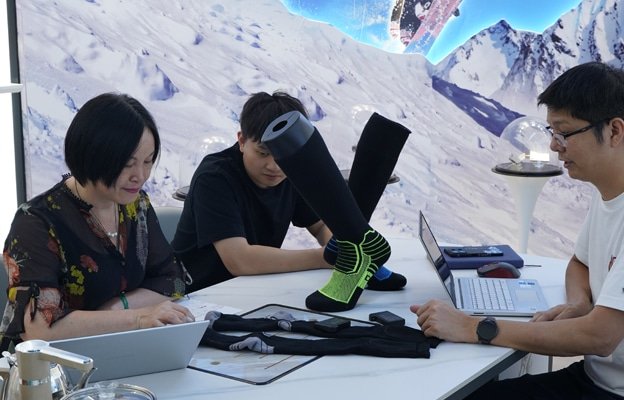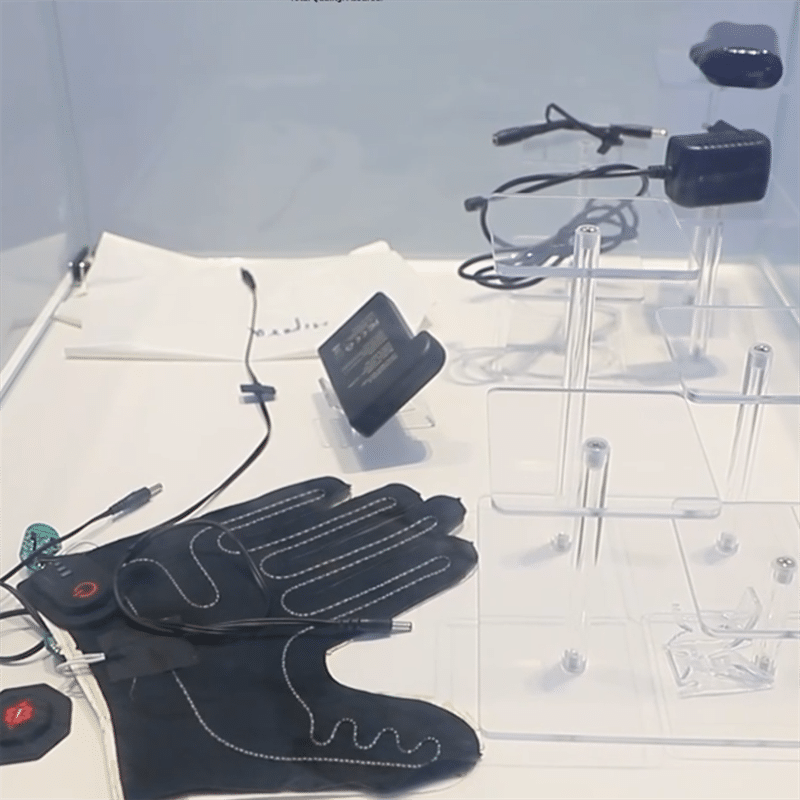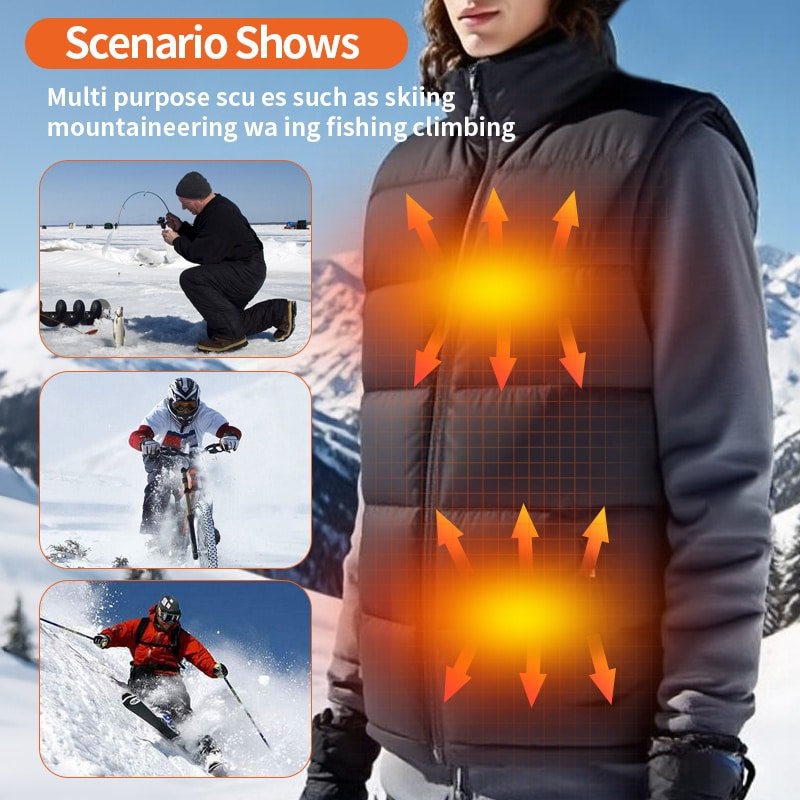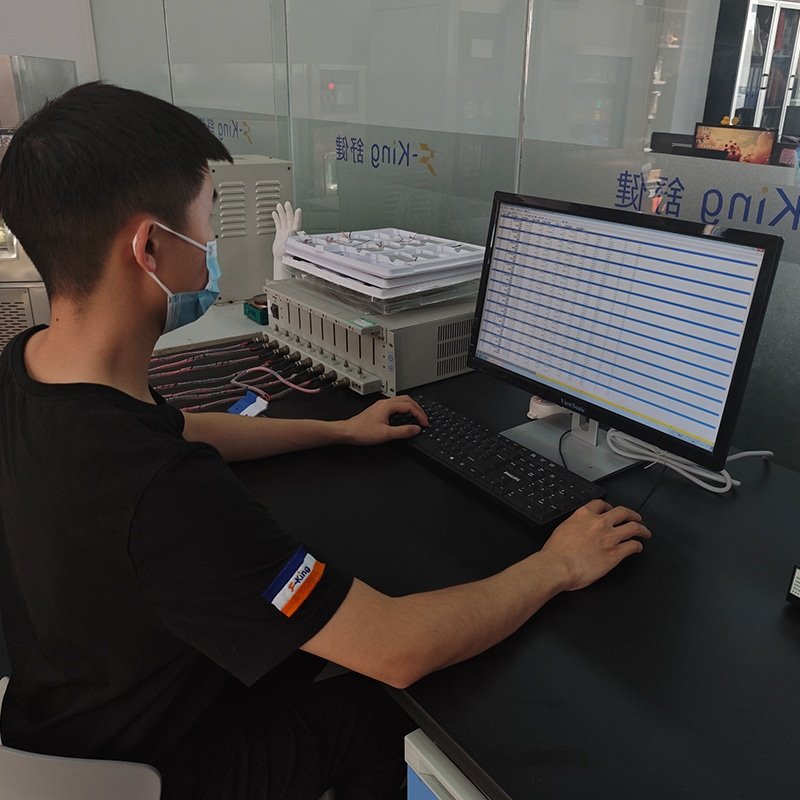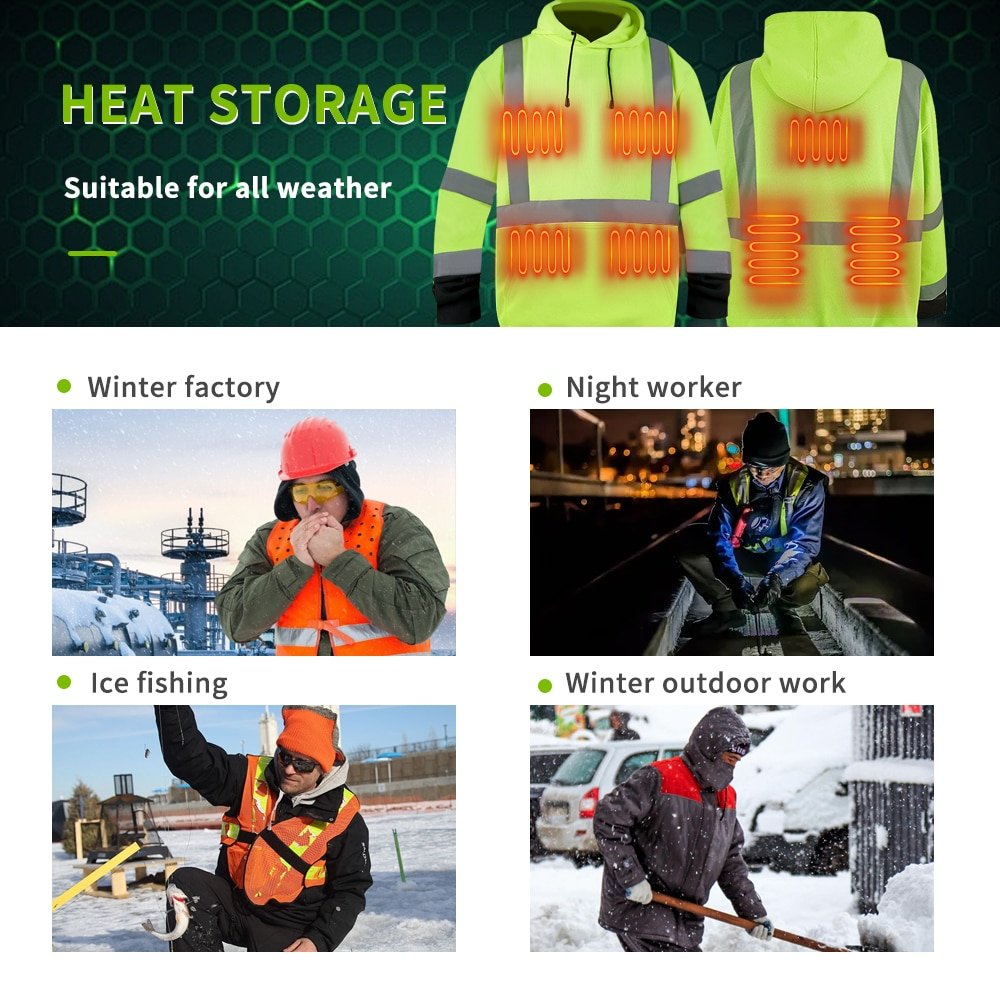

Effective design of a warm wearable system necessitates system design, heating, battery, and electronic control, material, and validation. The vast majority of effective product engineering in heated wearables is not the use of powerful components, but the creation of a balanced, unified system that can be held together and be safe as well as be made in large volumes.
Most brands assume that large amounts of heat generated are synonymous with the quality of the product. However in reality most failures in the field of the apparel that is being heated are caused not by the bad quality of the individual components but rather by the not well integrated systems. Even a heating element that is rated up to high B can cause irregular performance, safety, or failure early before the battery can supply the power required to supply power to the full output, or the logic programmed on the controller, or the mechanical properties of the fabric. Engineering choices during early design phases, such as the way elements communicate with each other, are largely what make or break the product in terms of consistent warmth across hundreds of cycles, or a liability in the form of overheating, short run time or durability.
System Integration Is More Important Than Component Selection
Standalone component specifications are not as effective as system integration is in the construction of reliable worn wearables.
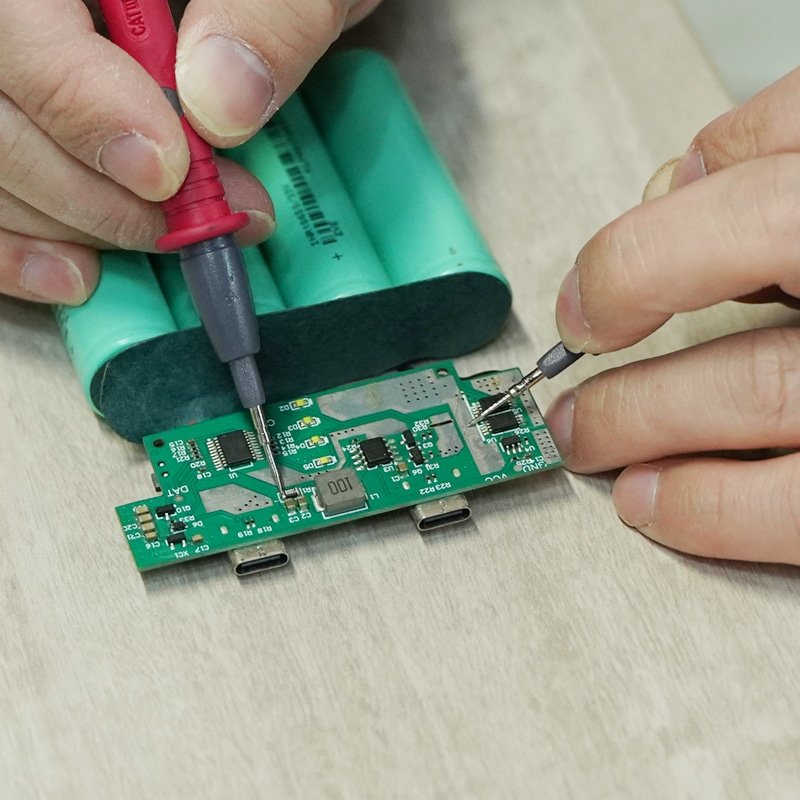
The customer tends to have belief in individual high-specific parts like a low-resistance heat film or the high-capacity lithium battery. These components may bring instability unless matched appropriately. An example of this, a heating element that has such a low resistance that it requires low voltages, may attract too much current, and will be discharged too quickly, generate too much heat, or cause a hotblooded controller to fault. Equally, incompatible wiring or connection could result in voltage drop-outs, sporadic power or electrical arcs during motion.
Some typical integration risks are noted in the table below:
| Engineering Element | Integration Risk |
| Heating element resistance | Voltage mismatch |
| Battery capacity | Overcurrent risk |
| Control logic | Thermal fluctuation |
| Wiring layout | Wear and failure points |
| Connector quality | Power instability |
Addressing these requires iterative simulation and testing during the heated product design when heating occurs to make sure it fits through across the whole chain. Lack of integration usually manifests itself when the prototypes have been sent to the users, and this leads to expensive changes or recall.
Heating Architecture and Thermal Distribution
Regular distribution of heat inspections is also required in hot wearables in order to satisfy the comfort of the user and the safety of the products.
Marketing often points at maximum temperatures (e.g. up to 60 o C), but this measure is misleading without taking into consideration even heat distribution. Inefficient distribution results in hot spots that may cause skin discomfort or burns and cold zones make perceived effectiveness lower. Gloves should not limit the dexterity in their heating, socks on their toes and arches where heat escapes should be covered in socks, core areas such as the back, chest and the lower back should be collected in jackets to prevent torso heat loss effectively.
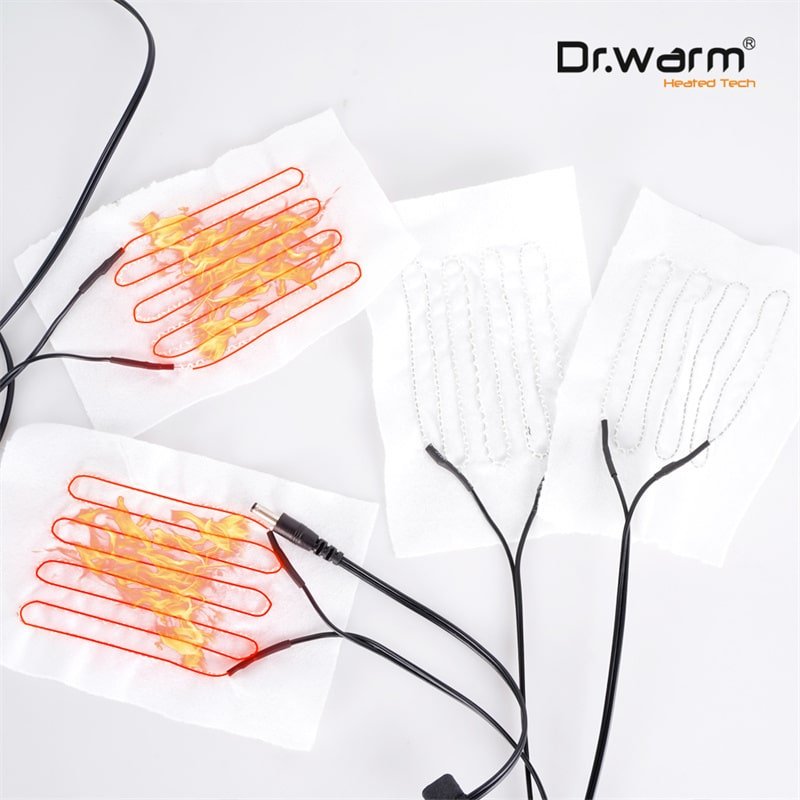
Flexible and uniform arrays of carbon fiber or conductive yarns tend to work better than conventional wire components, although they have to be designed to accommodate the motion in garments, which may be creating or breaking circuits where it isn’t intended (e.g. the knees or elbows can overheat an area) or concentrating where it is unwanted (e.g. the armpits which might mask a circuit). The heat flux across body zones has to be modeled by engineers and taking into account the factors of insulators layer and of ambient conditions, and not basing on maximum output alone.
Battery Engineering and Protection Strategy
The choice of battery and battery protection strategy conditioning on the runtime, safety, and stability directly.
Lithium-ion cells dominate and dominate the heated wearables, however they require more specific matching to heating loads. It will cause short operation at high settings due to undersized capacity, as well as the unnecessary weight and bulk of oversized packs. Discharge rate should be in a position to sustain peak operating current without voltage drop which may lead to dimmed heating or controller resets.
It must have a powerful Battery Management System (BMS). It stops overcharge, over-discharge, short circuits and what is very important, thermal runaway which is a chain reaction where excess heat leads to further heat production. Early cutoff by thermal sensors incorporated close to cells is allowed.
| Battery Factor | Engineering Impact |
| Capacity sizing | Runtime stability |
| Discharge rate | Heat consistency |
| Protection circuit | Safety assurance |
| Connector type | Durability |
At low temperatures, the effective capacity is decreased by cold temperatures, hence engineers employ low-temperature compensation or pre-heating logic.
Control Logic and Temperature Management
Determined control logic brings about stable temperatures over extreme peaks.
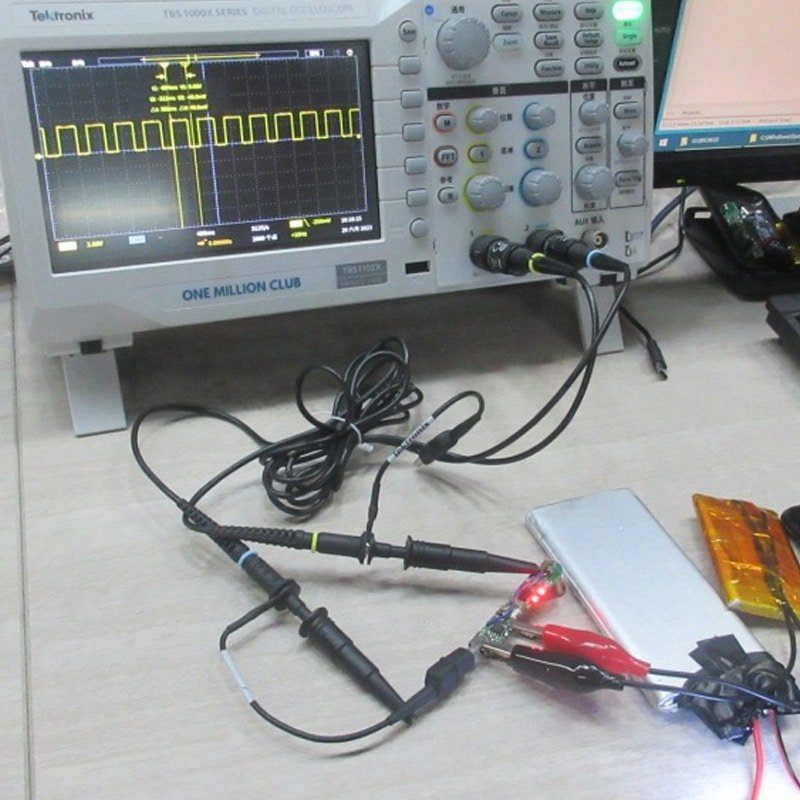
On/off switches (SwitchBank) are basic in nature and usage, whereas multi-level (typically, 35 settings) controllers enable the adjustment of swimmer intensity. More sophisticated systems use NTC thermistances in closed-loop feed-back, where set points are held regardless of the ambient conditions or body heat. Bluetooth controllers using the app business model help to provide convenience but also create complexity, since the firmware has to handle connectivity dead time without going into dangerous modes.
Constant, low to moderate temperature (4050) is more efficient than short bursts of high temperatures, which relieves the user of temperature variations and reduces battery life.
Material Integration and Wear Durability
Mechanical wear performance-heating performance is well balanced with success in material integration.
Heat layers such as film, wire, or yarn need to be attached to fabrics in a manner that does not affect the flexibility or breathability. Wetness through sweating or washing is dangerous: conducting paths may corrode and the insulation may deteriorate or shorts may occur. Encapsulation and hydrophobic processes are beneficial, though flexing stress in repeated bending (such as gloves or pants) hastens the wear.
Washability needs proper choice of connectors and routing to endure cycles without delamination or resistance tortoise. Testing to ensure adhesion is accomplished in extending, abrasion, and laundering engineering tests to show how long the field will last.
Engineering Verification Before Mass Production
Complete testing helps to distinguish prototype viability and production quality.
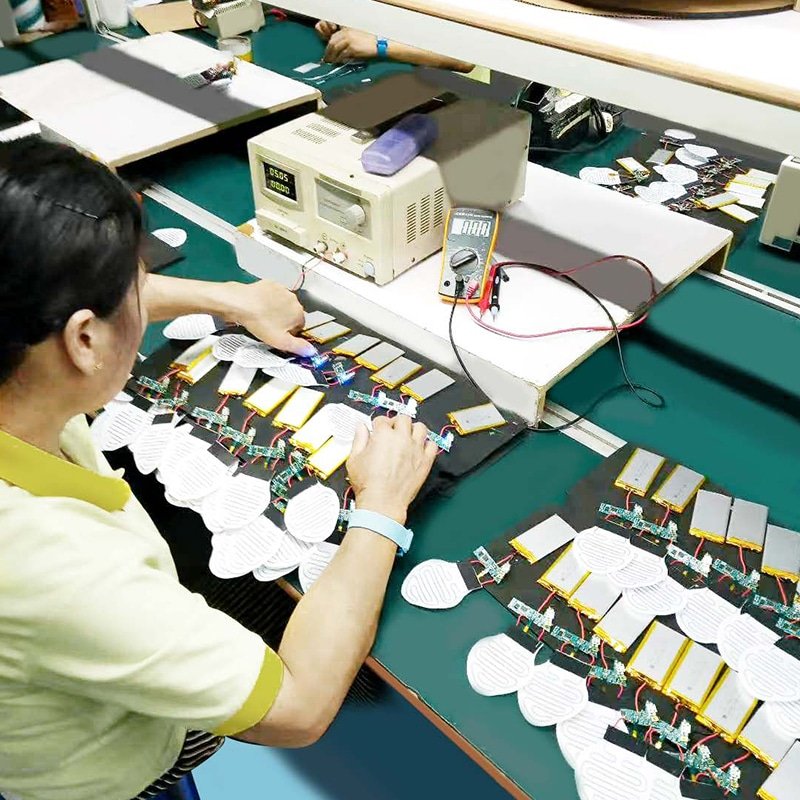
Lab prototypes may initially work in well-controlled environments but real-life conditions, such as temperature cycling, humidity, mechanical stress, and so on, may demonstrate shortcomings. Years of use are simulated by the endurance testing (thousands of on/off cycles), the extreme cold and the warm thermal cycling, and accelerated aging. Over-temperature protection should activate in a stable manner; battery fault injection is done.
The omission and hurriedness of these steps creates invitations of field ordeals, which hurt the brand confidence
Common Engineering Mistakes in Heated Wearables
A number of repeated faults compromise wearable reliability at high temperatures:
- Focus on Producing high amount of heat at the cost of uniform distribution and stability.
- Neglect of voltageresistance balance resulting in inefficiency or hazards.
- Calculating a fraction of the interaction between fabrics, leading to delamination or limited motion.
- Replacing real-use simulation, e.g. dynamic motion and cold-soak test.
- Using lab conditions only without considering the variability of the user.
These omissions can be dated to the wish to make short-term specs over short-term system behavior.
Conclusion — Engineering Determines Long-Term Reliability
Dependable heat products in wearables are arrived at through obsessive engineering choices which focus on integration, protection and verification – not merely of component choice. When heating components, batteries, controls, and materials are used as a system, the product performs in the same way at a new season and in new applications. The aim to focus on balanced design at the initial phase prevents the cascading problems that plague ill-designed alternatives making sure that it is safe, users are content and the design is manufacturable at scale.