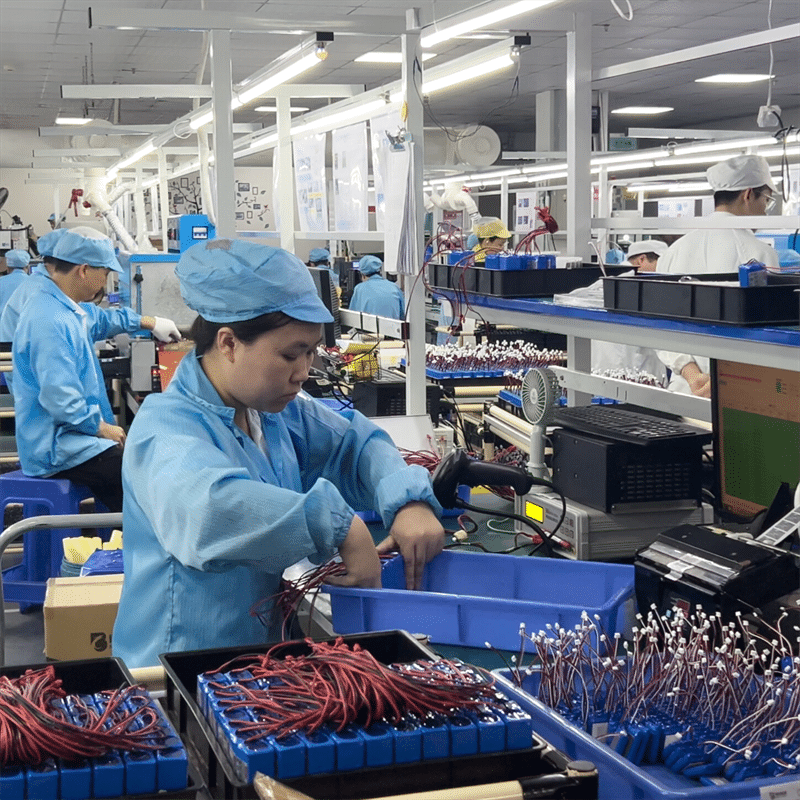

The subject of battery safety in wearable products heated is not a certification box but an engineering issue at the systems level that has a direct influence on the reliability of the product, its acceptance in the regulations, and its exposure to brand risk. Lithium-ion batteries driving constant heating components are used in hot wearable products, such as jackets, gloves, vests, and insoles, and frequently under harsh operating conditions such as movement, heat or cold switching, and possible wetness. The stability of battery performance depends purely on the availability of a battery, but the likelihood of thermal runaway and overheating or other electrical problems and the exposure of fire, burns, or recalls of a product make battery failure the most dangerous variable.
Passing final compliance testing is a mistake made by many brands that believe that products are safe. Factually, the actual safety of battery in heated wearables would start during the first-time engineering stage. Approaches towards battery safety standards should be a part of the product architecture at the earliest level of the engineering stage to avoid overheating, electrical failure, and rejected by the government.
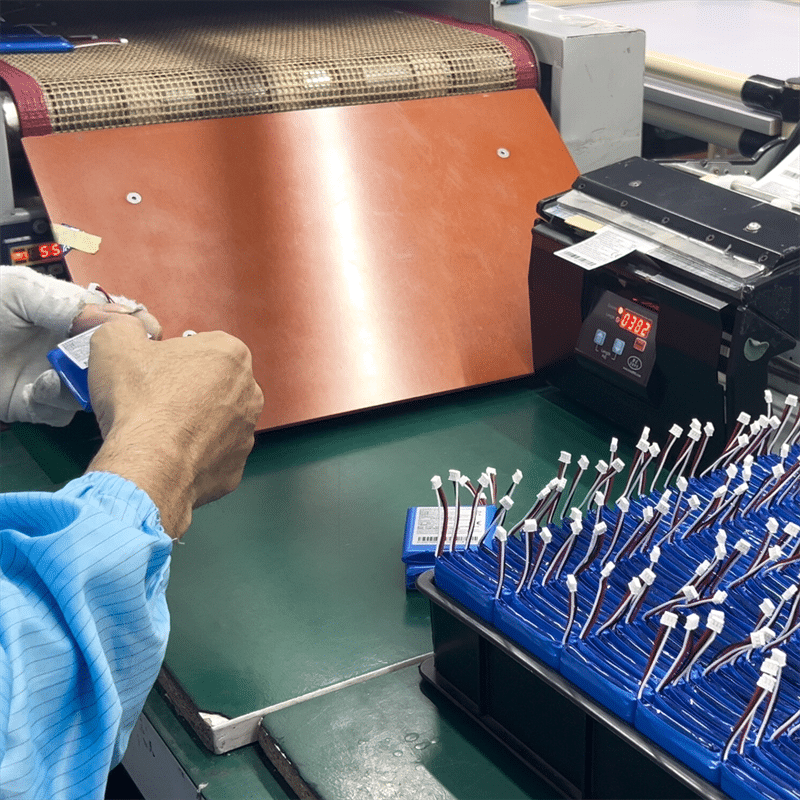
Why Battery Safety Is the Core Risk in Heated Wearables
The risk factor of battery safety is by far the paramount in the case of wearables that are heated owing to the fact that these instruments require constant discharge of high current in conditions, which are more than hostile compared to the average consumer electronics.
In contrast to intermittent use devices, heated clothing is defined by constant power consumption i.e. 2-5/A or higher, to sustain heat in various areas. Such continuous load puts a strain on the lithium cells, causing internal heating and degradation in a shorter time when protection mechanisms are not well-established. Use Wearable Usage: Mechanical stresses: frequent flexing, compression, contact with fabric, contact with wetness or light rainfall may damage insulation, connecters or seals. When they are compounded with low ambient temperatures, which lower battery efficiencies, they increase the risk of experiencing failure modes, e.g. short circuits or over-discharge.
There are serious consequences of battery-related consequences. Excessive heat may lead to skin burns or fabric ignition; overheating of lithium cells can cause fire; electrical faults can cause voltage to cut off suddenly in any critical situation outdoors. Incidents of heated apparel have been reported by regulatory bodies such as overheating and burn dangers, and this is the reason why the safety of lithium batteries in heat clothing should be placed on the top of the agenda.
| Risk Factor | Impact |
| Continuous discharge | Heat instability |
| Overcurrent | Fire hazard |
| Poor insulation | Short circuit |
| Weak connector | Power interruption |
Key International Battery Safety Standards
The adherence to accepted standards of battery safety is not the issue of bargaining when it comes to heated wearables penetrating large markets, which cover electrical, thermal, mechanical, and transport hazards unique to lithium-based power systems.
The CE marking of products marketed in the European Union also includes electrical safety and EMC requirements which may include reference to harmonized standards on battery-powered devices. In the US, FCC compliance is dealing with the electromagnetic interference, whereas the UL testing would certify the products, in general, in terms of fire and shock hazards. RoHS limits the use of hazardous material in the chains of world supplies and UN38.3 certification required safe transportation of the lithium batteries whether by air, sea or land- which is essential in international distribution.
All these standards are not independent, they make a stratified compliance strategy. Heated wearable compliance standards normally involve demonstration of cell-level testing (e.g. UL 1642), pack-level shielding and system integration assurance.

| Standard | Market | Purpose |
| CE | EU | Electrical safety compliance |
| FCC | US | Electromagnetic compatibility |
| UL | North America | Product safety validation |
| RoHS | Global | Hazardous substance restriction |
| UN38.3 | Global | Battery transport safety |
Battery Protection Architecture in Heated Wearables
Safe operation in heated wearables relies on the effective battery protection architecture where a robust Battery Management System actively manages and controls cell behavior with variable loading.
The BMS is the focal point protection within which the limits on voltage, current, and temperature are set to avoid the circumstances in which destruction may occur. The overcurrent protection interrupts the flow under excessive draw, e.g. due to a defective heating coil. Overcharge control prevents charging when cells are filled up, whereas over-discharge prevents power termination before voltage falls to harmful levels. To mitigate risks which increase due to physical proximity to the body, thermal cutoff means are used, commonly NTC thermistors or an integrated sensor, which halts operation above dangerous temperatures.
The prevention of the short-circuit is based on the fast-response fuses/ or electronic disconnects in the BMS. In heated clothing, where by the packs are subjected to bending and compression, the connector and the wires should remain intact in order to eliminate occurrences of intermittent faults, which may be used to bypass protections.
System level thinking is needed to implement these features. To gain more information about incorporating such protection into the development process,refer to our heated wearable engineering expertise.

Common Battery Safety Mistakes in Heated Apparel
Most of the safety concerns in heated apparel can be linked to design-stage decisions or sourcing decisions which reduce the effectiveness of protection.
- Excessive battery oversizing without resistance of heating elements results in unregulated spikes of the current and over heating.
- Low-grade lithium cells that have not been graded or certified enhance variance in performance and probability of failure.
- Overlooking connector fatigue due to recurrent insertion/removal or flexing results in intermittent contacts, arcing or shorts with time.
- Leaks in water tight shields on battery sections or electrical connections will allow moisture to enter, which will promote corrosion and electrical shortage.
- Poor screens charge cycle validation does not present a realistic use case scenario leading to untimely capacity degradation or unanticipated failures.
Such omissions tend to be discovered at the last phase of testing or in the field where they result in expensive modifications or failure to comply.
Testing and Validation Before Certification
Pre-certification testing fill the disjuncture between the design intent and actual high reliability and reveal the weak points before they are officially submitted.
Thermal cycling also tests the stability of batteries and systems under hot-cold stress cycles, ensuring that it is stable over operating conditions. Endurance load testing involves constant discharge profiles that simulate maximal heating profiles during long-term operations in order to check the dissipation of heat and the amplifiable lifetime of components. Charge-discharge lifespan testing cycles is a controlled degradation assessment test packed hundreds of times. The simulation of moisture exposure represents a simulated condition of either sweat or light rainfall that is utilized to test the efficacy of sealing underwear situations.
Internal checks eliminate surprises in the third-party checks where a failure may paralyze production.
| Test Type | Objective |
| Thermal cycling | Stability confirmation |
| Endurance load | Long-term reliability |
| Charge cycle test | Battery lifespan validation |
| Moisture test | Wearable safety assessment |
Why Battery Safety Must Be Designed, Not Added Later
The concept of battery safety should not start in the certification stage or when prototypes are involved, but instead it should start at the engineering stage.
The costs and schedules of adding protection layers late are usually high because it frequently involves redesigning PCBs, enclosures, or wiring harnesses. Similar late-stage failures often come about because of poorly integrated initial implementation of BMS functionality or effective thermal management delaying the time to market by months, and putting brands at a competitive disadvantage. Architectural mitigation involves engineering-first: implementing safety into architectural design, matching components with anticipated stresses, and reducing the risk of certification by the predictability of performance.
Conclusion — Safety Architecture Defines Brand Reliability
Since wearable products are heated using batteries, certification is not the solution but rather a discipline based architecture coupled with protection planning and organized validation beginning long before products are subjected to testing facilities. Manufacturers can achieve reliability by ensuring the safety of lithium batteries in their heated clothes through treating it as a fundamental design requirement which will meet the demands of real-world conditions, enable their products to conform to regulatory standards and safeguard the end-users against avoidable risks. These factors are best addressed at system level as proactive approach to success of a product in this challenging field.