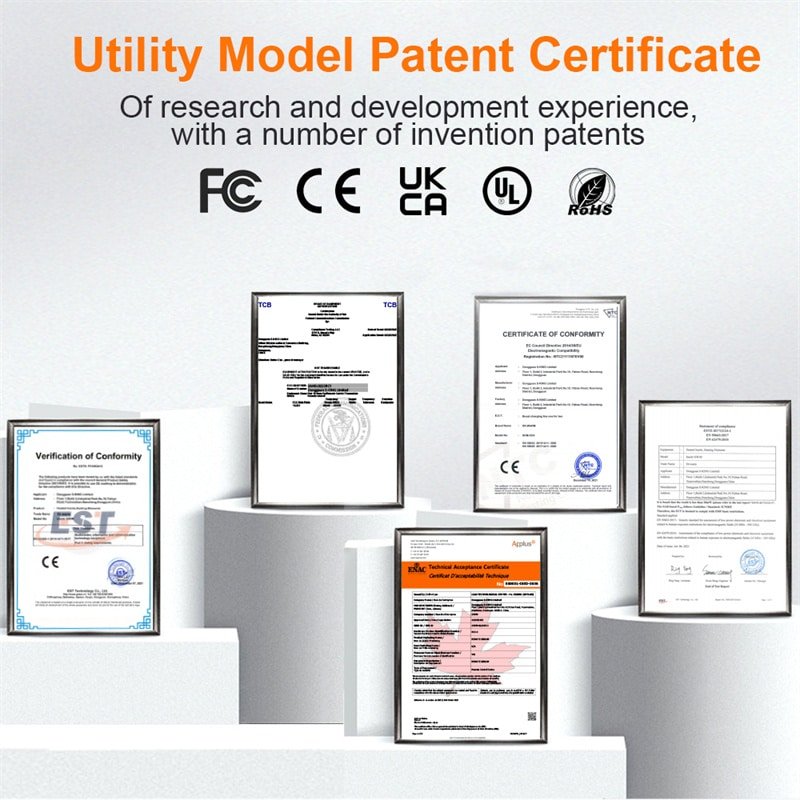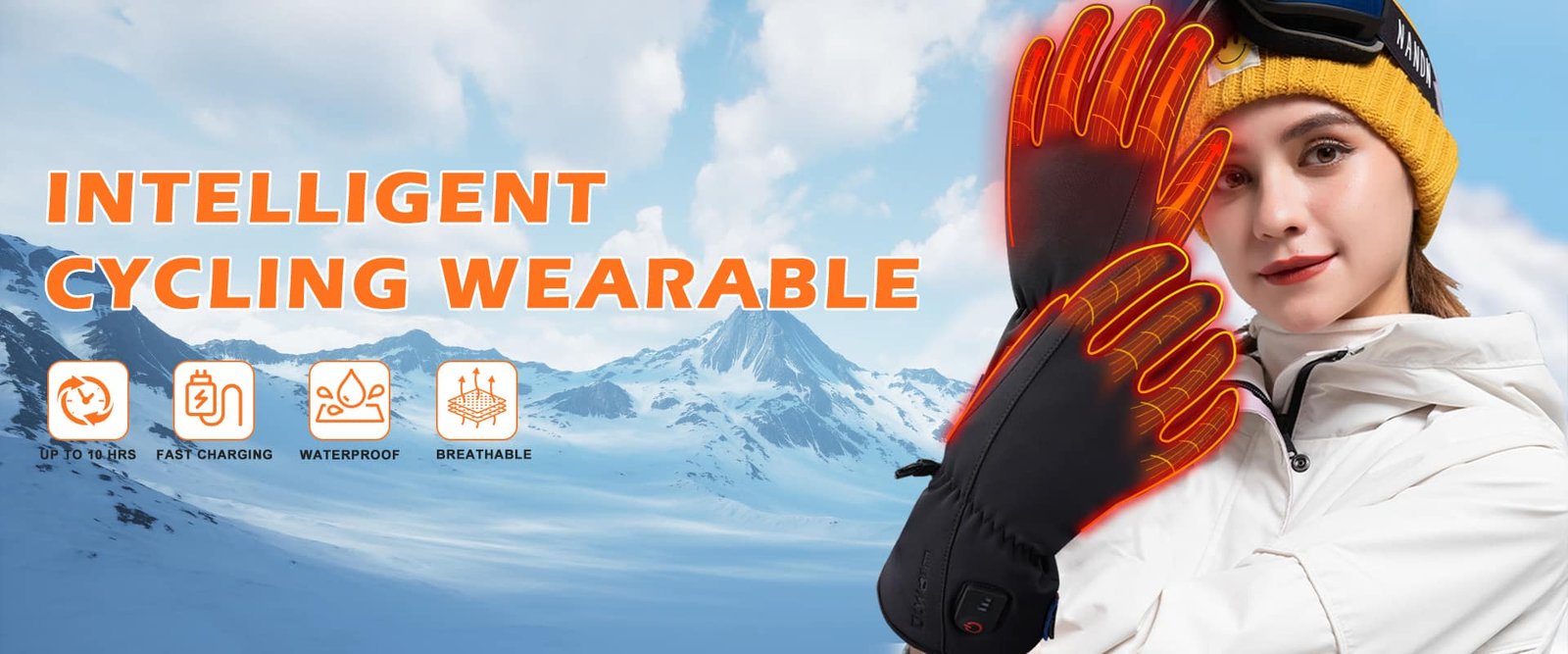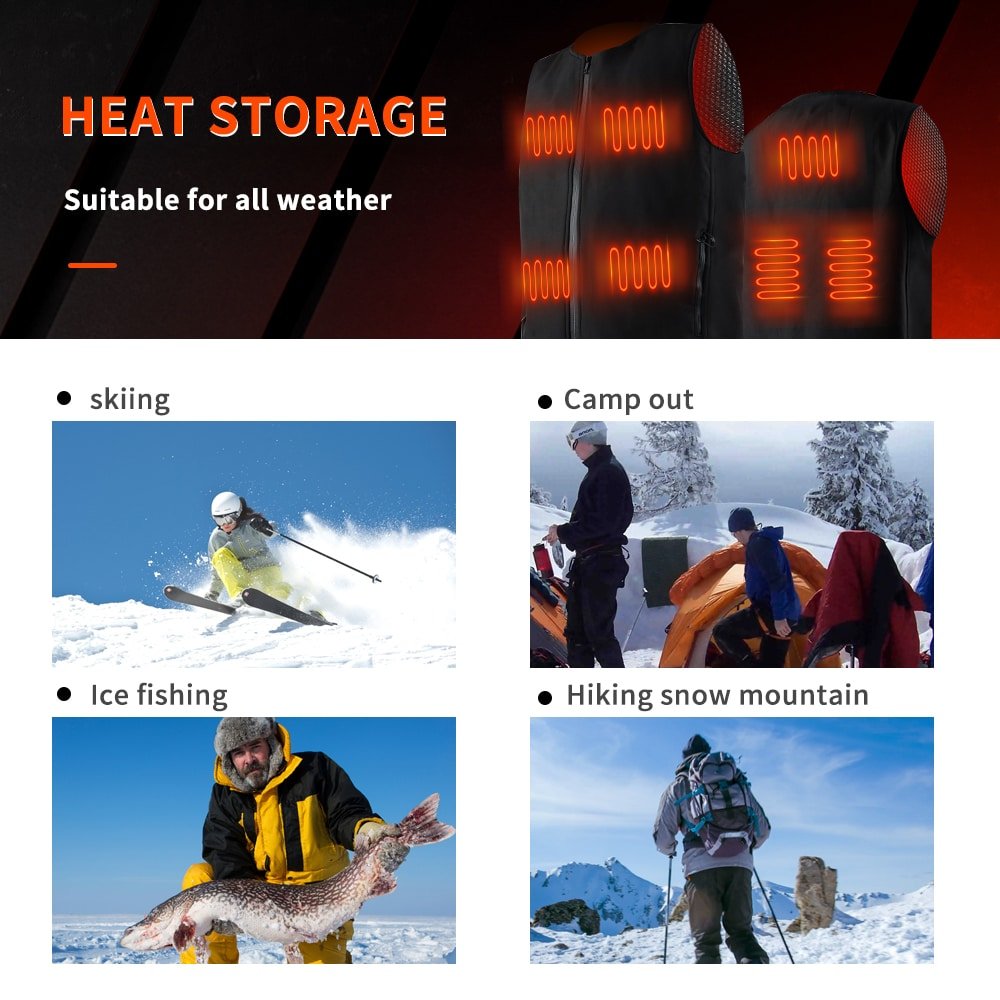

System Heated wearable products compliance is not a post-development activity – it is an engineering activity that has to be incorporated in the design of the system at the very outset. The legal market entry in Europe, the United States and North America involves CE, FCC and UL compliance. These certifications directly affect systems design, battery system, electronic layout and material selection in warm up garments like jackets, vests, gloves, socks, and insoles.
The most common misunderstanding of certification in many brands is that it is a paperwork activity or last approval. As a matter of fact, compliance is based on engineering. Unplanned designs have a high chance of failing tests resulting in redesign, delay in production and inability to access the market.
To ensure safety, stability, and easy passage of the market due to compliance, the architectural design of the heated wearable systems should consider the requirements by CE, FCC, and UL since the initial development stage.

Why Compliance Is Critical in Heated Wearable Products
There are special risks of heated wearables as they combine electronics, rechargeable batteries, heating elements, and fabrics in one product that is placed in proximity to the human body. As a natural heat producer, electricity poses safety risks by overheating, having a short circuit, posing a threat of fire and causing interference with other appliances through the emission of electromagnetic features.
Globally, markets require acceptable evidence of electrical safety, electromagnetic compatibility (EMC) and environmental safety. It is also impossible to sell or import products without these.
All these elements come together to create component-like complex failure modes together with battery power, flexible heating films or wires, controllers (typically with Bluetooth or app connectivity), and fabric encapsulation. The compliance will deal with these through enacted design requirements that do not cause harm to the users and provide trustful functionality.
| Compliance Aspect | Engineering Impact |
| Electrical safety | Insulation & protection |
| EMC regulation | Circuit shielding |
| Battery safety | Protection circuits |
| Material restriction | Component sourcing |
These factors need active engineering solutions and not corrective actions.
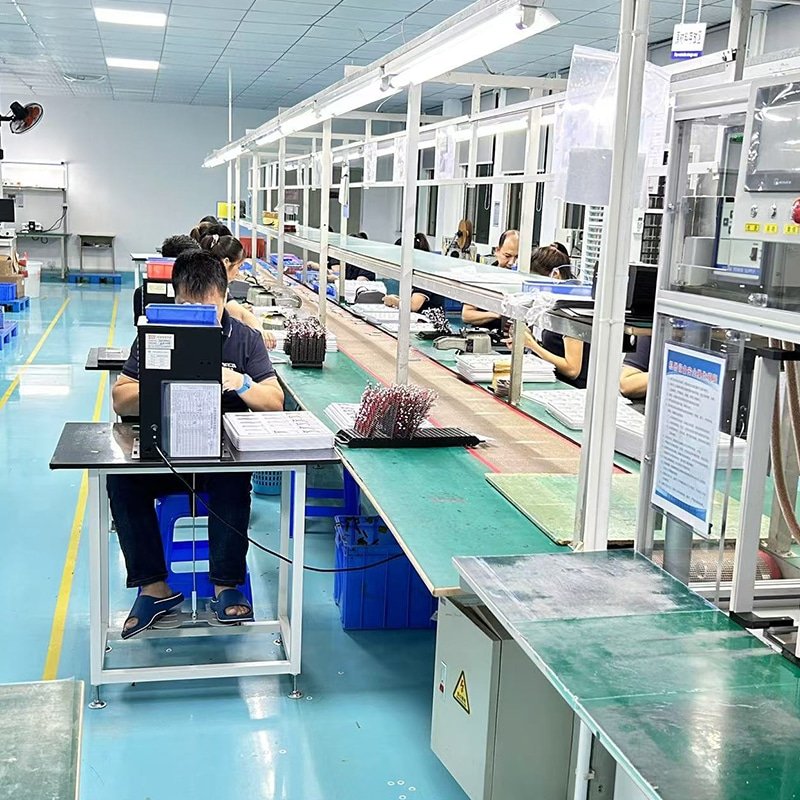
Understanding CE Compliance (European Market)
Heated wearable products that are sold in the European Economic Area are mandatory to be marked with a CE certification, indicating that the product has been found to be in compliance with vital health, safety, as well as environmental standards.
The key guidelines are:
- Low Voltage Directive (LVD) 2014/35/EU — The directive covers electrical equipment that has a current within 50-1000 V in arc or 75-1500 V in DC. In the case of heated wearables (usually low-voltage DC systems), it achieves a safe distance between the electrical hazards by sufficient insulation, grounding (where used) and a risk evaluation.
- Electromagnetic Compatibility Directive 2014/30/EU – Limits electromagnetic emissions and guarantees immunity to external interference. Heat wearable with controllers or wireless capabilities is prohibited to interfere with radio services, or that may be easily interfered with.
- RoHS Directive 2011/65/EU – Radicalization of the toxic substances (e.g., lead, mercury, cadmium) in electrical and electronic devices, and it affects the choice of components and materials,
The manufacturers will be required to prepare technical documentation, such as the risk assessments, test reports and the declarations of conformity. Third party testing is usually used to prove claims and self- declaration is common to lower-risk products. Failure to comply may lead to withdrawal and fines on products.
Understanding FCC Compliance (United States)
FCC compliance is mainly concerned with the electromagnetic interference of the devices that are able to emit or receive radio frequencies.
In the case of heated wearables, there are the FCC regulations (Part 15) on unintentional radiators (e.g. digital circuits in a controller) and intentional radiators (e.g. Bluetooth or wireless modules to engage in remote/app control). It is aimed at avoiding damaging interference to licensed radio services.
The most important aspects are the limits of radiated and conducted emissions where testing should be conducted to prove that the limits are adhered to. Early design scans are used to find out problems early in the design. Poor design EMC design failure: e.g. lack of shielding, PCB layout failure results in expensive rework or regulatory constraints.
In heating garments, wireless communications require typically close frequency control and power management, to remain within the FCC exposure limit (e.g. SAR limits on body-worn devices).
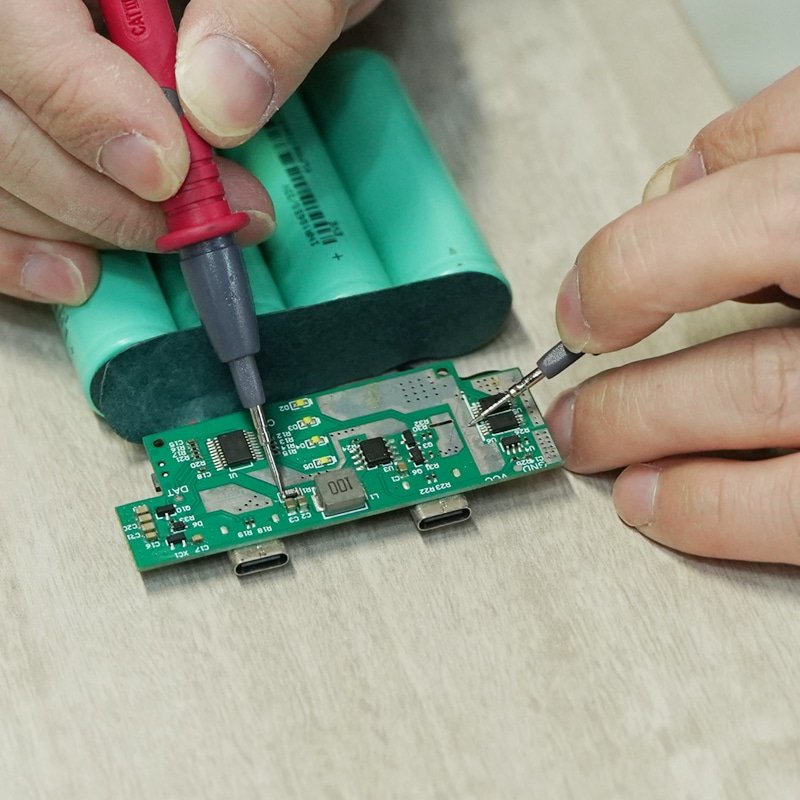
Understanding UL Certification (North America)
UL certification focuses on safety of the product, especially fire and shock protection, and is well known in the US and Canada both in terms of consumer acceptance and insurance mandates.
In the case of heated wearable products, such standards apply as:
- UL 62368-1 (audio/video, information, and communication technology equipment) or UL 60335-2-17 (blankets, pads and similar flexible heating appliances) if covering the safety in general.
- UL 2054 of household and commercial battery, such as short-circuit, overcharging and thermal runaway risks in lithium-ion packs.
Thermal cutoff, over-temperature protection and charging safety are tested with stringent tests (e.g. heating, impact and cycling test).
| Certification | Focus Area | Typical Risk |
| CE | Electrical & EMC | Design imbalance |
| FCC | EMI/EMC | Signal interference |
| UL | Safety & fire risk | Overheating |
UL mostly encompasses third party testing as well as in-house inspection of the factories on compliance.
Engineering Design Implications of Compliance Requirements
The use of compliance regulations significantly influences the choice made by engineers at every stage of the concept. Adequate creepage and clearance distance of insulation has to be included in PCB layout under the LVD. Shielding and grounding techniques reduce FCC and EMC directives of EMI.
Over-voltage, over-current and thermal monitoring battery protection circuits (BMS) are inevitable in UL 2054 and battery safety. The choice of materials is more inclined toward flame resistant textiles, components that are in compliance with RoHS, as well as low out-gassing adhesives.
Conformity assessments must have documentation traceability (between schematics and test data). For more on building compliant heated wearable product design solutions, refer to our dedicated resources.
Early integration can avoid the conflicts between performance (e.g. heat output, battery life) and safety requirements.
Common Compliance Mistakes in Heated Wearable Development
These common mistakes have been seen to cause many development projects to hit unnecessary snags:
- Without EMC pre-testing, designing without experimental testing on the design results in late stage breakdowns of the emissions or levels of immunity.
- Disregarding battery safety manuals, which leads to the failure of risk assessment or absence of protection measures.
- Less than certified charging modules or cells which do not meet the UL or CE standards during certification.
- Not preparing technical files in totality, extending the time of conformity declarations.
Such errors usually arise because compliance has been seen as an afterthought as opposed to a design input.
When to Start Compliance Planning in the Development Process
The planning of compliance should start at primary system architecture and concept design stages.
At a young stage, this enables the engineers to choose compatible parts, model EMC behavior and prototype at a safer margin. Issues in which the changes are cheap are detected with pre-compliance testing at breadboard or early prototype stage.
Preparation of documentation — risk analyses, bill of materials, test plans, etc. should be made simultaneously with design cycles. Qualification of the suppliers is essential: the components should be provided through sources that have trackable certifications (e.g. recognize Certification of batteries provided by UL).
Delayed start also tends to increase the cost of production by having to redesign, repeat testing and delay product ramp.
Conclusion — Compliance Is an Engineering Discipline
The compliance of CE, FCC, and UL of products in the area of heated wearables is reached not only by the late-stage testing, but also by the disciplined engineering design, safety architecture, and systematic validation during the process of the product conception to manufacturing. Integrating these requirements into all layers, such as circuit protection and material selection, layout and documentation creation, the teams can produce safe, high-quality products that respond to market demands across the world, without incurring needless setbacks. This would reduce risks, shorten time-to-market, and establish a long term confidence in the technologies of heated apparel.