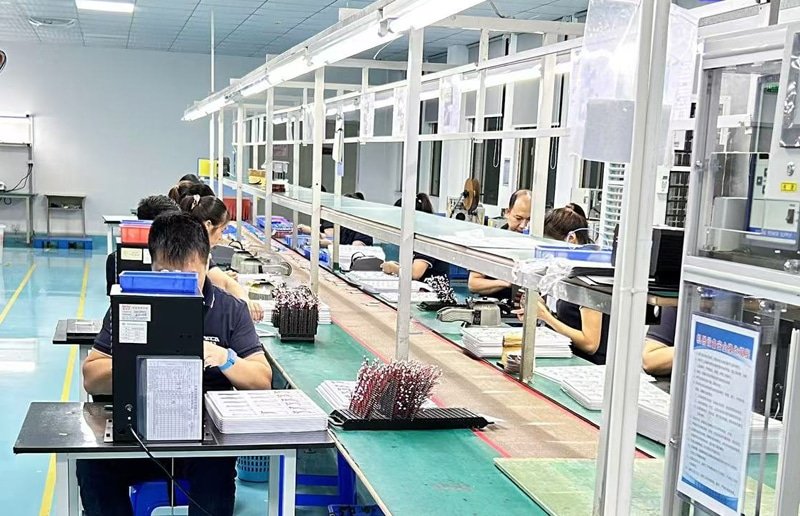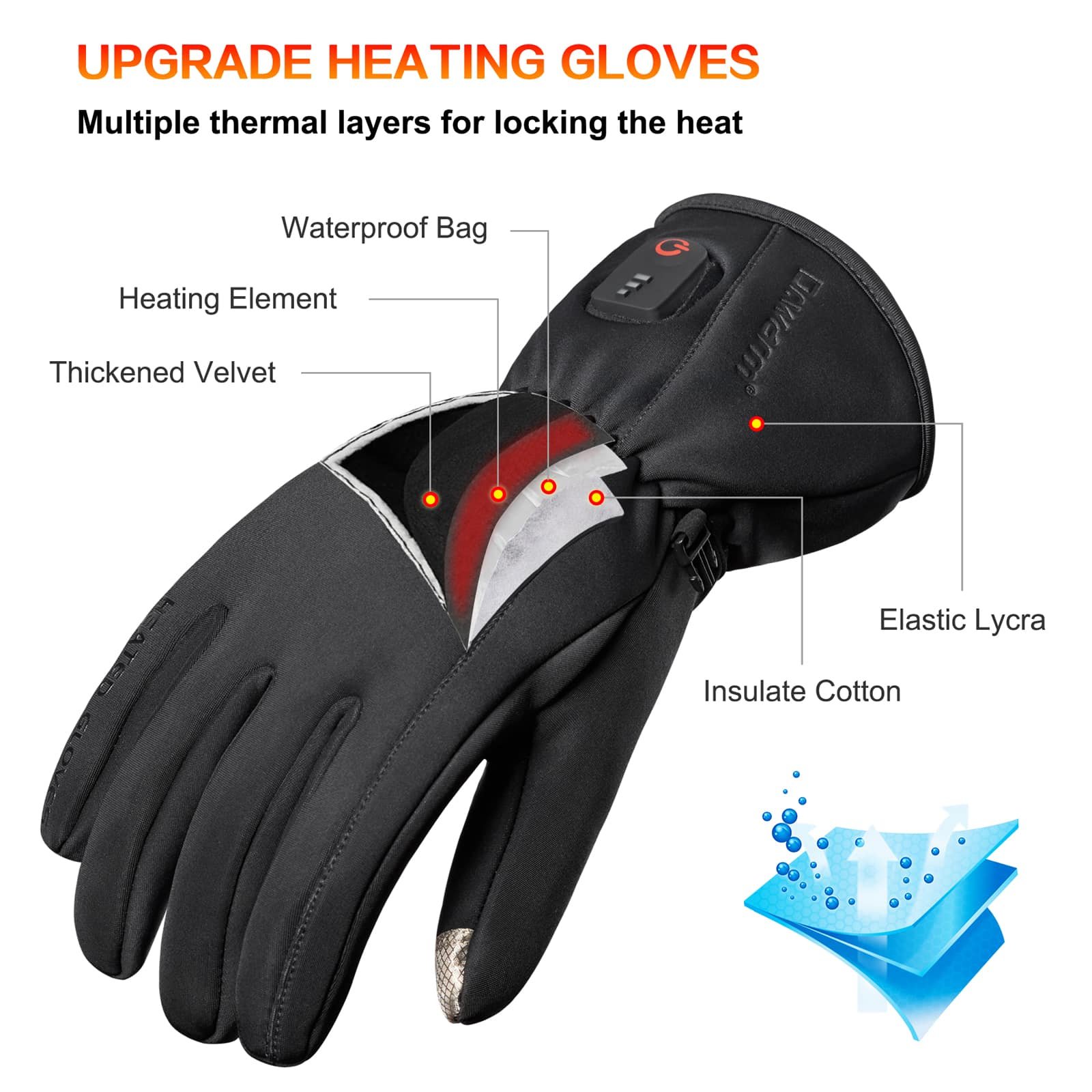

There is none of the heating technologies that would be universally best as the one in relation to heated wearables. The choice of the suitable element would be solely dependent upon that application of that element, requirements of durability, environmental factors and that element integration in to the system architecture in terms of battery handling, design of controller, layering of fabric. Carbon fiber is often unfairly perceived by many brands as the default high-end product because it has become popular but again the actual performance of the product will depend on the engineering balance and not the hype of the material. The ideal heating fashion of wearables depends on product anatomy, environs, product security, and system incorporateation, rather than on material trend.
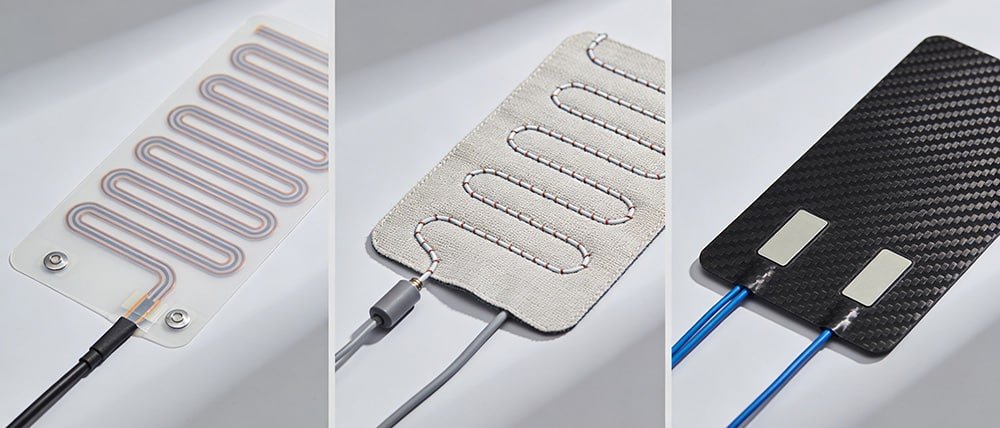
Overview of the Three Heating Technologies
All of the major heating technologies, carbon fiber, printed heating film, and metallic heating wire, can be operated with the same principle of resistive Joule heating, when an electric current is used to create thermal energy. Nevertheless, their form factor designs give them different performance characteristics in wearable applications.
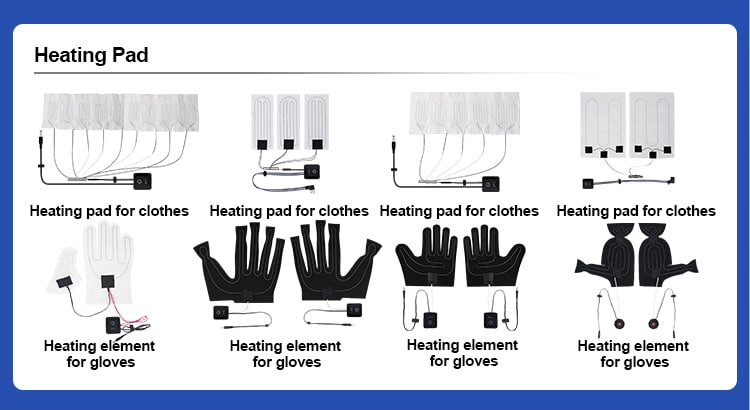
Carbon fiber heating is a woven or laid thin carbon filament, which is used as a conductive path. They are frequently covered with fabric layers that are laminated or sewn, which provides some distributed distribution of heat as well.
Printed heating film (alternatively known as flexible printed heaters or conductive ink films) consists of screen-printed or deposited conductive layers – usually based on carbon based inks or silver lines – on a flexible support material such as PET or fabric. This forms a sheet-like heat surface which is planar.
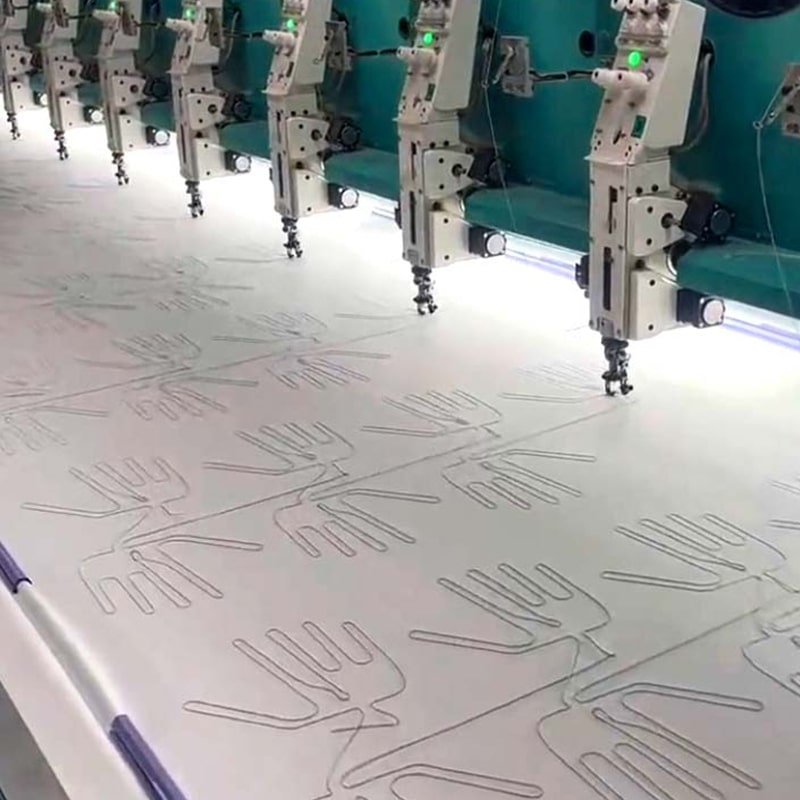
In metallic heating wire, resistive wires in the form of coils or zigzags (typically nichrome, copper alloy or insulated stainless steel) are fabricated and passed through a channel or sewn into clothing.
The following is an overview comparison:
| Heating Type | Structure | Typical Use | Key Strength |
| Carbon Fiber | Fiber-based conductor | Flexible garments | Even heat distribution |
| Heating Film | Printed conductive layer | Slim garments | Lightweight integration |
| Heating Wire | Coiled metallic wire | Heavy-duty wear | High durability |
Carbon fiber has good balance in flexibility and thermal conductivity, heating film is focused on minimum thickness and the heating wire is focused on mechanical strength.
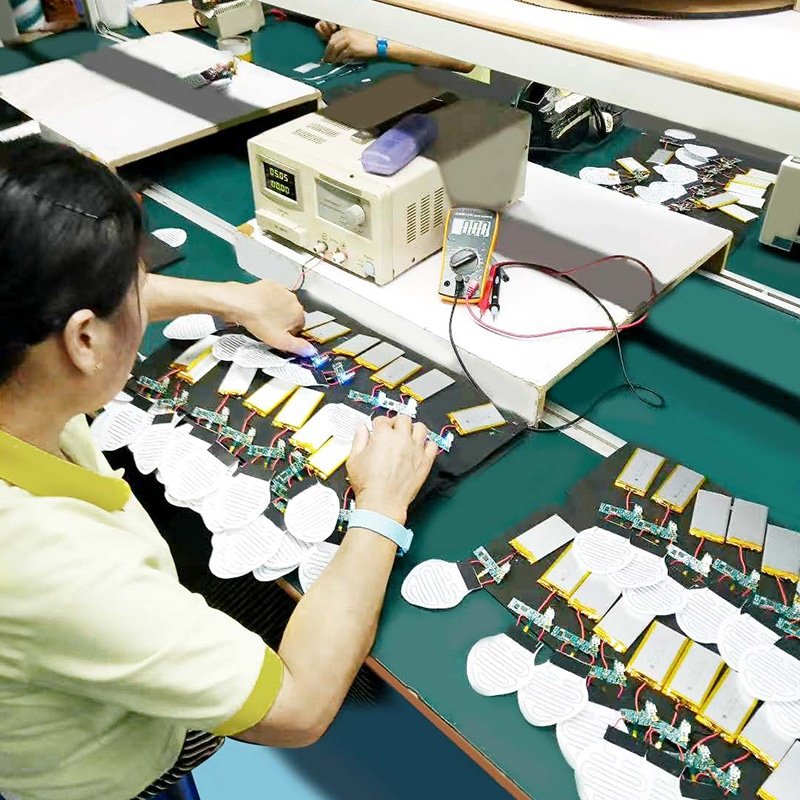
Thermal Distribution and Heating Stability
The quality of thermal distributions is directly related to the comfort of usage: even distribution prevents the appearance of cold or hot spots, and stability will allow the management of the constant work or use in the conditions of different temperature variations.
Carbon fiber provides great consistency due to the filament network that transfers the heat to a larger region so that it is like surface heating with insignificant concentration. It has steady production during long operation periods and great ability to overcome thermal drift.
Heating film delivers moderate to good uniformity by the planar geometry of its design that has wide coverage with no strong lines, but the unevenness can occur due to the variation of ink deposits or muscular motion of the underlying substrate.
Heating wire results in higher local heating rates along the wire route generating linear shapes that otherwise would not have been present unless closely spaced out- resulting in possible hotspots with high power.
Response time is also variable: carbon fiber and heating film tends to heat more quickly because of lower thermal mass, whereas wire likely will take a bit longer, but can maintain temperature.
| Heating Type | Heat Uniformity | Stability | Risk |
| Carbon Fiber | High | Stable | Moderate bending stress |
| Heating Film | Moderate | Good | Tear sensitivity |
| Heating Wire | Localized | Very stable | Hotspot concentration |
Carbon fiber is frequently the most warming to the touch in the dynamic wear situation in practice.
Flexibility and Wear Durability
The resistance to flexing and resistant to fatigue define the longevity of the heating system in regard to repeated bending, stretching, and washing, which is essential to the level of body movement or laundry of the garment.
Carbon fiber can be flexed moderately to highly when well encapsulated, but high sharp crease or tensile loads or high filament micro-fractures can also form over time, producing cold spots.
The film that has been warmed by heating has got good first flexibility because it is thin, resembling a sheet so that it can follow the design of the fabrics. It however presents an increased sensitivity to tears, punctures or delamination caused by aggressive folding or abrasion.
Mechanical durability Heating wire is unique in being very tough, able to endure repeated movements and still able to conduct after it has stretched extensively to the extent of causing significant distortion, so it can handle rough conditions.
Encapsulation and routing play a key role in wash durability: all three must be highly insulated and strained relieved, although wire systems tend to be more resistant to industrial laundry.
The location of the zones and the distribution of the stresses also become paramount, when it comes to system-level integration and heating layout engineering,—brands serious about longevity often turn to advanced heated wearable design capabilities to optimize these aspects.
Power Efficiency and Energy Consumption
Power efficiency has effects in battery life and system voltage requirements, particularly in the portable heated wearables using lithium-ion batteries.
Carbon fiber media is usually characterized by good electrothermal conversion (usually above 90-98%), and low resistance enabling the generation of effective heat at standard voltages (7-12V).
This can be matched or surpassed by heating film in well-designed implementations due to even distribution of current and less losses, although the substrate material will influence the overall performance.
His heating wire depends on the alloy: the more demanding alloyys use more power to transfer the same amount of heat, which may reduce run time, but the lower resistance alloys are more efficient without requiring the additional complexity of more complicated routing.
Carbon fiber and film will tend to have lower resistance and therefore be able to run longer on the same battery capacity whereas wire will have higher current draw.
Safety and Overheat Considerations
Hot spot prevention, insulation integrity and control systems interaction are important to safety.
Since carbon fiber is distributed the risk of hotspots is lower, breaks formed during bending of carbon fiber can be localized in case they are not observed.
Heating film must be heavily insulated to prevent shorting or arcing of tears and moderate overheating may occur unless current is closely regulated.
Linear heating by heating wire presents the greatest risk of the highest concentration of hotspots since it requires fine temperature sensing and cutoff mechanisms.
Every system enjoys the presence of PTC (positive temperature coefficient) behavior where it can exist, over-protection (that is, anti-thermal), and battery control to guard against thermal runaway.
Manufacturing and Cost Implications
Scalability, consistency and the final cost of a product are influenced by manufacturing feasibility.
Carbon fiber Carbon fiber is a woven or laminated filament, which is more complicated to source and handle, and although volume production has been shown to be quite repeatable with a lack of quality control, quality controlled volumeproduction has been achieved.
Heating film is based on printing technology, which provides flexibility in the design and reduces waste during materials, but tight control of the process is necessary to provide ink adhesion and homogeneity.
Established routing and stitching techniques are used to heat the wire, and the assembly may be easier, but cover may become problematic with regard to precise placement.
Prices vary depending on complexity: heating wire can be the cheapest initially, then there is carbon fiber and finally heating film varies depending on the substrate.
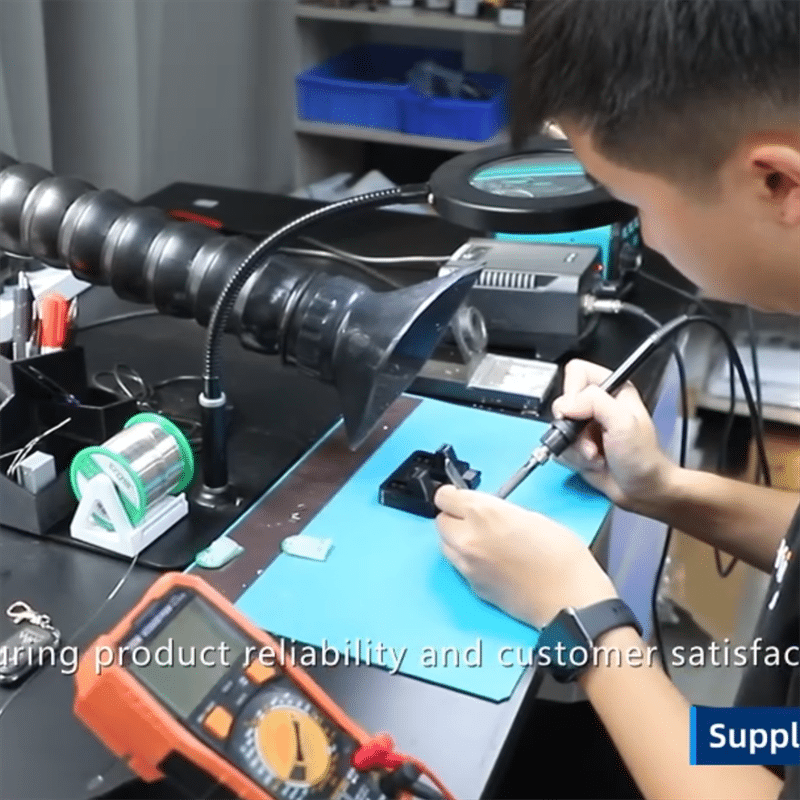
Automated processes enhance quality control consistency but all require highly rigorous endurance and safety tests.
Which Heating Technology Is Best for Different Applications?
The application makes the best decision depending on the trade off in comfort, quality of life, and performance.
| Application | Recommended Heating Type | Reason |
| Lightweight daily wear | Heating Film | Slim and flexible |
| Sportswear | Carbon Fiber | Even distribution |
| Industrial workwear | Heating Wire | Durability |
| Extreme cold | Carbon Fiber or Wire | High output stability |
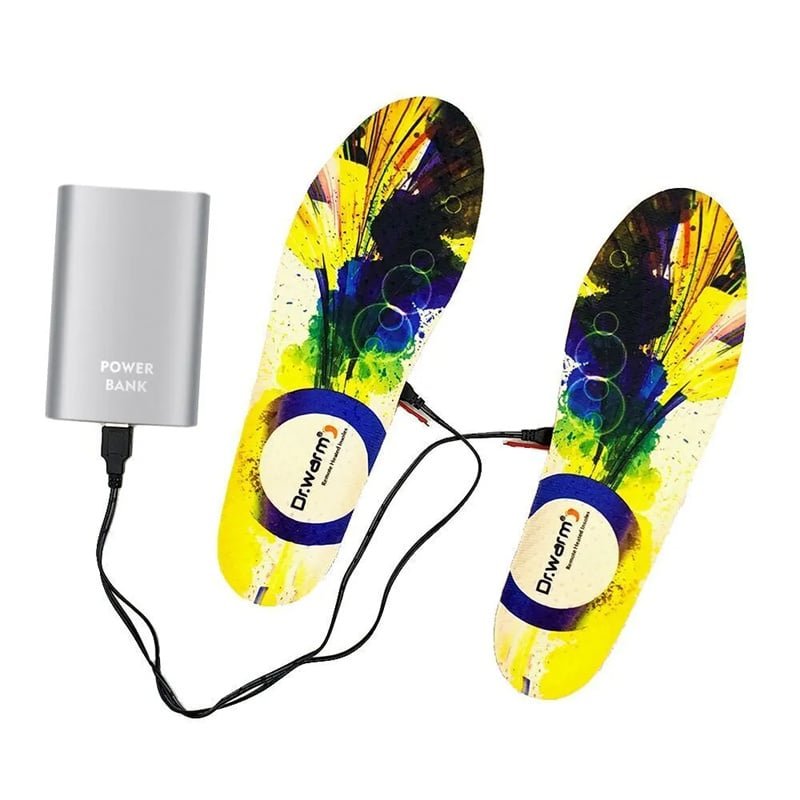
Low profile of heating film ensures that it has minimum bulk when used as slim base layers or insoles. During movement, carbon fiber is advantageous in sportswears through uniformity in terms of warmth. The hard-duty gloves or work jackets are more committed to the strength of heating wire.
Conclusion — Technology Choice Must Align With System Design
The choice between carbon fiber, heating film and heating wire would be based on the product structure, the wear conditions, the requirements of the durability and integration of the system not on the availability of the most marketed material. The correct choice is a compromise between thermal capability and mechanical robustness, power potential, and fabrication facts. The heating element should be regarded by engineers as a component of a continuous architecture, where the ultimate success of the real-world depends on controller tuning, battery protection, and fabric compatibility.