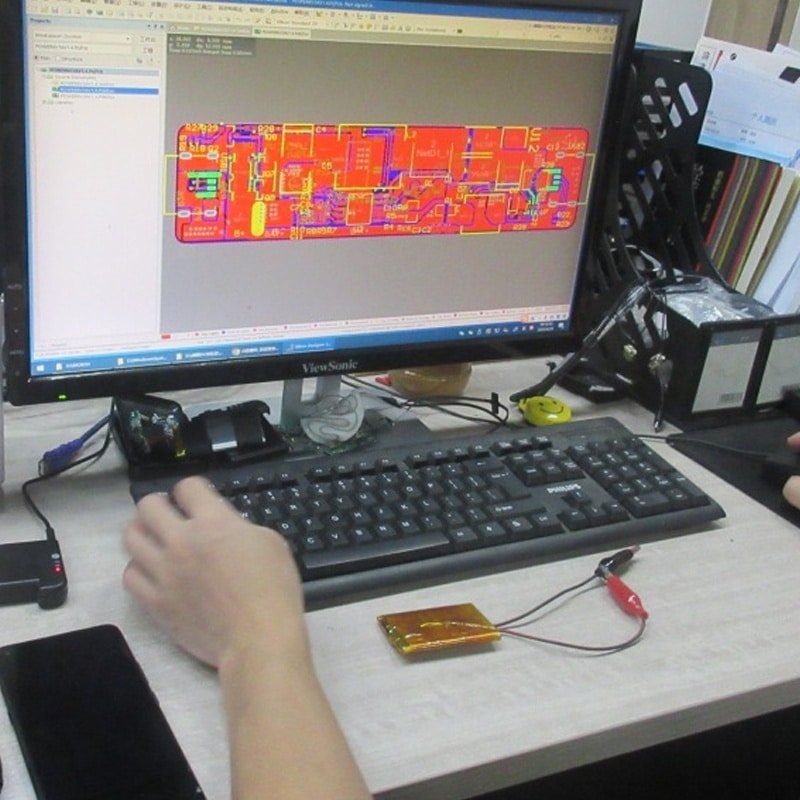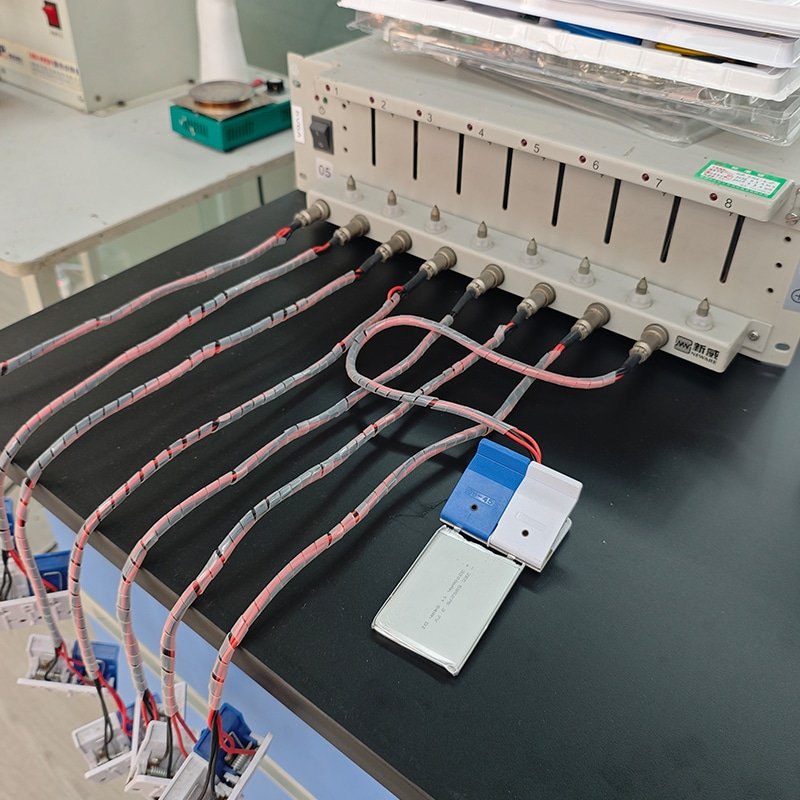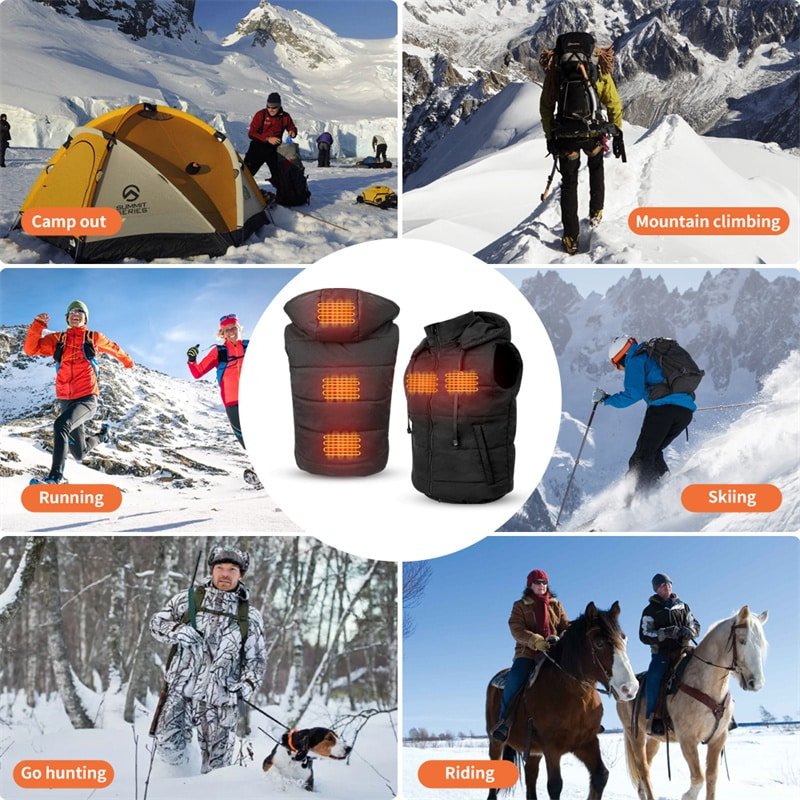

An app-controlled heating system is an integrated control framework that connects mobile software, smart controllers, power management, and heating elements to deliver precise, safe, and scalable temperature control in heated apparel.
A true app-controlled heating system is not simply a mobile app add-on — it is an integrated heating control architecture that connects software, electronics, power management, and heating elements into a unified system. Many people assume app control only improves user convenience, while in reality it fundamentally changes how heating systems are designed, managed, and scaled. This shift enables finer temperature regulation, real-time adjustments, data feedback, and firmware updates — capabilities that traditional button-based systems cannot match.
As heated apparel evolves for demanding applications like winter sports, outdoor work, and professional gear, manufacturers increasingly adopt app-based control to meet requirements for consistency, customization, and long-term reliability. For brands and engineers, understanding this system-level approach is essential when specifying or sourcing components.
For a detailed look at implementing such solutions, see our guide to the app-controlled heating system.
Why App-Controlled Heating Systems Exist
App-controlled heating systems emerged to overcome the inherent limitations of traditional control methods in wearable heating products.
Early heated apparel relied almost exclusively on hardware-based buttons or switches, which restricted performance in several key ways. Fixed temperature steps (often just 3–4 levels) limited adaptability, and control logic was locked into the physical circuitry, making adjustments or improvements difficult after production. Users had no way to access data like battery status or receive alerts, and scaling features across product lines required entirely new hardware revisions.
App control addresses these gaps by shifting much of the intelligence to software. This allows multi-mode or near-continuous temperature adjustment, real-time user feedback, and system-wide consistency across different garments. It supports both enhanced user experience — such as remote pre-heating or scheduled operation — and backend benefits like easier prototyping and post-launch refinements.
| Control Aspect | Traditional Control | App-Controlled System |
| Temperature levels | Fixed steps | Multi-mode or continuous |
| Control logic | Hardware-limited | Software-driven |
| User interface | Buttons | Mobile app |
| Scalability | Low | High |
| Data feedback | None | Available |
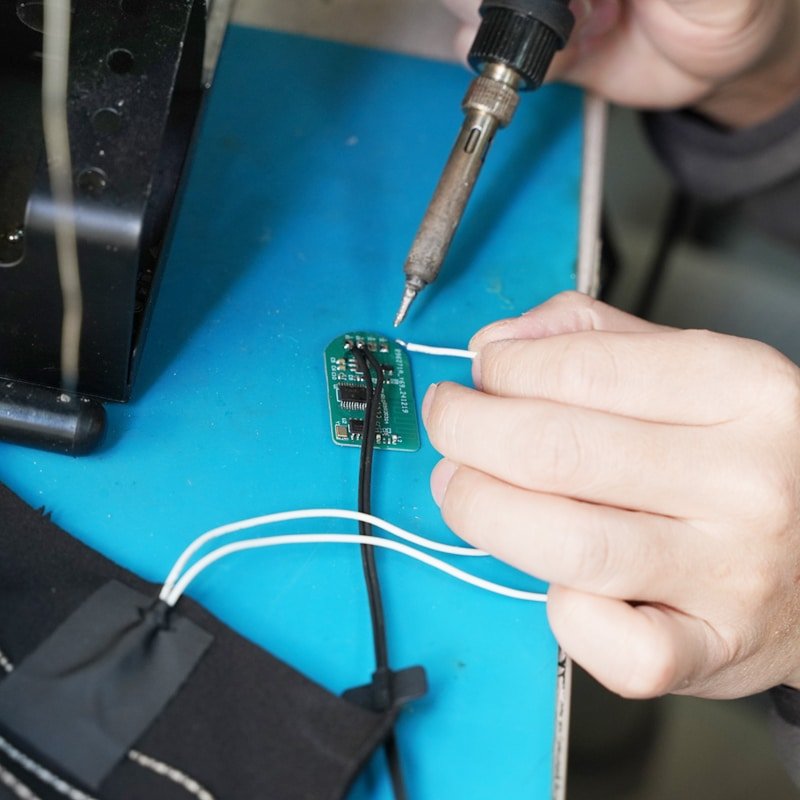
Core Components of an App-Controlled Heating System
App-controlled heating systems consist of multiple tightly integrated components, not isolated parts. Effective performance depends on how well these elements communicate and coordinate.
The mobile app serves as the primary user interface, but the system’s reliability rests on the interplay between hardware and software layers.
| System Component | Primary Function |
| Mobile app | User interface & command input |
| Smart controller | Signal processing & power regulation |
| Battery pack | Stable energy supply & protection |
| Heating elements | Heat generation |
| Communication module | Bluetooth or wireless data transfer |
The smart controller acts as the central brain, interpreting app commands, monitoring sensors (if present), and modulating power to the heating elements — typically carbon fiber wires or films — while enforcing safety thresholds. The battery pack must supply stable voltage under varying loads, incorporating protection circuits to prevent over-discharge or thermal runaway. Bluetooth (most commonly Bluetooth Low Energy) ensures low-power, reliable connectivity between the app and controller.
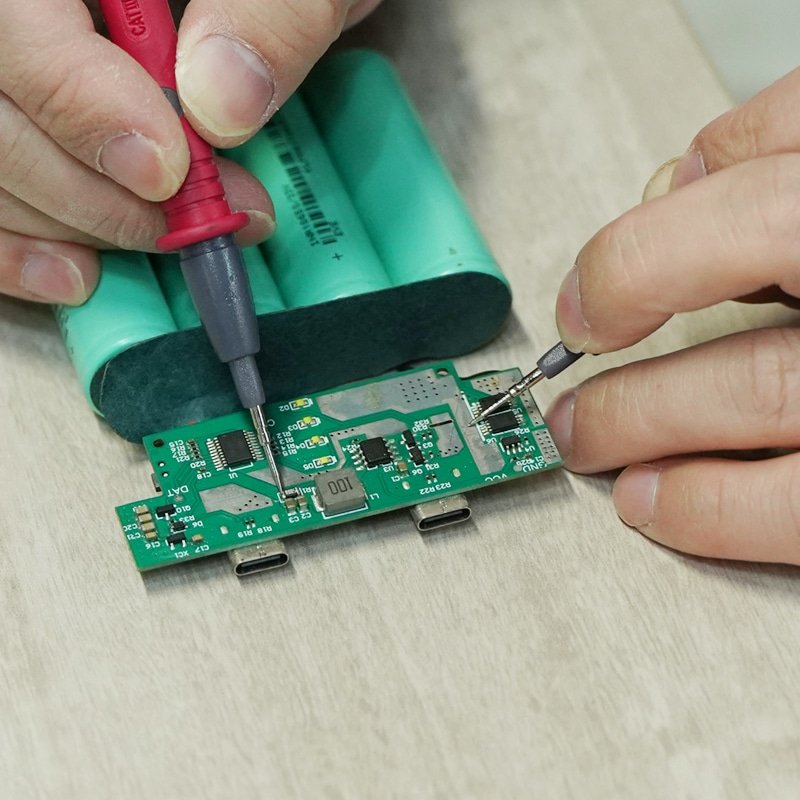
How an App-Controlled Heating System Works (Step-by-Step)
An app-controlled heating system operates through a clear sequence of command, communication, regulation, and heat delivery.
- User sets temperature or mode in the mobile app — The user selects a heat level, mode (e.g., constant, boost, or eco), or even custom schedules via the smartphone interface.
- App transmits commands via Bluetooth — The mobile app sends encrypted instructions wirelessly to the garment’s smart controller using Bluetooth Low Energy for efficient, low-power data exchange.
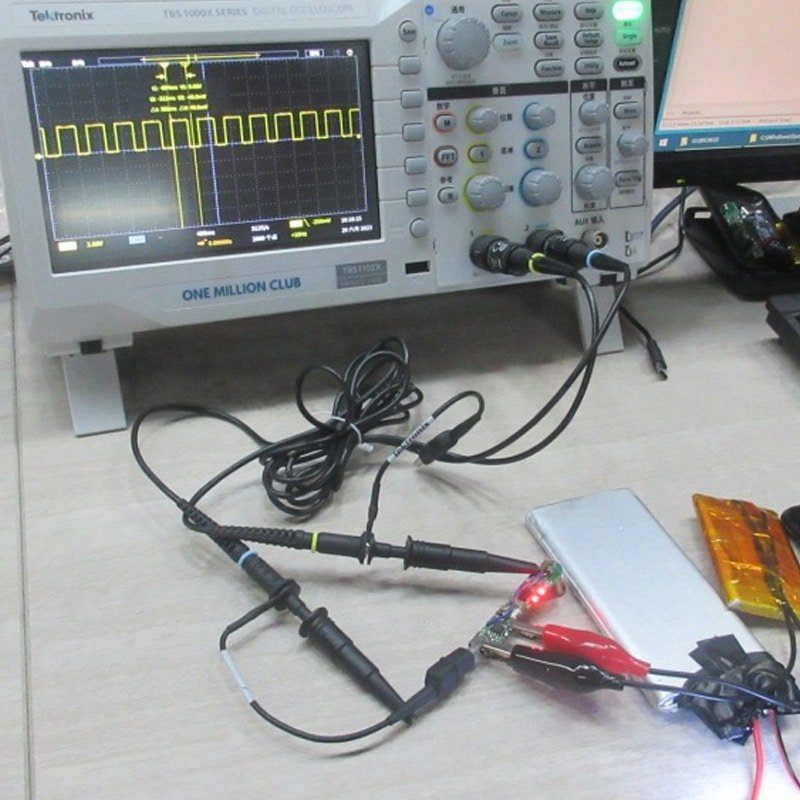
- Controller interprets instructions and regulates output — The onboard microcontroller processes the command, cross-checks against safety parameters (e.g., current temperature, battery level), and adjusts PWM (pulse-width modulation) to control power delivery precisely.
- Battery delivers controlled power — The rechargeable lithium-ion battery pack supplies the required voltage and current, with built-in protection ensuring stable output even as charge depletes.
- Heating elements convert power into warmth — Carbon fiber or flexible wire elements resistively generate even heat, distributed across zones like chest, back, or feet, providing targeted warmth without hot spots.
This closed-loop flow enables responsive, granular control that button systems struggle to replicate.
App-Controlled vs Button-Controlled Heating Systems
App-controlled systems offer clear advantages over button-controlled designs in precision, flexibility, and future-proofing.
Button-based controls rely on fixed hardware switches that cycle through preset levels, limiting granularity and adaptability. App control unlocks software-defined behavior, allowing finer adjustments, zone-specific settings (in multi-zone designs), and user profiles. Firmware updates can add features or refine algorithms without hardware changes, improving scalability for brands managing product lines.
| Comparison Factor | Button-Controlled | App-Controlled |
| Control flexibility | Limited | High |
| User customization | Minimal | Extensive |
| System scalability | Low | High |
| Update capability | None | Software-based |
Safety and System Stability in App-Controlled Heating
Safety and system stability in app-controlled heating depend far more on robust engineering than on the user interface.
The smart controller enforces multiple layers of protection: over-temperature cutoffs (via thermistors or integrated sensors), over-current limiting, and low-voltage disconnect to safeguard the battery. Battery packs include protection circuits (PCM/BMS) that prevent overcharge, over-discharge, short circuits, and thermal events. Consistent system behavior — regardless of app connectivity — is achieved through fallback modes and hardware-enforced limits, ensuring the garment remains safe even if the phone disconnects.
This level of integration matters because inconsistencies in power regulation or thermal management can lead to uneven heating, reduced lifespan, or safety risks — issues that surface more readily in scaled production.
Typical Applications of App-Controlled Heating Systems
App-controlled heating systems suit applications where precision, convenience, and adaptability provide meaningful benefits.
- Heated insoles — Remote temperature adjustment for all-day comfort during outdoor work or hiking
- Heated gloves — Fine control for activities requiring dexterity, like skiing or motorcycling
- Heated jackets and vests — Zone-specific heating and pre-warming for sports, commuting, or cold-environment professions
- Outdoor and professional workwear — Reliable performance in construction, warehousing, or extreme-weather scenarios
These use cases benefit from software-driven customization and data visibility.
Common Misunderstandings About App-Controlled Heating Systems
Several misconceptions persist about app-controlled heating systems that can lead to poor design or sourcing decisions.
- “It’s just an app upgrade” — In truth, effective app control requires a compatible smart controller, stable communication protocol, and integrated safety logic — not merely a Bluetooth sticker on an existing button system.
- “Any controller can support app control” — Retrofitting basic controllers often results in unreliable connectivity, limited features, or compromised safety margins.
- “App control automatically means better safety” — Safety stems from hardware-level protections and system design, not the presence of an app; poor integration can even introduce new failure points.
Conclusion — App Control Is a System-Level Decision
Understanding how an app-controlled heating system works requires looking beyond the app itself. True performance depends on how software, electronics, power management, and heating elements are designed to function as one unified system.
For heated apparel brands, product managers, and engineers, treating app control as a system-level decision — rather than a surface feature — drives better outcomes in precision, reliability, safety, and scalability. When these components align properly, the result is a heating solution that meets real-world demands without unnecessary complexity.
Frequently Asked Questions
Does it still work if the phone is off or left at home?
It has to. A garment that only runs from a phone is a garment that stops working when the phone does, so a properly designed system keeps a physical button or a default mode on the controller. The app should add precision, not take away the ability to switch the heat on.
Is a Bluetooth remote the same thing as app control?
No. A remote sends a fixed set of commands to the same three-level controller you already had. App control moves the decision-making into software, which is what makes continuous setpoints, per-zone output, schedules and firmware updates possible. The two look similar on a spec sheet and behave very differently in use.
Can one app control several garments?
It can, and it should if you sell a range. The practical question is pairing: whether the customer can name each garment, whether two jackets in the same household can be told apart, and whether the connection drops when a second device is added. Ask for a demo with two units before you approve the firmware.
Where does the antenna go in a thick jacket?
Away from the battery, away from the heating element, and away from the body. Metal-free space and a clear path to the outside of the garment matter more than antenna size, and a module buried under insulation will drop the link at exactly the moment the customer is trying to raise the heat. Antenna placement is a pattern decision, not an electronics afterthought.