
Choosing between app-controlled and button-controlled heating systems is not a matter of convenience alone — it is a strategic decision that affects product architecture, scalability, and long-term performance. Neither system is universally “better”; each serves distinct product strategies and price positioning. App control typically delivers greater scalability and temperature precision through software integration, while button control prioritizes simplicity and cost efficiency. The better heating system depends on your product architecture goals, not just your preferred user interface.
Many teams assume app control is automatically superior due to its modern appeal, but this overlooks critical factors like added complexity, development overhead, production capability, and target market realities. In heated apparel control systems, the underlying architecture — hardware-only versus hardware-software integration — determines real-world viability far more than surface-level user interaction.
Structural Differences Between App and Button Control
App-controlled and button-controlled systems represent fundamentally different approaches to wearable heating control technology, with implications that extend from PCB layout to firmware requirements.
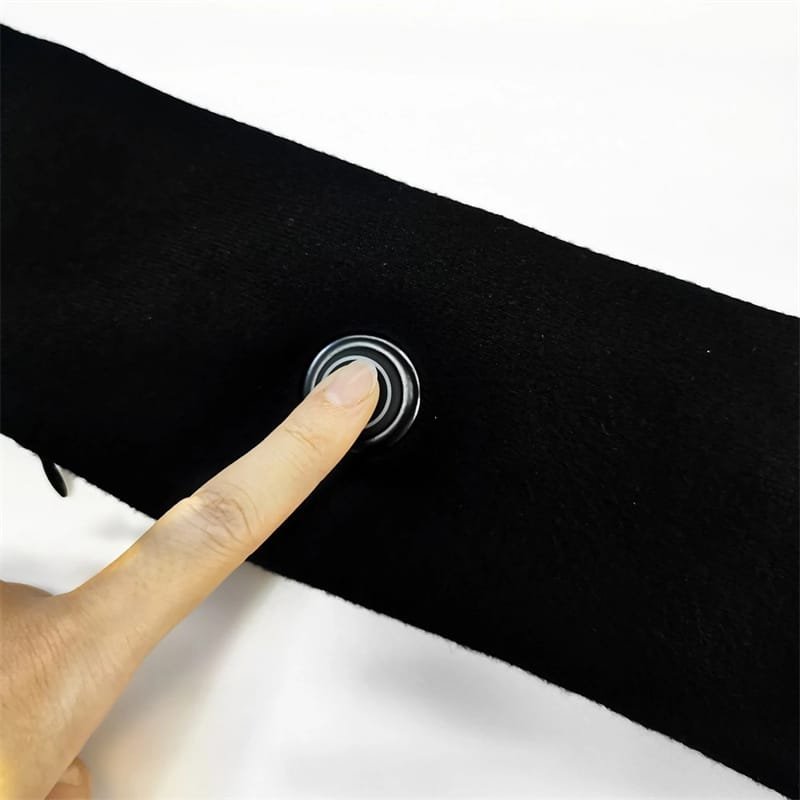
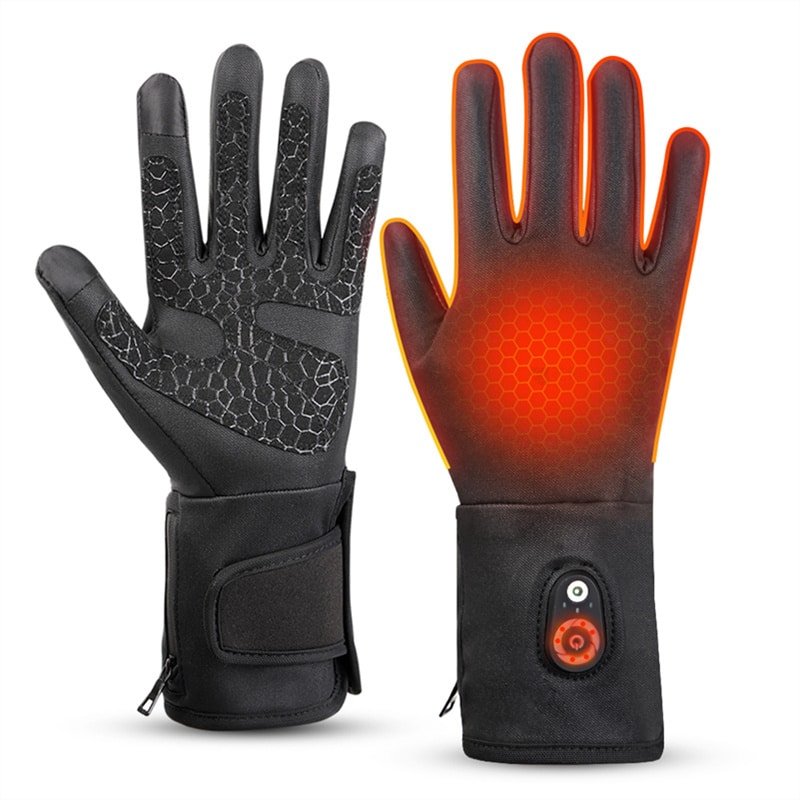
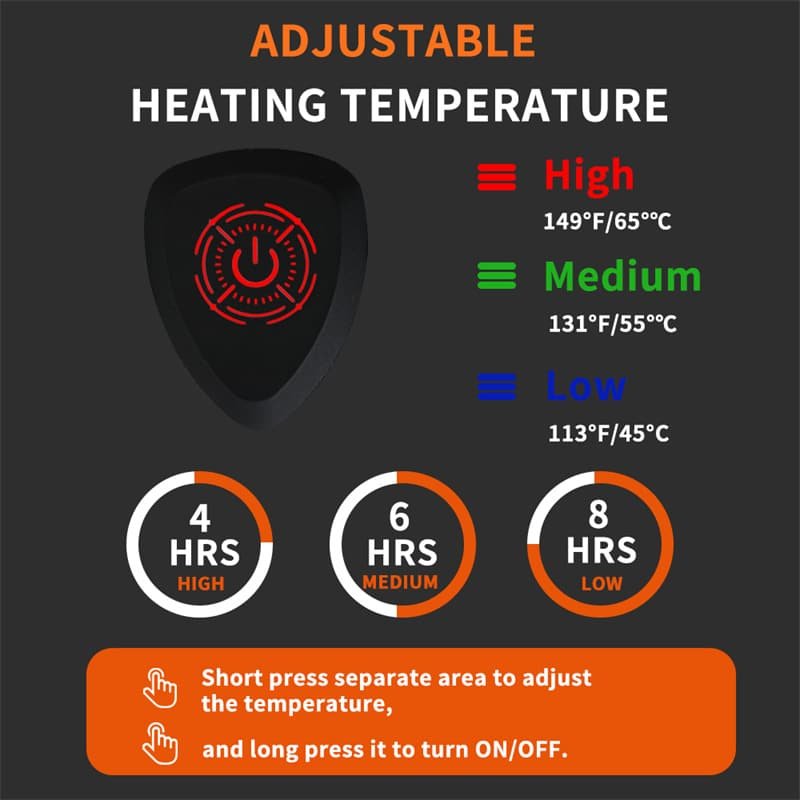
Button-controlled systems rely entirely on hardware-based logic: a physical switch or button interfaces directly with the controller to toggle power and select from fixed temperature steps (typically 3–4 levels). Signal routing is straightforward, with minimal components beyond the button, MOSFETs for power switching, and basic over-temperature protection circuits.
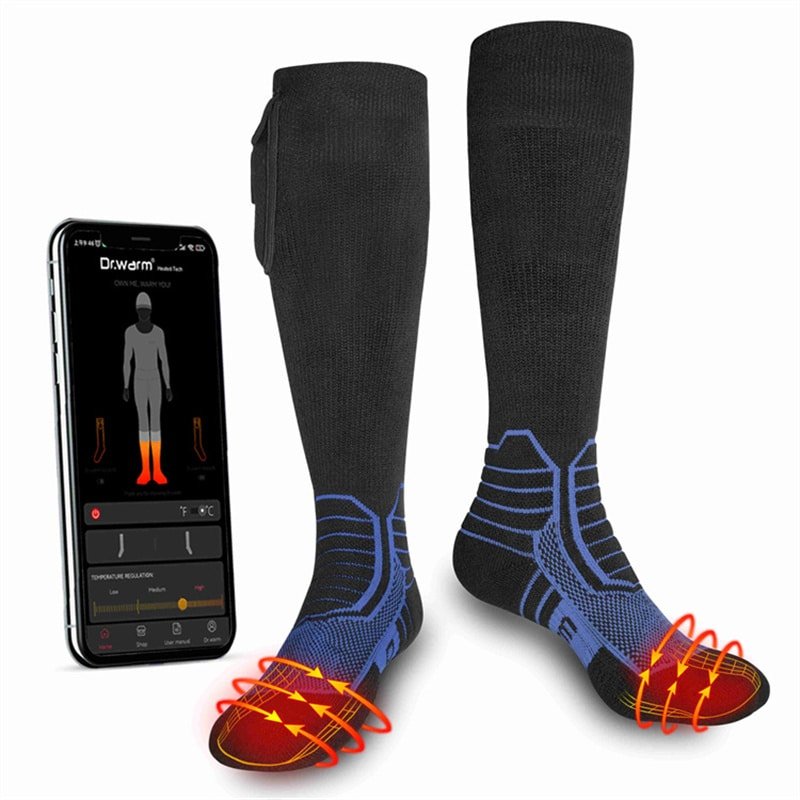
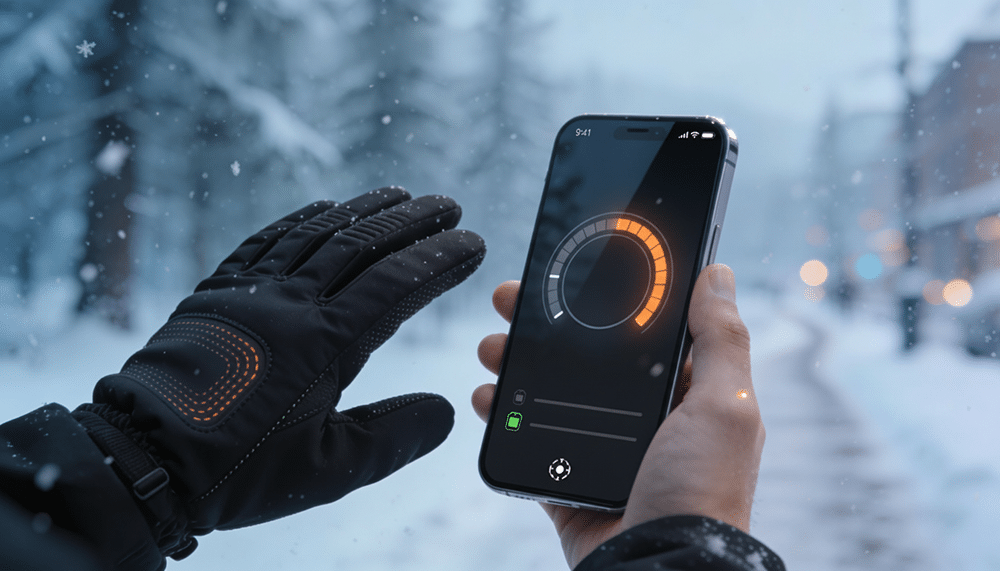
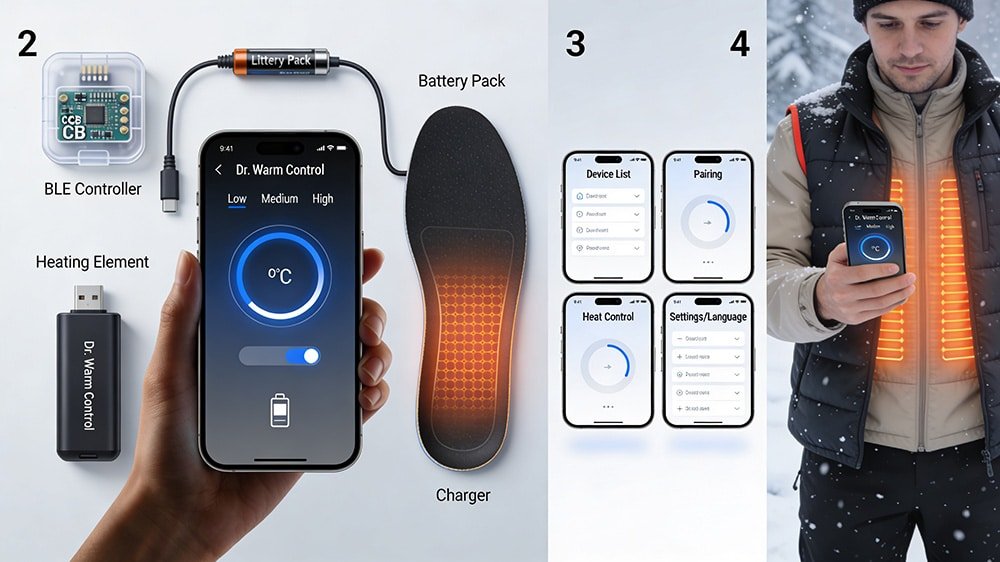
In contrast, app-controlled systems integrate Bluetooth (or similar wireless protocols) modules, requiring a microcontroller capable of running firmware that handles communication, temperature algorithms, and user commands from a mobile application. This creates a hybrid hardware-software architecture where the controller processes real-time inputs beyond simple on/off or step changes.
The added complexity in app systems increases controller sophistication, often necessitating more advanced MCUs, additional memory for firmware, and secure wireless pairing protocols.
For a deeper look at implementation options in modern heated apparel, see our guide to app-controlled vs button-controlled heating solutions.
Here is a clear comparison of core structural aspects:
| Aspect | Button-Controlled | App-Controlled |
| Control Logic | Hardware-based | Software-driven |
| Temperature Steps | Fixed levels | Adjustable / programmable |
| Interface | Physical button | Mobile app |
| Architecture Complexity | Lower | Higher |
| Upgrade Capability | Limited | Flexible |
Temperature Precision and Performance
Temperature precision varies significantly between the two systems, directly influencing user comfort and perceived product quality in heated apparel.
Button systems are constrained to discrete steps, often implemented via simple voltage dividers or PWM duty cycles tied to button presses. This results in limited granularity — users must accept predefined heat outputs, which can lead to overshooting or undershooting ideal temperatures, especially during activity changes or ambient shifts.
App-controlled systems enable micro-adjustments, often in 1–5% increments across a continuous or near-continuous range. Software algorithms can incorporate feedback loops (if thermistors are placed strategically), allowing better heat distribution management across multiple zones. Features like scheduled profiles or activity-based presets further enhance performance consistency.
Real-world testing in mid-to-high-end products shows app systems reduce temperature variance by 30–50% compared to fixed-step hardware controls, particularly in multi-zone designs (e.g., separate chest, back, and sleeve heating).
| Performance Factor | Button System | App System |
| Precision | Limited | High |
| Multi-zone control | Rare | Common |
| Custom modes | Not supported | Supported |
| Real-time adjustment | Manual | Software-based |
Scalability and Product Development Flexibility
Scalability represents one of the clearest long-term advantages of app-controlled architectures in wearable heating products.
Button-controlled systems offer little room for post-launch enhancements; once the hardware is fixed, adding features requires physical redesigns and new production runs. Firmware is typically minimal or nonexistent, limiting cross-product compatibility.
App-controlled platforms allow over-the-air (OTA) firmware updates, enabling new temperature algorithms, bug fixes, or even entirely new modes without hardware changes. This supports feature expansion — such as integrating usage analytics, predictive battery warnings, or ecosystem compatibility across a brand’s product line. For brands planning multi-year collections or iterative improvements, this flexibility accelerates development cycles and strengthens differentiation in competitive segments like winter sports or technical outdoor gear.
Power Management and Energy Efficiency
Effective power management directly affects battery runtime and user satisfaction, where the two systems diverge in capability.
Button systems use basic current regulation, often simple on/off switching with fixed PWM for each level. Battery monitoring is usually limited to low-voltage cutoffs, leaving optimization to coarse temperature steps that may waste energy during transitional states.
App systems implement dynamic current control, throttling power based on real-time temperature feedback, user presets, or environmental data (via phone sensors if permitted). Advanced logic can prioritize zones, implement soft-start routines, or enter low-power sleep modes intelligently. This typically yields 15–30% better energy efficiency in variable-use scenarios, extending runtime without increasing battery capacity.
| Power Factor | Button Control | App Control |
| Current regulation | Basic | Dynamic |
| Battery monitoring | Minimal | Advanced |
| Energy efficiency | Moderate | Optimized |
| Safety integration | Hardware-based | Integrated software logic |
Manufacturing Complexity and Cost Considerations
From a production standpoint, button-controlled systems maintain lower manufacturing complexity and per-unit costs.
Button designs require simpler PCBs with fewer components, reduced SMT placement steps, and straightforward functional testing focused on switch reliability and basic safety checks. Validation is primarily hardware-centric, with shorter lead times for iteration.
App-controlled systems demand additional steps: Bluetooth module integration, antenna tuning, firmware flashing stations, secure pairing protocol testing, and extended EMC/EMI validation to meet FCC/CE requirements. Software development adds upfront costs for app creation, backend support (if OTA is included), and compatibility across iOS/Android versions. These factors can increase controller BOM by 20–50% and extend validation timelines, making app systems better suited to mid-to-premium price tiers where margins absorb the added expense.
Which System Fits Different Product Segments?
The optimal control method aligns closely with target price points, user expectations, and brand positioning.
- Entry-level heated products (budget gloves, basic insoles, workwear vests): Button control excels here due to its simplicity, lower cost structure, and reliability in high-volume production. Users prioritize basic functionality over advanced features.
- Mid-to-high-end outdoor gear (ski jackets, premium heated apparel, sports vests): App control becomes advantageous, offering precision, customization, and perceived innovation that justify higher pricing and support brand differentiation.
- Professional or technical apparel (tactical gear, extreme cold workwear, medical/rehab applications): App-based architecture is often preferred for its scalability, data logging potential, and ability to implement safety-critical features like automatic shutoff or usage monitoring.
Common Misunderstandings in System Comparison
Several misconceptions persist when evaluating heated apparel control systems.
- “App control always improves performance”: Not necessarily — poor firmware implementation can introduce latency, connectivity issues, or bugs that degrade reliability compared to robust hardware-only designs.
- “Button systems are outdated”: They remain highly effective for cost-sensitive segments and scenarios where simplicity trumps features, especially in products with glove-compatible large buttons.
- “Upgrading is simple plug-and-play”: Transitioning from button to app control usually requires redesigning the controller, wiring harness, battery interface, and validation protocols — far from a minor swap.
Conclusion — Better Depends on Strategic Fit
The choice between app-controlled and button-controlled heating systems should reflect product positioning, cost structure, and long-term development strategy rather than trend-driven assumptions. Button control delivers dependable, economical performance for accessible market segments, while app control unlocks precision, efficiency, and future-proofing for brands invested in technical differentiation and iterative improvement.
Evaluate your roadmap: if scalability, firmware-driven enhancements, and premium user experiences align with your goals, app architecture offers clear advantages. If production efficiency, minimal complexity, and reliable baseline functionality take priority, button-controlled systems remain a rational, proven solution in wearable heating control technology.