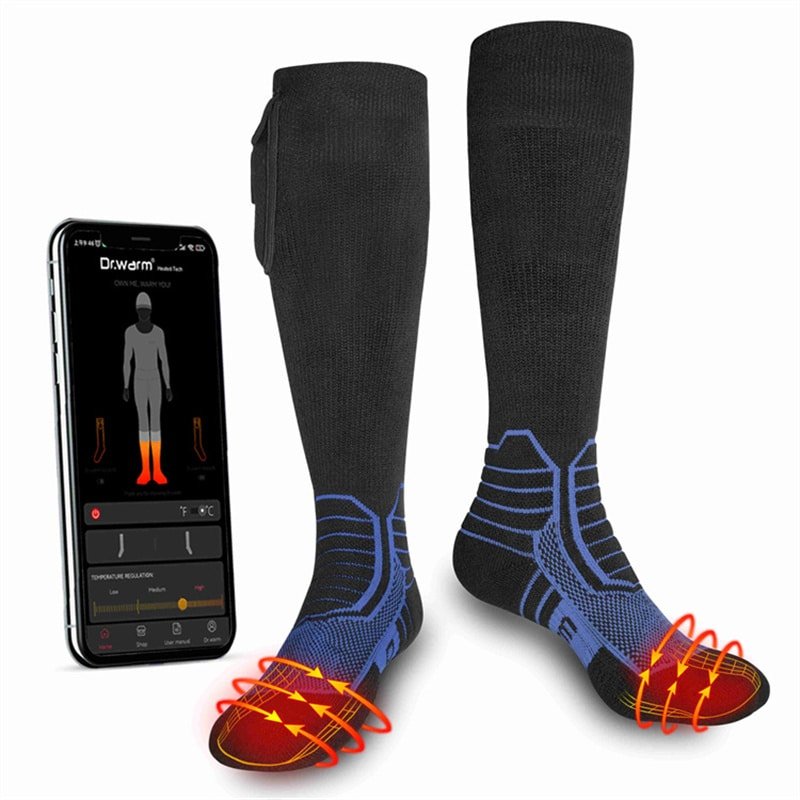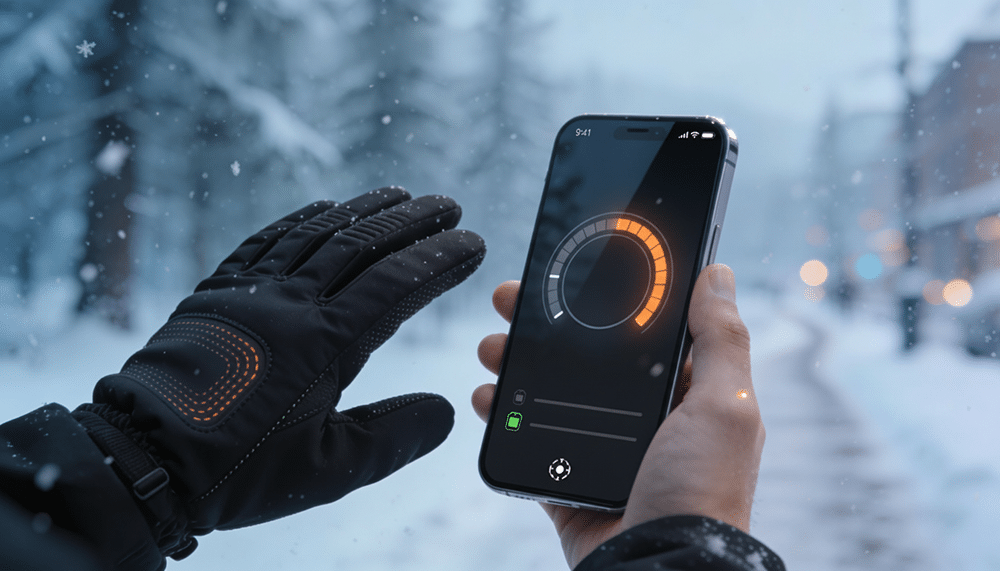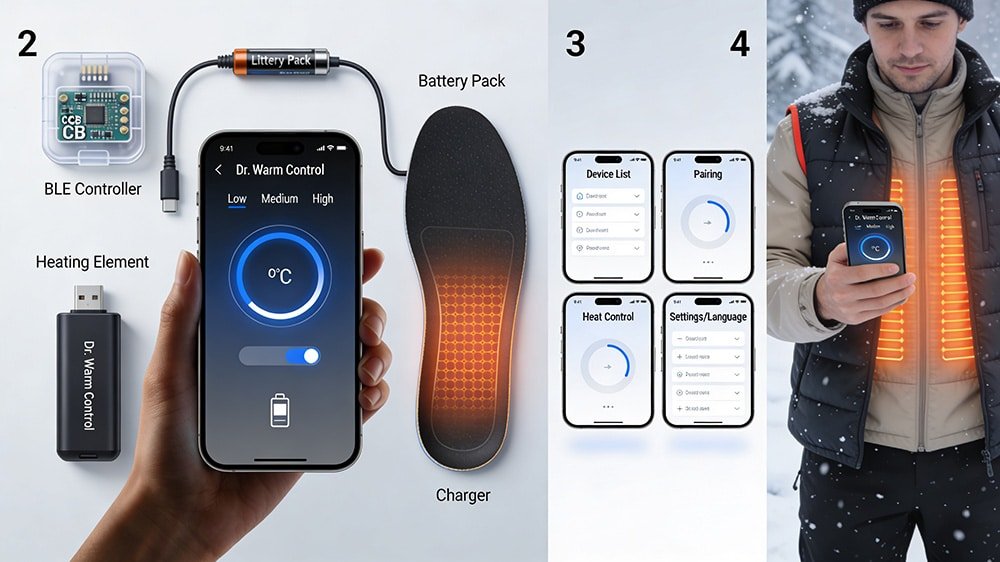

Developing OEM app-controlled heating systems for heated apparel involves far more than adding Bluetooth connectivity to existing controllers. It requires integrating hardware, firmware, mobile app communication, and rigorous validation to ensure reliable performance in real-world cold conditions. MOQ levels depend heavily on whether you’re modifying an existing platform or building a fully custom PCB and firmware stack. Timelines stretch based on architecture complexity, from basic temperature adjustments to advanced multi-zone control and app features.
OEM smart heating development should be evaluated as a system engineering project rather than a simple product modification. Many brands underestimate this shift—assuming app control adds only marginal cost—when in reality it often demands redesigned controllers, enhanced battery management, expanded testing protocols, and sometimes new tooling. The cost and timeline of OEM app-controlled heating systems are determined by architecture complexity, firmware development scope, and validation requirements—not by heating components alone.
For brands exploring these solutions, partnering with manufacturers experienced in full-system integration is essential. Exploring OEM app-controlled heating solutions early helps align expectations with technical realities.
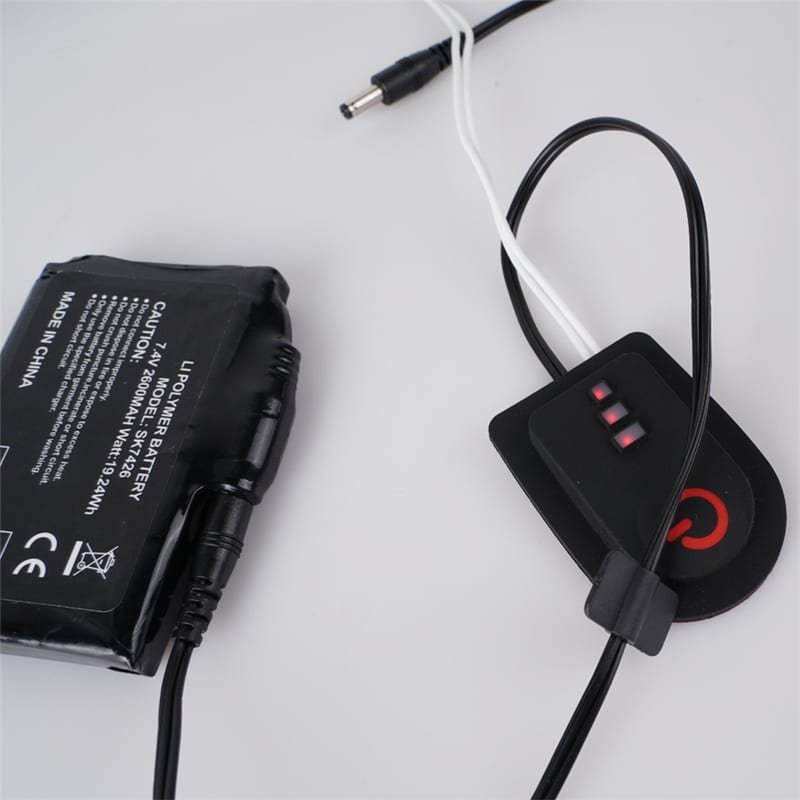
Typical MOQ Requirements for OEM App-Controlled Systems
MOQ for OEM app-controlled heating systems varies significantly depending on the level of customization required. Using an existing controller platform keeps MOQ lower, while full custom PCB design and proprietary firmware push requirements higher due to tooling, validation, and production line setup costs.
When brands opt for minimal changes—such as basic Bluetooth pairing to a pre-existing controller—MOQ can stay relatively accessible for smaller runs. However, semi-custom firmware or app-specific adjustments increase setup effort, and fully bespoke systems (new PCB layout, custom app protocol, advanced battery protection) demand higher volumes to amortize engineering and tooling investments.
Production line considerations also play a role: dedicated assembly for custom electronics, firmware flashing stations, and app-pairing testing require stable batch sizes to maintain efficiency and quality consistency.
| Development Level | Typical MOQ Range | Reason |
| Existing platform customization | Lower MOQ (e.g., 500–1,000 pcs) | Minimal PCB changes, reuse of proven hardware and basic firmware |
| Semi-custom firmware | Medium MOQ (e.g., 1,000–3,000 pcs) | Firmware adjustment, app protocol integration, moderate validation |
| Fully custom PCB + app | Higher MOQ (e.g., 3,000–5,000+ pcs) | Tooling & validation required, new PCB design, extensive testing cycles |
These ranges reflect industry patterns for heated apparel OEM projects, where higher customization correlates directly with elevated MOQ to justify non-recurring engineering expenses.
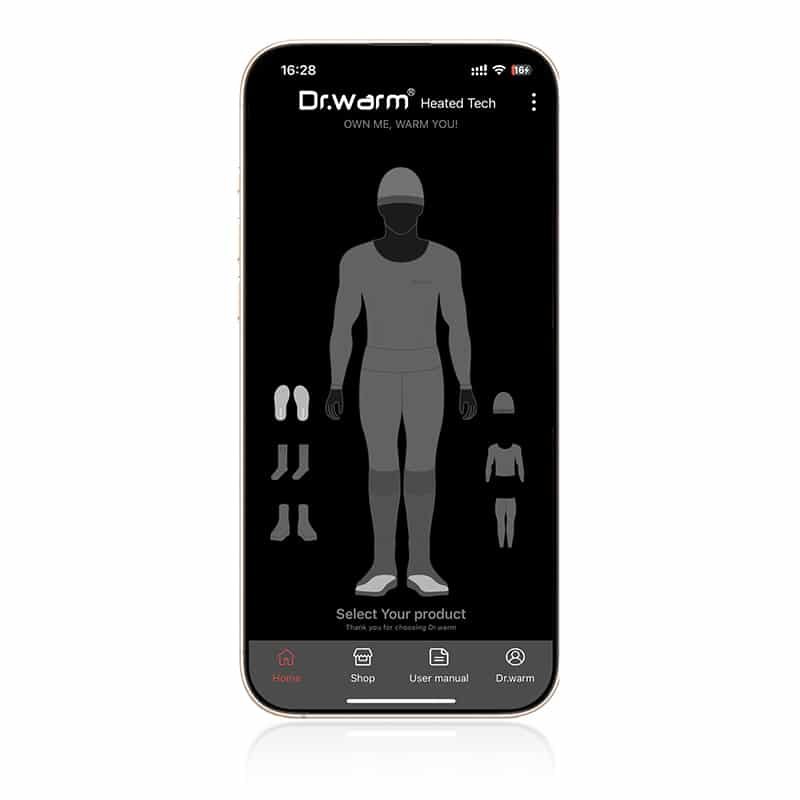
Cost Structure Breakdown
The budget for OEM app-controlled heating systems extends well beyond heating elements and batteries. Major cost drivers stem from electronic redesign, software engineering, integration challenges, and compliance-driven testing.
PCB redesign often represents a significant upfront investment due to layout changes needed for Bluetooth modules, improved power regulation, and sensor integration. Firmware programming consumes engineering hours for reliable temperature control algorithms, Bluetooth Low Energy (BLE) communication, over-the-air updates, and fault handling. App customization adds UI/UX development, cross-platform compatibility (iOS/Android), and backend considerations if cloud features are included. Battery upgrades address higher current draw from wireless communication and ensure stability under variable loads. Finally, testing and validation—covering thermal cycling, drop tests, EMC compliance, and safety protocols—ensure the system meets CE, FCC, RoHS, and other standards.
| Cost Component | Why It Affects Budget |
| PCB redesign | Tooling and engineering for new layouts and components |
| Firmware programming | Development time for control logic, BLE protocol, stability |
| App customization | UI/UX integration, cross-platform testing |
| Battery upgrades | Power stability for wireless features and extended runtime |
| Testing & validation | Safety assurance, EMC, environmental, and endurance tests |
These elements make custom heated clothing system cost substantially higher for app-enabled versions compared to basic switch-controlled designs.
Development Timeline: From Concept to Mass Production
Realistic timelines for app-controlled heating development reflect the iterative nature of system engineering. Projects rarely move linearly; feedback loops during prototyping and validation often extend phases.
The process begins with requirement definition—capturing heating zones, app features, battery specs, and target certifications. Architecture planning outlines hardware/firmware/app interactions. PCB and firmware development follow, including schematic design, layout, coding, and initial integration. Prototype testing verifies basic functionality in simulated cold environments. System validation encompasses safety, reliability, and compliance testing. Mass production preparation involves tooling finalization, supplier qualification, and pilot runs.
| Phase | Estimated Duration |
| Architecture planning | 2–4 weeks |
| PCB & firmware development | 4–8 weeks |
| Prototype testing | 2–4 weeks |
| System validation | 2–6 weeks |
| Mass production setup | 3–5 weeks |
Total timelines typically span 3–6 months or longer for complex projects, depending on revisions and certification cycles. These are industry-typical ranges, not fixed promises, as delays often arise from unforeseen integration issues or regulatory feedback.
Factors That Increase Cost and Timeline
Several design choices significantly elevate investment and extend schedules in wearable heating system manufacturing:
- Multi-zone heating design — Requires additional control channels, more complex firmware algorithms, and expanded PCB routing.
- Advanced app customization — Custom UI elements, real-time graphing, user profiles, or OTA firmware updates demand extra development and testing.
- Unique battery specifications — Non-standard capacities, low-temperature performance, or fast-charging features necessitate custom protection circuits and validation.
- Certification requirements — Targeting multiple markets (e.g., CE + FCC + UL) multiplies testing scope and documentation.
- Cross-product integration — Designing one controller platform reusable across jackets, vests, gloves, etc., increases initial architecture effort but can reduce future costs.
Each added layer of sophistication compounds engineering hours, prototyping iterations, and validation depth.
Cost vs Long-Term Value Consideration
While upfront costs for OEM app-controlled heating systems appear substantial, brands should evaluate them against long-term strategic benefits. Scalable firmware architecture allows reuse across product lines, reducing per-project engineering in future seasons. A well-designed platform supports brand differentiation through consistent user experience—reliable app pairing, precise temperature control, and potential OTA enhancements. This positions products in premium segments where consumers value smart features over basic heating.
Future product expansion becomes more feasible: adding new apparel categories or advanced sensors leverages existing firmware and validation investments. The ROI logic favors thoughtful architecture decisions that prioritize modularity and reliability, turning initial expenditure into sustained competitive advantage.
Risks Brands Should Evaluate Before Committing
Before investing in heated apparel OEM development, brands must assess several critical risks that can impact project success and product performance:
- Supplier firmware capability — Inadequate experience in BLE protocols or real-time control can lead to unstable connections or safety issues.
- Production stability — Inconsistent assembly of electronics or firmware flashing processes may cause high defect rates in volume.
- Signal reliability — Poor antenna design or interference handling results in dropped app connections in real-use scenarios.
- Battery sourcing consistency — Variations in cell quality affect runtime, safety, and long-term performance across batches.
Thorough due diligence on the manufacturer’s track record in similar smart heating projects helps mitigate these exposures.
Conclusion — Investment Should Align with Product Strategy
Evaluating OEM app-controlled heating systems requires understanding how architecture, firmware scope, and production stability influence both cost and long-term product scalability. Treating the project as integrated system engineering—rather than an add-on feature—ensures realistic budgeting, achievable timelines, and durable market performance. Aligning investment decisions with overall brand strategy helps avoid common pitfalls and supports sustainable growth in the competitive heated apparel space.