There is no clear danger of sourcing hot socks in China, however, when ignoring technical aspect, certification standards, and production strategies, one may cause the unnecessary product and brand-failures.
Most customers treat heated socks more of an ordinary piece of textiles and shop around on prices and plain pieces of fabric without exploring the underlying electronics. On the ground, such products are a combination of high-tech heating components, rechargeable batteries, wiring systems, and smart controls, each of which requires specific manufacturing skills. In comparison with regular socks, heated socks have to perform constant heating, should resist periodic bending and laundry, and have to pass rigid electrical precautions to avoid the consequences of overheating, short-circuit, and battery malfunction.
Sourcing failures most often happen when the brands base their evaluation of price of the suppliers of the heated socks without examining the engineering depth and production control systems. This process is the cause of products that did well in small test but failed in the real world application or at the inspection of imports.
Mistake 1: Treating Heated Socks Like Ordinary Textile Products
The first product types are, heated sock, electromechanical, second type, textile; treating these products in a different way is among the fastest way to achieve quality and safety issues.
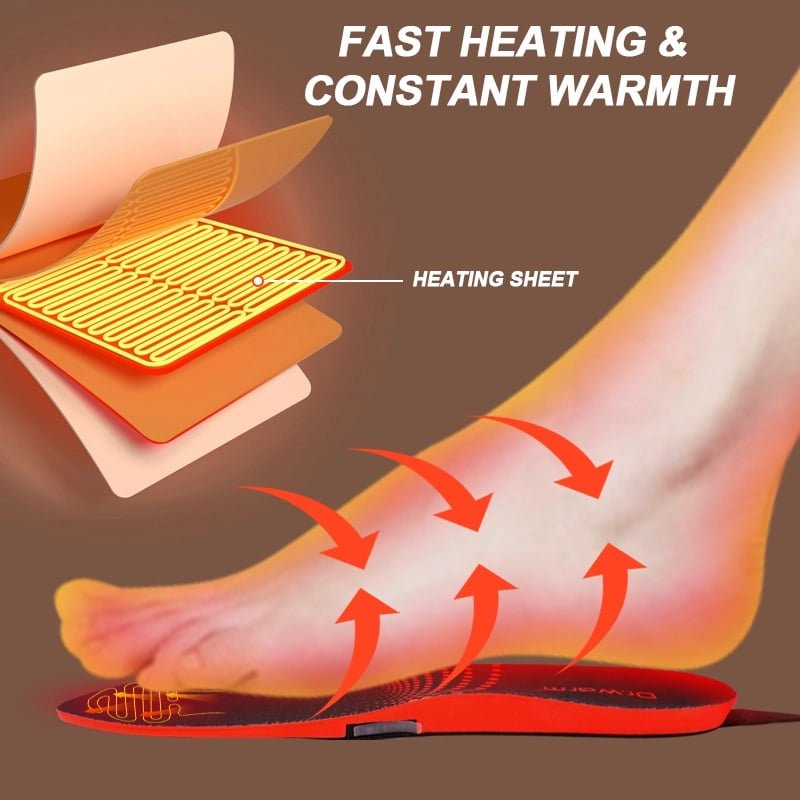
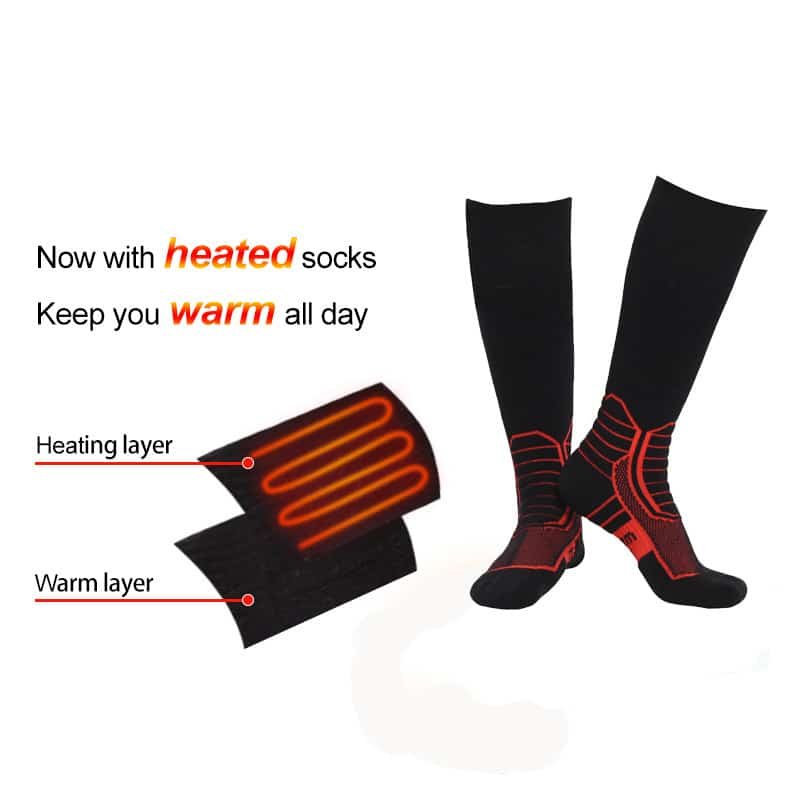
The heating technology introduces further complexity which cannot be managed effectively by textile factories, especially when it is pure. Heating elements (usually carbon fiber films or wires) have to be cutlessly integrated into the sock structure without forming pressure points or weak spots. Wiring must be able to withstand thousands of flex cycles made by walking or sporting activities and battery connections must be insulated routed to prevent shorts. The distribution of heat through the foot should be equal to avoid hot spots that may be very uncomfortable or burn the foot.
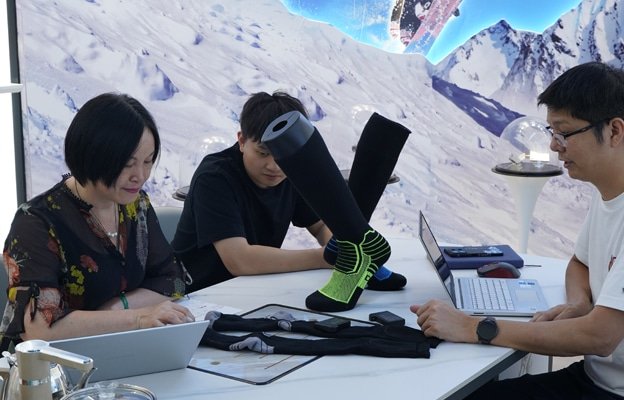
Textile-only suppliers could be good at knitting the pattern and choosing the yarn, however, they might not have experience with electronic integration, soldering standards, or thermal mapping tests. This disconnect is often a cause of uneven heating, premature breakdowns, or hazards.
| Product Component | Risk if Overlooked |
| Heating Element | Uneven heating or complete failure |
| Wiring Structure | Breakage under flex, leading to shorts |
| Battery Pack | Safety issues, reduced runtime, or swelling |
| Control System | Temperature instability or runaway heating |
For brands considering sourcing custom heated socks from China, this distinction early on will allow them to cull suppliers that specialize in the production of wearable heating products.
Mistake 2: Ignoring Certification and Compliance Requirements
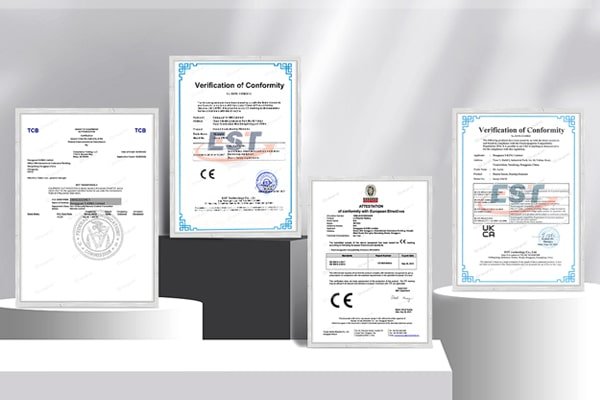
The lack of verification of the certifications at the initial stage may prevent market access or cause expensive recalls once shipped.
Heated socks are products that belong to various classes of regulations owing to their presence of electronics and lithium batteries. Important standards would be CE marking of EU markets (including both electrical safety and EMC), RoHS of restrictions on hazardous substances, FCC of electromagnetic interference in the US and tests (often in line with UN38.3 or UL standards) on battery safety. The major markets such as the US, EU and UK are raising the concerns of the import authorities who are inspecting such types of products; failure to which the shipments would be detained or destroyed.
The battery systems are also especially dangerous, as uncertified cells may overheat, spew or burst into fire, in case they are overused or damaged. The recent cases of faulty heated socks of Chinese origin have brought up the risks of burns and fire caused by insufficient protection of the battery and insufficient over-temperature cover.
| Certification Area | Why It Matters |
| CE | Mandatory for EU market access |
| RoHS | Ensures material compliance (no heavy metals) |
| FCC | Controls electronic transmission safety |
| Battery Test (e.g., UL, UN38.3) | Critical for safety and import approval |
It must not be verified after samples have been received, but prior to committing to production. Order lab reports on accredited laboratories and compare them with your target markets.
Mistake 3: Evaluating Suppliers Based on Samples Alone
Using hand-made or small-batched samples only gives a deceptive feeling of safety regarding the quality of mass-production.
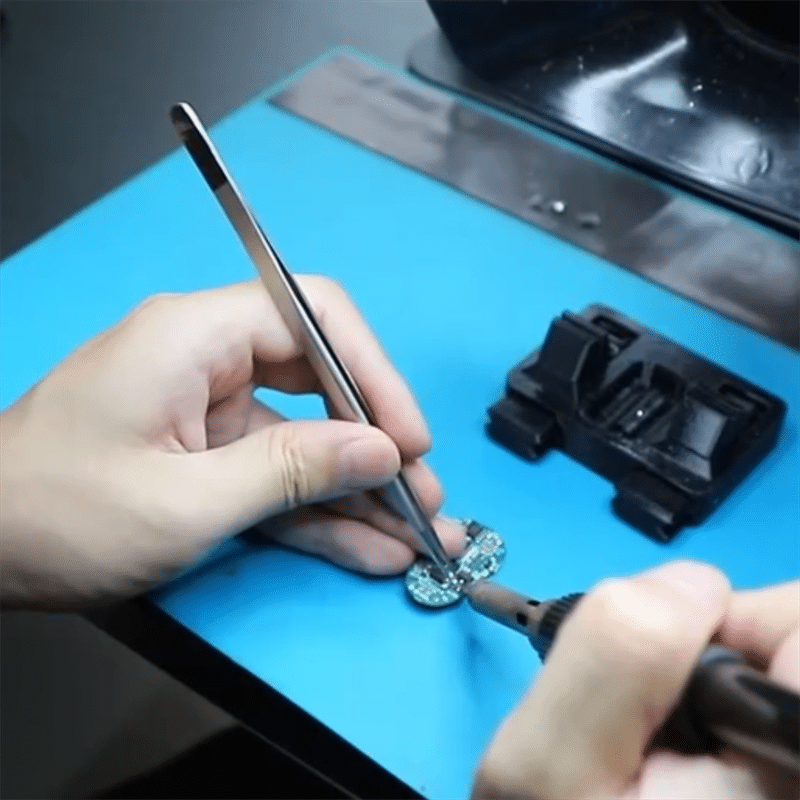
More often than not, samples receive additional care such as hand-soldered connections, hand-tested, and cherry-picked components that cannot be repeated on thousands of units. Mass production brings in all parameters, such as machine calibration drift, operator consistency, and batch variation of materials. Flex-cycle endurance and temperature cycling is necessary to expose latent weaknesses, which only manifest themselves at post-delivery.
| Evaluation Method | Risk Level |
| Sample Only | High |
| Factory Audit | Moderate |
| Production Line Review | Low |
| QC Documentation Review | Low |
The rigorous evaluation involves checking the production line controls and the QC check points as well as batch history.
Mistake 4: Overlooking Supply Chain Stability
A wobbly supply chain interferes with timeframes and other quality component aspects that are difficult to notice initially.
There are several specific inputs on which heated socks rely: lithium battery cells, regular heating modules, and regular supplies of fabric / yarn. Any fluctuation in any connection including lack of battery at peak season or inconsistencies in dye batches can either slow down the production or compel a replacement that impacts performance.
The extreme demand of winter clothing during the seasons usually stresses the factories such that they end up hastily producing or neglecting testing. The sourcing of suppliers whose sub-suppliers have either fragmented or unverified sub-suppliers entails more risks to quality drift.
Mistake 5: Prioritizing Low MOQ Over Manufacturing Logic
Very low minimum order quantities (MOQs) can be very attractive in order to test markets, but it often compromises quality and repeatability.
Low MOQs interfere with the economic production of a mold or jig or testing regimen – setup expenses on molds jigs and tests are amortized across fewer units and suppliers are pressured to skimp corners. Making modifications becomes grossly costly and the production factories might favor bigger batch clients and therefore follow-up orders will not be uniform.
- Very low MOQs can imply hand-assembly and not automated lines, which adds to human error.
- Large-scale heating and sourcing of the components are preferred in batch economics.
- The setup and tooling cost is constant and increases the cost of per unit.
- Repeat orders may have variability when the factory transfers the resources to other parts.
Balanced MOQs that are consistent with production logic have enhanced consistency and supplier commitment.
Mistake 6: Failing to Clarify Customization Scope
Lack of clarity in the area of customization results in a mismatch of expectations, time wastage and excessive budget.
Customization is simple (such as adding a logo to the front of embroidery) or elaborate (such as adding more battery capacity, shifting the heating zones, or having the control connected to an app). All the levels impact tooling, testing, and certification. Let’s say: changing battery specifications can lead to the re-testing of the safety requirements and redesigning of heating patterns will involve new thermal maps.
When a change becomes expensive, there is usually a misunderstanding that is discovered at the end of the process of tooling or initial production. These issues are eliminated by clearly defining the scope since the RFQ stage.
How to Reduce Risk When Sourcing Heated Socks from China
Minimizing risk begins with the treatment of heated socks as technical products that need to be subjected to systematic due diligence.
- Carry out a technical capability evaluation: Test the experience of the supplier in the field of electronics integration, heating systems, and battery management.
- Check testing records: Order new, certified records of CE, RoHS, FCC and battery safety.
- Test production workflow: Audit QC checkpoint and aging test and flex endurance audits.
- Confirm sourcing of batteries: Confirm the reputation of the suppliers of cells and their documentation of certifications.
- Develop feasible schedules: Develop buffers on sampling, compliance checks and possible repetitions.
These measures are a change of short term cost to long term quality and compliance.
Conclusion — Risk Awareness Is the Foundation of Successful Sourcing
The key to the sourcing of the heated socks in China starts with the requirements of knowing the complexity of manufacturing, ensuring that the technical capability is checked, and that the expectations should be matched by the realities of production.
Wearable heating products do not only require textile knowledge; they also need electronics knowledge, extensive testing, and consistent supply chains. Long-term partnership and careful assessment should be prioritized instead of immediate savings to enable brands to provide safe products, reliable products that ensure trust in competitive markets..