
The principle of heated sock is to incorporate engineered heating devices, regulated battery systems, and temperature regulation systems into a dynamic textile form, and the actual effectiveness of these systems is determined by the design and assembly of these systems.
Heated socks have been thought of by many individuals as battery-heated cloths when in fact they contain engineered heating components, thermal design, and systematic durability assessment. The success and safety of the use of heated socks is determined by the engineering quality of heating components, wiring design, battery security and accuracy in production.
The Core Principle: Resistive Heating Technology
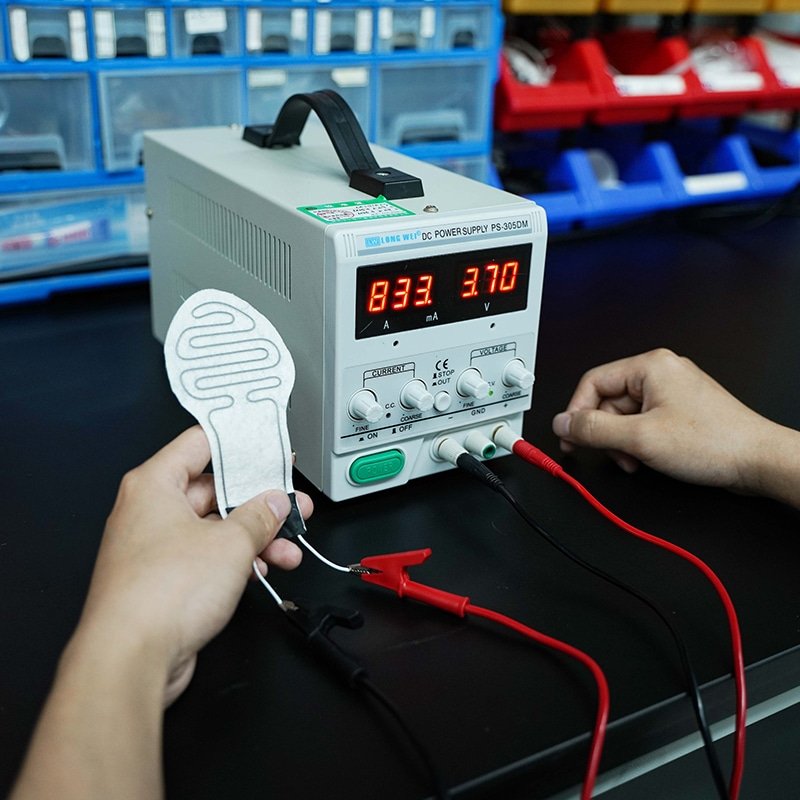
Hot Socks are based on resistive heating and apply electrical current through a conductor that has a resistance that directly changes electrical energy into heat through the Joule effect.
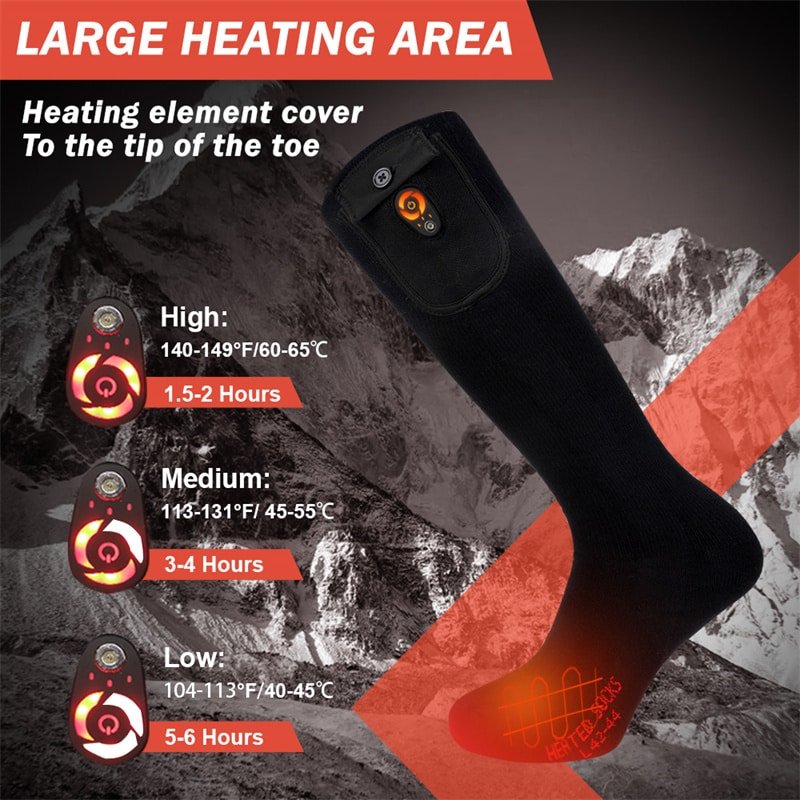
It works with low voltages of about 3.7 V to 7.4 V which is supplied by rechargeable lithium batteries, and this makes it safe to wear as well as provide targeted warmth to the feet. Constant power supply is critical; it should not be subject to variability since it may cause uneven heating or stress on the components. The heat is dispersed by channels that are integrated into the fabric of the sock and the heat is distributed all over important areas such as the toes and the ball of the foot.
The system needs to have accurate coordination of components to ensure efficiency and elimination of hotspots.
| Component | Function |
| Heating Element | Converts electrical energy to heat |
| Battery Module | Provides controlled power |
| Controller | Regulates temperature levels |
| Wiring System | Transfers current safely |
| Textile Structure | Maintains heat distribution |
Types of Heating Elements Used in Heated Socks
Flexibility, heat uniformity and durability in heated socks are all based on the selection of the heating element used in the product.
Carbon fiber heating elements have been superior in the high-end designs because of superior balances of characteristics. These are fine, elastic strands that are highly conductive, and the heat is also evenly distributed which prevents fatigue made during repeated flexing during walking or sports. Heating film components, usually polymer-based with conductive overlayers, offer precise heating in future-lightweight constructions, which can demonstrate uneven warmth during motion. Entry-level models use traditionally-heating wires (which are usually fine metal alloy or copper-carbon compounds) which provide localized heating but have poorer flexibility and may become damaged with usage.
Practically, carbon fiber would perform better in strenuous tasks such as skiing or long-duration outdoor tasks whereas heating film would be applied on thinner and less active-use designs.
| Heating Type | Flexibility | Durability | Heat Distribution | Common Use |
| Carbon Fiber | High | High | Even | Premium models |
| Heating Film | Moderate | Moderate | Targeted | Lightweight designs |
| Heating Wire | Lower | Moderate | Localized | Entry-level |
For brands developing custom products, understanding these differences is key — our heated socks manufacturing expertise highlights how element selection influences final performance.
Battery Integration and Power Management
The battery technology used in the heated socks has to be able to provide effective power in a small lightweight package without putting the user at risk.
The majority of designs are based on a rechargeable lithium-ion or lithium-polymer battery, usually at 3.7 V to fit slim sock-size packs or to 7.4 V with more powerful designs. Capacity is usually between 2200mAh and 5000mAh which directly influences the runtime: lower power can last 8 to 10 hours, whereas full power limits it to 3 and 5 hours.
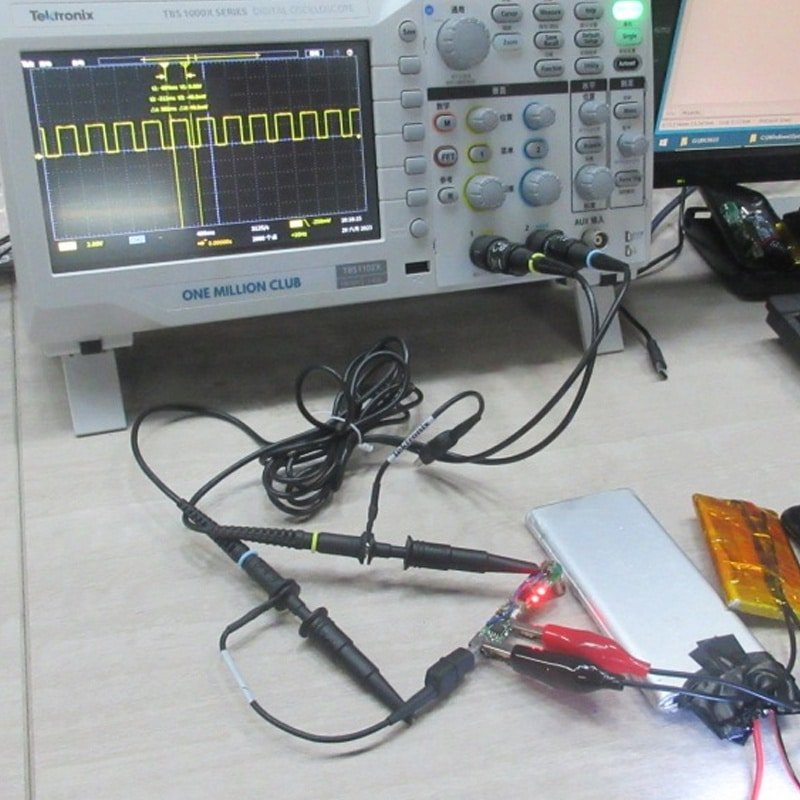
One of the key elements is the Battery Management System (BMS) that controls voltage, current and temperature to avoid overcharging, over-discharging, short circuit, and thermal runaway. The proper implementation of a BMS will make sure the battery will shut down the power in case of any anomalies and this guarantees the protection of the user, as well as the heating circuit. Location — it can be placed in a small cuff pouch or ankle clip so as not to be too accessible and yet not too disruptive during movement.
Temperature Control Systems Explained
By enabling a person to accurately adjust the system to the environment and his or her comfort, temperature management transforms the simple heating circuit into a convenient and easy to use one.
Simple models operate with manual 3-level switches (low, medium, high) through built-in buttons providing a simple operation with a simple structure. Wireless handheld units are features of remote control systems that make them convenient because they can be adjusted without hunching over. Further versions that have greater app control can use Bluetooth to enable more precise settings, tracking of use, and even automatic adjustments to ambient temperature.
Pulse-width modulation (PWM) is used by many to control the power flowing in and out to ensure the average temperature is maintained without any wastage of energy or high temperature spikes caused by using a rapid on and off control.
| Control Type | User Flexibility | Complexity |
| Manual Button | Basic | Low |
| Remote | Moderate | Medium |
| App Control | Advanced | High |
How Textile Structure Supports Heating Performance
Textile engineering is the base on which the electronic components can operate successfully in a foot-shaped dynamic environment.
Special knitting patterns, typically a combination of merino wool, nylon and elastane, produce zoned surfaces: in high wear problem areas such as heels and toes, denser weaving is used to give strength, whilst in other areas, the weaving should be breathable to avoid moisture trapping. The heating points are well positioned, generally targeted at toes and forefoot where the heat is most easily lost and the elements are placed between the layers, so that the skin is not in direct contact with the heating.
Flex durability is a result of flexible conductive tracks and fixed anchoring points that bend thousands of flex cycles without breaking or losing contact. The insulation versus breathability tradeoff (trape heat vs. wick sweat) is the factor that directly influences perceived comfort and eliminates such problems as clammy feet after prolonged wear.
Manufacturing Factors That Affect Heating Stability
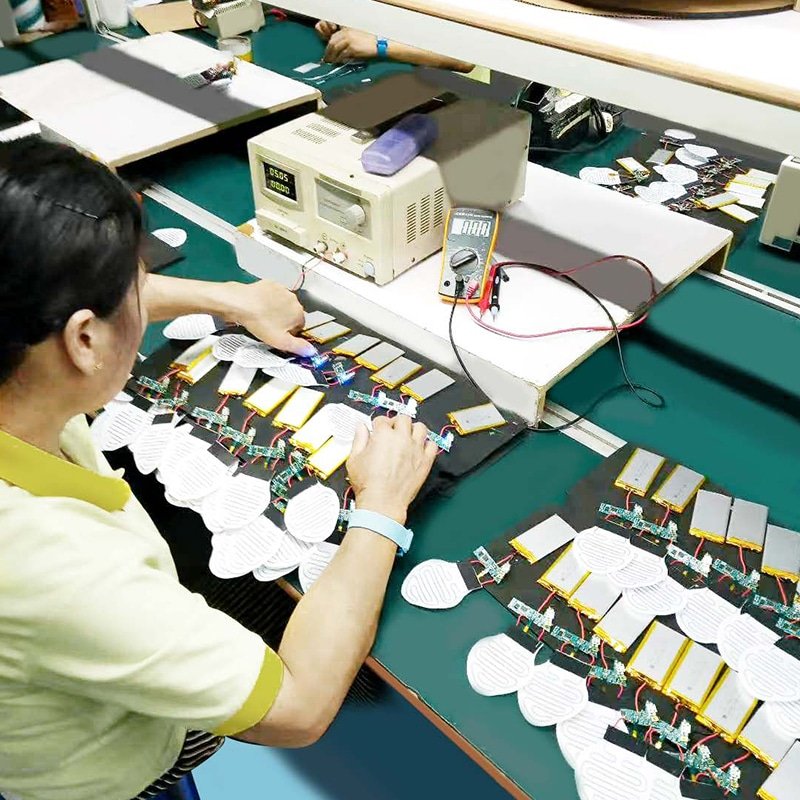
Precision production is the key point of long-term stability in heated socks heating and not the quality of the components.
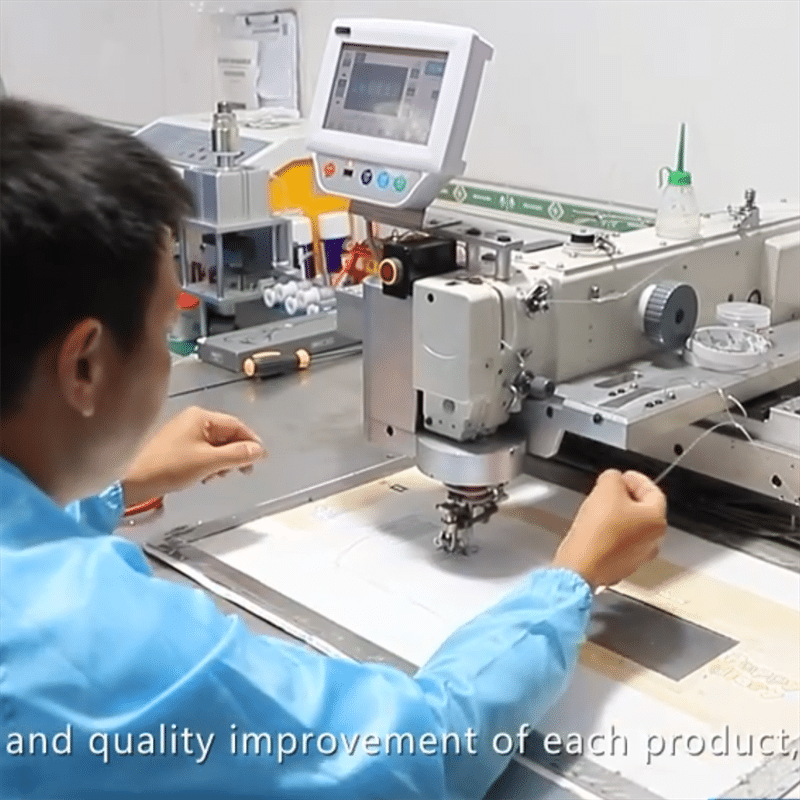
To ensure materials last in wiring, flex points must have strain-relief and robust insulation to endure abrasion of movement of feet. Conductive bonding or soldering should provide uniform, low resistance connections, bad joints will form hotspots, or be able to fail over time. The thermal aging tests classify the level of heat cycling on assemblies to ensure they survive high heat conditions over a long period.
Wash testing – with close attention to the temperature of water, agitation and drying – is what allows keeping seals and connections alive after dozens of cycles. Precision in the production line, such as automated positioning of heating elements and tension consistency in knitting, reduces the variation that may result in difference in performance in different batches.
Common Technical Issues in Heated Socks
Even the most well-designed heated socks may have a problem when engineering tolerances or usage is more than expected.
- Lack of uniform heat: This is commonly caused by shaken heating parts in wear, initial misplacement or uneven distribution of current by manufacturing irregularities.
- Broken wiring: It is caused by the flexing and lack of strain relief, or abrasion between the boot interiors, or fatigue of the material in low grade conductors.
- Battery overheating: This is usually related to defective BMS, excessive discharge in low temperature or blocked ventilation in closed pouches.
- Inconsistent temperature regulation: May occur due to controller faults, PWM drift, or faulty connections that have become resistant.
- Interference of moisture: water vapor or outside water can enter through a short circuit should waterproofing around connections and elements be poor.
Conclusion — Heating Technology Determines Product Quality
Heated sock is an electronic wearable system and electronics and textiles have to work in unison. Realizing the mechanism of working of heated socks, it is possible to conclude that the quality of the product depends not only on the materials but also on the design of the product, control of power, and accuracy of its production. Since the physics of resistive heating has been applied to battery protection and long-lasting textile integration, each layer adds to the reliable and safe functionality in the real world. To developers and engineers, these interconnected systems are the focus of differentiating products that become durable, that perform well and those that fail prematurely.
Frequently Asked Questions
Why does a heated sock feel warm at the toes first?
Because heat follows resistance and geometry, not intent. The toe area usually carries the highest resistance path and has the least blood flow to carry heat away, so the same wattage reads hotter there. Designers use that deliberately — but it also means a poorly mapped layout can overheat the toe box while the arch stays cold.
What fails first in a heated sock?
The connection, not the element. Solder joints and crimps at the ankle flex thousands of times a season while the carbon fiber itself barely fatigues. That is why a stress-relief loop and a strain-tested lead route matter more to service life than upgrading the heating material.
Can a heated sock be repaired, or is it sealed for life?
The heating circuit cannot be serviced once it is laminated into the sole, so treat the sock as sealed. The pack and the controller, however, are replaceable, and a brand that stocks those as spares extends the product life without touching the textile at all.
How does washing affect the heating element?
Repeated washing ages a heated sock faster than hours of use. Agitation flexes the lead route and detergent residue slowly attacks the insulation. A removable pack, a sealed connector and a clearly stated wash cycle do more for service life than any upgrade to the element itself.