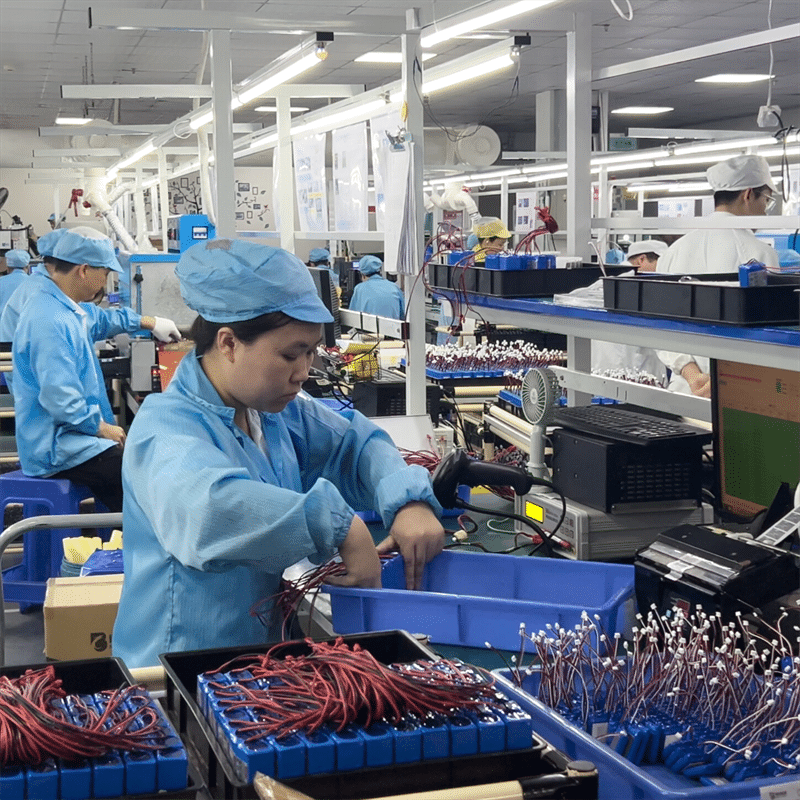

The concept of heated socks depends on small, battery-driven, rechargeable lithia battery, usually a lithium-ion cell, or a lithium-polymer cell, to provide constant warmth via integrated heating coils. Such low-voltage power systems (typically 3.7V to 7.4V) allow power operation several hours in cold environments, although the batteries can be overheated, run out of control, be short-circuited or may even ignite fire unless they are integrated properly. Electronic devices such as heated socks are worn over the body, and the combination of textiles and electronics results in special risk factors: moisture (sweat) and mechanical forces (movements) and close proximity to the human body enhance the possibility of electrical or thermal damages.
It is a common belief that tiny wearable batteries are automatically safe because of their size and low capacitance, however actual safety performance is completely reliant upon careful design, robust protection circuitry as well as intensive testing procedures. The safety of a heated sock product lies only in the safety of its battery handling system and protection circuitry and conformity test procedure.
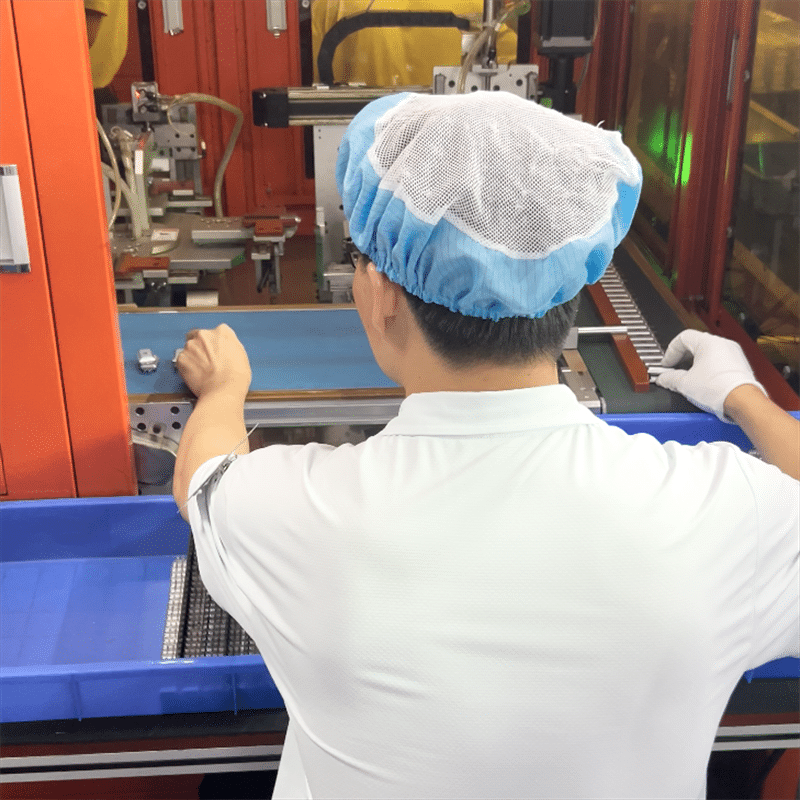
Why Lithium Battery Safety Is Critical in Heated Socks
The most crucial engineering consideration in the design and production of the heated socks is the Lithium battery safety.
Heated socks produce more sustained, regulated heat directly upon the foot, typically over a long duration in challenging conditions such as skiing, outdoor labor, or even cold warehousing. This is a continuous power drain of a lithium cell, and brings with it a number of inalienable dangers:
- Constant heat production causes stress to the battery and the surrounding components that increases the likelihood of local temperature surge.
- The wearable systems in low voltage are close to the body and even small failure may result in inconvenience or harm.
- Close body contact implies any overheating that is transferred to skin, and it puts one at risk of burns.
- The issues of thermal management include foot movement, pressure, moisture and insulation layers that may trap heat.
This situation leads to a high-stakes level of environment compared to the normal consumer electronics. The following table presents the most important risk areas and their possible outcomes:
| Risk Area | Potential Issue |
| Overheating | Skin discomfort or burns |
| Short Circuit | Battery damage or fire hazard |
| Overcharge | Swelling, instability, or venting |
| Moisture Exposure | Electrical failure or corrosion |
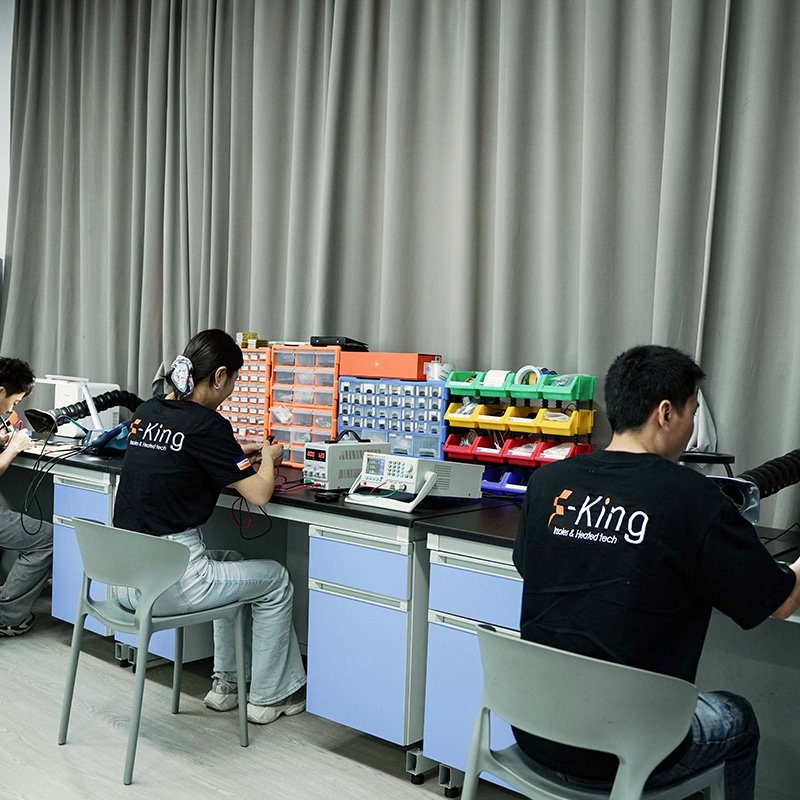
Risk mitigation should be performed in multiple layers: starting with the cell selection and circuit protection, through material insulation, up to the validation of the final product. Working with a battery-safe heated socks manufacturer who prioritizes these elements from the design stage helps prevent issues that could lead to recalls, liability claims, or user harm.
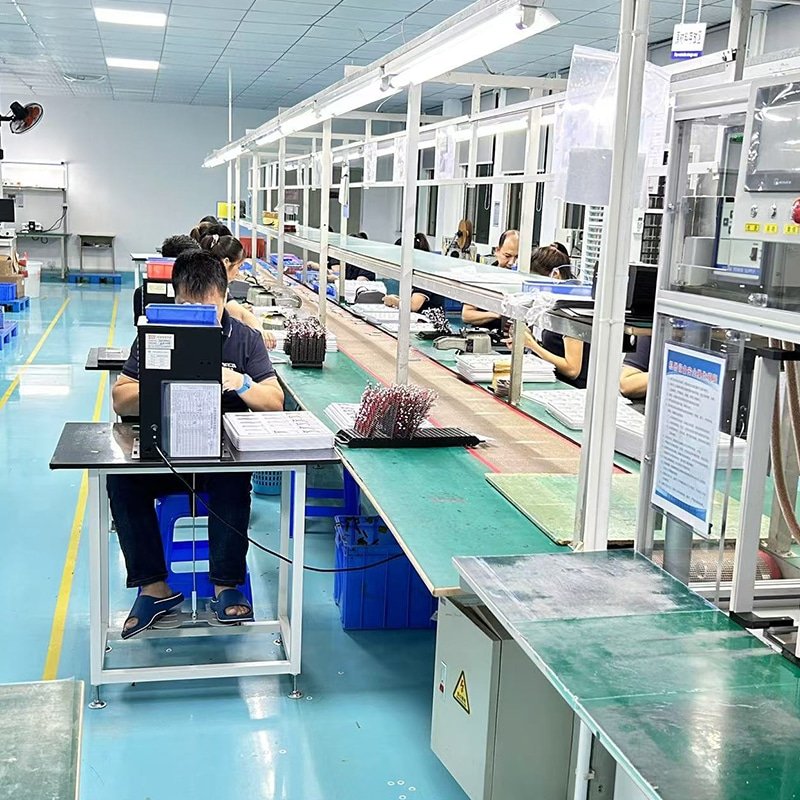
Key Battery Protection Systems (BMS) Explained
An appropriate Battery Management System (BMS) is the key point of defense against the lithium battery risks in heated socks.
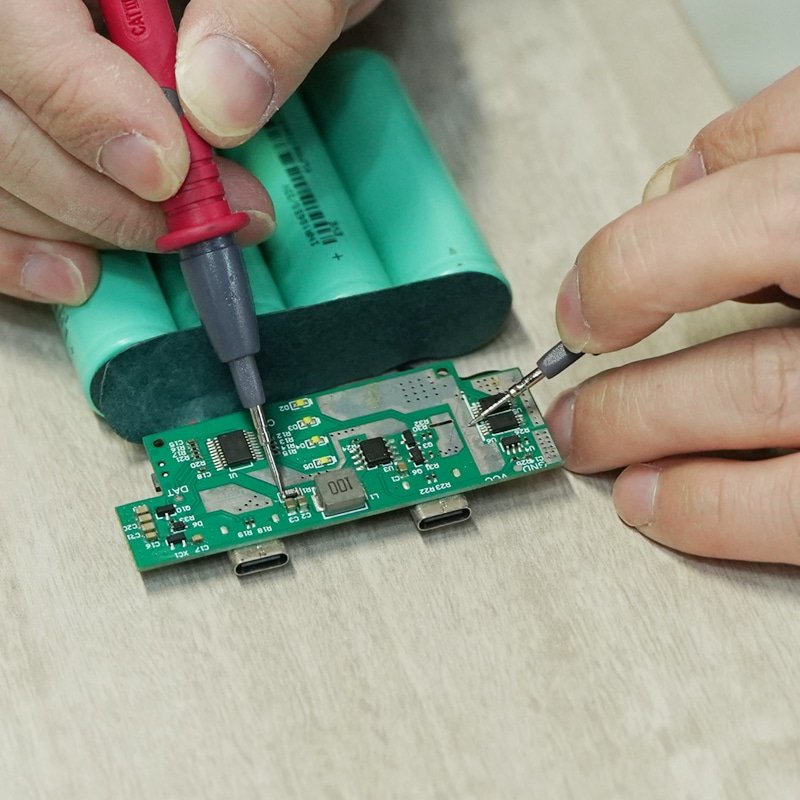
A BMS is an electronic circuit board that is part of the battery pack which monitors and regulates cell behavior. In its absence, even high quality cells are susceptible to the conditions of abuse typical of wearable applications. Necessary BMS operations are:
- Overcharge protection – discharges when the voltage is beyond safe limits.
- Over-discharge protection – removes deep discharge which destroys cell chemistry and lifespan.
- Overcurrent protection – interrupts current flow when there is a short or excessive load.
- Temperature sensors- monitor the cell and pack temperature, shutting down on high values.
These mechanisms combine to ensure that they remain stable in the real-life context such as charging very quickly, physical deformation, or exposure to the environment. The key features of protection and their functions are described in the table below:
| Protection Feature | Function |
| Overcharge Cutoff | Prevents voltage spike and thermal runaway |
| Over-discharge Cutoff | Protects battery lifespan and capacity |
| Thermal Sensor | Monitors temperature for safe operation |
| Short Circuit Protection | Prevents internal damage or fire |
The BMS has to react fast to the changing dynamic loads in hot socks, including foot pressure some of the contact points or the presence of sweat that changes conductivity, so that the system can stay stable over hundreds of use cycles.
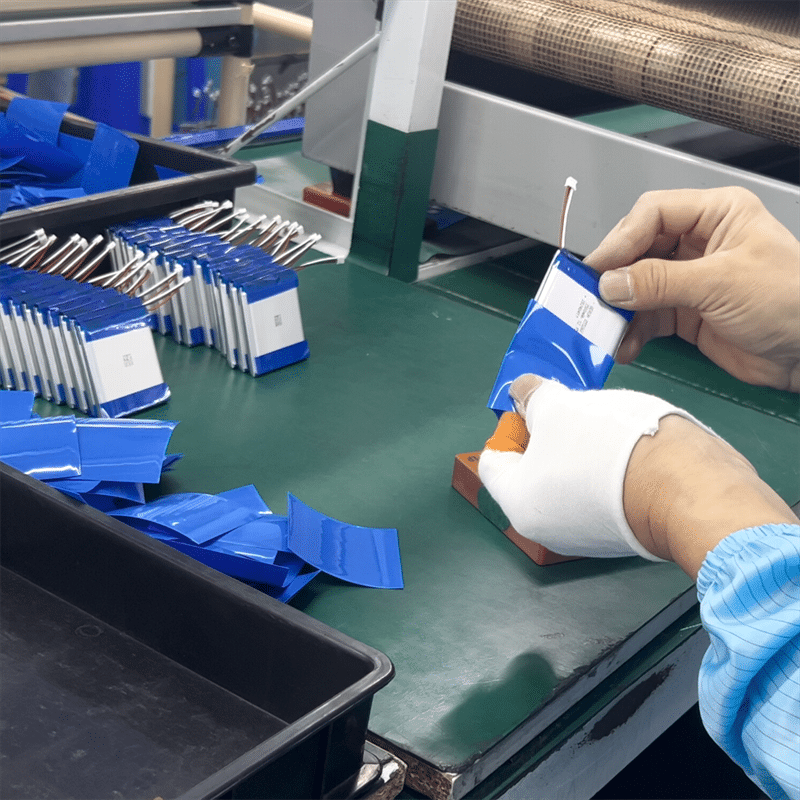
International Compliance Standards for Heated Socks Batteries
Lithium batteries in heated socks must adhere to the established global standards without compromise since it confirms safety in the design, and allows them to enter the market legally.
Key standards cover various factors of safety, including risks of hazardous material, and transport hazards:
- CE- obligatory to enter EU market, including electrical safety and EMC of the entire product.
- RoHS- limits harmful substances such as lead and cadmium in electronic parts.
- FCC — is applicable to models that have wireless controllers, which guarantees compliance with electromagnetic interference.
- UN38.3 – This is necessary due to the safety of transporting the lithium battery, to which air, sea, and ground shipments worldwide are required.
- SDS documentation – gives material safety data to use during handling, storage and in emergency.
The following table identifies the most important certifications and their applicability to the market:
| Certification | Market Relevance |
| CE | EU compliance (safety & EMC) |
| RoHS | Hazardous material control |
| FCC | Electronic transmission (wireless) |
| UN38.3 | Battery shipping safety |
These certifications should be checked before mass production takes place. Objective evidence of compliance by third-party test reports and certification marks on batteries and final assemblies helps to minimize the chances of customs detention, market prohibitions, or post-market enforcement efforts.
Thermal and Aging Testing Procedures
Stringent thermal and aging tests are used to ensure that battery and heating systems are safely used within the product intended lifecycle.
Simulated real-use conditions are used to test the functionality with weaknesses identified during testing:
- Continuous heating test- tests the sock under maximum settings over long periods to test heat accumulation.
- Maximum temperature test – compares surface and internal temperatures with safety limits (under 45 -50 C on skin contact surfaces).
- Flex and movement testings- cycles the socket through bending and force to be sure that there are no broken wiring or connection.
- Wash test durability test- subjects removable battery packs and heated to repeated laundering cycles.
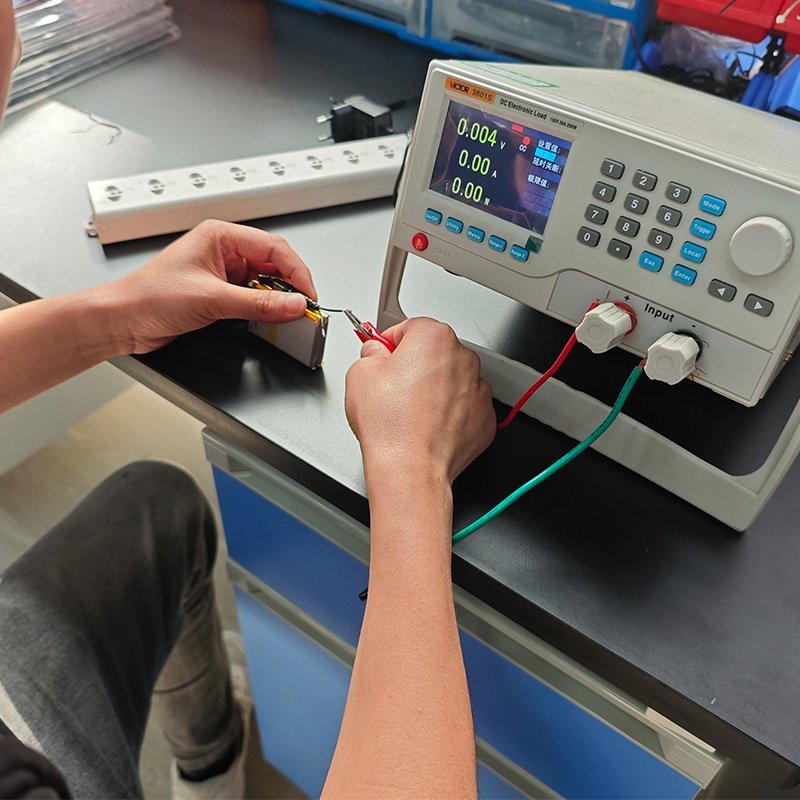
- Battery cycle testing – cycles the pack hundreds of times, monitoring the change in capacity and thermal characteristics.
There should be repeatability in different samples, one-isolated pass is not a guarantee to the consistency of production. To show the engineering diligence, manufacturers are to document the test data, such as the failure modes and the corrective actions.
Common Battery Safety Mistakes in Heated Socks Production
Harmful mistakes in the design and production stages often erode the safety of heated socks.
- Wearable heating loads are not custom BMS tuned using generic battery packs.
- Inability to BMS-integrate, only cell-level protection which might not provide system-level fault-handling.
- Leaving heating cables and battery contacts uninsulated and letting moisture penetrate.
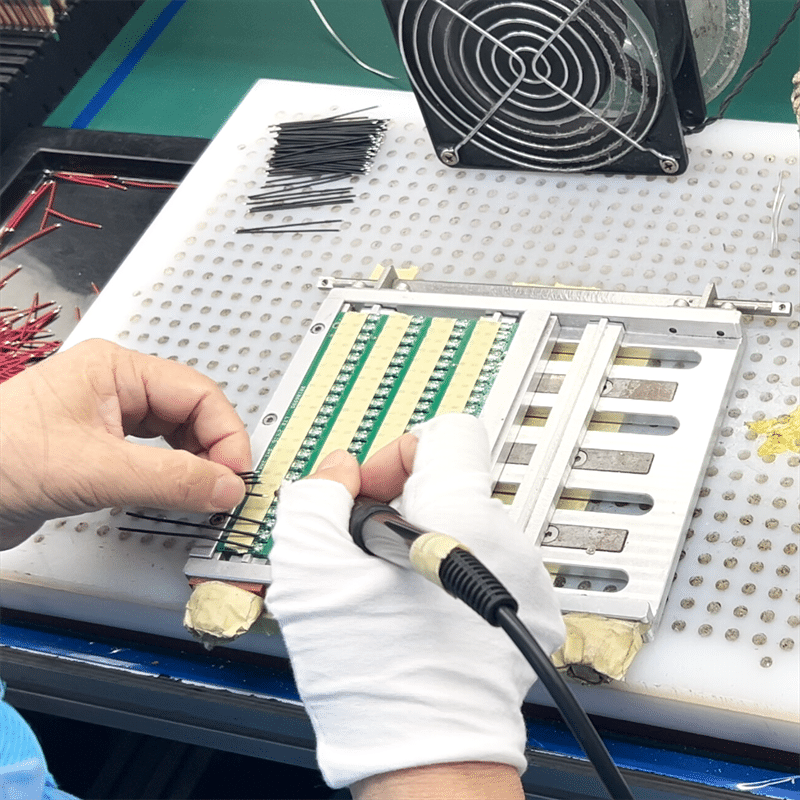
- Bad wiring soldering or strain relief where the contacts will not be contacted at all when stepped upon.
- Skipping aging tests, such that latent defects are not detected until after delivery by the user.
These omissions are usually caused by cost pressures or hasty prototyping, but in practice this may lead to catastrophes in the field, such as overheating accidents in other offerings of the same type.
How Brands Should Evaluate Battery Safety Before Ordering
Its brands and importers need to do due diligence on battery safety when selecting a supplier and when sampling.
In this order of evaluation:
- Ask about specifications of BMS such as protection levels and part datasheets.
- Check legitimate compliance certificates (CE, RoHS, UN38.3) with supporting test reports of approved laboratories.
- Request thermal test reports, which include surface temperature, cycle stability and failure analysis.
- Attest UN38.3 records and shipping codes on international logistics.
- Test the stability of battery suppliers, such as cell of origin and long term quality record.
Sample verification by an independent third party is an added protection with regard to the commitment to production.
Conclusion — Battery Engineering Determines Product Liability
The battery safety requirements in heated sockets are not regulatory requirements but engineering controls that ensure safety of their users, brands and the product image in the long term.
Safe performance is the result of the intentional collaboration of high-quality cells, advanced protection of BMS, extensive testing, and confirmation of compliance. Manufacturers that consider battery engineering as an essential part of their design and not an add-on reduce the chances of overheating, failure or even liability. In the case of brands creating heated socks, these aspects would be the most effective since the idea up to the manufacturing stage would ensure a reliable collection of market-ready products.