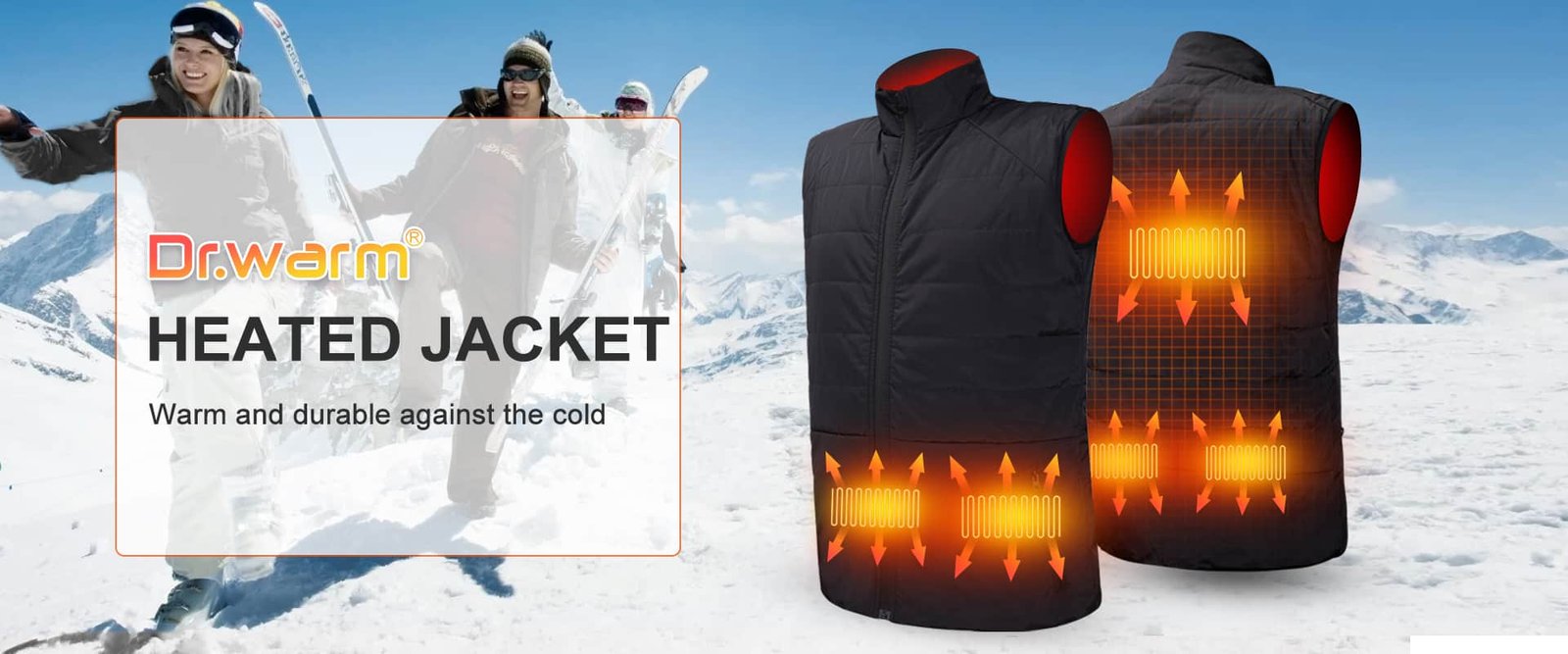

How Electric Heated Clothing Works
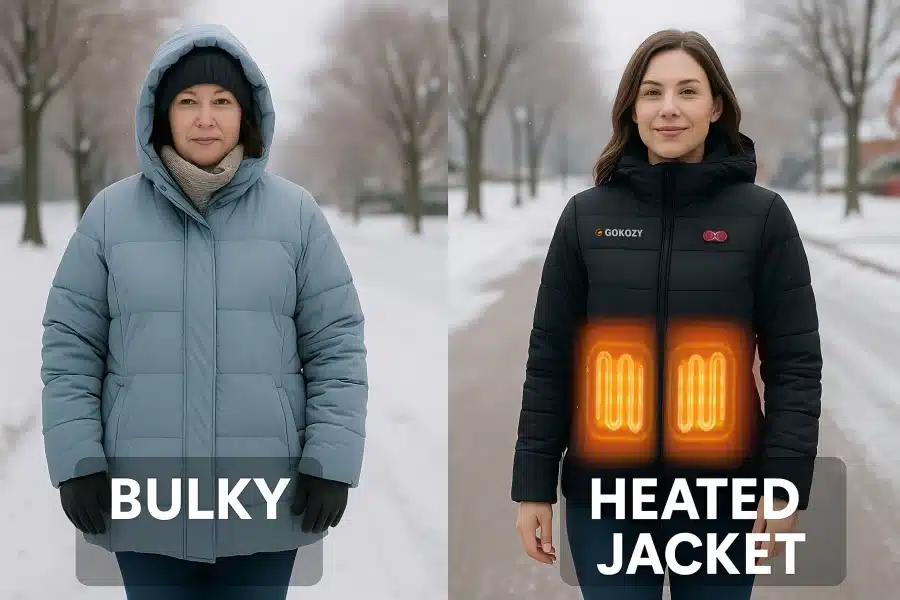
Electric heated garments work by passing low-voltage current through low-voltage heating coils, such as carbon fiber threads or films, which produce warmness through electrical resistance- imagine it as a wearable electric blanket on demand. The system runs on a rechargeable battery pack and has a control module to set the levels of heat between low (around 100degF) to mild chill and high (up to 140degF) to biting winds, and the safety features prevent overheating. Having designed such systems over the years, the secret is in the ability to balance the efficient distribution of heat and the battery life so that it holds up in real conditions such as a frosty ski lift or a long hunt.
The Core Components of a Heated Clothing System
To get into a discussion on the functionality of heated clothing, it is important to begin with the main components of the garment, which have been refined over numerous prototypes. These factors combine effectively to provide specific warmth in a non-bulky and non-hustly manner.
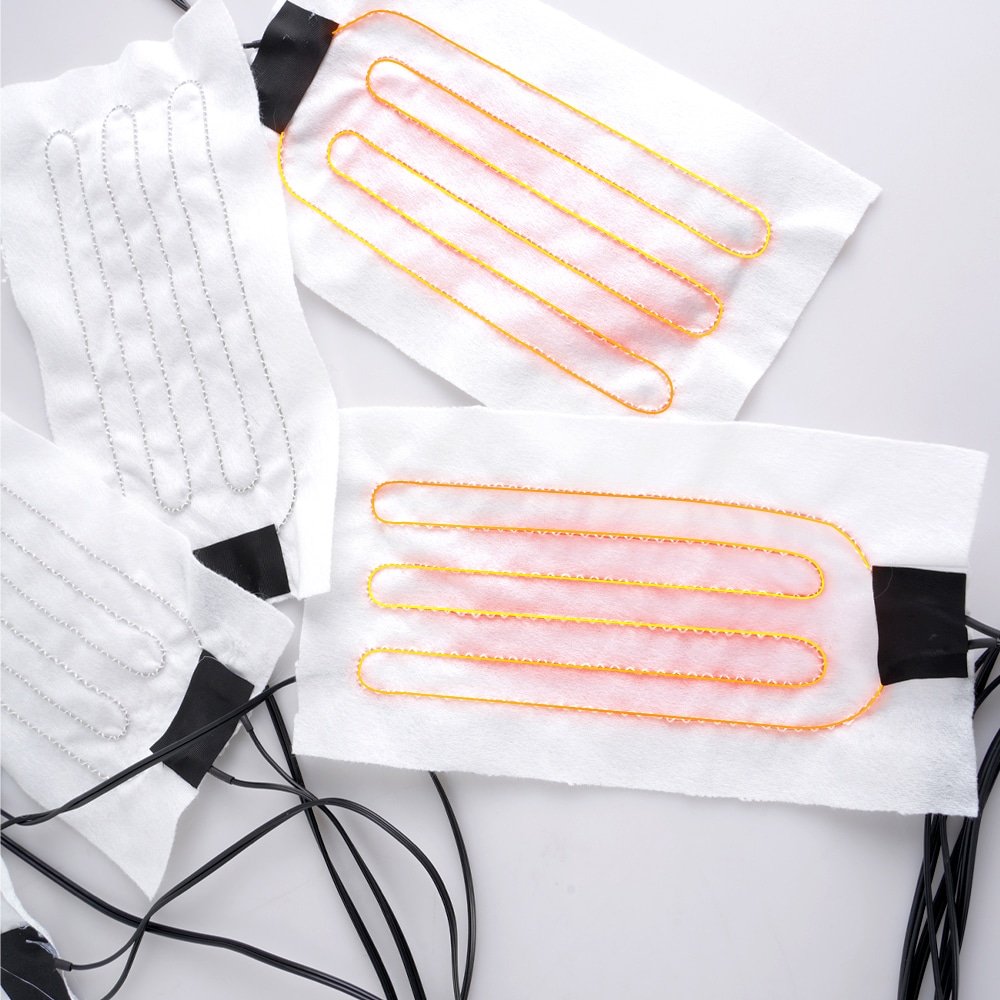
Heating Elements (The Heart of the System)
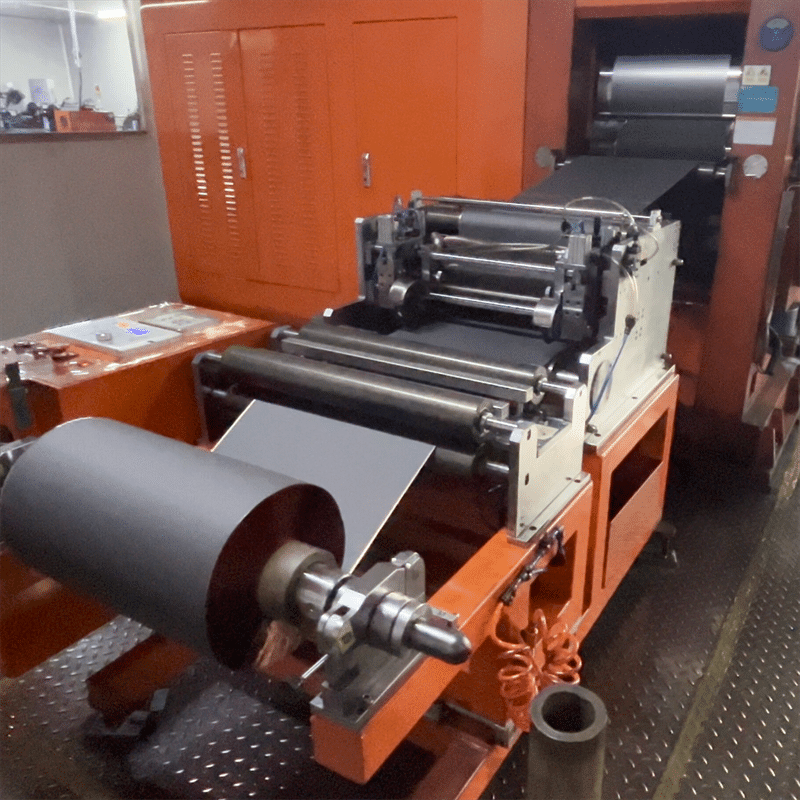
The heating elements are installed in the middle and they transform electricity to heat. Carbon fiber is the gold standard; thin threads woven into a cloth that can heat evenly, flex but not break, which is needed in dynamic motion. Graphene films stand out as the ultimate alternatives — they are ultra-efficient, super thin and have the ability to heat up fast, but the older metal wiring has a basic resistance and they may become stiff and create hotspots. Our expert heating element design ensures optimal performance across all these technologies.
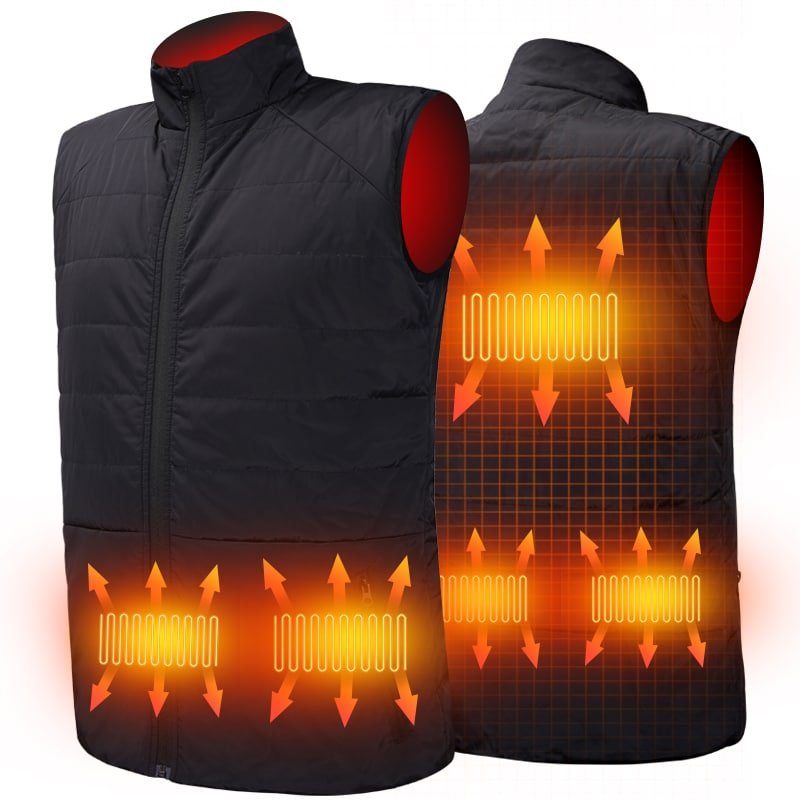
Heating areas are traditionally located: in jackets, it is the chest and the back of the body that is warmed up; in gloves, it is the palms and fingers. This distribution guarantees equal distribution of heat since field tests show that an uneven distribution of heat creates cold spots during motorcycle riding. All the differences in the consistent performance are quality elements that are RoHS compliant regarding the safety of the materials.
Battery Pack & Power Supply
The driving force is the battery, which is usually lithium-ion due to energy density. Entry-level 5V USB systems are smaller and only will work with a smaller range of moderate temperatures, which is suitable when commutating. In most apparel, step up 7.4V delivers 4-6 hours of operation on a medium load, which is the usual choice in most heated glove designs. Greater 12V installations have greater punch in extreme cold, but use more power.
Runtime is determined by capacity in mAh or Wh: A 2000mAh can run socks 3 hours and 5000mAh can run jackets 8 hours. Experience from developing the concept of heating clothes shows that when an engineering product goes on the market, UN38.3 certification must make sure that the pack is safe to transport and use without problems. Our custom battery solutions are engineered with these exact considerations in mind.
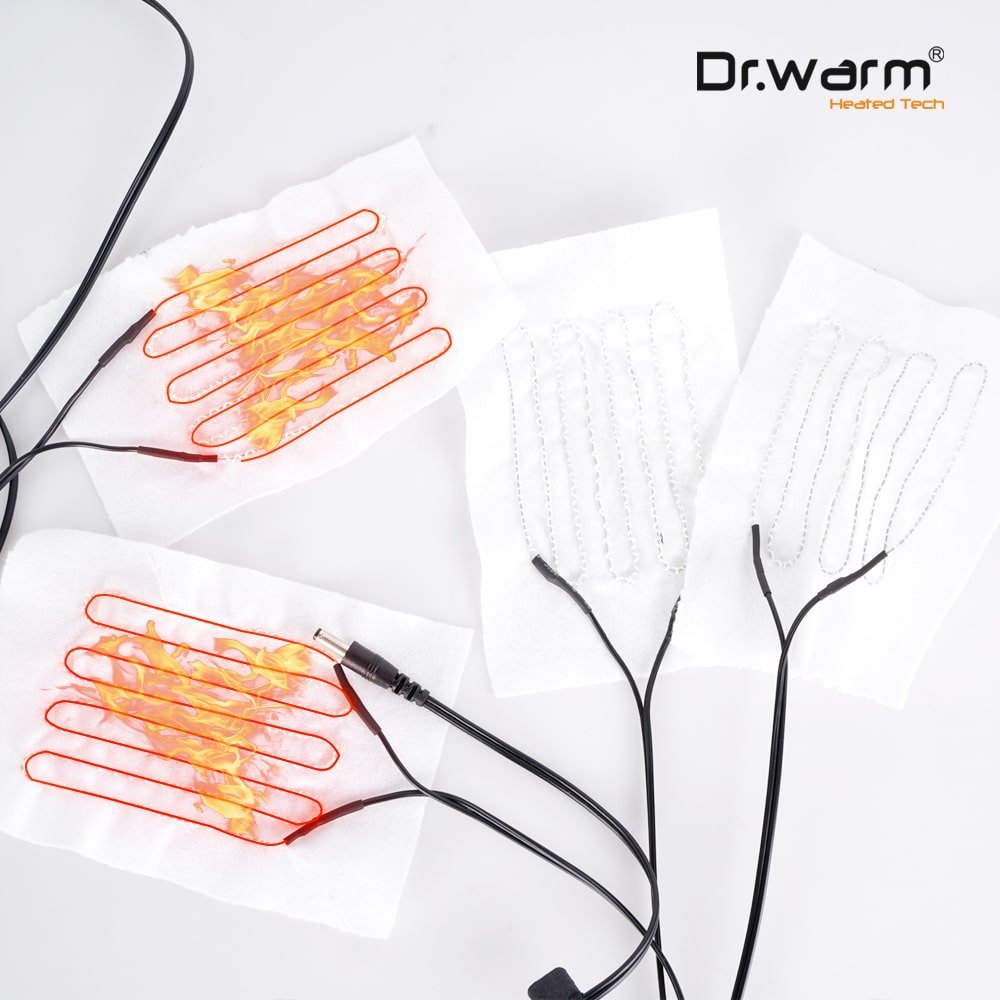
Temperature Control Module
It is the brain, a PCB microchip that controls power flow to maintain stable temperatures. It incorporates logic to cycle current, provides multi-level settings through buttons or apps, and provides safety cutoffs in case things get too hot.
Practically, these modules are used to prevent burns in the work shift during outdoor work by automatically deactivating at temperatures reaching 150degF. FCC compliance ensures that there is no interference and the precision of the chip is achieved through thermistor feedback so that your electric heated jacket system does not overpower the battery.
How Heating Elements Convert Electricity Into Heat
It is reduced to resistance: Current is conducted through conductive substances, and opposition to it creates thermal energy. It is time saving and quiet as compared to chemical warmers.
Conductive Heating
In carbon fiber heating, the electrons are charged as they travel through the fibres and collide creating heat as a by-product. Metal wires do similar with more variability of resistance that may resulting in unevenness. Graphene films are more successful in this area, being more conductive to respond fast- to such a point that experiments have recorded graphene films getting hot within minutes.
This inductive technique of lithium battery heating clothes is low power, to the extent that it pulls enough power to be comfortable but not so much that it heats up quickly.
Radiant & Even Heat Distribution
Films and carbon fibers release heat to the outside of the pack simulating the natural sense of body warmth unlike wires that concentrate it. This uniform distribution diminishes hotspots that are vital in the heating components within heated gloves that require even cover of the fingers.
Since the design is based on hunting gear, radiant distribution will not consume energy as waste, which will increase the battery life of still and cold blinds in cold waters.
Heating System Variations Across Different Apparel Types
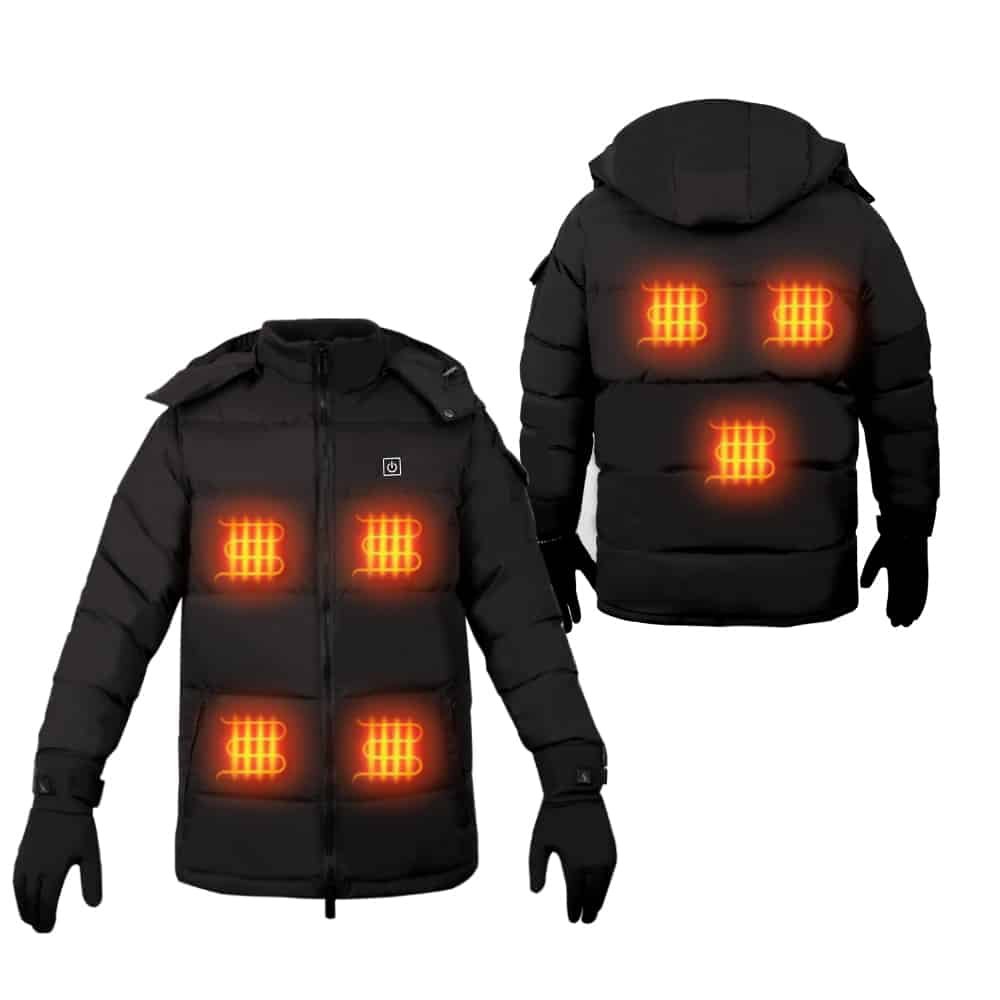
The type of apparel also has an impact on design–gloves must be stretchy, jackets adjustment of how the heated apparel technology evolves.
Heated Jackets & Vests
These are having wide areas on the torso and elements are stitched into linings to provide 360 deg warmth. Placement does not make seams to be durable and insulation enhances the effect.
In skiing, vest systems that warm the core first stabilize body temperature on the downhill parts, which is effective with intermittent effort. See how we implement this in our custom heated jackets and vests for optimal core warmth.
Heated Gloves
The mobility is essential and thus, the elements wrap the fingers without locking down grip. Wires are insulated with waterproof coatings that protect the wires against sweat or snow and the hitting of fingertips will fight numbness.
Balancing heat with breathability is the problem when riding a bike in rainy weather — the challenge is over-covering, and hands go clammy, hence some designs incorporate vented membranes to do this. Our custom heated gloves are designed with these real-world mobility and weather challenges in mind.
Heated Socks
Toe-based details give importance to the extremities, embedded in soles to make them warm when on the ground. Battery cuffs maintain low weight that does not bulk up boots.
This arrangement is used on outdoor jobs in warehouses to avoid frostnip on the concrete floors — a simple but successful solution in practice. Explore our custom heated socks for similar reliable performance in extreme conditions.
Heated Insoles
Direct contact heat of high-temp elements under toes and forefoot driven by skinny batteries to secure a good fit to the shoe.
During long waits in hunting boots, 130degF is quickly cooled, whereas the control of temperature stops sweating– a fine point in manufacture.
Safety Mechanisms Built Inside Heated Clothing
There is no such thing as safety as an afterthought: the devices are designed to keep users and equipment safe. Overheating protection through sensors interrupts power at levels and short circuiting wiring ensures sparks.
The battery management system (BMS) is a voltage and temp monitor with compliance to UL on fire prevention. Elements may have waterproof insulation on them, and additional certification such as CE can guarantee overall compliance. During lab stress tests, they avoid failures in wet environments, and thus the heated clothing can be used in remote conditions.
Factors That Affect Real-World Heating Performance
Field-to-lab temperature variations Laboratory temperature variations vary depending on several factors and how hot jackets are to become.
Outdoor Temperature & Wind Chill
When there is extreme cold, the higher draw is experienced more, since cold is lost quickly; wind chill can reduce 120degF to seem warm. Systems used in -20degF hunts are harder working and reduce the duration of operation.
Battery Age & Efficiency
Capacity declines 20 percent after 300 used cycles – older batteries slow heating. Performance is maintained through regular checks as stipulated in UN38.3.
Fabric Insulation & Layering
Sophocles wicks, but loses warmth; puffer cages it to intensified sensation. Sock linings are also made out of fleece, which can help keep them warmer in winter–adding some base gear will increase efficiency, which is the approach used in workwear.
How Modern Innovations Are Improving Heated Clothing (2026 Outlook)
In 2026, films made using graphene will prevail as faster, lighter and thinner than paper and yet durable. The smart sensors self-regulate to match the skin temperature and are combined with apps to be accurate.
Auto-thermostats are anticipated to anticipate the needs basing on the weather information whereas higher waterproof enclosures (IPX7) enclose the batteries more closely. The better thermal mapping includes AI-powered patterns to ensure a uniform cover, eliminating wastage- good evolutions in R&D work.
Final Expert Takeaway
The mechanism of the operation of heated clothing makes it clear that it is a symphony of components, batteries, and controls that provide specific amounts of warmth without any harm. Look after even heat, 7.4V batteries and certified safety when purchasing — especially carbon fiber. To get a good piece of heated clothing, you need to be discerning about the design, as it has to be specific to your activity. Our OEM/ODM heated apparel solutions deliver exactly this level of tailored performance for brands.
Frequently Asked Questions
Does the heat come from the wire or from the fabric?
From the element only. The fabric does not generate anything; it decides how much of that heat reaches you and how much leaves through the shell. That is why a strong element under thick insulation can feel weaker than a modest element in a well-fitted garment, and why “heated fabric” as a phrase means nothing on its own.
Why is the back warm while the arms stay cold?
Because zones are a choice, not a limitation of the technology. Most jackets heat the chest and upper back because those cover the core and use one panel with one connector. Sleeves need separate runs, extra connectors and more testing, so they are often left out to hit a price. If cold arms matter to your use case, ask for the zone map before ordering.
What happens as the battery runs down?
On a regulated controller the setpoint holds and then the protection cuts out. On a simple direct-drive circuit the element sees falling pack voltage, so output tapers gradually and the wearer experiences it as “the low setting stopped working”. Neither is a fault; they are different design choices, and the second one is what makes two similar garments feel unequal.
Can I feel the heating through a base layer?
Yes, and a thin base layer usually makes it feel better: it spreads the heat and keeps the element off bare skin. Too many layers above the element is the opposite problem — the warmth is trapped next to the panel instead of reaching the body. One thin layer under, insulation over, shell outside is the arrangement that works.