
Quick Answer — What Temperature Should Heated Clothing Reach?
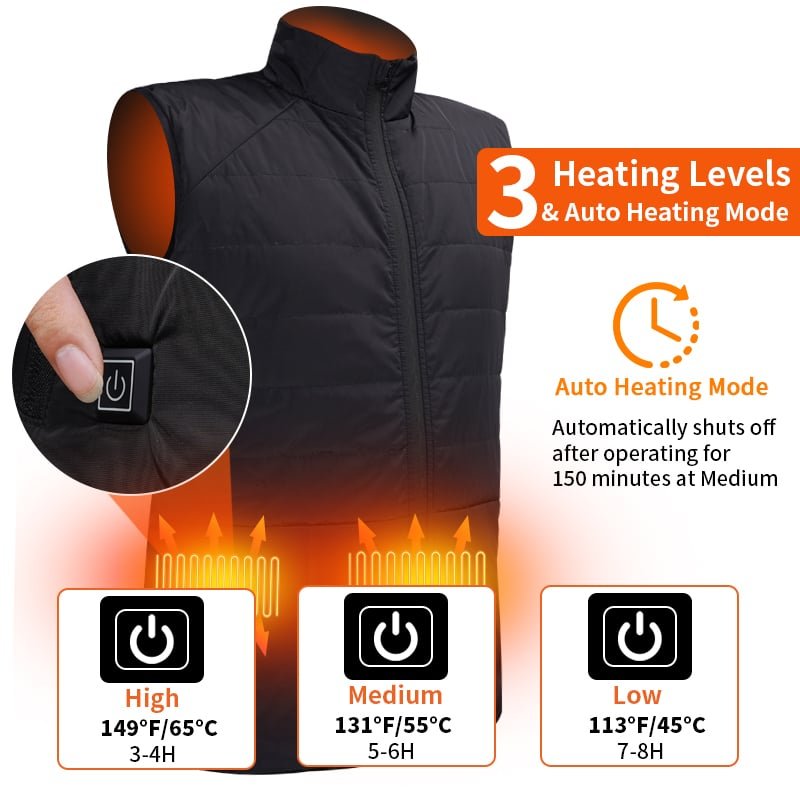
For heated clothing, the optimal temperature sits between 38–65°C (100–149°F) and depends on product and environment — cold-low (around 40°C/104°F), cold-medium (45–55°C/113–131°F), and cold-bite (up to 65°C/149°F). Intensive core zones are common in heated jackets and vests; heated gloves extend to 45–65°C to fight numb fingers, heated socks hold 38–55°C with toe focus, insoles run 45–60°C underfoot, and pants or base layers sit at 40–50°C to keep legs warm. Safety is the priority: CE, RoHS, FCC, UL, and UN38.3 certification with internal overheat protection keep you comfortable and out of danger — start low and adjust for layering and wind speed. To see how these ranges are controlled, see our temperature control systems.
Understanding How Heated Clothing Generates Heat
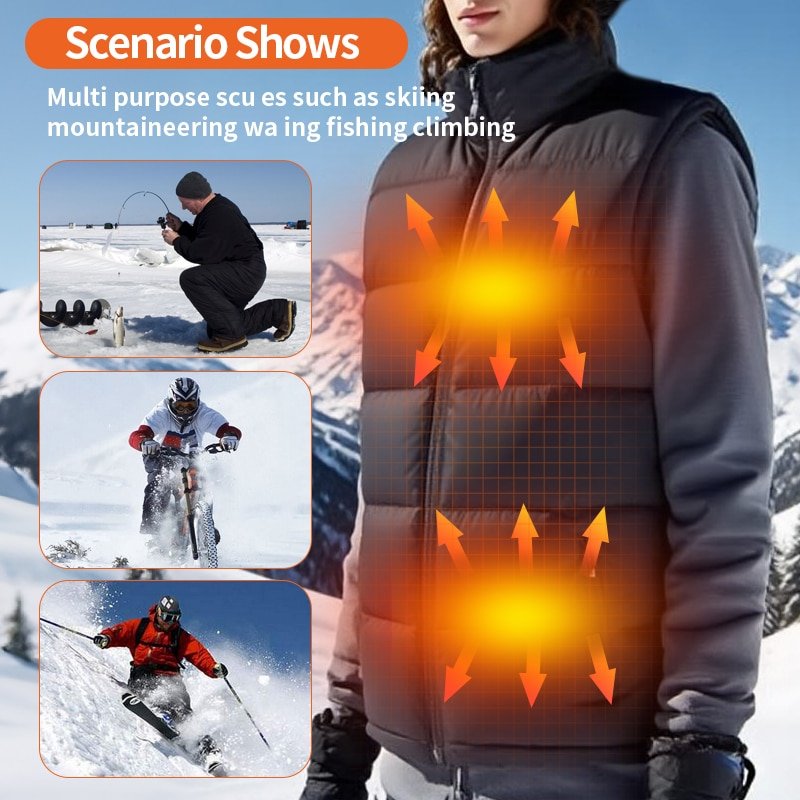
The concept behind the use of heated clothes is to transfer electrical power into heat using small devices hidden within the garment by using low-voltage batteries, giving the warmth in specific areas without any flames. The preferred choice, even in terms of evenness, is carbon fiber elements, which are flexible, wearable, and warm to closer temperatures within minutes through resistance. Graphene films can be used with ultra-thin efficiency in shoes of slim profiles, such as socks or insoles, whereas with older designs, the massier traditional heating wire is used, artificially concentrating hotspots. For a deeper explanation, read how heated clothes is to transfer electrical power into heat.
Batteries are frequently operated with 5 V (USB-powered when used sparingly), 7.4 V (balanced when used in most apparel), or 12 V (high output when used in extreme ambient conditions) which affect the top temperature, with greater voltage allowing operation at higher temperatures but slightly reducing the run time. In the designs prototyped so far, controllers using thermistors to monitor and adjust the output avoided spikes. This technology guarantees safe temperature in wearable items, which was tested by UL in terms of electricity integrity.
Typical Temperature Ranges for Different Heated Apparel Types
The various articles put the heat where you need it the most, depending on areas of body, and application, as field experimentation and lab measurements show.
Heated Jackets & Vests
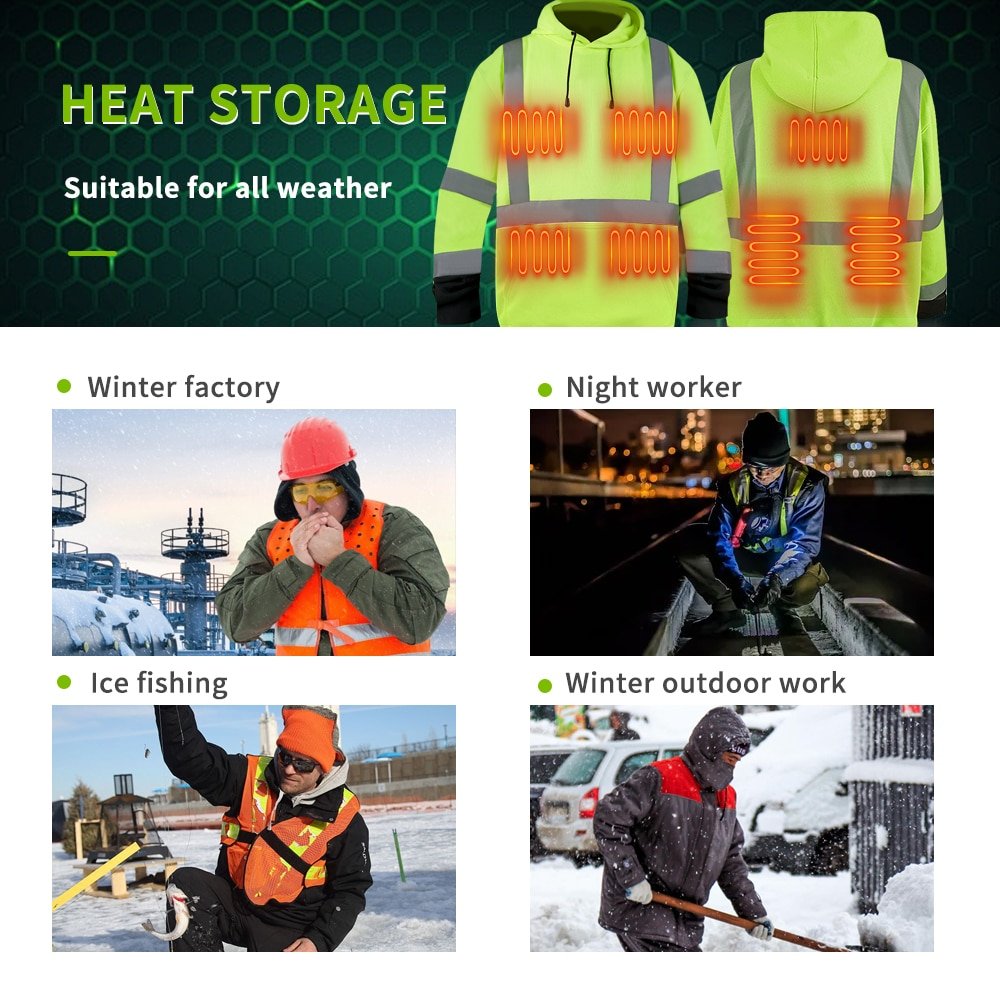
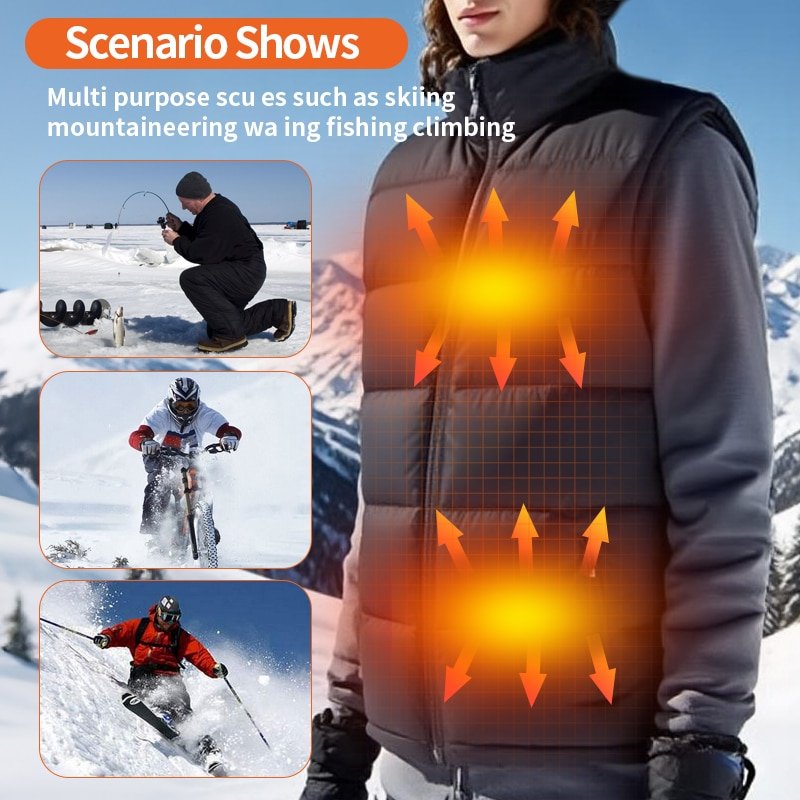
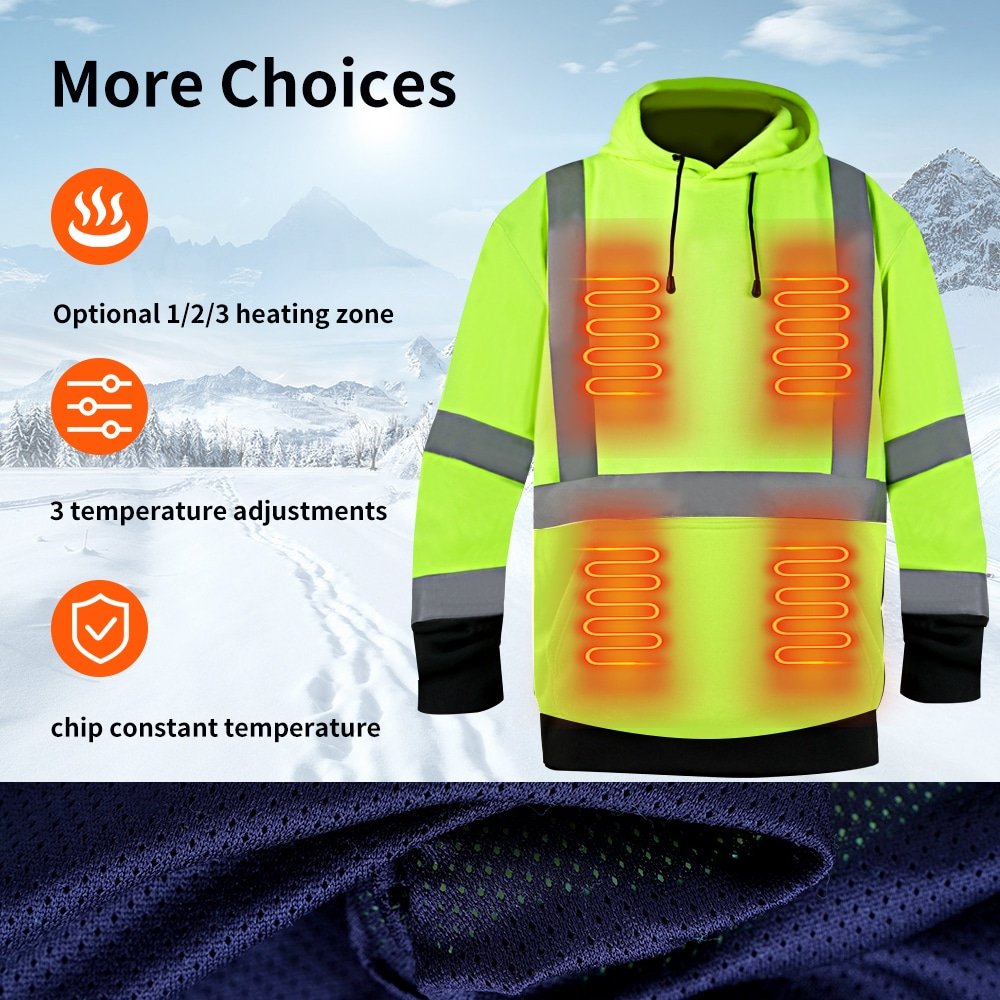
These central warmers tend to be 40-55degC (104-131degF), and heat areas located in the chest, back and occasionally on the sleeves to cover all areas evenly. In layered constructions, insulation such as Thinsulate captures this warmth and therefore the felt temperature is higher. The other way is vests in prototypes of outdoor work are tuned lower to prevent sweat when moving, jackets of cold that is still in one position are warmed up more.
Field use in the Alps shows that even at –10°C, with no bulk, a medium setting around 50°C stays comfortable.
Heated Gloves
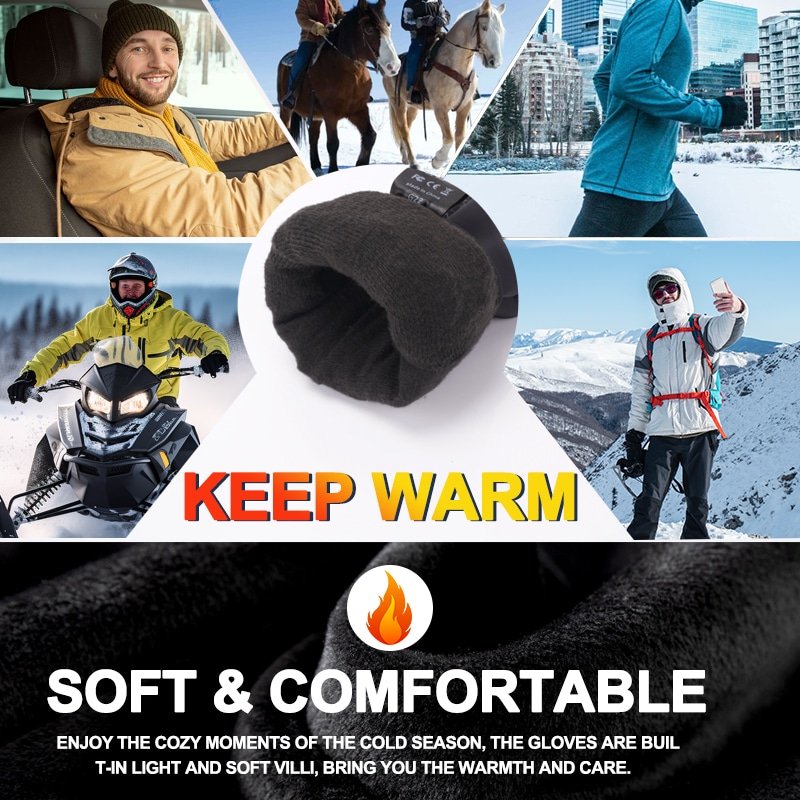
Hot gloves typically reached temperatures to 45-65degC (113-149degF), where the blood goes dead in palms and fingers, initially. Back-of-hand heating is not intense to avoid overheating and has levels of degrees of dexterity.
Worn on a motorcycle in pouring rain and -60degC, hands numb rather fast; however, medium is good enough in most cases. According to the FCC electronic standards, safety caps are used to prevent burns.
Heated Socks
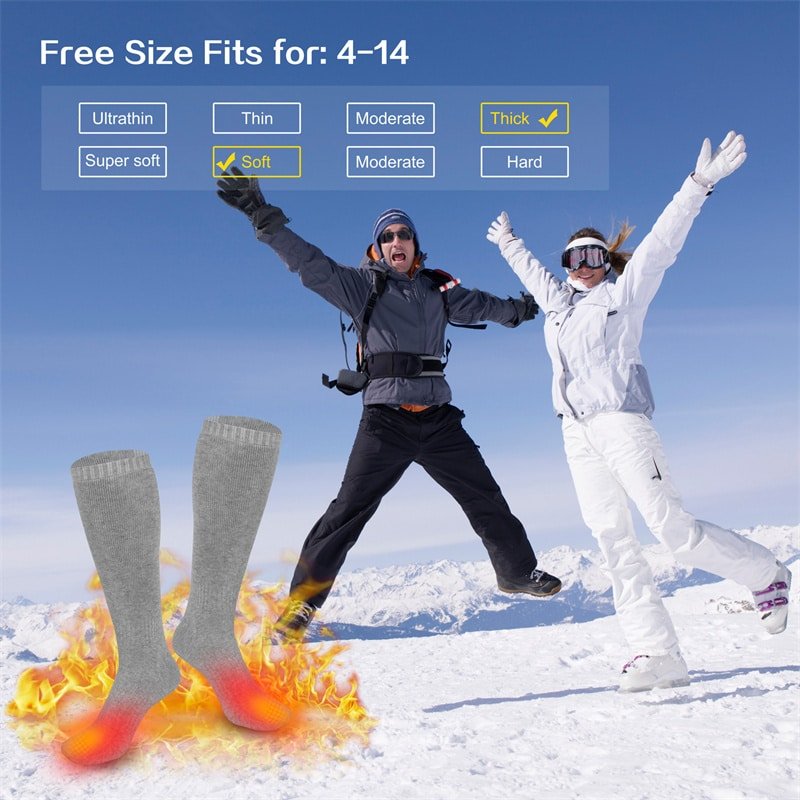
In the case of feet, the heat produced by heating socks should be between 38-55degC (100-131degF) and should be concentrated on toes and soles to help keep the feet warm in response to ground chill without causing the boots to sweat. Quick relief Toe heating technology involves concentrated elements.
Hunting in frozen blinds, 45degC being necessary in all-day comfort–deeper ranges are to the purpose since boots keep the feet warm.
Heated Insoles
These underfoot warmers reach temperatures between 45-60 deg C (113-140 deg F) and there are spread throughout the forefoot and toes to offer uniform sensation in footwear. Adjusting is possible with remote controls.
On the building rotation, 50degC made people workable in the icy warehouses–there are no cold spots in the winter outfit that are covered so that they do not spoil the heat range of the winter attire.
Heated Pants / Base Layers
The leg apparel remains less sweaty at 40-50 deg C (104-122 deg F) since the thighs can produce more body heat. Base layers make use of extensive films as under clothing warmth.
In cycling where there was wind the 45degC bulk-free cycling did not incite cramps-because the heat is not suffused by the active muscles.
What Affects the Actual Temperature You Feel?
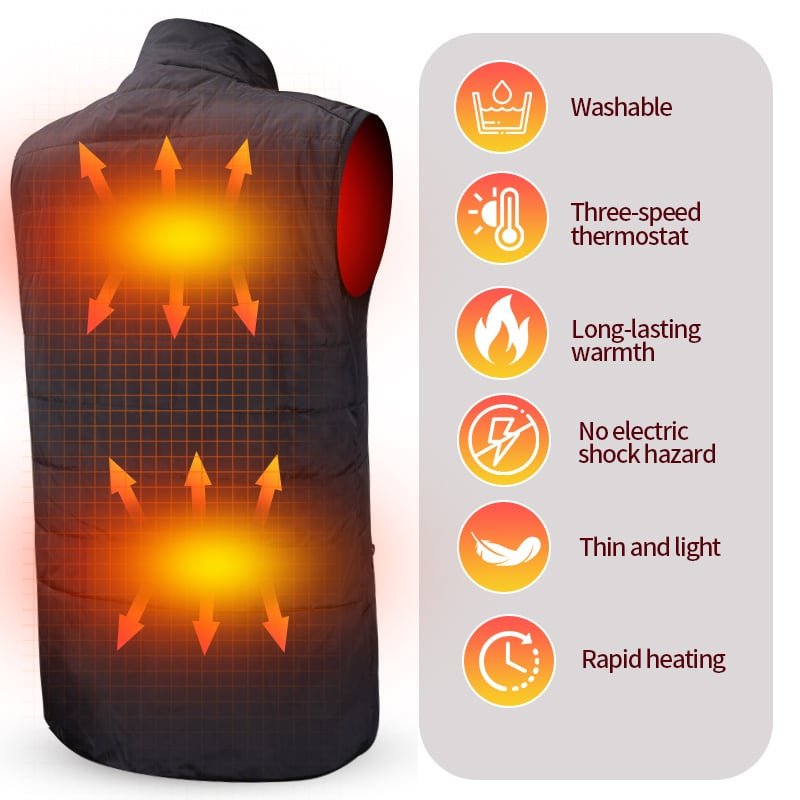
The thermometer scale is not the end of the story, actual felt warmth in the temperature of the heated clothes, changes with circumstances and construction.
Outdoor Temperature & Wind Chill
At 0degC serene, a jacket of 50degC would feel warm, whereas -20degC wind chill would require higher settings than this temperature would allow it to handle. Wind removes the microclimate existing over cloth and effective temp reduces by 10-20degC.
On backcountry hunts gloves run all the way up in a wind–battery heated clothes perform better backcountry, but calculate less service, which you expect.
Insulation & Layering
Warm clothes such as a fleece or a down substitute do increase heat – a properly insulated vest at 45degC is warmer than a slim one at 55degC. Overlaying means air trapping, increasing efficiency.
Various base layers under heat jackets are used in skiing to generate heat; low insulation wastes battery, according to energy tests.
Battery Voltage & Capacity
Light 5V systems will reach 45degC, balanced at 7.4V which is 55degC and extreme at 12V which is 65degC but the higher drains more rapidly. Capacity (mAh) maintains levels; subjected batteries cool down. To match heat output and runtime, review battery capacity.
Workwear Prototyping, 7.4V was very adaptable, as the authority supplied by UN38.3 guarantees constant performance.
Heating Element Quality & Coverage
Consistent feel can be covered by the quality carbon or graphene; hotspots are formed by spotty elements of wire. Bigger areas on jackets are enough to be satisfied with even 40degC.
In-field test indicates that graphene in socks keeps socks at a constant temperature of heat as opposed to patchy wires.
Fit & Compression
Snug fits press are tightened to the skin and make the experience warmer–loose garments allow the heat out. When base layers are compressed, it increases the perception.
Fitted heated clothing that is 45degC Hotter than baggy, when working outside Fitted heated pants will be hotter than baggy, and the heating levels of heated clothing are optimized when fitted.
What Temperature Is Considered Safe?
Heated clothes should not exceed temperatures of 60-65degC to prevent low temperatures burns (skin can withstand 44degC long periods, however, greater temperatures increase chances of redness). Overheat protection is required by regulators such as CE and RoHS, i.e. sensors turned off when excessive heat occurs. For more on safety, see how heated garments are evaluated for burn risk and protection.
Wiring has short-circuit protection against spikes, and battery pack testing is done to guarantee that there is no leakage or fire. Based on engineering safety guidelines, most of them should have max of 55degC- most reliable designs have automatic off-switch after 2 hours. Realistic: No problems provided certified, begin low on sensitive skin. The right overheat protection helps keep temperatures within a safer range.
Best Temperature Ranges for Different Activities
Exposure ranges are dictated by activity, as is movement.
Skiing & Snowboarding
Look at 50-60degC in gloves and jackets -lifts chill quickly, and must have swift heat. Medium sustains, high powder days. Read more about Skiing & Snowboarding to see which settings fit mountain conditions.
55degC is the call on grades; it defies wind dry.
Hunting
Long sit temperature 40-50 deg C steady-low does not warn game or cause noise.
At 45degC a lazier jacket did not induce drowsiness.
Motorcycle Riding / Cycling
55-65degC fights wind; Here hands high, jackets medium.
Rainy rides had safeguarded thawed fingers at 60degC.
Construction / Outdoor Work
100 65degC average during work-effective systems do not overheat during work. For more context, see our Construction / Outdoor Work use case.
Changes in cold storage were in favor of 50degC to maintain focus.
Everyday Winter Use
38-45degC low key on commute–it keeps off clammyness in cool moderation.
Walking at 40degC every day was normal and battery life increased.
Common Mistakes People Make About Heated Clothing Temperatures
But most people believe hot is always better, when in fact 65deg C can cause sweat or burn in clothing- medium is often good enough. Disregard of insulation results in high cranking, and wearing batteries out.
The adoption of USB 5v in extreme cold fails miserably in heat; 8-hour high goes against physics. Max output is not always enough to determine how hot the jackets will be.
How to Choose the Right Temperature Level (Expert Tips)
Examine your cold exposure – sub-zero? Go high-capacity 12V. Test environment stratified; commence with low radiance to prevent overheat.
As far as gloves are concerned, cover fingers; in case of socks, cover toes. Check certs on safe limits; variable controllers are the usual suggestion because they are accurate in changing weather.
Final Recommendation
Target 40-55C on most of the heated clothes to achieve balanced comfort, and up to 55-65C on extremes such as wind gloves. Select according to activity: Greater in the case of stationary cold as in hunting, intermediate in the case of active skiing. Install certified systems with overheat protection- safety and fit is assurance with the correct range of heat in winter gear.
Frequently Asked Questions
Is there one temperature every heated jacket should hit?
No. The figure depends on the product, where the element sits, how much insulation covers it and what the wearer is doing, so it is set per model against a measured spec rather than a category rule. Ask a supplier for the measured values on the actual product, at each setting, and treat any single headline number with suspicion.
Why does the same jacket feel weaker at minus 20 than at minus 5?
Heat loss scales with the difference between skin and air, so a garment has to produce far more to hold the same surface temperature in deeper cold — and wind chill multiplies it again. Nothing has changed inside the jacket; the environment is simply taking more away. That is why the low setting that felt right in autumn does nothing in January.
What is a safe temperature for skin contact?
It depends on duration as much as on temperature: brief contact tolerates more than an hour of pressure against the same patch of skin. Practical rules rather than numbers — wear a thin base layer, start low, move the pack off bare skin, and never sleep in a garment on a high setting. Reduced sensation makes all of this more important, not less.
Should I buy the hottest model available?
No. A higher peak shortens runtime, narrows the comfortable range and often signals an element layout that concentrates heat in one place. What wears well is a stable middle setting, heat that reaches the extremities, and a pack that lasts the length of the activity. Peak temperature is the easiest specification to advertise and the least useful one to own.