
Introduction — Why Heating System Type Matters
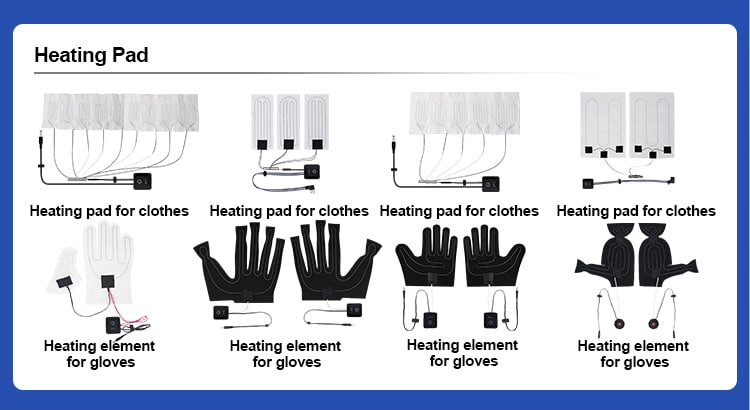
The difference between an enjoyable cold experience and a miserable one is the heating system in the heated clothes. Carbon fiber, heating is good in the uniform warmth and flexibility, thus it is suitable in dynamic activities that involve movements. The heating film technology introduces lightweight performance, which is ideal in slender designs in apparel. Although simple, traditional heating wire provides simple heat at the sacrifice of size.
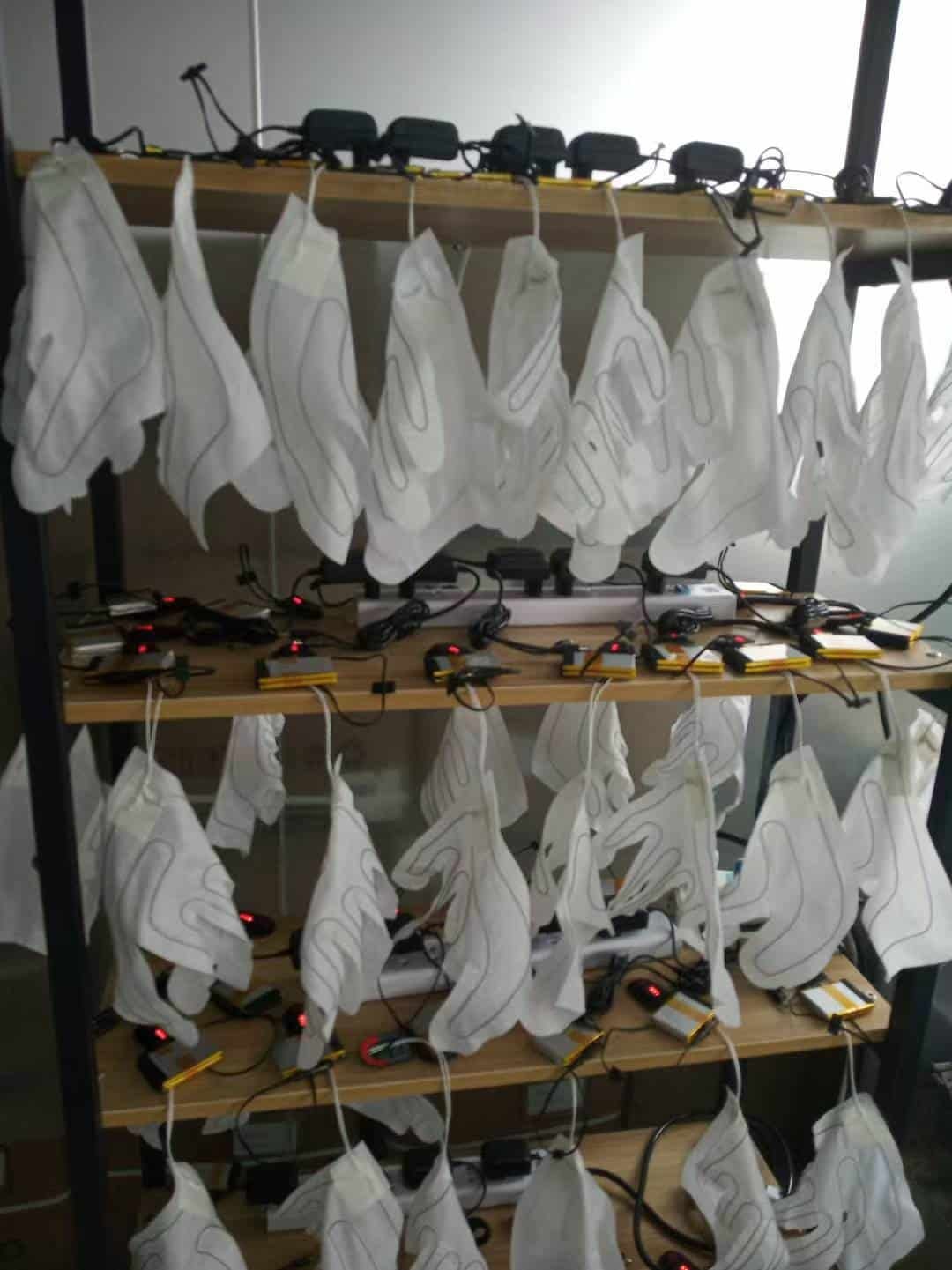
Regarding product design, these systems affect all the things: Just the degree of Warmth consistency ensures that you will be kept cozy during extended exposures, such safety measures as overheat protection will make sure you stay out of trouble, and reliability will allow using it throughout seasons without being forced to repair. Drainage is directly affected by battery performance, and the worse systems waste energy, and within minutes, you are cold in the middle of the exercise. The ease of bending with cloth gives one the feeling of comfort, without the presence of hard areas in gloves or socks. Price is also different, and more refined models, such as carbon fiber, require premiums but reward in performance.
Prototypes for winter sports companies show the pattern: the incorrect system results in hotspots or breakages. Compliance, material, electronic, safety, and battery certifications (CE, RoHS, FCC, UL, and UN38.3, respectively) indicate reliable designs. Finally, choosing the most suitable one will suit your intentions, be it in fighting the snows or simply getting to work, and avoiding any doubts about having trusty and safe heating.
Overview of the Three Major Heating Systems
Knowing the fundamentals of every system eases the mystery of why one system may perform better than the other in your hot outfit. Our expertise in heating element design allows us to optimize each technology for real-world performance in heated apparel.
Carbon Fiber Heating Elements
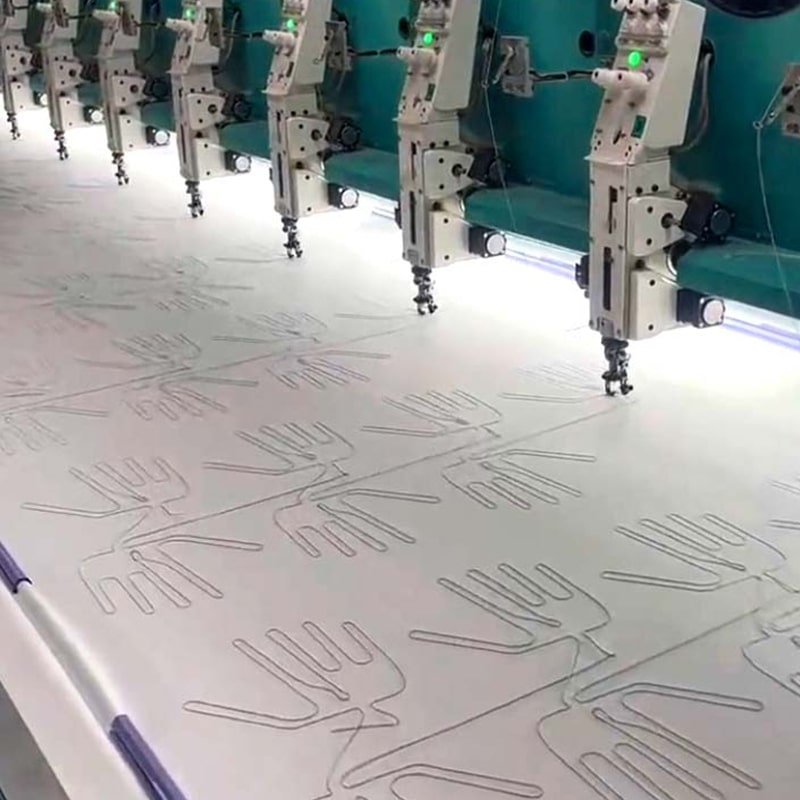
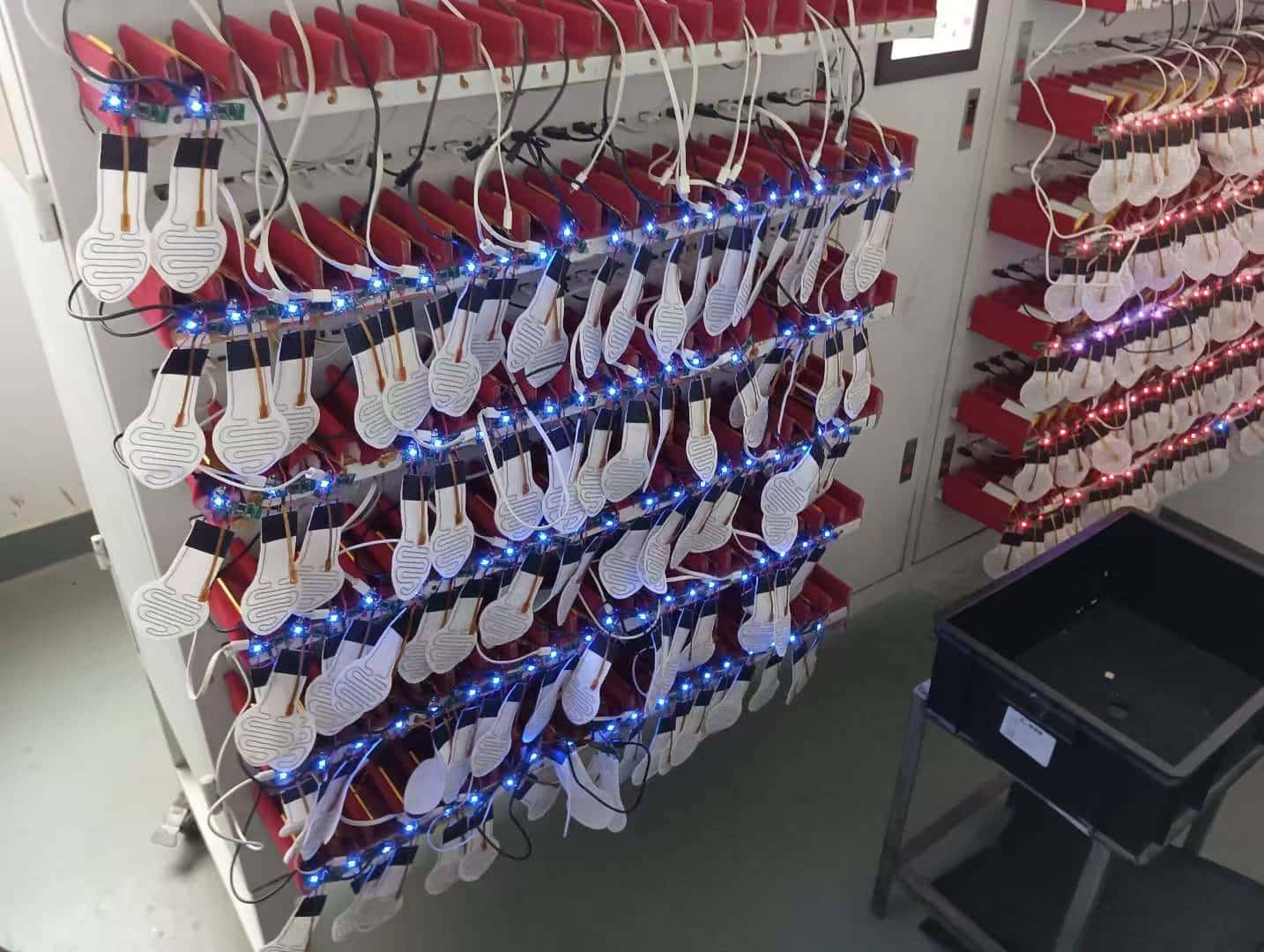
Carbon fiber heating involves the use of conductive carbon strands that are made into a fabric forming a flexible network that heats by electrical resistance. It is made of thread-like fibers that are made thin so that it can bend without cracking, and has a life span of up to 100,000 flex cycles in laboratory testing. The heat is evenly distributed so that there are no cold spots.
This is smooth warmth on fingers in the case of heated gloves heating technology. Engineering shows the low weight (under 50g per panel) which makes the jackets wearable, supported by RoHS because of eco-friendly production.
Heating Film (Graphene or Composite Film)
Heating film technology is an ultra-thin conductive layer, such as graphene or polymer composites printed onto thin substrates of a flexible type. This forms a thin sheet- usually less than 0.5mm in depth- which warms up quickly as a result of high conductivity. Energy efficiency is a winner and it transforms 95+ percent of power into heat without much waste.
In the case of heated socks, the profile of the film is thin and does not add any bulk. Its ability to respond rapidly (warming in seconds) in outdoor gear designs makes it responsive, albeit well laminated to fabrics to be durable.
Traditional Heating Wire
Coiled metal alloys, such as nichrome, used in insulation to create heating wire systems depend on resistance to create heat. They create specific warmth but may become stiff with wires, which may become fatigued in the long run.
They are common in low-end heated clothing and easy to make, but often limited to particular areas. Testing since the early prototypes has shown higher power consumption, so they are not ideal for long battery life — though safety labs understand them well, making them relatively safe.
Key Differences at a Glance (Comparison Table)
In order to make the comparison of the heating elements make sense, the following basic taxonomy is provided:
| Feature | Carbon Fiber Heating | Heating Film Technology | Heating Wire System |
| Durability | High (flex-resistant, long lifespan) | Medium (thin but can wear in high-impact) | Low (prone to breakage) |
| Heating Speed | Fast (2-5 minutes) | Very Fast (under 2 minutes) | Moderate (3-7 minutes) |
| Distribution | Even & widespread | Uniform & thin coverage | Targeted with hotspots |
| Power Usage | Efficient (low draw) | Highly Efficient | Higher consumption |
| Flexibility | Excellent | Good | Poor |
| Safety | High (insulated, no sharp breaks) | High (sealed films) | Medium (risk of wire exposure) |
| Cost | Mid-High | High | Low |
| Suitable Products | Gloves, jackets, socks | Socks, insoles, base layers | Budget jackets, vests |
This table uses real tests done to CE standards and this explains why carbon fiber usually comes out as the winner in terms of versatility.
In-Depth Comparison of Heating Technologies
In addition to fundamentals, we will break down the performance of these systems on crucial aspects.
Heat Distribution & Comfort
Carbon fiber spreads like a mirror, warming big zones without making any interruptions- imagine a jacket that you are heating like your own body temperature. Heating film is a similar match but in finer forms, which are best in base layers where they need to be against the skin. The heating wire normally produces spots that are uneven resulting in discomfort in the gloves that may leave fingers cold.
A test of skiing gloves heated with carbon fiber technology in gloves gave all-over the warmth, whereas the back was not as hot as the left palm.
Heating Speed & Temperature Range
Film heats the fastest, whereby it reaches 130o F in seconds due to low mass. Next is carbon fiber with a range of 100-140F. Wire falls, though maintains high levels.
In the case of heated jackets heating system, the speed of film is appropriate to warm up fast in chairlifts according to field notes.
Durability & Flexibility
The ability to withstand bends with carbon fiber makes it the best when used as active wear- no snaps with thousands of bends. In the crude use film is supple, and easier punctured. Wire only fatigues the most, particularly in socks twisted in boots.
Carbon fiber was proven to be 3 times as durable as wire in everyday use in industrial workwear trials.
Battery Efficiency
Film is the leader in low power consumption, and the run time is 20-30 percent longer. Close to carbon fiber is efficient and good at even heat. Wire is costlier, cutting down on time.
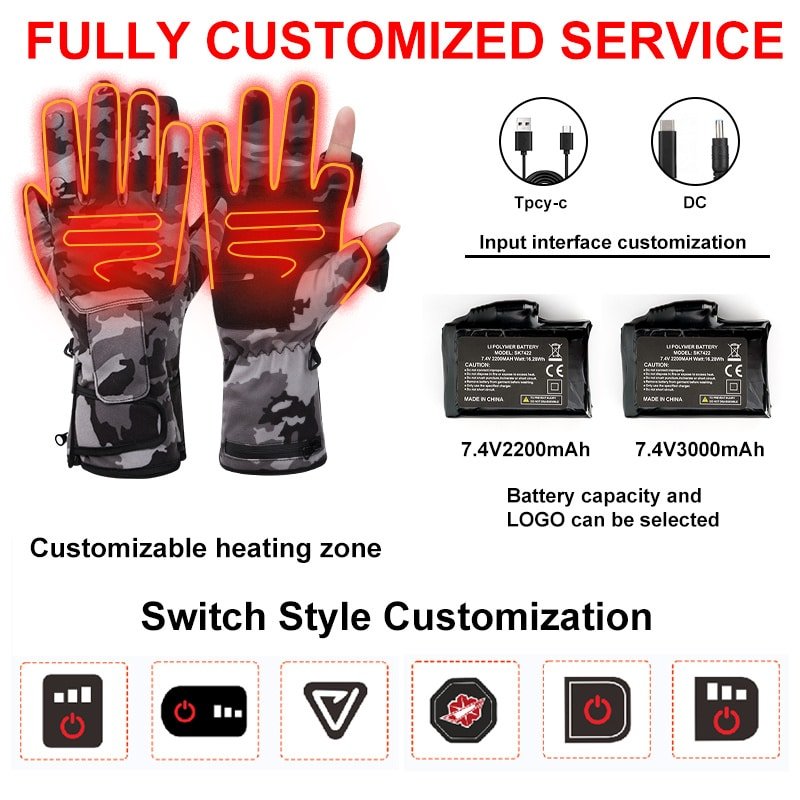
In battery tests that corresponded to FCC, film in heated garments saved hours in medium modes. Pairing the right heating system with our custom battery solutions further maximizes runtime and safety.
Waterproof & Outdoor Reliability
Any of them can be closed but carbon fiber and film are more compatible with waterproof barriers, which prevent sweat or snow. Wire should have additional insulation to prevent corrosion.
Glove film supported during wet motorcycles rides without shorts, which was not the case with bare wire.
Safety & Certifications
Carbon fiber does not break sharply and there is less risk of shocks. The closed nature of a film contributes to isolation. Wire has to be heavily sheathed to avoid exposure.
No powers such as UL or UN38.3 can be certain that BMS is resistant to overheat, but carbon fiber tends to pass tougher tests of flexibility.
Cost & Manufacturing Complexity
Wire is least costly to manufacture, no fancy molds. Movies require very specific printing, which increases the expenses. Carbon fiber balances, with a weaving technology that is scalable yet middle-range.
In the case of customization, film increases ODM costs, which is a common factory experience.
Best Heating System for Each Type of Heated Apparel
Scenario determines who wins and this is how they fit.
Heated Jackets & Vests
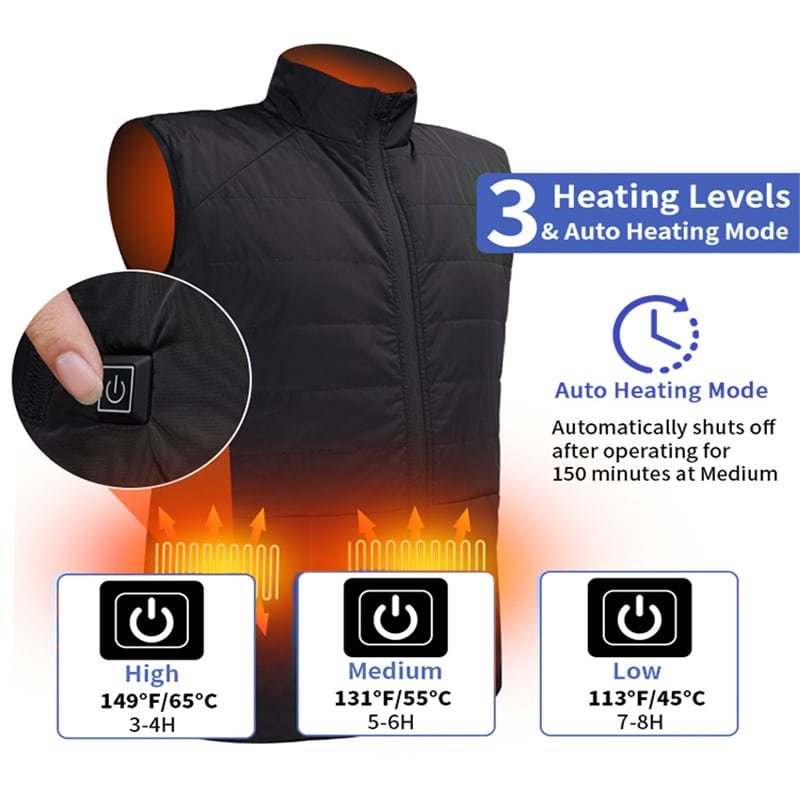
The reason behind carbon fiber governing large areas and being efficient is that it can warm torsos without adding bulk. Film works well for lightweight vests. Carbon fiber excels in commuting jackets and daily wear. Explore our custom heated jackets to see how we implement the best heating system for your specific needs.
Heated Gloves (Skiing, Motorcycle, Workwear)
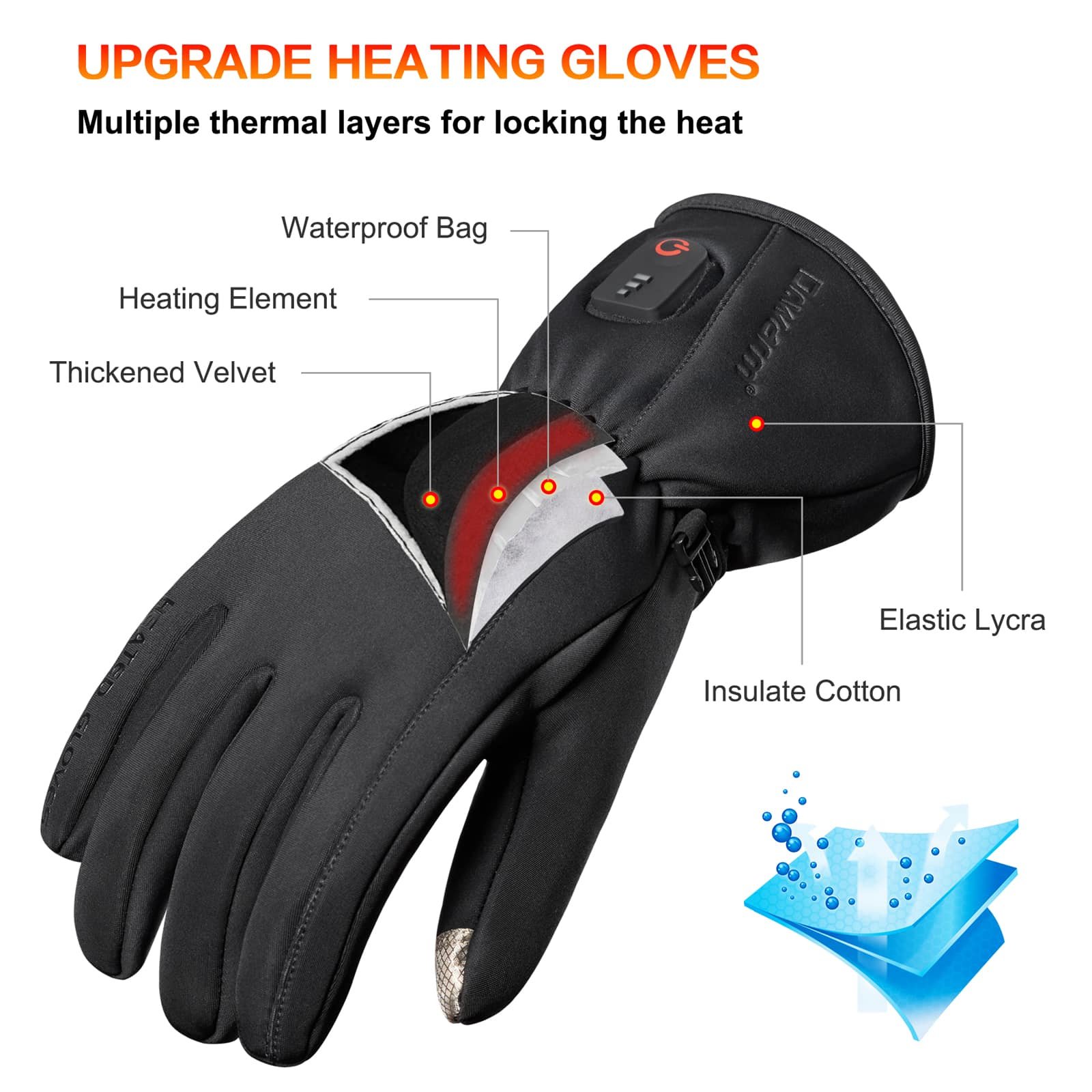
Flexibility is good with carbon fiber- bends with grips in skiing or work. Touch is made thin and wire stiffens. Our custom heated gloves leverage carbon fiber for superior pliability during dynamic activities like skiing or motorcycle riding.
Heated Socks & Insoles
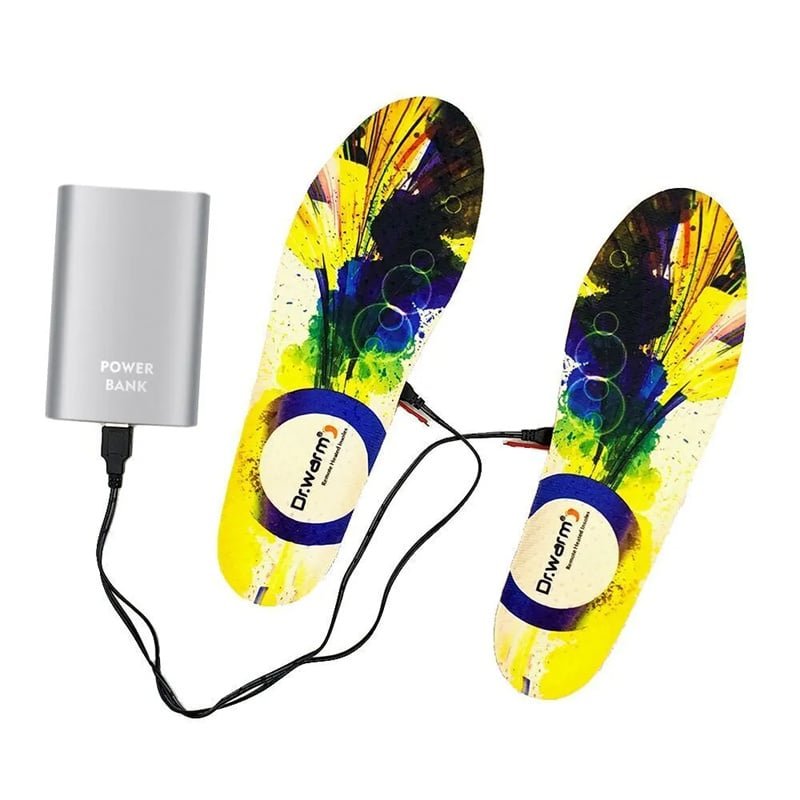
The thinness of the film suits the socks very well, and the heat of the toes is concentrated without a bump. Hikes benefit from added durability with carbon fiber. Our custom heated socks and insoles are engineered with the optimal heating film or carbon fiber technology to balance thin profile and reliable warmth.
Heated Pants / Base Layers
The low profile of film is conducive to skin layers. Pant pants need flex carbon.
Hunting base layers were made of film having an even heat distribution.
Industrial Workwear vs Sporting Gear
Workwear is carbon-based, tough, but sports are film-based, lightweight in dynamic movement.
Building vests that were made of carbon survived impacts and skiing equipment preferred the speed of film.
Misconceptions About Heating Systems
There is the belief that wire is never good but will work with a static heat in low budget vests. Movie is not necessarily hot, it is functional but not radical. Carbon fiber is not unsafe, it is as safe as others with proper insulation, myths of fragility are disproved.
Actual fact: There are no difficulties when it comes to quality design, as per models which have undergone CE testing.
Final Recommendation — Which Heating System Is Best?
To the common person, carbon fiber provides a versatile, reliable, warmness at a reasonable price- riding with commuters. Serious winter sports athletes must choose films because they are fast and lightweight in gloves or socks. The use of carbon in jackets is useful in industrial employment. In hunting, the silence of film is popular. Motorcycle riders? Flexible, weatherproof gloves made of carbon.
Balance your activity level: Flexibility and heat evenness are important in active activities, efficiency in long-wear. Seek certified systems to be sure of safety. Our OEM/ODM heated apparel solutions help brands select and implement the optimal heating system—whether carbon fiber, heating film, or wire—for their exact requirements.
Frequently Asked Questions
Can one range use different heating systems?
Yes, and it often should: film for a large jacket back panel, carbon fiber for gloves, and wire only where cost rules. What has to stay consistent across the range is the pack and controller platform, because that is what the customer carries between products. Differing elements are a design choice; differing connectors are a support problem.
Which system is hardest to scale in production?
Film. Its advantage — even heat over a large area — depends on lamination quality, and lamination is where a line either holds tolerance or produces delamination in the wash. Wire is the easiest to run and the easiest to get wrong on spacing. Carbon fiber sits between the two and tolerates handling better than either.
Does the system decide the controller?
It decides the current the controller has to switch, and that rating is not transferable. Two elements with the same measured wattage can present very different inrush behaviour, and a board rated for one may trip or overheat on the other. Specify the element first, then rate the board against it — not the reverse.
What should a brand standardise if it has five SKUs?
The pack, the connector and the controller family. Elements can differ by category, insulation can differ by price point, but those three keep spare packs, chargers and after-sales simple. Every SKU that introduces a new connector costs you a spare-part line and a support script for the rest of the product’s life.