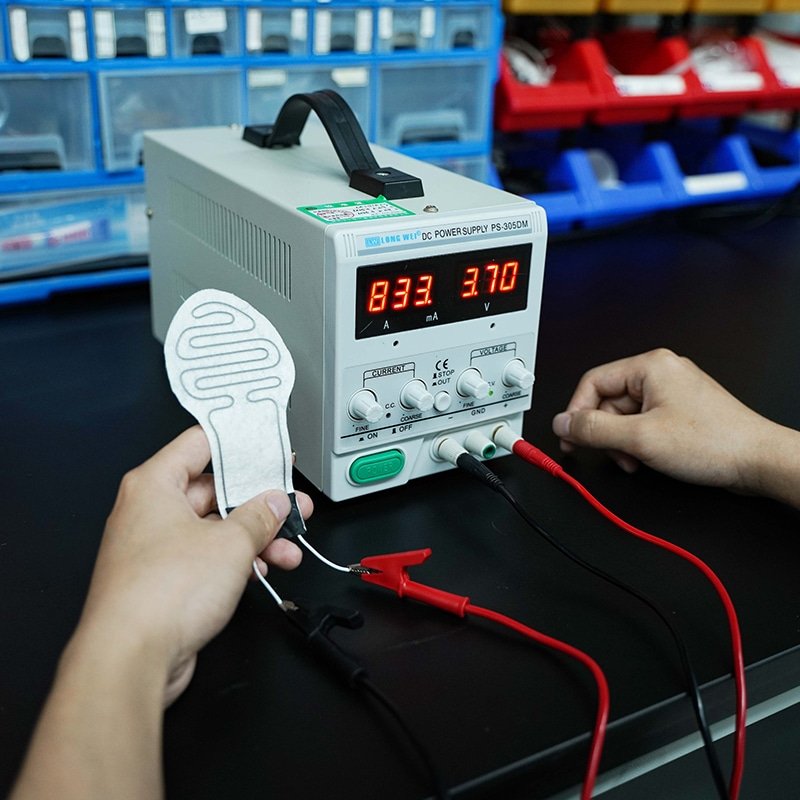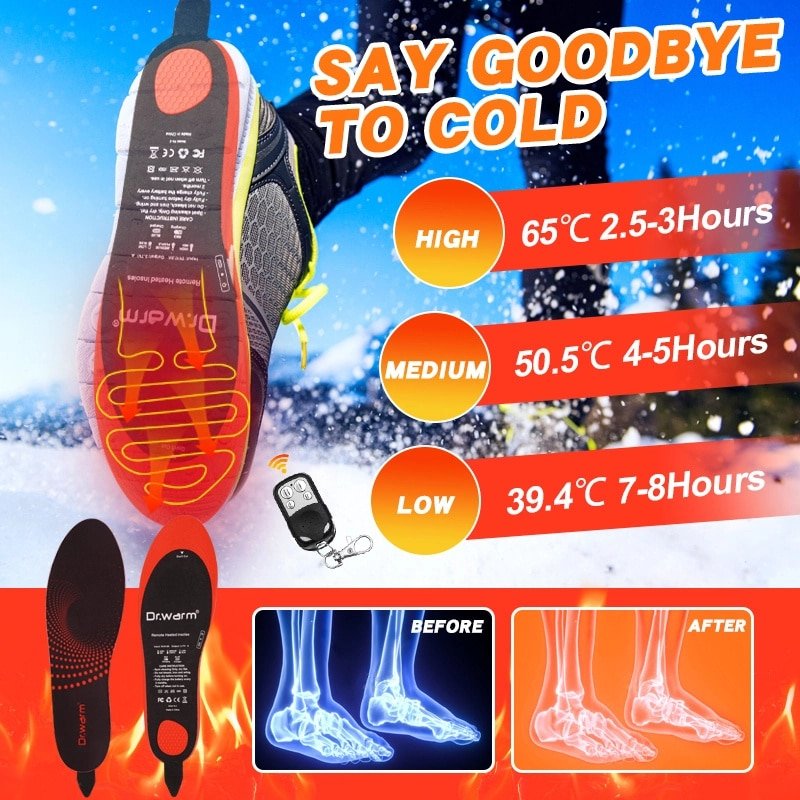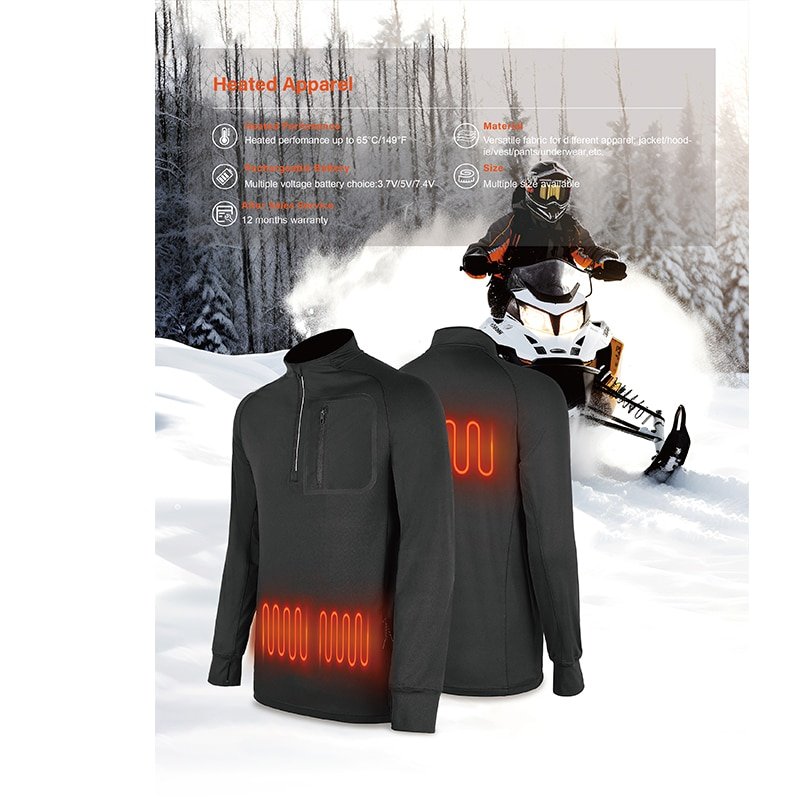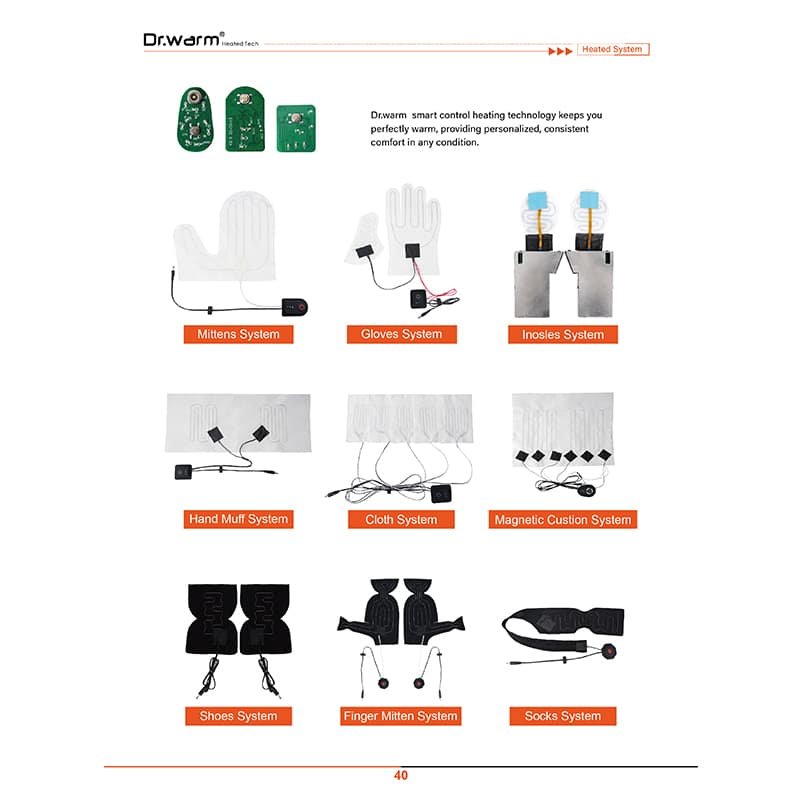

Airplanes typically do not have an issue with heated insoles, although they are only permitted depending on the size of the lithium battery, certification to be transported, and whether the batteries are hauled as carry-on baggage or checked baggage. To allow on board as rechargeable insoles, most airlines allow the lithium batteries to meet the required aviation safety standards. One should not generally place batteries in checked luggage as it can be the source of fire in the cargo area.
Other passengers suppose that hot insoles are of the prohibited type as they have batteries inside. As a matter of fact, the limitations are on the size of the battery and the safety of transport instead of prohibition of the products. Heated insoles can be carried aboard aircraft provided lithium battery capacity is within the requirements of the Aviation safety standards and the batteries are carried as per the airline guidelines.
Why Lithium Batteries Are Regulated in Air Travel
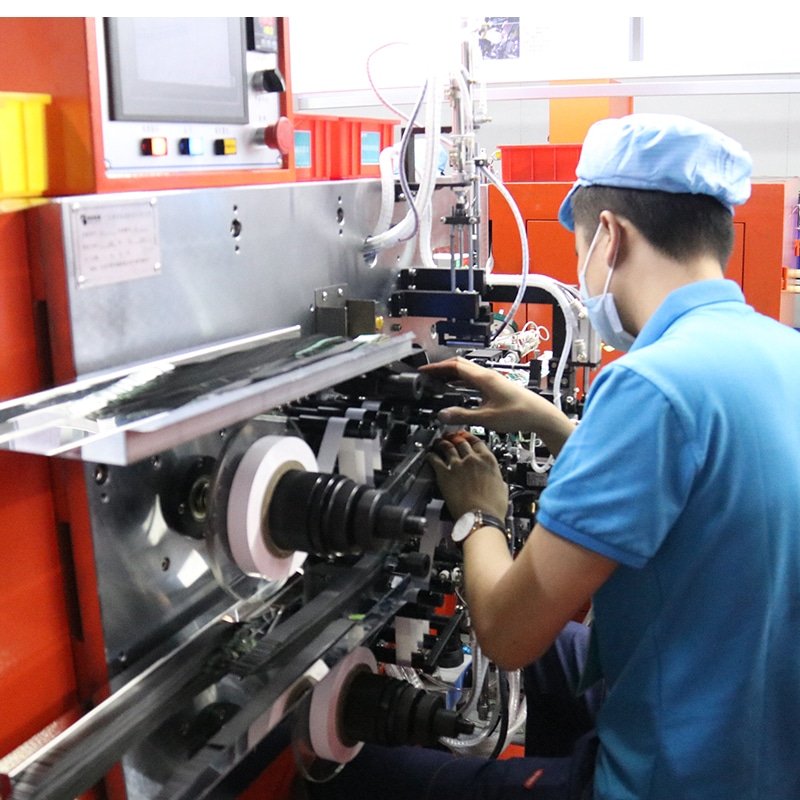
Lithium batteries are highly regulated during air travel mainly because of the possibility of thermal runaway which may cause fire or explosion in under specific circumstances.
These laws are implemented by aviation regulators such as the International Air Transport Association (IATA) and the Federal Aviation Administration (FAA) in order to reduce risks. The damage or short circuiting or defective battery may result in overheating of lithium batteries creating a more hazardous situation in flight where timely action is not possible.
Crews can monitor and attend to problems in cabin environments easily, but cargo holds do not have such control. This is the reason why a lot of electronic tools that use lithium batteries such as phones and heated clothing all belong within the same framework. The rules provide secure transportation without banning ordinary products of consumers.
Carry-On vs Checked Baggage Rules
Heated insoles containing a lithium battery are not typically restricted in carry-on luggage, but have serious limitations in checked baggage.
The location of the cabin space is of prime concern to airlines and regulators since the crew is able to detect and act on overheating or smoke. In the baggage, the incidents might be overlooked over a longer period, which causes higher risks.
Spare batteries are no different, and they have to be carried as carry-on to avoid short circuiting or activation. Power banks and heated insoles are quite similar: both of them have rechargeable cells, and thus the regulations are close.
Here’s a clear overview:
| Scenario | Heated Insoles Allowed? | Notes |
| Carry-on with installed battery | Generally yes | Must meet capacity limits; device should be powered off if possible |
| Carry-on spare batteries | Yes, limited quantity | Proper packaging required (e.g., terminals protected) |
| Checked baggage with battery installed | Often restricted | Airline-specific; many prohibit due to fire risk in hold |
| Loose batteries in checked baggage | Usually prohibited | High fire risk concern; must be in carry-on |
The policies vary a bit even though they are all based on the IATA guidelines, so always make sure to check with your particular airline.
Battery Capacity Limits and Watt-Hour (Wh) Rating
The majority of heated insoles are within the typical airline battery limits, and therefore can be travelled with.
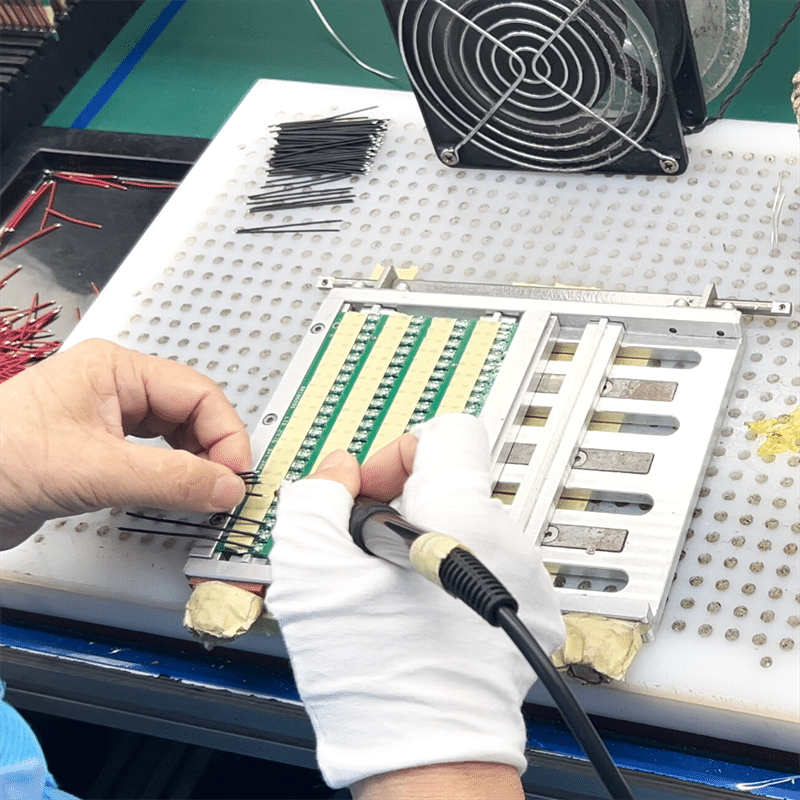
watt-hour (Wh) rating is used to describe the energy capacity of a battery -which would be voltage x ampere-hours. Aviation regulations establish limits using this measure in order to find a balance between utility and safety.
Common devices in use by consumers, such as heated insoles, take batteries less than 100 Wh, and are generally not restricted to special permission. Greater capacities (101 or more, 160 or more) might need airline approval, with above 160 normally prohibited on passenger flights.
It is advisable to label the Wh rating in the battery or product clearly to ensure that the security officers can determine compliance in a relatively short period.. For sourcing compliant products, working with a lithium battery heated insoles supplier that prioritizes proper specifications and testing ensures smoother travel experiences.
UN38.3 and Battery Transport Certification
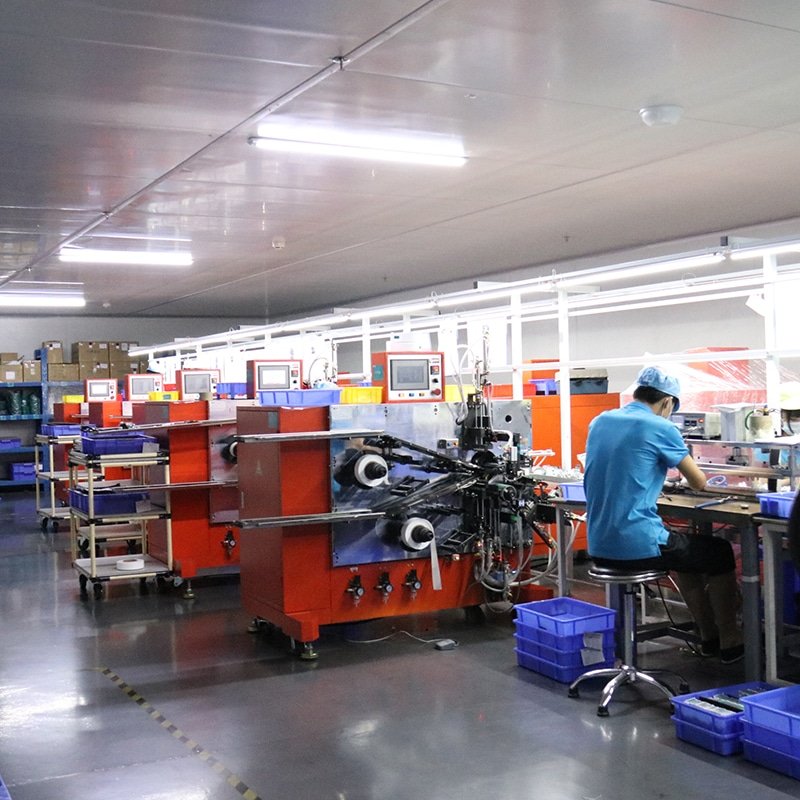
Lithium batteries must be certified as UN38.3 to show that they are able to endure the stresses of transport without failing.
Such UN Manual of Tests and Criteria (subsection 38.3) has simulations such as altitude variations, thermal cycling, vibration, shock, external short circuit, impact, overcharge and forced discharge. These tests are passed to ensure that these batteries are stable during air traveling.
Airlines and customs usually demand documents of compliance particularly with the international flights to minimize delays or confiscations. Certified batteries reduce risks and facilitate uniform safety across boundaries.
Key certifications include:
| Certification | Purpose |
| UN38.3 | Lithium battery transport safety |
| SDS | Material safety documentation |
| CE/FCC | Electrical compliance validation |
The standards are used to facilitate the global aviation standards in products.
International vs Domestic Airline Differences
Although basics regulations are based on IATA and ICAO standards, there are distinctions between international and domestic flights, and in different regions.
Other airlines have more stringent policies according to the aviation regulations in the country or accidents. To illustrate, the U.S. carriers adhere strictly to the advice of TSA and FAA, whereas European or Asian airlines might focus on extra paperwork.
Always check out the sites of your airline prior to the trip – policies may have particular restrictions to the number of devices or might demand prior authorization of particular devices. Screening of security can be done by powering on the insoles or checking batteries, therefore come ready.
Tips for Traveling with Heated Insoles
It is easy to travel with the capability of using the insoles with heating when some steps of compliance are pragmatic.
- Batteries should be kept in carry-on baggage all the time to match the fire precautions.
- Carry manufacturer manual, capacity ratings, certifications etc.
- Label battery capacity so that it is easily checked at the security.
- Switch off gadgets before landing and avoid activating by accident.
- Do not use swollen or damaged batteries they should not be used as they are not allowed because of increased risks.
These steps reduce the difficulties and contribute to safe travels.
Common Travel Misconceptions
There are a number of myths that cause unjustified concern about heated insoles during air travels.
- Battery products are prohibited, all battery products are prohibited, not so; small lithium batteries in consumer products are regularly passed as under capacity exemptions.
- Heated insoles are not handled in the same way as power banks – they are governed by the same lithium battery system as other rechargeable electronics.
- Bluetooth models have more severe restrictions – connection possibilities do not alter essential battery rules.
- Automatic prohibition of small lithium batteries – the vast majority of those less than 100 Wh are approved with correct handling.
Knowing these differences can assist the traveler to pack without any hesitations.
Conclusion — Travel Compliance Depends on Battery Standards
Heated insoles are usually allowed on planes when their lithium batteries are within acceptable limitations of the aviation capacity and carried in compliance with the airline regulations. Here, priority can be given to the placement of carry-on, Wh verification, and compliance with UN38.3 to minimize the possibility of problems.
Knowledge of battery certification and carry-on rules will be used to prevent inconvenience in traveling by preventing unforeseen limitations. Always confirm with your airline on the most up to date policy prior to departure.