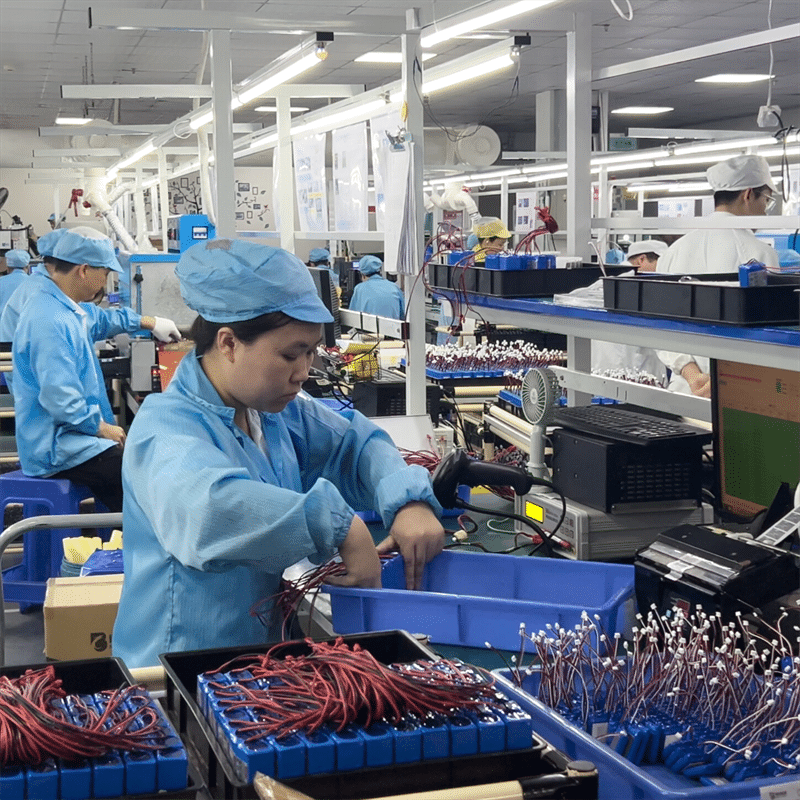

Heated insoles use rechargeable lithium-ion batteries to provide a regular stream of heat in a chilly climate. Due to the fact that these devices are attached to the foot directly into closed footwear, the safety of batteries is extremely important, since any kind of breakdown can cause burns, fire outbreak, or other harm because of the low heat transfer and constant mechanical load.
Most people believe that the safety of lithium batteries is only dependent on the quality of the cell provided by a supplier. Practically, the actual safety performance comes out of the integration of the battery into the product with design of protection circuits, thermal control and the high quality manufacturing validation.
Protection circuit, thermal monitoring integration, and structured manufacturing validation processes are more important to lithium battery safety in heated insoles, than battery chemistry.
Those making the products have a direct liability to these aspects to avoid such risks as thermal runaway, which has been attributed with actual cases in the real world such as overheating or ignition in wearable heating products.
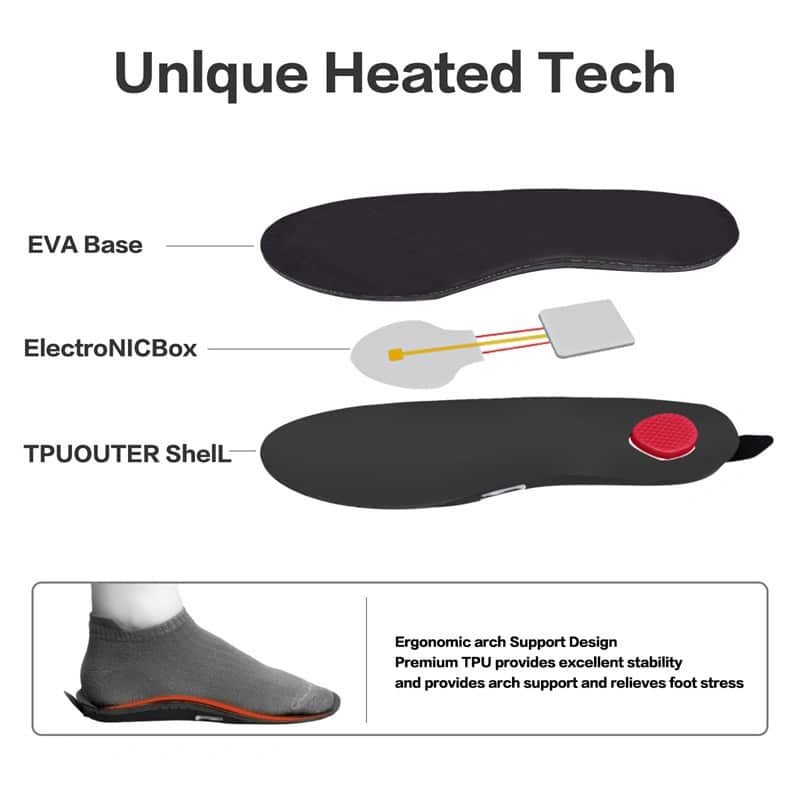
Core Lithium Battery Safety Principles
The safety of using lithium battery can be developed in terms of effective basic protection mechanisms embedded in the system during the design phase itself.
These systems inhibit typical failure modes due to normal operation, charging or mechanical forces on heated insoles.
- Overcharge protection -Stops charging when voltage is within a safe range to prevent excessive energy flow into the system which may lead to swelling and rupture.
- Over-discharge protection – Reduces power flow before lowering the battery to damaging levels and maintains the integrity of cells and eliminates capacity decay.
- Overcurrent limit Overcurrent limitation inhibits current flow during peak demand conditions, like rapid heating activation, in order to prevent excessive heat build up.
- Short-circuit shutdown — Disconnects instantly in case of a short, which can happen because of broken wires or compression of the insole.
- Thermal strategies – Measures temperature and acts (by disabling or decreasing output) in case of overheating which may cause burns on the foot.
| Safety Mechanism | Function | Risk Prevented |
| Overcharge protection | Stops charging at safe voltage | Battery swelling |
| Over-discharge protection | Prevents deep discharge | Capacity damage |
| Short-circuit cutoff | Immediate shutdown | Fire risk |
| Thermal monitoring | Temperature control | Burn hazard |
These are the principles that any good system of heated insole battery is based on.
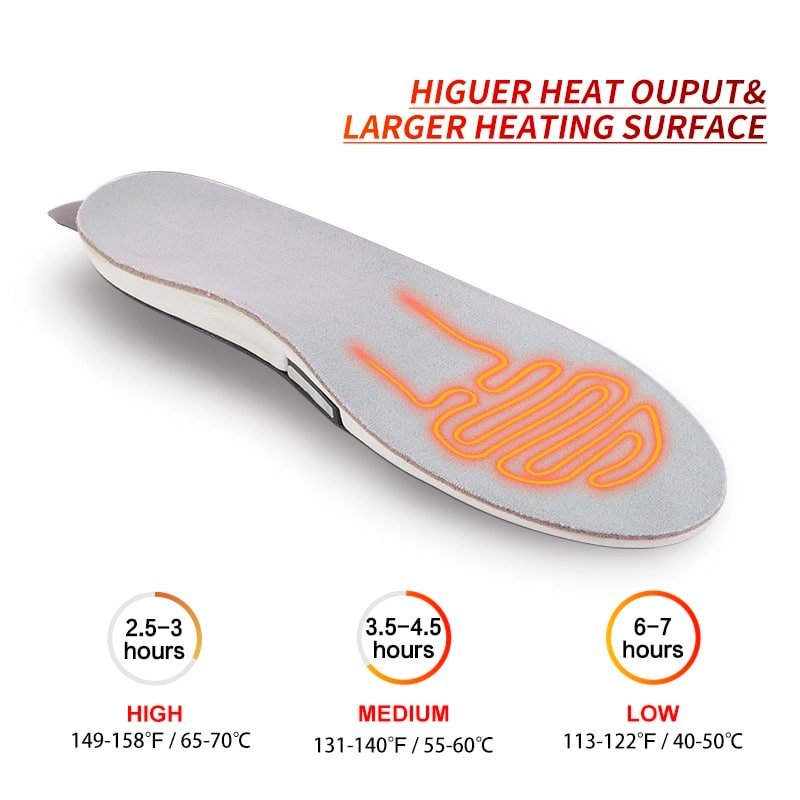
Protection Circuit Board (PCB) Integration
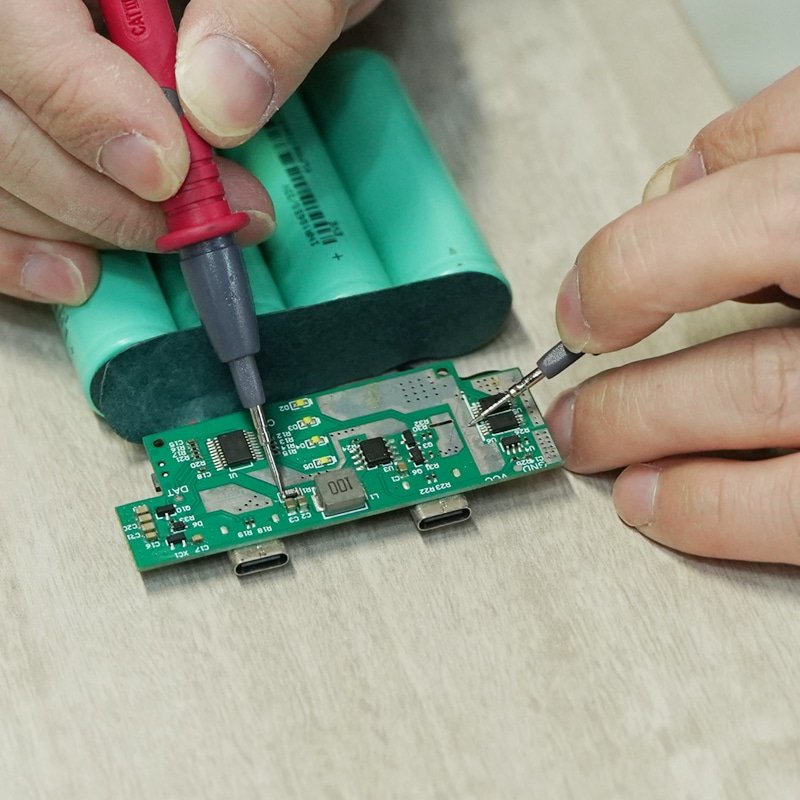
The main safety of the lithium battery in heated insoles is a carefully designed protection circuit board (PCB), usually with a Battery Management System (BMS).
The BMS constantly monitors voltage, current, and temperature with firmware driven decisions which impose safe operating limits.
Key functions include:
- Voltage regulation to ensure that cells are kept at safe discharge and charge limits.
- Balancing of current between cells (where more than one cell used) to avoid uneven wear.
- Firmware adjustment to proper detection of non-normal conditions, e.g., of an unexpected increase in temperature under foot pressure, or cold ambient temperature.
Manufacturers must take full responsibility for PCB integration, as off-the-shelf cells alone do not guarantee safety in a dynamic wearable application. Proper system integration — including how the heated insoles battery and control systems are engineered — directly determines whether the product can handle real-world stresses like walking compression or prolonged use.
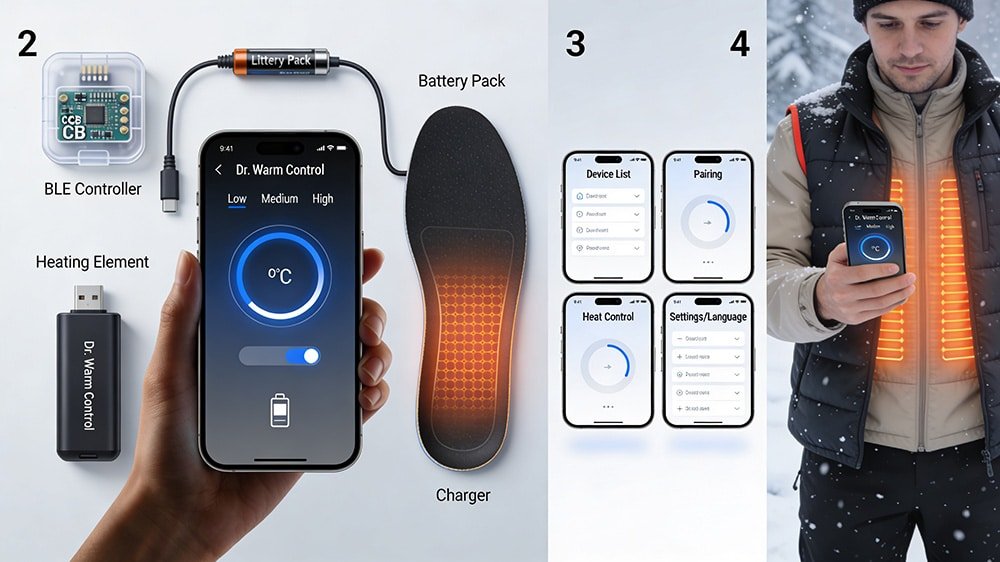
UN38.3 and Transportation Safety Requirements
All lithium batteries that are shipped as a stand-alone device or built-in device must be tested in accordance with UN38.3 testing to assure that they will not be damaged during the transportation process and can be safely carried.
The standard which is required by international regulations of transport is something that is not negotiable by heated insoles manufacturers who are going to export to other countries around the world.
UN38.3 consists of a set of environmental, mechanical and electrical tests:
| UN38.3 Test | Purpose |
| Altitude simulation | Simulate air transport pressure changes |
| Thermal test | Resistance to temperature variations |
| Vibration test | Shipping durability under movement |
| Shock test | Impact resistance |
| Short-circuit test | Electrical safety validation |
The confirmation of the battery pack as being stable in the logistics process will lower the chances of leakages, venting, and fire during transit to the distributors or final customers.
CE, FCC, and Electrical Safety Compliance
In addition to battery-specific transport regulations, heat insoles should comply with larger electrical and electromagnetic standards to obtain the market access.
CE marking is used in the EU in the Low Voltage Directive (LVD) and Electromagnetic Compatibility (EMC) Directive, which guarantee safety of use, as well as reduced interference.
In the US, compliance with FCC covers radio emissions (in the case of remote-controlled models, in particular), whereas general electrical safety can allude to standards such as UL or IEC equivalents.
These requirements supplement battery safety as they require labeling, user instructions and technical documentation to be present. Manufacturers should ensure that they keep records that validate compliance because non-conformance may prevent imports or initiate a regulatory measure.
Manufacturing-Level Validation and Testing
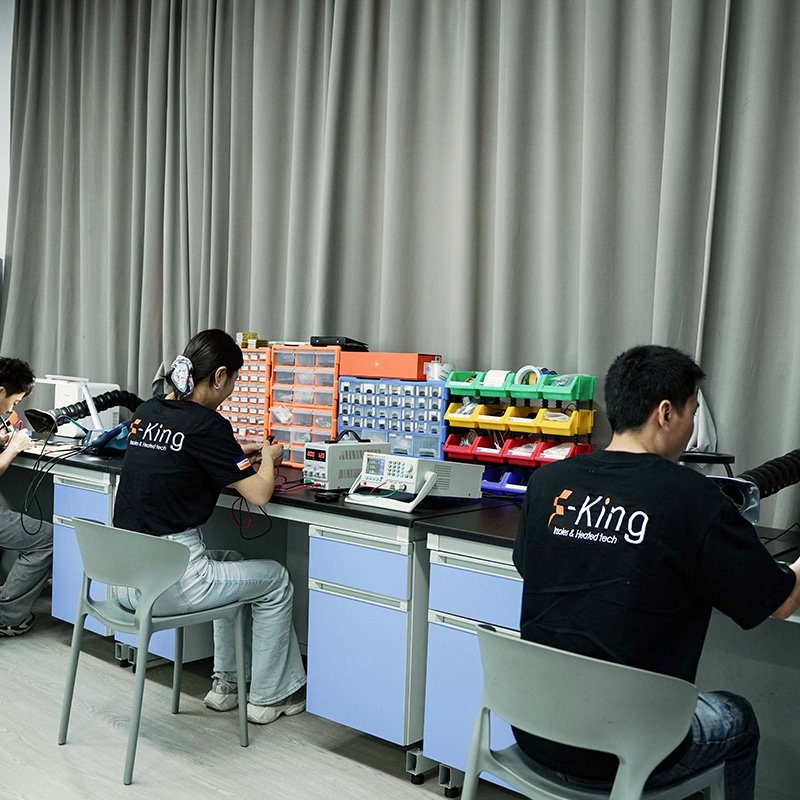
It is not possible to depend on design only to ensure safety but to continue validating the safety during the production process.
To ensure that the performance of their product is consistent in a simulated condition of real use, manufacturers perform a structured testing.
Common protocols include:
- To measure long-term degradation, aging tests are used.
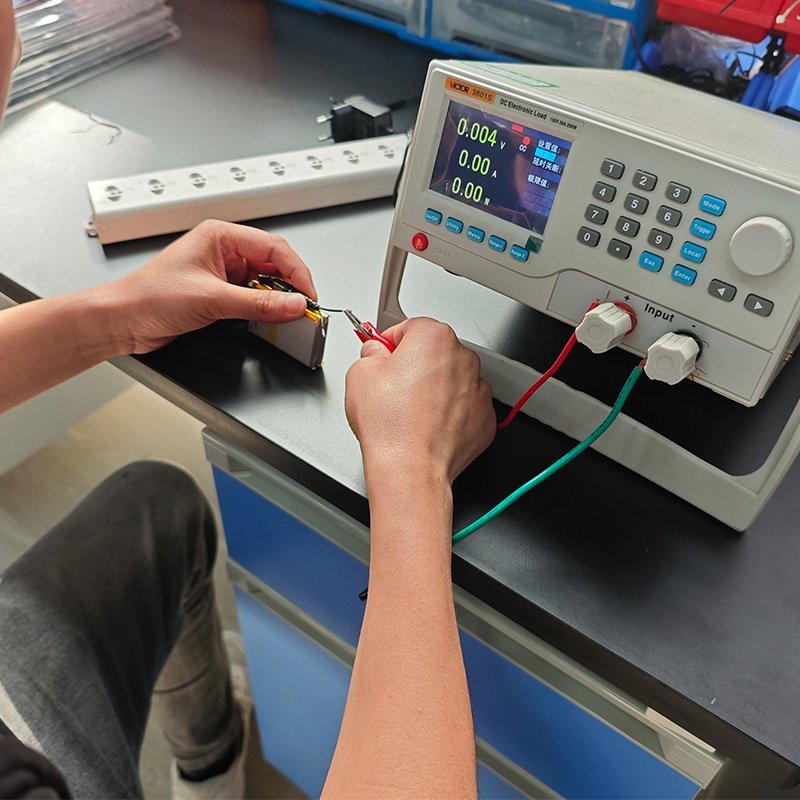
- Constant discharge tests to ensure consistent output when the heating is long.
- Prove-test validation to ensure hundreds of lifespan and safety cycles.
- Simulate the stress on wiring and battery location during walking.
- Heat stress tests so that even the heat does not build up in hotspots.
| Test Type | Purpose | Safety Benefit |
| Aging test | Long-term reliability | Prevent early failure |
| Charge cycle test | Validate battery lifespan | Stable performance |
| Flex stress test | Simulate walking | Prevent wiring damage |
| Thermal stress test | Heat consistency | Overheat prevention |
Production sampling and in-process inspections further ensure every unit meets these benchmarks.
Risk Factors in Poorly Engineered Heated Insoles
Looses in heat insoles are usually tracked to engineering or manufacturing shortcuts:
- Lithium cells which are not inherently stable.
- Lacking or insufficient protection circuits that do not observe abnormalities.
- Poor insulation layers that can be subjected to compression of the battery.
- Weak lamination with delamination when the weight is on them.
- Absence of aging validation, which causes early degradation when in service.
Such problems have led to reported overheating, thermal problems, and burns on wearable heating devices.
Why Manufacturers Must Integrate Safety at Design Stage
The issue of battery safety should be regarded as the fundamental engineering discipline.
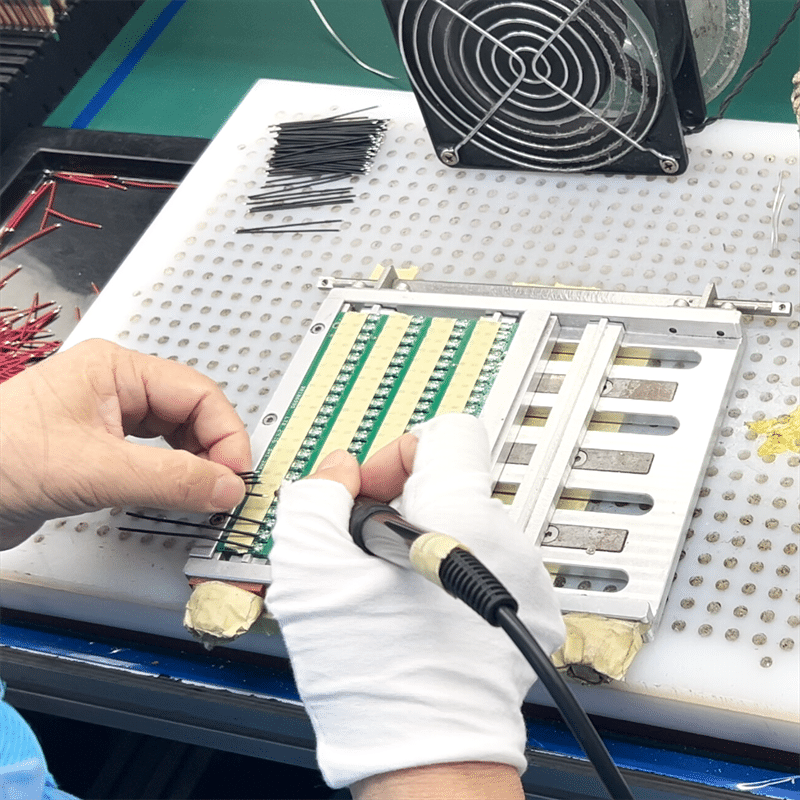
This demands a strict component sourcing, in-depth protection circuit documentation, organized SOPs of production, and complete traceability systems.
Incorporating safety in the design, instead of fixing it afterwards, manufacturers minimize the risks of failures, and also provide the company with adherence to the regulations of the market. Corrections at late stages are not usually effective and are expensive.
Conclusion — Safety Is a Manufacturing Discipline
The safety standards of lithium battery used in heated insoles manufactures involve integrated protection circuits, testing procedures that are proved and strict control of production. Safety is not an addition that is introduced after the product has been assembled, rather it is built in during the initial phase of designing the product.
Marketers that focus on such organized processes provide high quality products that operate within the real world setting safely and act as a safeguard to the user and can contribute to a sustainable market in the long term.