

Designs of packaging that do not take manufacturing reality into account at the concept phase almost always fail when it comes to scale-up. The constraints of manufacturing are what dictate the reliability, cost-effectiveness, and volume of production of a design. The majority of packaging failures do not take place at the very first concept design, but once design approval is achieved, when the production teams discover problems that cost more to fix.
Most of the brands assume that after the approval of design, the manufacturing problems can be resolved. A truth of the matter is that most of the issues have been generated during the design. Design choices of packaging that lack input on manufacturing nearly always raise costs, extend timeline or reduce consistency.

Why Manufacturing Constraints Shape Packaging Design Outcomes
A manufacturing constraint is not an optional feature that can be added to a package design but rather what it is all about. Realistic limits to production are determined by machinery capabilities, tooling availability, material behavior, and process tolerances long before a prototype is produced. Overlooking these aspects at the initial stage results in designs that would have been spectacular on paper but are impossible, or too expensive, to make in large quantities.
Visual complexity is nearly always outweighed by feasibility in the case of long-term production. The designs that extend beyond the boundaries of equipments or material facts compel simplifications in the future usually diminishing the original intent and exaggerating budgets.
It is the way that the major manufacturing limitations influence the design decisions directly:
| Manufacturing Constraint | Design Impact |
| Tooling limitations | Structure simplification |
| Assembly processes | Insert and tolerance design |
| Material behavior | Thickness and folding logic |
| Process stability | Repeatability at scale |
By tackling these constraints in manufacturing-first packaging design, a more robust production-ready packaging design will be achieved that does not require overhaul of the design mid-project.
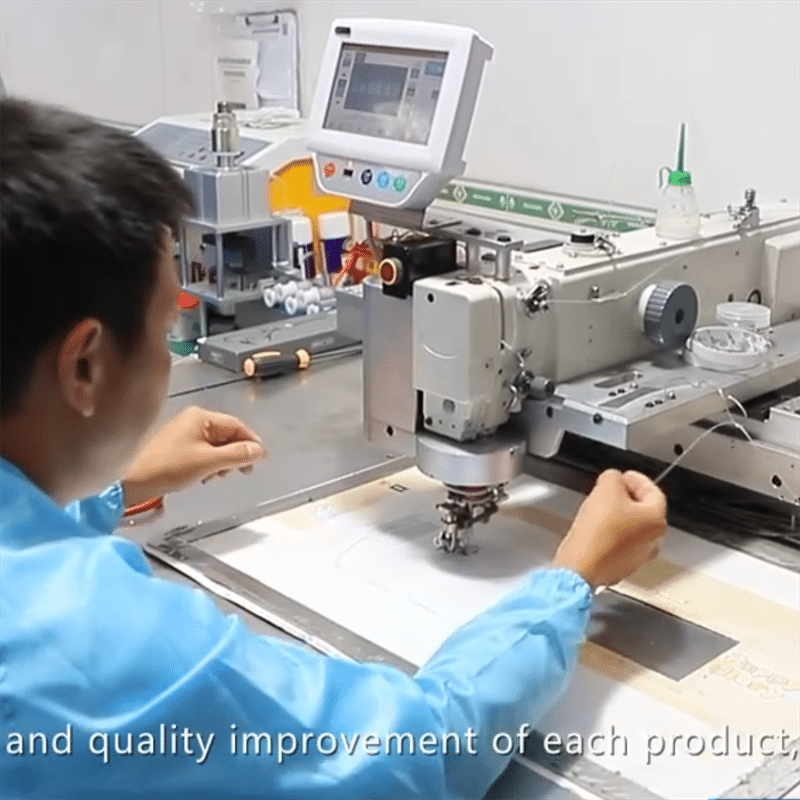
What Happens When Manufacturing Is Considered Too Late
Delays the production until the design is approved to be manufactured only will lead to a chain reaction of unnecessary issues. Discoveries at a late stage rarely have graceful solutions–instead, teams have to make compromises in a hurry which negatively affect quality and profitability.
Typical late-stage problems include:
- Structural instability – The design is seeming to be stable in little parts, however, it collapses when assuming a speedy folding, gluing, or filling lines.
- Higher than expected costs — Complex features, or low throughput, demand special tooling or reduced throughput, increasing their unit costs by enormous amounts.
- Delays due to redesign – Tooling, material changes or tolerance changes can cause delays in timelines by weeks or months.
- Unreliable quality at scale — Prototypes can pass simple tests, but when it comes to mass-production, it will be found that there is a problem with consistency in materials, precision in die-cut, or adhesive effectiveness.
- Supply chain disruptions – Materials or finishes choose without sourcing availability will result in bottlenecks in sourcing when production increases.
Given the slow pace of sample production, typically in small quantities, and its production on other equipment, samples are prone to conceal the risks of mass-production. Something that works in a laboratory often fails in an automated production line of thousands of parts per hour.
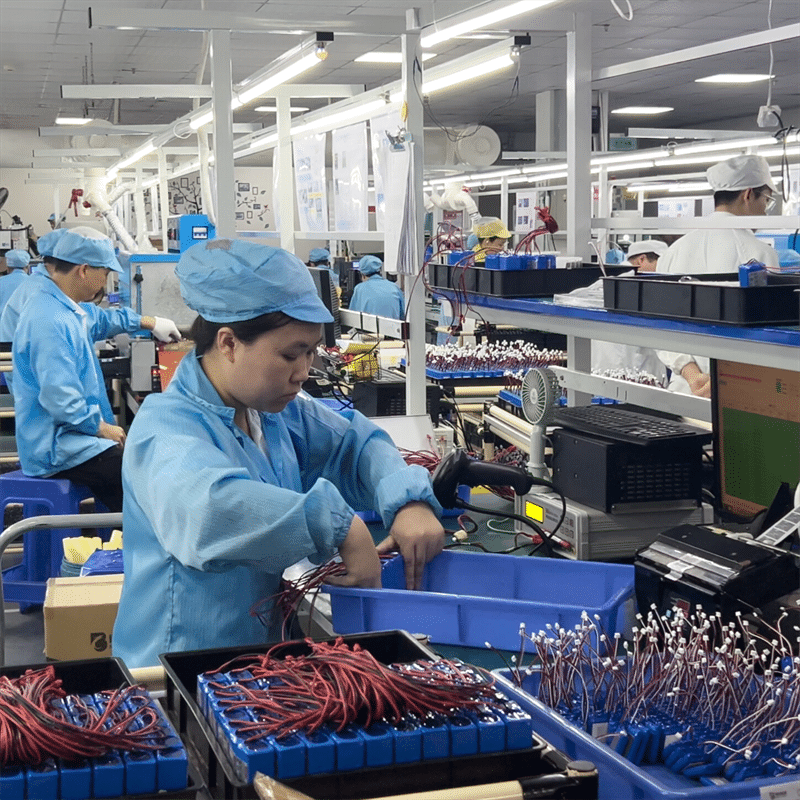
Designing for Manufacturing From the Concept Stage
Early physical input of manufacture converts packaging as an artistic endeavor to engineering. In cases of feasibility tests that are taken during concept planning, the designers make informed trade-offs that do not compromise intent, but provide scalability.
Reviewing of engineering in the initial stages identifies the possible problems before much time is spent. There is less revision, which speeds up the market entry and the frustration in the teams is minimized.
| Design Stage | Manufacturing Focus |
| Concept planning | Feasibility assessment |
| Structural layout | Assembly logic |
| Material selection | Cost and availability |
| Design tolerance | Production stability |
With the integration of manufacturing skills, at the inception stage, the brands can design scalable packaging, which is creative and practical at the same time.
Why Manufacturing-Driven Design Improves Cost and Consistency
The packaging design that is manufacturing conscious produces quantifiable long term benefits. Less complicated, more rigorous designs also decrease waste of materials, less setup time, and fewer rates of defects- and this is the direct proportionality to lower costs in units.
Production realities are taken into account in designs of stable processes. When tolerances, material selections and assembly logic are matched to factory capabilities, repeatability is enhanced significantly. This consistency is particularly important when there is repetitive production when small differences multiply into big problems in quality or cost.
The long-term advantages are realized in the predictability of budgeting, reduced interruption in the supply, and improved supplier relationships based on expectations that are realistic. Conversely, designs that need continuous changes destroy margins and destroy confidence in the manufacturing process. To further understand how to design a good packaging to manufacture products, learn more effective strategies that put into consideration feasibility of production at the initial stages.
How Brands Can Integrate Manufacturing Into Packaging Design Early
In a situation where a brand feels smaller downstream risk, the brand engages the manufacturing perspectives earlier in the concept development. Cross-functional collaboration, i.e. the joining of designers, engineers, and manufacturing experts, reveals the limitations as early as possible and eliminates costly surprises further down the line.
Some of the main questions that brands must put before accepting any design are:
- Will this structure operate well with conventional high speed equipment?
- Do the required materials that have been chosen come in easily accessible quantities?
- Are tolerances permissive of acceptable process deviation?
- What is the effect of assembly steps on the line speed and labor requirements?
- How much tooling must be invested in, and can it be recouped on estimated volumes?
By the teams getting on track on these issues initially, then downstream failures become less frequent. It is no longer about fighting fire but efficient production.
Common Misconceptions About Manufacturing-First Design
The manufacturing-first design is usually misinterpreted. There are a few nagging myths that make brands unwilling to follow this strategy:
- Manufacturing constrains creativity – The real-life fact is that initial constraints are a wise source of smarter innovation, and it focuses energy and efforts on the solutions that are real and helpful, not the ones that cannot be actually produced.
- Economy maximises cost, sacrifices quality – The key to quality improvement is disciplined design, which does not maximise cost, it eradicates weak points due to overcomplicated structures.
- Samples ensure success in production products – Handmade or low-speed samples do not simulate automated line conditions, which conceal hazards that only become apparent at large scale.
- Redesigns are inevitable – When production of input begins on the concept design, the revision is a rarity as opposed to a norm.
Early efforts to dispel these myths can assist teams to have a more realistic and production focused attitude.
Conclusion — Manufacturing Reality Starts at the Design Stage
Manufacturing is not a bottom-up issue it is a baseline input that defines the success of a project. Projects in packaging design can be effective where the reality in manufacturing is taken into account earlier on in creating the packaging design and the result would be scalability in production, control of costs, and consistency. Both late corrections are dear and inconvenient; early alignment is effective and predictable. Brands can circumvent the most fundamental and therefore the most expensive packaging traps by focusing on production viability in their early concept development.