

Yes, it is true that package design can be an important way of saving unit cost- and in the majority of situations packaging design is much more effective and permanent in its effect than any bargaining of lower manufacturing prices. After years of experience, working on the factory floor and in production teams, there is one pattern that is quite evident: most of the unit cost problems become entrenched during the design stage, when a production line has not even started. Most brands make it a point to squeeze the suppliers to get a deal but they do not pay attention to design decisions that dictate hours of labor, material output, rate of defects, and process efficiency.
The exquisiteness of adaptable packaging design choices that are made to promote UNIT cost reduction based on sustainable units is propelled by a mandate to ease-out product generation and enhance its repetitions. Designing with manufacturability in mind ensures cost reduction at the structural level and remains low throughout the large volume production efforts. Supplier negotiations may give short-term relief, but seldom they address the long-term issues inherent within the package itself.
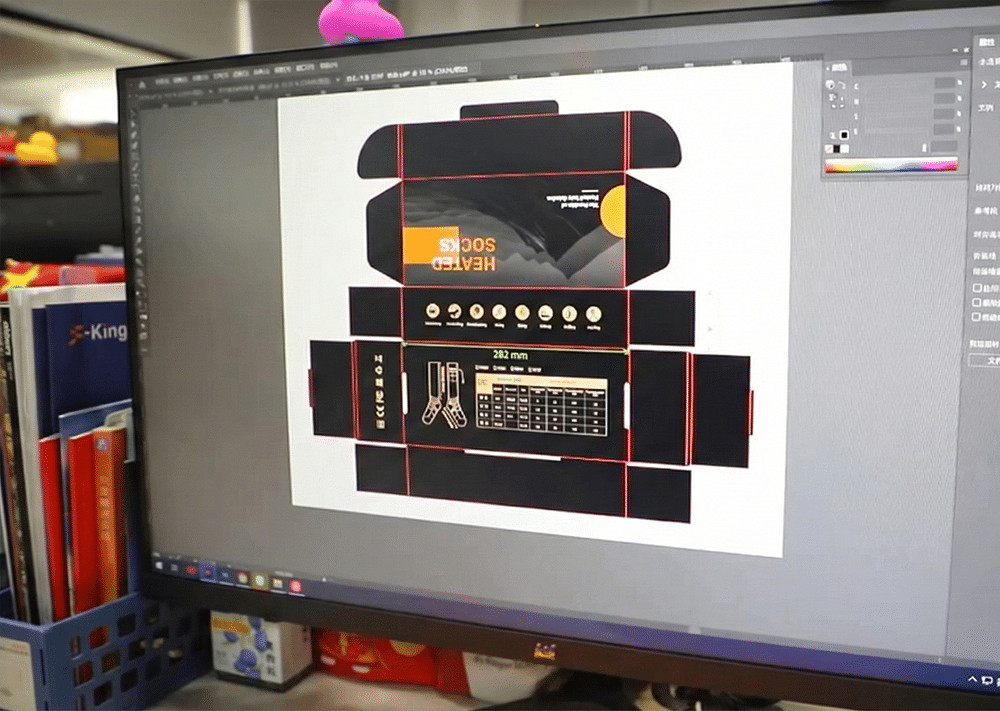
Why Unit Cost Is Largely Determined at the Design Stage
Unit cost is mostly constant in the design as the structure, materials, and tolerances establish the baseline of each further production process. When these elements are selected, manufacturing teams are forced to move in only a limited manner without either redesign or quality sacrifices.
Early decisions commit parameters such as material use, set up times, complexity during assembly and scrap rates. Even the most efficient factories can find it difficult to make up the lack of thinking when it comes to poor design decisions. Automation and skilled labor can increase the throughput, but will never be able to cover the actual lack of efficiency that has been designed into the package.
The table below summarizes the important design consideration factors, and their direct unit cost influence:
| Design Factor | Unit Cost Impact |
| Structural complexity | Higher labor and assembly cost |
| Material specification | Raw material cost |
| Tolerance control | Rejection and rework rate |
| Design stability | Process efficiency |
When these are optimized in the early stages, it results in more predictable production and less resource intensive, translating to significant per unit savings which increase with volume.
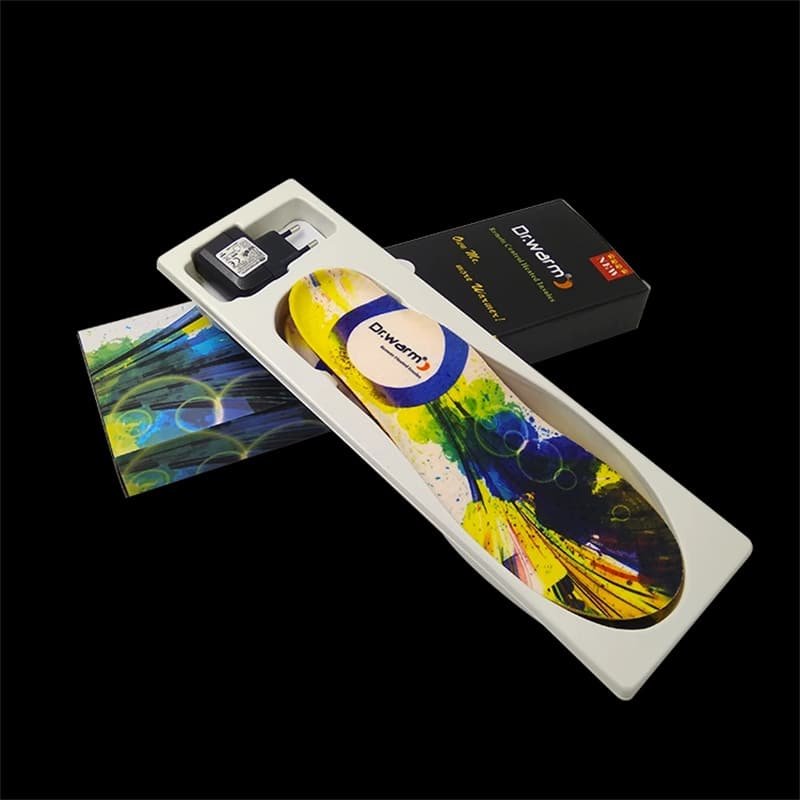
How Packaging Structure Influences Cost Per Unit
Multi-step unit costs scale nearly always lower due to simplified packaging designs since fewer people are required to work at the packaging machine, less setup time is required, and the line may move faster.
Complex designs, or excessive folds, interlacing designs, and multi-parts make assembly time more complex and develop need of greater operator mastery. They also make variability greater with small differences in folding or gluing being more detrimental to defects. Structural optimization, in its turn, simplifies the production process and minimizes run-to-run differences in costs.
Think of such typical structural options and their impact:
| Structural Choice | Cost Effect |
| Excess components | Higher assembly time |
| Tight tolerances | Increased defect rate |
| Redundant layers | Material waste |
The trimming down of unneeded aspects or standardization where feasible directly reduces both direct and indirect expenses.
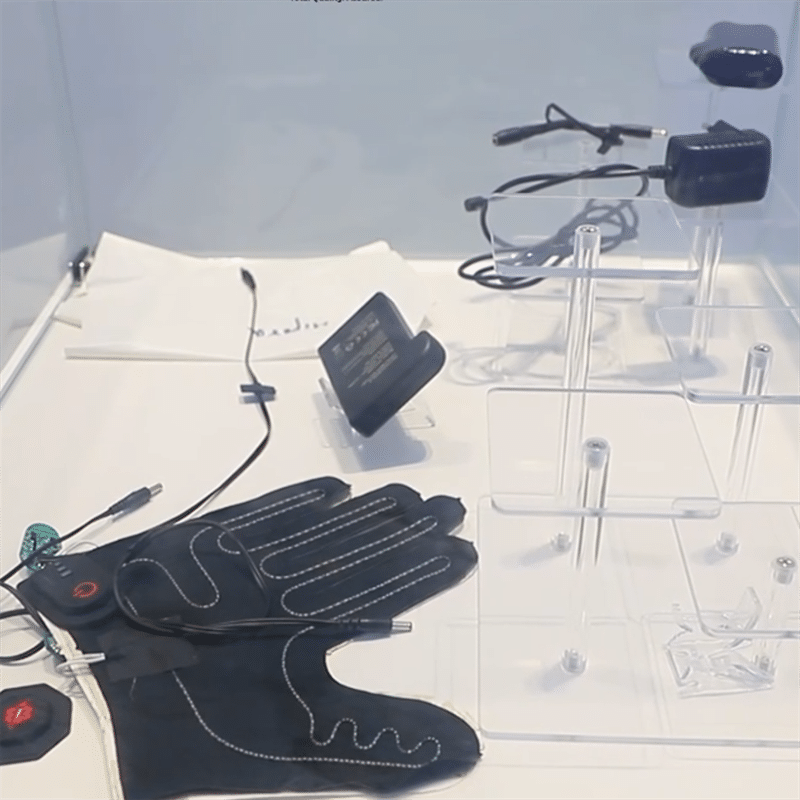
Material Selection and Its Long-Term Cost Implications
One of the largest contributors to unit cost is material choice, though lowering the overall costs does not necessarily correspond to using lower cost materials.
- On the lower grade sorts of materials, there is usually a high variance of behaviour in high-speed production, resulting in jams, misfeeds or increased scrap rates, so that any antecedent savings is lost.
- Materials that are unstable in terms of dimensions cause higher rework and rejects particularly on automated lines.
- The volatility in supply chains is important, as single material sourcing (or unstable sourcing) will lead to changes in prices or supply at any time and will interfere with predicting costs.
Choosing materials with a compromise between performance, consistency and reliability in sourcing typically provides superior long term unit economics as compared to the pursuit of the lowest spot price.
Manufacturability: The Hidden Driver of Cost Reduction
The largest sustainable unit cost reduction leveraging in packaging is manufacturability. Optimized designs based on real-world production processes minimize manpower needs, cut down surges and provide increased throughput with little initial capital input.
It is all about repeatability of such that, once a package can execute an operation repeatedly with minimum modifications, the cost will stabilize and reduce as the volume of each operation increases. The gains of short term Pricing made with suppliers are short lived when the design entails periodic interventions or quality hold.
Packaging design focused on cost optimization—in the form of die-cutting efficiency, gluing points and compatibility with machine establishes structural benefits which can be sustained over time through production cycle. This strategy is much more important than price-cutting offers.
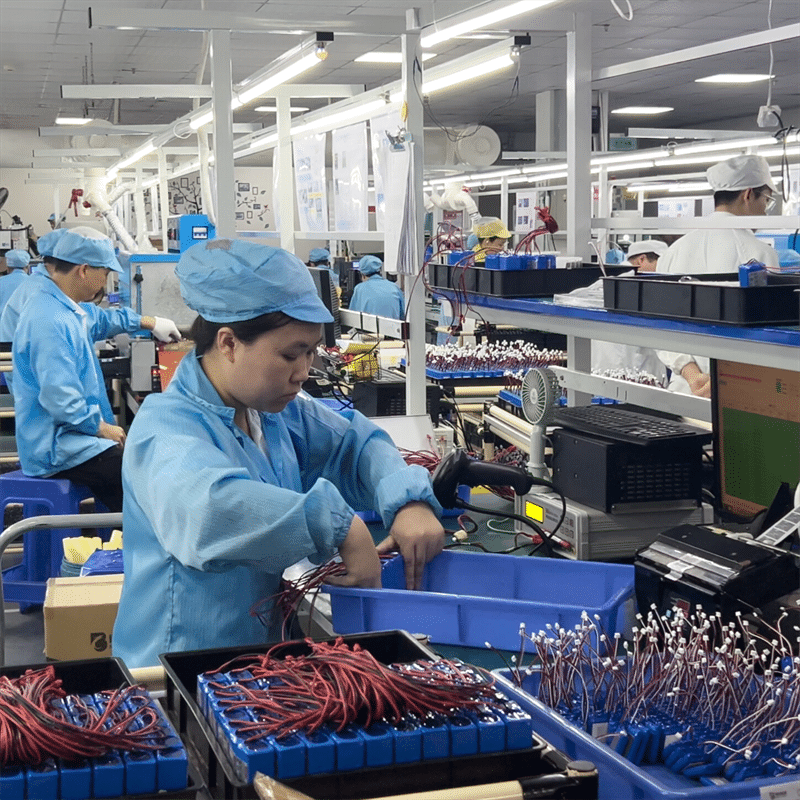
Why Cost Savings From Design Are More Sustainable Than Price Negotiation
Price cuts that are negotiated tend to be short-lived. Suppliers are struggling with fluctuations in raw materials, labor or capacity constraint and the prices are being transferred. Design-driven saving on the other hand are incorporated into the product itself.
An organized package with right material and tolerances will ensure that the cost does not increase with each cycle. These are gains that build over time-less scrap, line throughput is also increased; the line stops are also reduced; they withstand any external forces such as inflation or a change in supplies. The cost optimization should be structural, as opposed to transactional in order to provide sustained effects.
Common Cost-Saving Myths in Packaging Design
There are a number of common misconceptions that bring the brands into the dead end on the quest to manage packaging expenses.
- Cheaper inputs will always cost less– The fact of the matter is- Intermittent or unreliable material will often increase waste, defects and downtime and this will escalate the actual unit cost.
- None of the cost issues are solved with automation – Automation makes the problem of cost a non-issue – The design ought to be manufacturable: bad design decisions can cause automated lines to become unreliable, or inefficient.
- Samples are an accurate reflection of the true unit cost Prototypes and small runs conceal economies of scale–the amortisation of tools, set up time, yield improvements are not observed until quantities of production are reached.
- It can occur once the product is launched – Once the product or service has been launched, cost reduction may become involved, such as re-tooling, confirmation process, and supply chain loss, which is much costlier than managing problems during the initial design stage.
Conclusion — Unit Cost Reduction Starts With Design Discipline
Picture packaging design lowers unit cost by simplifying structure, stabilizing manufacturing and facilitating repetitive production, and therefore design discipline is the key to sustainable cost optimization.
Environment- Staying efficient in manufacturing is significant, but it works within the limits of design. Brands that are built on the principle of manufacturability, consistency of material and structural simplicity and simplicity allow a low and predictable unit cost which stand the test of time. This strategy separates quick-fix management of prices and real scalable savings.