
Introduction — Why Temperature Control Is the Heart of Heated Apparel
The temperature control is not an option in heated apparel, it is the feature that makes the entire system practical in the real world. You can’t go out without it and you are either sweating through your jacket on a hot day or shivering with the cold now that the heat is too low to have a blizzard. Being a twitcher of these systems to suit winter gear over the years, I can say that it is as essential as the batteries or heating components themselves. It is a power controller that maintains the flow of power to ensure that things are constant, safe, and efficient and avoid burns or battery wastage. Considering pulling on warm gloves when you are on a ski run: A good lever enables you to turn the heat up on lift without dropping things, or to turn the heat down in the middle of the run so your hands don’t get sweaty. Certifications such as CE and FCC certify that these controls are safe, and the best part is that they can be customized to your needs, be it when you are out hunting in the wilderness without making noise or in severe weather when you are at work.
How Temperature Control Systems Work (Simple Technical Breakdown)
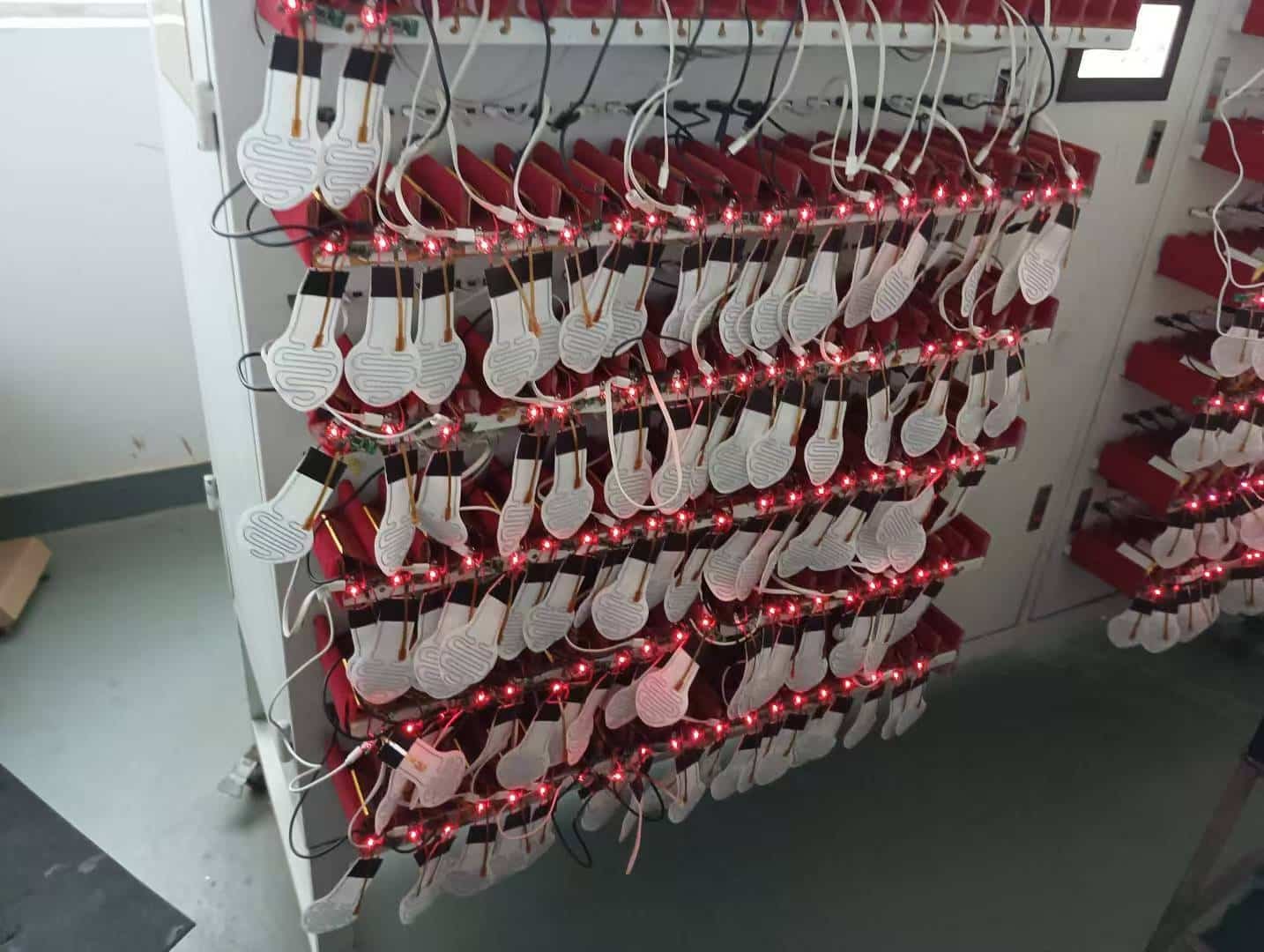
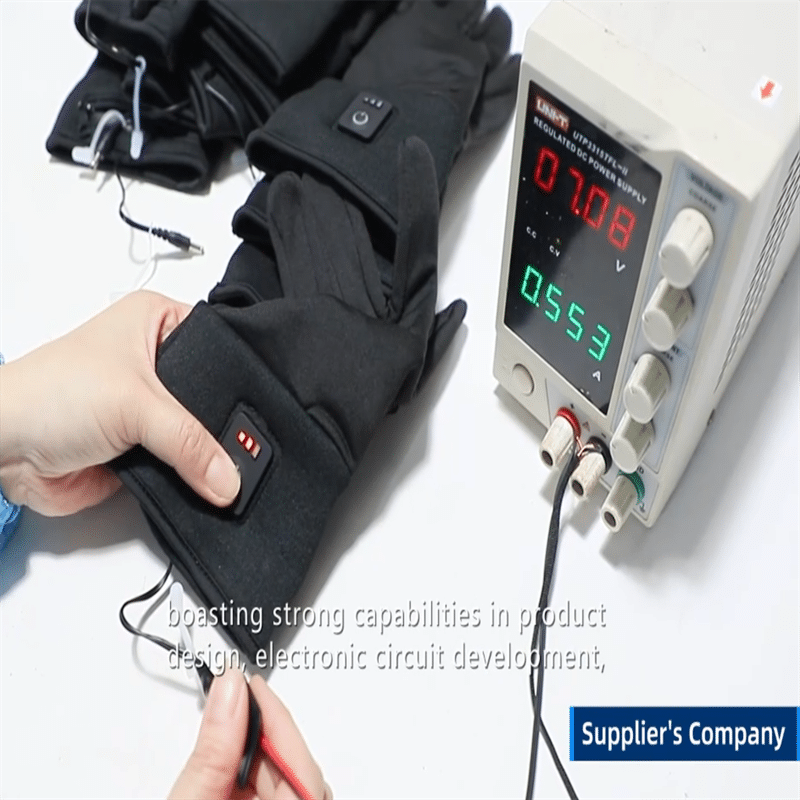
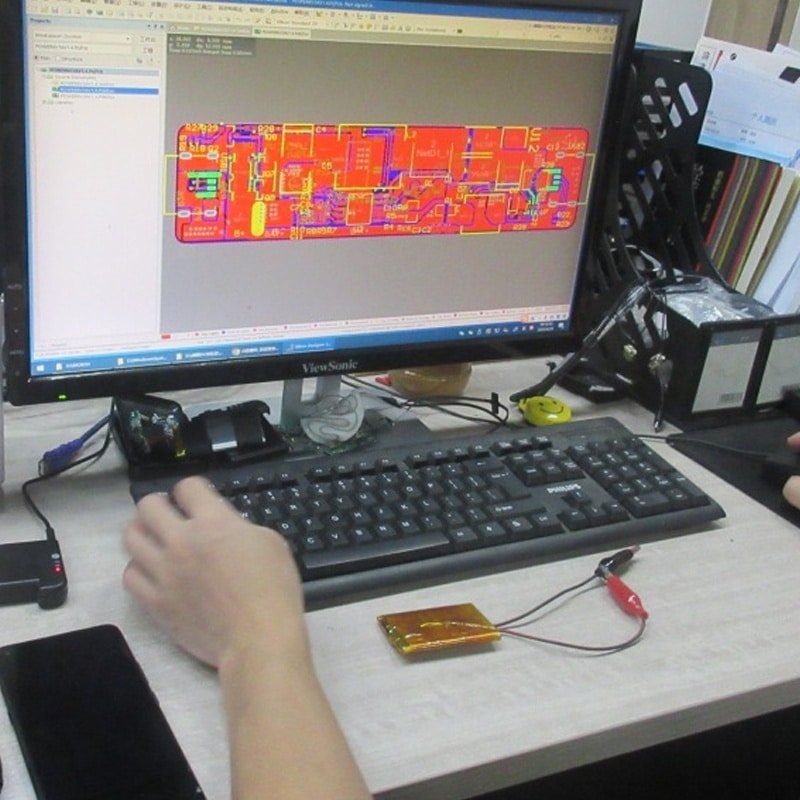
In essence, the technology of temperature regulation in heated clothes involves a microcontroller mounted on a printed circuit board (PCB) that controls the amount of voltage and current delivered to the heating coils. The reasoning is simple: Sensors check the temp of the element, and the chip regulates power through modulation -pulsing electricity to keep the levels at set points without necessarily operating the full draw. This output fine-tuning is achieved by this voltage modulation, typically PWM (pulse-width modulation), and a simple feedback loop provides stability.
Multi-level adjustments are important since one-size-fits-all heat is not effective because low heat can be used to boost circulation and high heat can be used when the weather is very cold. This avoids hotspots in my designs of heated socks, which cycles the power with an accurate drawing of thermistor data. It is no magic but effective work of engineering that will conserve the battery life and make it more comfortable, and it will be RoHS-compliant with material safety.
System Type #1 — Three-Level Switch (Low / Medium / High)
How It Works
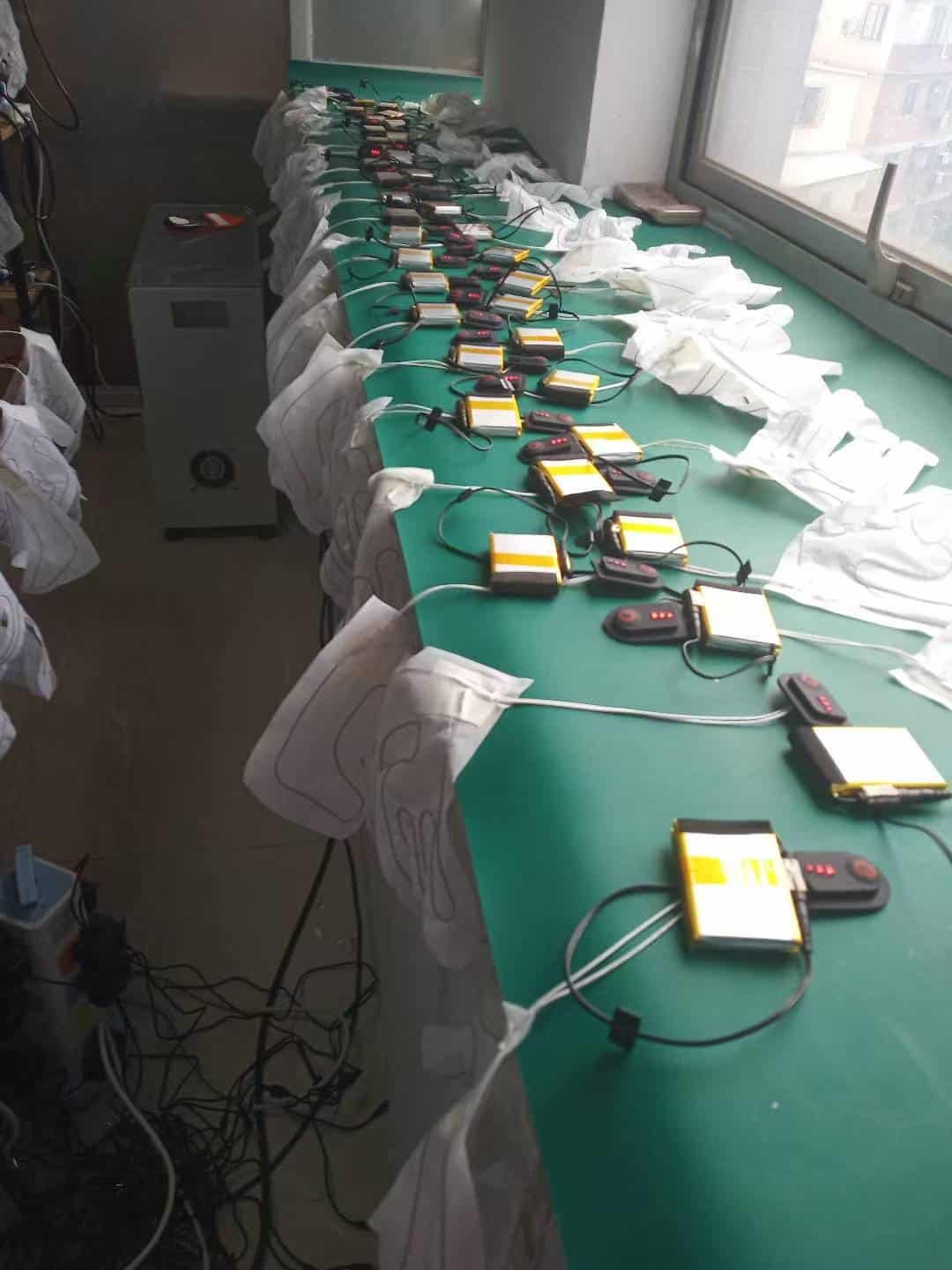
The simplest configuration is a three-level switch: a button switches between low, medium, and high through the PCB, which switches the voltage to the elements, e.g. 30 percent in the low case, 60 percent in the medium case, 100 percent in the high case. No wireless fanciness, it is hard-wired and reliable. For a deeper technical view of the system, see our temperature control circuits in heated wearables.
Advantages
It is rugged and simple, with no apps to crash and remotes to misplace. It can be placed on a cuff or a side to be glove-friendly and low power consumption doubles battery life in simple heated clothes.
Limitations
Accuracy is missing–you are taking great leaps, rather than fine adjustments, and these might result in excessive insulation in shifting circumstances.
Best Use Cases
Ideal for daily commuting or for the commuter hiking where you simply need quick exchanges without technological interruptions.
System Type #2 — Remote Control Heating Systems
How Remote Controls Communicate with Heating Units
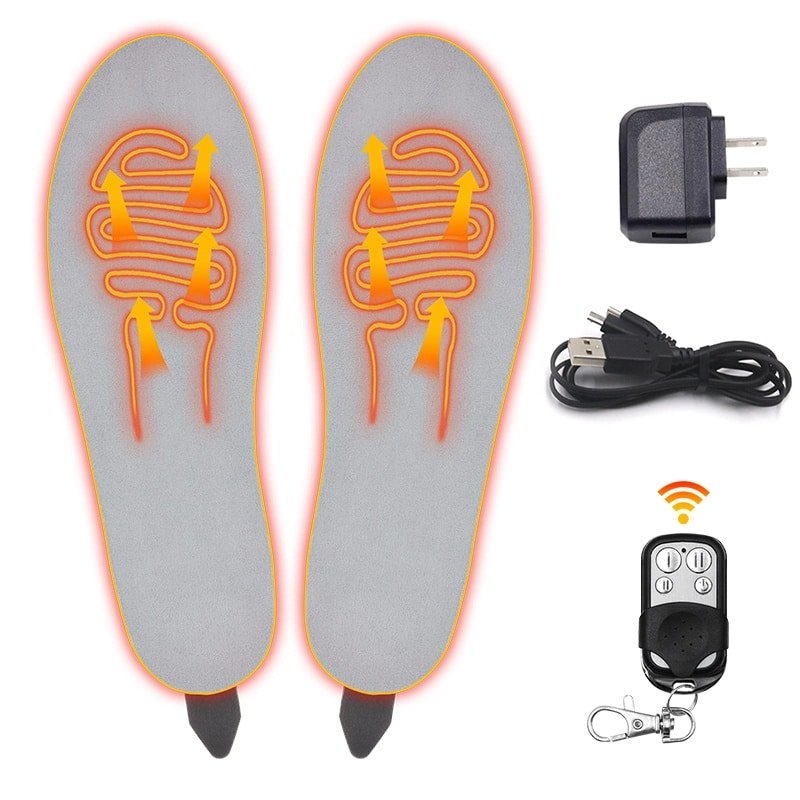
The remotes transmit radio frequency (RF) signals to communicate with the receiver module of the apparel transmitted commands within a range of 10-20 meters with a low latency. The PCB decodes them to modify the modulation, whereby LED indicators may provide feedback.
Advantages
Also hands-free pleasure; you can switch the settings without taking off gloves, and this is suitable in active use. The draw of battery is low as it is not always connected.
Limitations
Weather or equipment interference can glitch signals and adding a step by pairing remotes. And additional batteries on the remote.
Best Use Cases
Skiing when you are bundled up, or motorcycle riding when you need to make changes on the fly.
System Type #3 — APP-Controlled Smart Heating Systems
How APP Control Works Technically
Bluetooth chip connects your phone to the microcontroller in the apparel, with firmware that regulates proportionally-integrally-derivatively–PID-like-logic that predicts changes in temperature. The voltage is dynamically adjusted according to inputs of the apps, with sensor data in real-time. For brands exploring APP-controlled smart heating systems, this approach supports precise temperature regulation.
Advantages
Final accuracy: Develop precise settings, develop settings, check battery. Auto adjusts with weather apps.
Limitations
Either has to charge the phone and have a stable Bluetooth–cold may weaken signals. Constant comms increase the amount of power consumed.
Best Use Cases
Sporting uses of data such as performance snowboarding to create data-driven warmth, or industrial work monitoring utilization.
Safety Features in Modern Temperature Control Systems
The current-day controls are designed with protective features such as temperature limit controls up to 150degF to prevent burns and to automatically turn off after 2 hours to save electricity. The PCB has short-circuit detection that stops flow in case of wires faulting, and battery over-current protection that averts overloads. These are linked to UL and UN38.3 qualifications of dependable functioning. These features saved equipment in my case of heated jackets, which were used in a rainy hunt when they became wet, causing the equipment to go off before it could get damaged. Believe me, they are not gimmicks, they are necessary to real life safety.
Comparing APP vs APP Remote vs Three-Level Switch
Ease of Use
Three-level switches are the winners in terms of plug-and-play: no applications or matching. Remotes are a convenience of gloved hands, whereas APPs are suitable to tech-savvy users requiring customization, but require time to set up. You can also compare APP vs remote control to choose the right user experience.
Precision & Control
APPs are fine-tuned to the degree, Remotes are simple to step, and switches are simple but infallible. APPs are also good in changeable weather in case you want temperature control in your heated clothing.
Reliability in Harsh Conditions
No signals to lose in snow or wind–switches are most difficult. Remotes are easy to use and glitch in freezing rain, APPs just can’t use Bluetooth in -20F extremes, as I have witnessed in field testing.
Battery Efficiency
Switches consume the least power- no wireless leakage. Remotes will add minimum, whereas APPs will demand more in terms of constant syncing, reducing the runtime by 10-20%.
Choosing the Right System for Your Activity
Skiing & Snowboarding
Remote or APP to make quick changes on the move-remotes do not cause distractions on their phones during runs.
Hunting
APP/silent ops switch; remotes could cluck too loudly in forest places.
Outdoor Work
Three-level automated switch to rugged reliability or APP sensors to monitor extended shifts.
Motorcycle Riding
Distant glows- adjust without rocking back, ideal with gloved hands on the move.
Everyday Urban Use
The three levels are good enough–just basic comfort when waiting or walking in the bus.
Future Trends in Temperature Control Systems (2026 & Beyond)
In the future, AI-enhanced algorithms will forecast necessities basing on motion and climate self-balancing areas in jackets. Smart sensors will be able to evolve on the fly, such as PID evolving to machine learning to be efficient. App linked optimization may be used to add 30 percent to battery life, and heating can adjust itself – think gloves warming fingers more in wind. Improved waterproofing controls will deal with slush, according to new FCC regulations. These trends will be the promise of gears that will think before, such as warming up in advance before a hunt in my prototypes.
Final Recommendation
APPs are also ideal with precision users in sports, remotes with hands-free mobility such as riding, and switches with simplicity on a budget in everyday life. Listening with control tech and elements- it is what makes heated garments practical. To see how temperature control systems work in heated apparel, review the full system breakdown.