
Introduction — Why MOQ, Cost, and Lead Time Are Crucial in Heated Apparel Projects
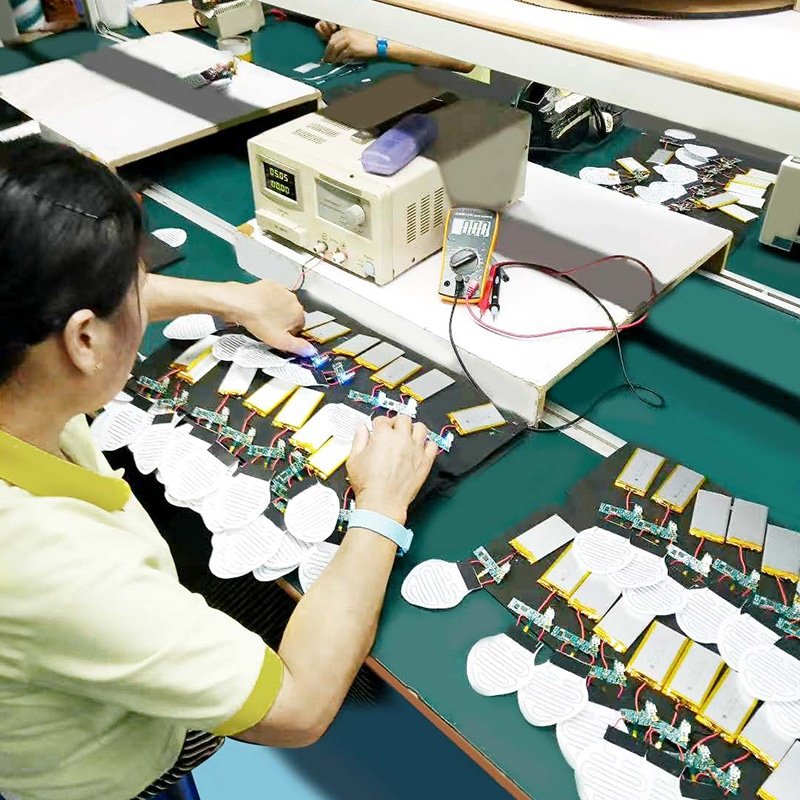
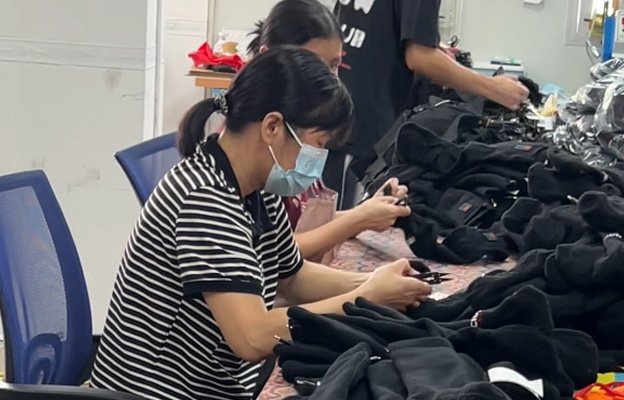
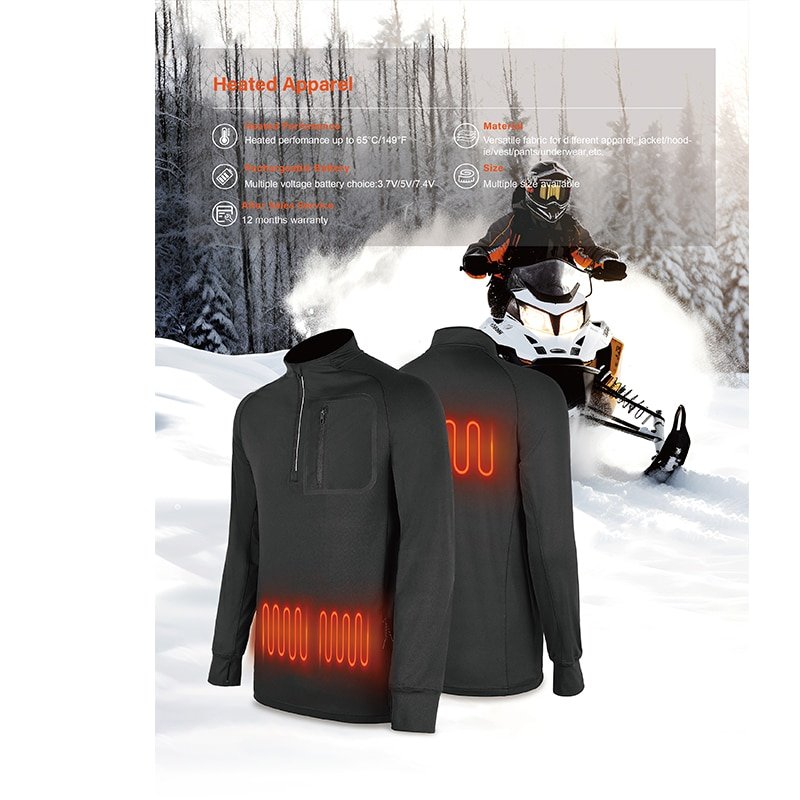
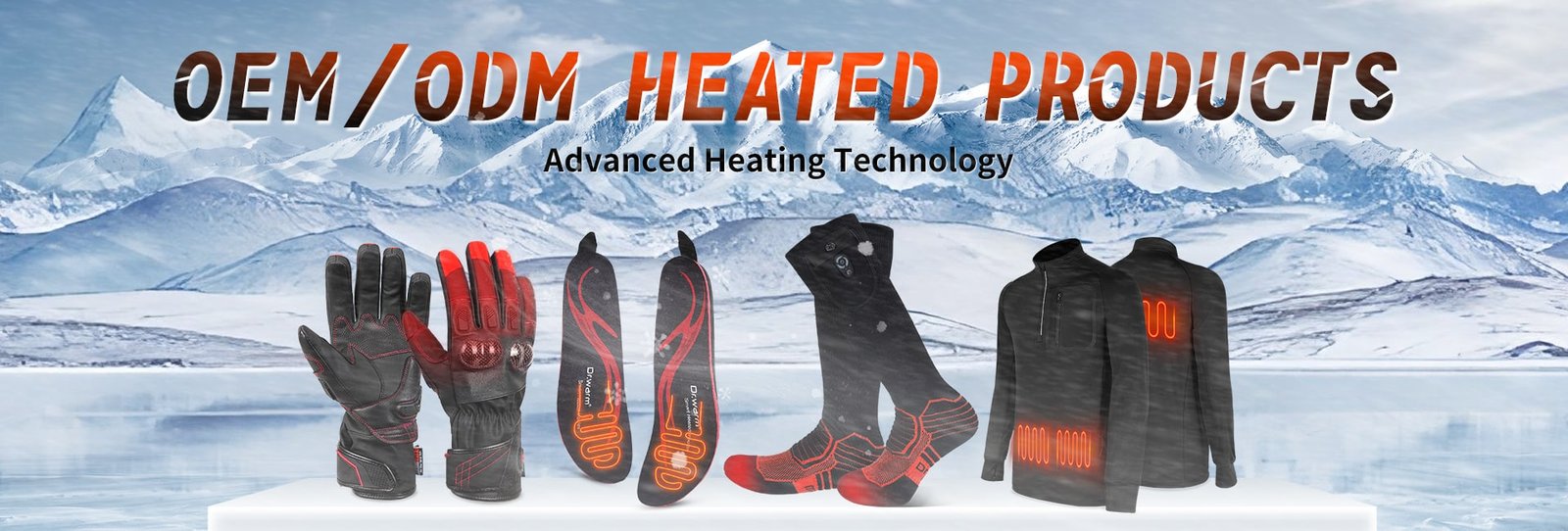
It is not a case of ordering any type of clothing and heating it, but rather a combination of textile production and electronics production, which presents special issues in MOQ, pricing, and schedules. I have worked as a sourcing consultant of more than 15 years and assisted brands to navigate their way through Chinese factories, which is where these factors can either succeed or fail a project. Heated clothing is a combination of complicated elements such as battery packs, heating devices and controllers, which must fit into fabrics and insulation without being noticed. This complexity increases the cost of the certifications and testing, lead-times, with its specialized procurement, and higher MOQs to offset the cost of set up of custom molds or PCB designs. Our experienced team provides full OEM/ODM services to help brands navigate these challenges successfully. Misjudge them and you either get stalled, overrun costs, or you get sub-par products that cannot perform in the field such as a ski glove going cold half way through the run because of improper integration of the battery. However, dealt with in full awareness and you will get quality equipment that either has safety certification such as CE or UL and will end up with trustworthy equipment that will keep you warm and dry.
Understanding MOQ in Heated Clothing Manufacturing
Minimum order quantity, (MOQ), is the least amount of units that a factory will make in order to be able to cover the cost of the machinery setup- it is not arbitrary but is related to the complexities of the heated clothing manufacturing process. In my experience due to sourcing outdoor brands, the MOQ of heated clothing would tend to be higher than regular clothes due to the requirement of batch-testing electronics and ordering more specific components such as lithium batteries.
Why MOQ Exists for Heating Systems
Heating systems: since carbon fiber elements or films must be custom-weaved or printed, and PCBs to run the system have to be soldered in unswerving lines, special production is necessary. Suppliers, usually Li-ion, with BMS, package batteries in bulk, where both the required minimum order and the unit cost are maintained low, say 5,000 cells. They are amortized in factories on your order; little runs cost money. As an example in a scenario involving a cost of manufacturing heated gloves, the wiring integration setup would cost 2000 dollars initially, which is non-economical when the quantities produced are low without increased prices.
MOQ for Different Product Types
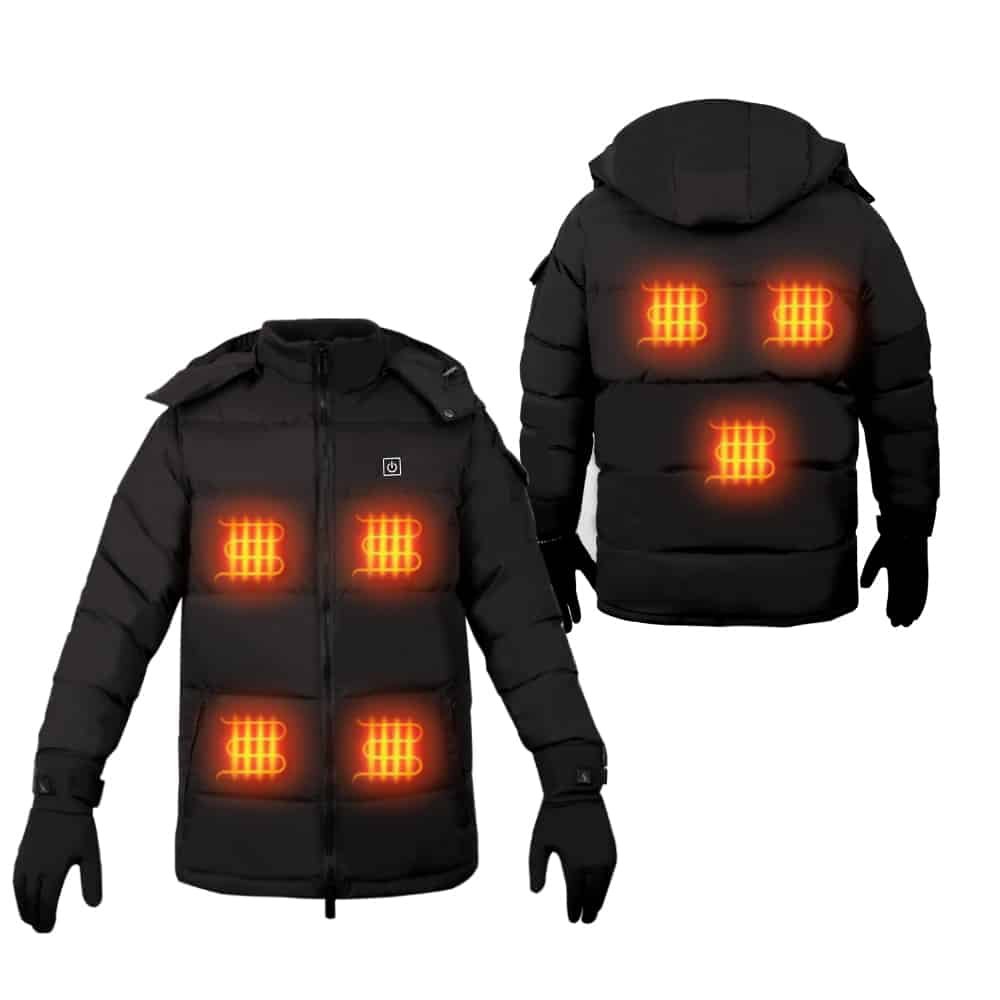
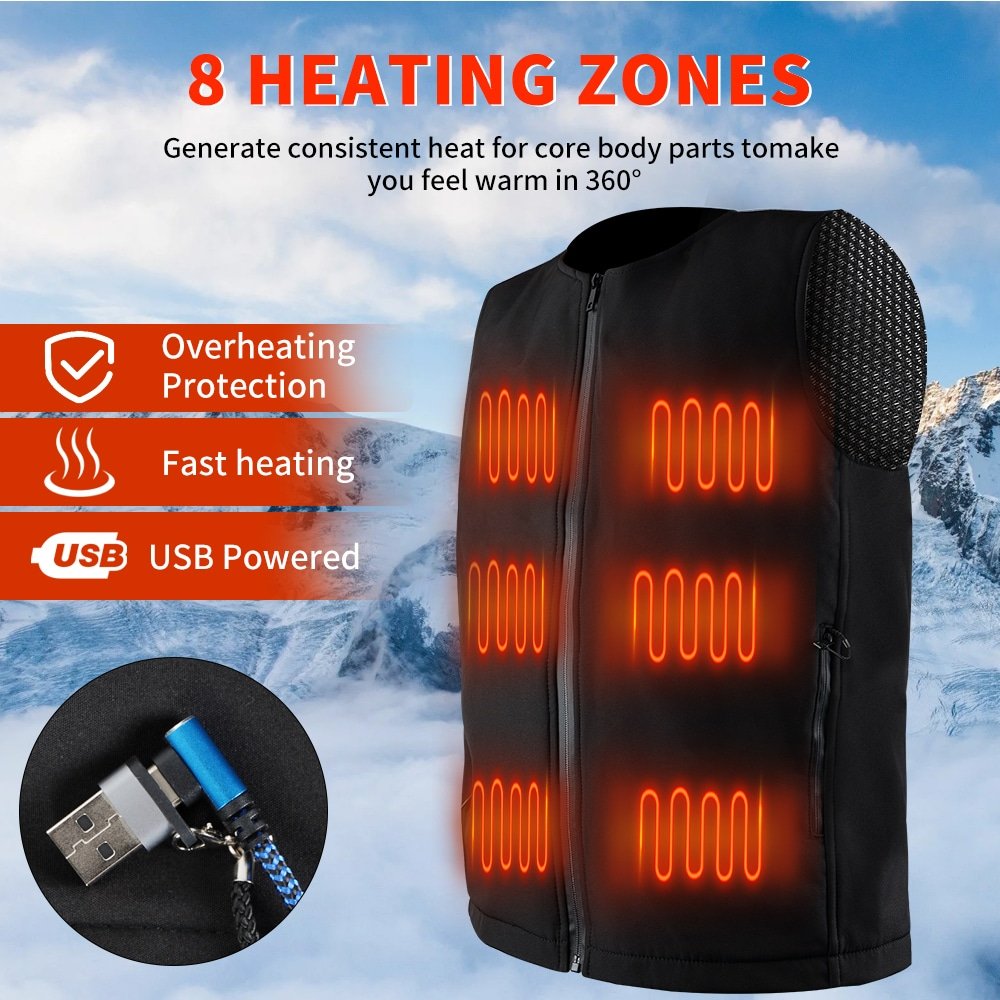
The minimum quantity of orders depends on the complexity of items: Since the fabric cuts and the ability to heat in different parts require larger scales, heated jackets could be 500-800 units, whereas heated socks or insoles are simpler and could have a 300-500 minimum quantity order. We support lower MOQ entry points for custom heated insoles when using existing modules and standard components. The costs of the gloves can easily reach 600-1,000 due to complex wiring of the fingers. For brands interested in custom heated gloves, understanding these MOQ realities early helps set realistic project expectations. Vests, which are core-oriented, could permit 400-600. Based on the ski brand projects, jackets were more likely to have MOQs that were higher in order to justify custom insulation patterns such as the Thinsulate panels.
Component-Level MOQ (Hidden MOQ)
Do not disregard supplier hidden MOQs: Fabric rolls (such as 1,000 meters of waterproof nylon), or insulation (500 sheets of fleece) compel factories to buy large quantities, which you cross. Battery cells may take 2000 units, PCB 500 boards. In a practice related to custom heated apparel cost breakdown, a glove order that had a 300-unit minimum order quantity had increased to 500 units to satisfy a wire harness minimum order quantity, without incurring extra inventory expenses.
When MOQs Can Be Negotiated
During off-season (spring/summer)-factories reduce to 300 units to go through with lines. An existing molds or modules cut setup such as the re-use of a standard 7.4 V battery design. Repeat customers tend to reduce the hurdle, I have been able to cut 20% off on the repeat customers with the offering of jackets.
Understanding the Cost Structure of Custom Heated Apparel
The price of hot wear is not only materials, it is a complex network of supply chain factors in which electronics represent 40-60 per cent of the prices. Being a master on OEM heated jacket pricing, I have broken down quotes that display how decisions would trickle down to amounts.
Cost Driver #1 — Heating Elements
Carbon fiber costs $5-10 per unit heat and durable, graphene film costs $6-12 per unit efficiency but thinner and wire costs $2-5 per unit less flexible. Complex zones add $2-3. Carbon fiber pushed up the price of heated gloves manufacturing by 15 percent but decreased the returns due to breakage.
Cost Driver #2 — Battery System
Li-ion with BMS prices 7.4V 2000-4000mAh are $8-15, 5V 2000-4000mAh are $4-8, and 12V high-power are $12-20 expensive, yet resist intense heat. Custom molds add $500-2000. We specialize in developing reliable custom battery packs optimized for heated apparel performance and safety. In the case of battery heated clothing manufacturing, the more the voltage, the more expensive the cell, but the more efficient in cold.
Cost Driver #3 — Fabrics & Insulation
Shells: softshell or leather shells: $5-15; Thinsulate or fleece: $3-8. TPU waterproof membranes increase costs by 2-5. One workwear vest that has a reinforced leather hit a materials price of $25.
Cost Driver #4 — Temperature Control System
Simple three-tier switch 2-4 remote 5-8 app control 10-15 including Bluetooth modules. App dev can add $1000-3000 in R&D. Our expert PCBA design team ensures efficient integration of heating systems, controllers, and battery management from the earliest stages.
Cost Driver #5 — Certifications
CE/FCC/RoHS/UL/UN38.3 testing cost 2000- 5000 per model including compliance modifications. Cutting corners saves in the short-term but causes market blockages.
Cost Driver #6 — Tooling & Development
ODM sample costs $500-2000; custom pocket molds cost $1000-3000. Routing time is an additional cost of $1000+. Our in-house mold development capabilities help control these tooling expenses and accelerate timelines for OEM projects.
Cost Driver #7 — Packaging & Branding
Custom boxes dollar 1-3/unit; labels/manuals half a dollar. Branding increases eco-substrates.
Expected Cost Range Examples
Gloves: 20-40/unit (plain) 50-80 (fancy with application). Jackets: $40-70 (OEM) to $80-120 (ODM custom). Explore our custom heated jackets solutions to see how these factors translate into real-world pricing and flexible MOQ options. Socks: $15-30. These are generic; at 1000+ units scale reduces by 10-20%.
Understanding Lead Time (Development + Production Timeline)
The lead time of the heated clothing is 8-16 weeks as opposed to the regular apparel because of testing of the electronics.
Phase 1 — Development & Sampling (2–6 weeks)
Tech pack to PPS–prototyping, 2-3 weeks, revisions 1-3 more. Tailored apps were integrated into a glove project to take 5 weeks.
Phase 2 — Material Procurement (2–4 weeks)
Obtaining batteries or fabrics-high season postpones insulation. UN38.3-certified cells took us 3 weeks to come.
Phase 3 — Mass Production (4–6+ weeks)
Cutting/sewing 2 weeks, electronics 2-3. This is accelerated by high MOQ; small runs are held up.
Phase 4 — Testing & Quality Control (1–2 weeks)
Complete tests such as waterproofing are time consuming. An additional week of FCC adjustments was required on a jacket line.
Phase 5 — Shipping Timeline
Air 1 week ($5-10/unit), sea 4-6 ($1-3). Peak (Sep-Dec) contains customs delays.
How MOQ, Cost, and Lead Time Interact (Supply Chain Logic)
Reduced MOQ increases price per unit–divides fixed tooling among fewer units. Increased MOQ reduces batch efficiency production. Elaborate systems such as apps controls have long lead times to develop but reduce costs with scale. Certifications will increase the upfront workload by 2-4 weeks, but facilitate easier exports. In logic, balance: A 500 unit order of gloves was 20 percent more expensive than 1000 but was shipped at a higher rate during off-peak.
Common Problems If MOQ/Cost Expectations Are Unrealistic
Low MOQ causes unstable supply of batteries, which threatens performance through substitutions. Hotspots are brought about by uneven heating due to hasty manufacturing. Cost reduction material substitutes undermine waterproofing. Weak QC budget cuts tests, calling in failures. The factories decline when the expectations are not met which occurred in a vest project with unrealistic 200-unit MOQ.
How Brands Can Reduce MOQ, Control Cost & Shorten Lead Time
Use Existing Heating Modules
Use setups of stock carbon fiber -reduces dev time by 3 weeks, reduces cost 10-15%.
Choose Standard Batteries
7.4V off-the-shelf eliminates custom molds shortening lead time by 2 weeks.
Start With One Color & Limited Sizes
Reduces fabric MOQ, hastens procurement.
Avoid Off-Season last-minute orders
Combine spring sampling plans with winter beat-ups.
Red Flags When Choosing a Heated Clothing Manufacturer
Very low MOQ + prices are cries of cut corners, such as untested batteries. No certifications are in danger of seizures. Lack of testing equipment translates to low quality control. Quotes that are not similar to samples point at bait and switching. Vague docs hide issues. Get these early before the headache.
Final Recommendation — What Buyers Should Expect When Customizing Heated Clothing
MOQs to be 300-1000 units, component batches, negotiate off-sea or standards. True cost: 20-120/unit, factoring, batteries, and certs- electronics power 40%. Normal schedules: 8-16 weeks, dev and testing increase that. Best practices: Specify specification clearly, test sample strictly and cooperate with certified factory to prevent wastage of time and money. Get supply chain logic expectations under control and you will be releasing credible warm-up clothes that works.