
Introduction — Why Heated Apparel Demand Is Rising Rapidly
The rise of the heated apparel has been tremendous over the past few years and it is no longer seen as a special device but a very crucial item that any person must have during harsh weather conditions. Having been analyzing the markets of winter sports and workwear over a decade, I personally witnessed this boom- according to the data provided by the industry analysis of Statista and Grand View Research, the global sales of winter sports and workwear are expected to achieve a record high of $2.5 billion in 2026, which is nearly twice as much as their level in 2023. The impetus is due to the post-pandemic outdoor booms of people returning to skiing, hiking, and even cold-weather commuting, and technological advances in batteries and controls, which have made heated clothing more consistent and convenient. Climate changes have increased the demand, and customers are now demanding a gear that fits in their every day lives, such as smartjackets to keep construction workers or urban workers warm or a heavy weather vest to keep construction workers warm. This gives buyers a greater range of choices but also the difficulty of wading through marketing to locate commodities that have already been verified as possessing features such as overheat protection that are safe. In winter sports, the use of skiing heated gloves is getting out of hand as ski competitors seek gear that would allow them to be dextrous even in below freezing conditions, and there is interest in using heated workwear in outdoor activity to remain productive in the freezing conditions. Knowing about these drivers enables the buyer to expect the next move, more intelligent and safer, more versatile, and smarter heated clothing in line with the shifting life styles.
Growth Driver #1 — Rising Participation in Winter Sports
Heated clothing demand is largely triggered by revival of winter sports where participation rate is increasing 15-20 percent yearly especially in areas such as North America and Europe, according to statistics provided by the International ski federation.
Skiing and Snowboarding Popularity
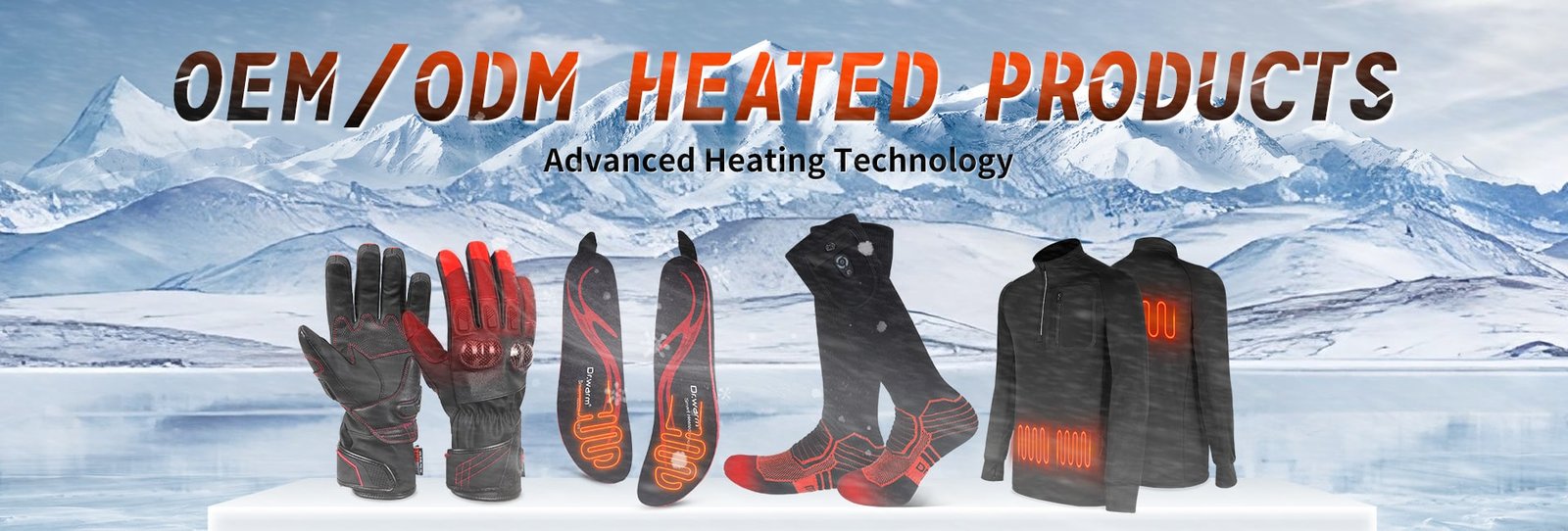
Skiing and snowboarding have experienced enormous booms, and resorts have reported high levels after 2020- think Vail or Whistler are the names of the resorts that are moving their numbers yet they fear frostbite. Heated skiing gloves are in the lead, with multi-level heating to a maximum of 140degF to keep the fingers pliant enough to grab poles or grabs. Our custom heated gloves are specifically engineered for these demanding conditions. Our brand, similar to others, such as Dr. Warm, have reported a 30% spike in sales of these as athletes have shifted to technology that helps them avoid much of their hands going numb when on a lengthy lift ride or hiking through the backcountry. The next demand is winter sports heated jackets, models are characterized by the ability to heat the zones, which increases the stability of the heat in the core and gives the opportunity to spend more time on the snow without breaks. Our custom heated jackets deliver zoned heating optimized for extended performance on the slopes.
Snowmobiling, Hiking, Ice Fishing Growth
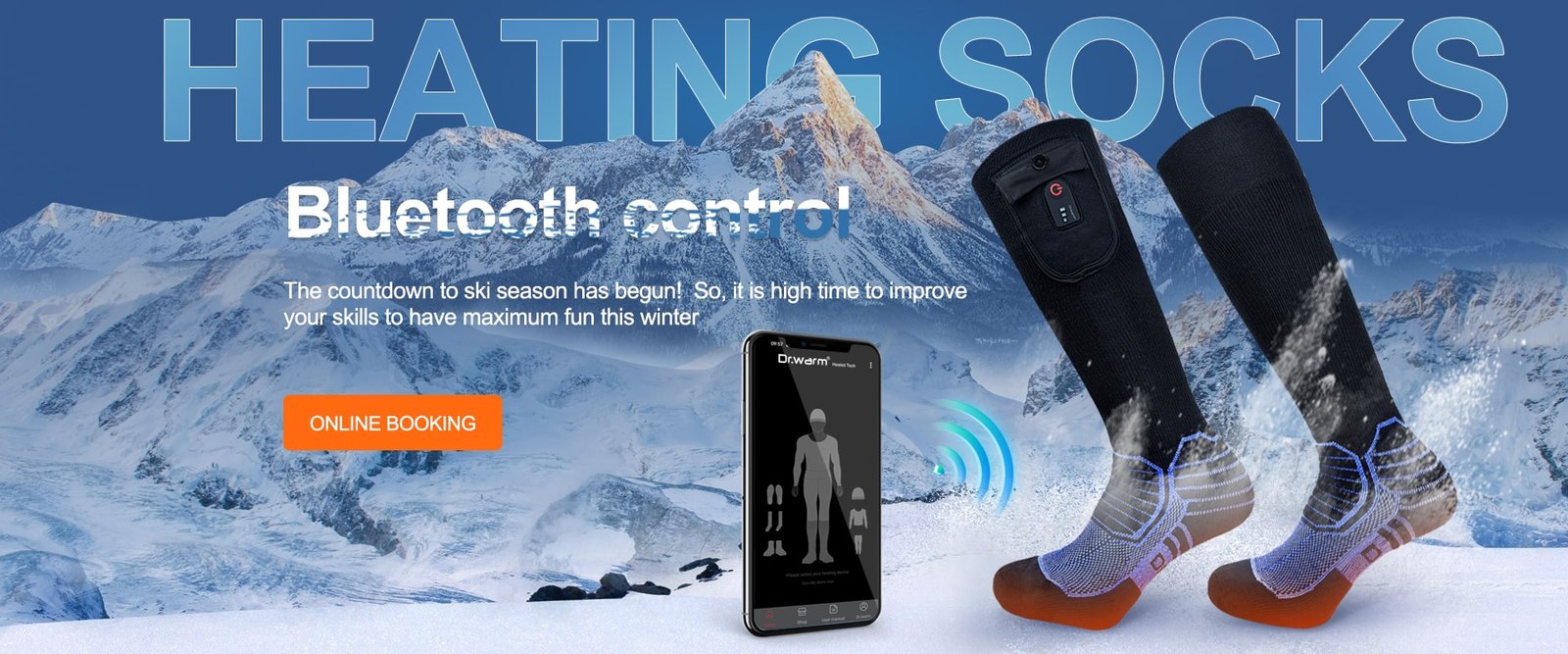
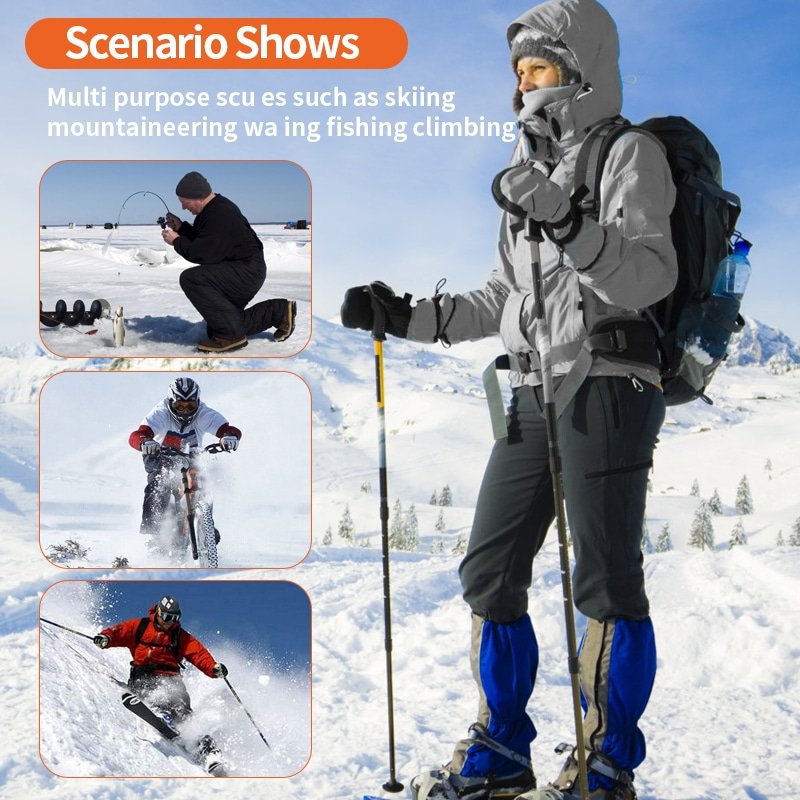
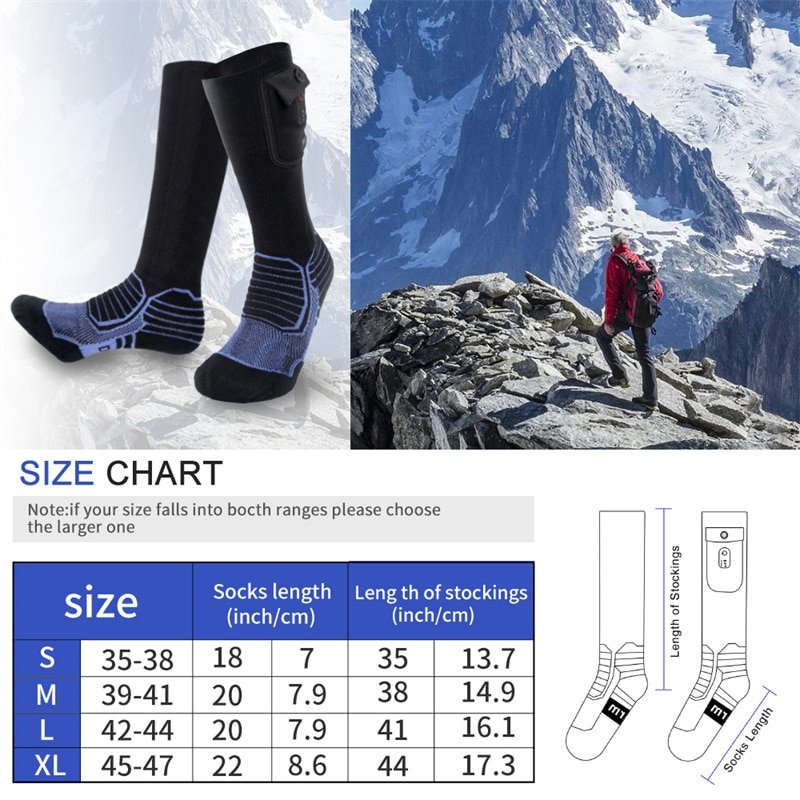
Besides slopes, snowmobiling and ice fishing are also thriving and according to U.S. Forest Service data, backcountry access permits have increased 25 percent. These demand tough heated work clothing that will keep them warm in the chilled wind such as vests with extended batteries to take 8-hour runs. Ice fishermen, at -20degF, enjoy the advantage of warm toes in a pair of heated socks, eliminating the chance of hypothermia — such toe-specific heating capability has made the socks a repeat purchase in the fishing world. Our custom heated socks are built for exactly these extreme low-temperature scenarios.
Performance Benefits for Athletes
The tangible advantages of heated apparel in sports are that improved blood circulation is creating faster reaction times and sustained heat is reducing recovery times. Competitive snowboarding involves the use of app-controlled jackets to adjust mid-run by the pro, improving endurance. Consumers need to seek the models with the CE certification to provide safety without reducing the mobility.
Growth Driver #2 — Expansion in Outdoor Workwear
Another hotspot is outdoor workwear, where industries such as construction and logistics are using heated gear to ensure that they continue to be productive when the cold snaps.
Delivery Workers and Couriers
Urban delivery jobs have blown up, with companies such as Amazon recording 40 percent more winter shifts where workers require to have gloves that are heated with the palm gripping properties in case they have to work in bad weather. Windproof shell jacket Heated jackets with windproof shell are widespread and can be worn with all-day comfort, providing mid-level heat (110-120degF).
Construction, Mining, Agriculture
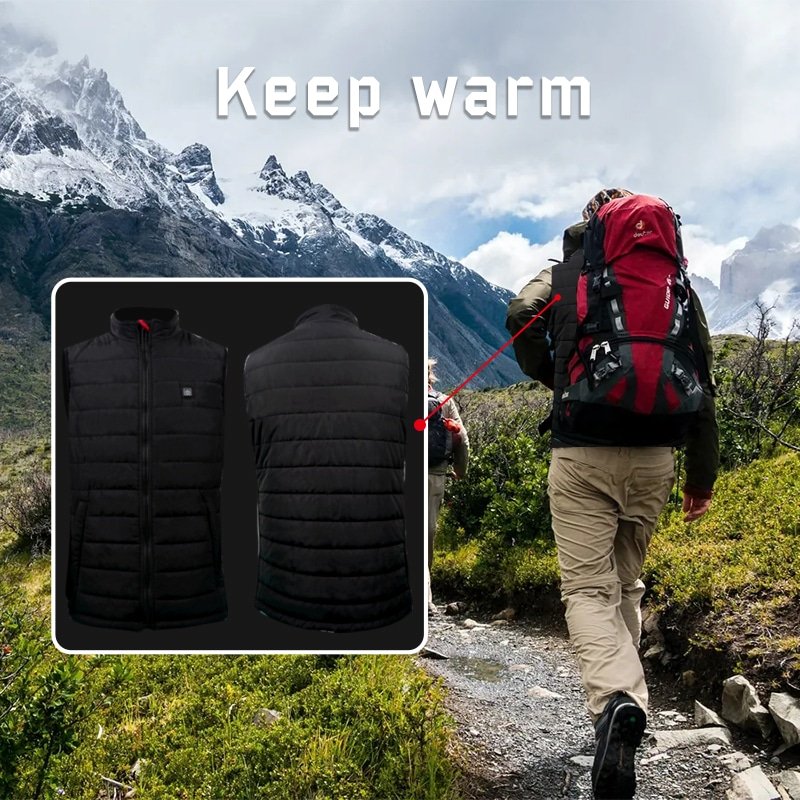
Such industries have a long exposure with the warmed workwear such as vests with 12V batteries offering constant body warmth of 6-8 hours long. Industry forums indicate that mining operations in Canada adopt pants that have heating on the knee area to curb stiffness of the joints. The reason behind this logic is durability, reinforced fabrics cannot withstand the tools and this increases the loss of design to robust designs.
Cold Storage & Freezer Workwear
In warehouses at -20degF, the demand of heated clothing is concentrated on base layers of the low-level constant heat to prevent sweat. Fleece-insulated vests are a staple, and this will increase employee retention- OSHA studies indicate that it is safer than cold-related injuries by 25 percent.
Growth Driver #3 — Major Advances in Heating & Battery Technology
Technological advances are driving the usage with new technologies making equipment more effective and easy to use.
Higher-Capacity, Safer Batteries
By 2025, it will have 20-30% higher capacity expectant batteries such as Li-ion 5000mAh cell packs, which last 8-10 hours, due to the smarter and denser cells and BMS. Our custom battery solutions incorporate these latest advancements for reliable all-day performance. Fast-charging (1 hour full) clothes are a trend in the field of heated apparel: it saves time spent by workers.
More Efficient Heating Elements
Graphene films are on the increase and have greater heating areas (goes up to 150degF) as well as 15 percent lower power consumption compared to wire. Our advanced heating element design is driving these efficiency gains in heated apparel. This will imply a trimming down of designs of gloves, like I have seen in skiers prototyping.
Smart Control Systems
By 2026, it is standard to have the zone control and auto-adjust implemented via apps, and the sensors will remove overheat. In case of vests, this reasoning will conserve battery by adjusting to body temperature.
Growth Driver #4 — Better Fabrics and Outdoor Materials
Fabrics are following suit and technology that covers waterproof, windproof, breathable membranes is becoming the new standard so that the heated jackets can deal with a blizzard without becoming clammy.
Waterproof, Windproof Innovation
TPU coatings and DWR coatings are mainstream that enhance warmed workwear on couriers who work in the rain.
Lightweight Insulation Upgrades
Thinsulate substitutes reduced weight by 20 percent making mobile equipment available to hikers-warmer and lighter.
Comfort + Mobility Improvements
Articulated forms in gloves increase flexibility, which is important to snowboarders who are holding rails.
Growth Driver #5 — Changing Consumer Behavior
Consumers are considering warmed clothes to be necessities and demand technological features such as customization applications.
People Expect More Comfort & Technology
This is connected with the growth of heated clothes– gloves with touchscreen tips to use in phones are hot sellers.
Integration Into Daily Life
Low-level heat in vests suit low-level walks like dog walks, to errands.
Lower Price Barrier Through OEM/ODM
Mass production reduces expenses by 15- 20 and high-quality features are available.
Growth Driver #6 — Private Label & OEM Heated Apparel Explosion
The trend of the use of private labels is booming, and outdoor brands such as Patagonia are extending into the heated lines through the ODM.
Outdoor Brands Expanding Into Heated Categories
Vests and socks added to the traditional items satisfy crossover demand.
Influencer / DTC Brand Adoption
DTCs such as Allbirds promote their products through influencers and increase their visibility.
Lower MOQ Encourages Experimentation
Lower MOQ Encourages Experimentation Niche products are possible through 500-unit runs in the factories. Our OEM/ODM heated apparel solutions make this level of customization accessible with flexible production support.
Growth Driver #7 — Social Media Visibility
The platform boosts trends, and spikes in viral videos of heated gloves to ski were generated.
Viral Heated Gloves/Trousers Online
Tik Tok videos of thaw trials became viral, and the sales were forced 50 percent in Q4 2024.
User Testimonials in Ski & Workwear Communities
The heated workwear messages are posted on Reddit and include actual reviews, which builds a trust.
Use-Case Scenarios — Where Heated Apparel Performs Best
In skiing, skiing gloves that are heated to high temperatures fight lift off chill and snow skiers use them to stay warm; in the outdoor industry, they are used by workers to stay warm with heated workwear; windproof jackets in motor cycles; and ordinary users can use versatile vests.
Skiing & Snowboarding
Power days, waterproof slush, high.
Outdoor Workers
Constant mid-heat of shifts, lasting of tools.
Motorcyclists
Highway cold wind-resistant highway gloves.
Everyday Users
Errands Neutral vests.
Buyer Insights — How These Trends Impact Purchasing Decisions
Choose such categories as gloves are in high demand; pay attention to such batteries as UN38.3, which is safe; align the levels with users high-sports. In 2025, consider smart functions; spend on compliance.
Select the Right Product Category
Gloves gild upward–stock hybrid models.
Focus on Battery Safety Certifications
CE, FCC necessary; UN38.3 batteries.
Match Heating Levels to Target Users
Sports high, work mid.
Common Buyer Mistakes When Responding to Market Growth
Excess ordering of untested intelligent equipment can result in returns; not getting the waterproofing right in the snow will fail; using the wrong elements will not give even heating; not estimating the leads will skip seasons.
Final Forecast — Heated Apparel Will Continue Growing Beyond 2026
After 2026, there will be reason to continue its growth with AI-interactive controls and sustainable materials taking over. Batteries will be required to be 12 hours or more, adaptive heating will be in demand, and consumers will give preference to brands that have good OEM relationships. The niche innovations such as impact protection workwear or biometric sports gear will offer competitive advantages. To buyers, it is a market full of choices, but success resides in selecting certified and trend-inspired products that place the real utility of the world first and the gimmicks second.