
Introduction — What Makes Heated Socks Different From Regular Winter Socks?
Frequent winter socks depend on passive insulation such as wool or fleece to help body heat to be trapped, but they fail in protracted cold when circulation wanes and toes become numb. For a clearer buying comparison, see heated socks vs regular thermal socks. Winter heat socks, on the other hand, provide active heating by incorporating heating elements and batteries and becoming smart outdoor gear in ideal extreme weather. Being a warm-sense materials engineer, who has tried prototypes on snowy ascents and been asked to recommend the gear outdoor experts use, I have noticed how this technology helps to avoid the risk of frostbite during experiences such as multi-hour skating trips or cold warehouse shifts. In contrast to ordinary socks, heated ones accommodate electronics to ensure they are always warm, although they require a careful design to balance between power, fit, and safety, which makes them useful to many people struggling with a chronic chill.
How Heated Socks Actually Work — Quick Overview
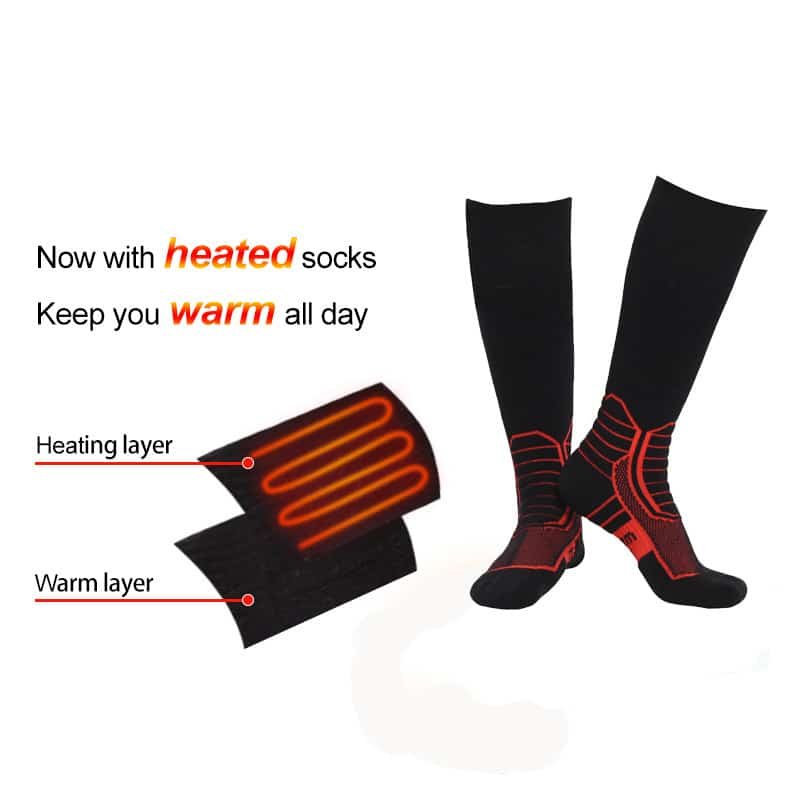
Heated socks are simply a personal heater in your feet, and the same basic principle explains how electric heated clothing works: battery electricity passes through the resistance coils of the element to provide warmth, but it is carefully controlled to keep it safe and efficient. These are the key points of my engineering failures.
Heating Element Generates Heat
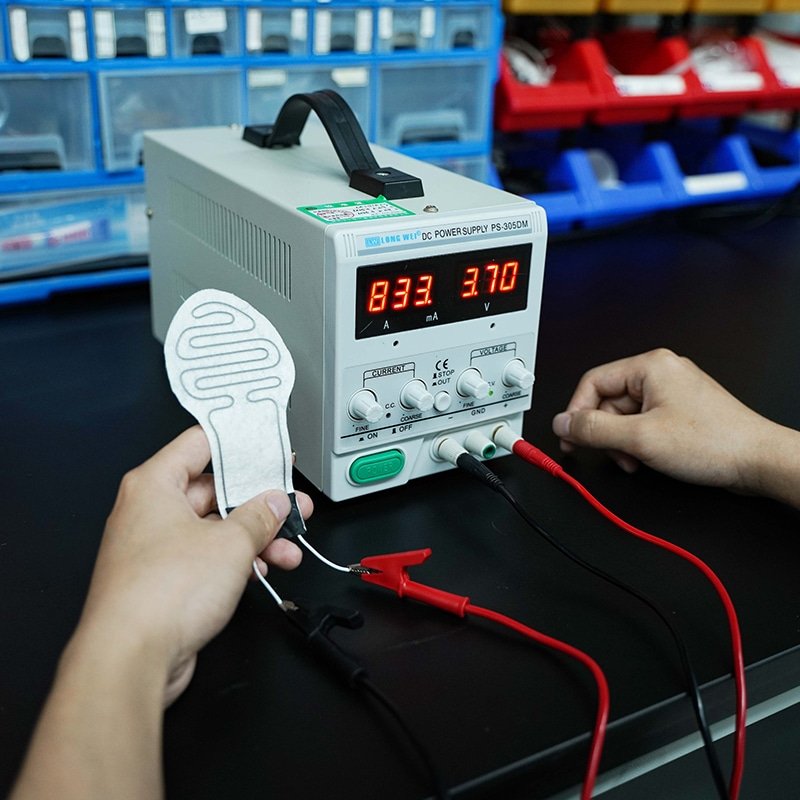
It is situated in toes + forefoot + occasionally sole and transforms power into infrared warmth which radiates uniformly.
Battery Supplies Power
Typically rechargeable lithium on ankle/cuff, which gives portable power, and does not use cords.
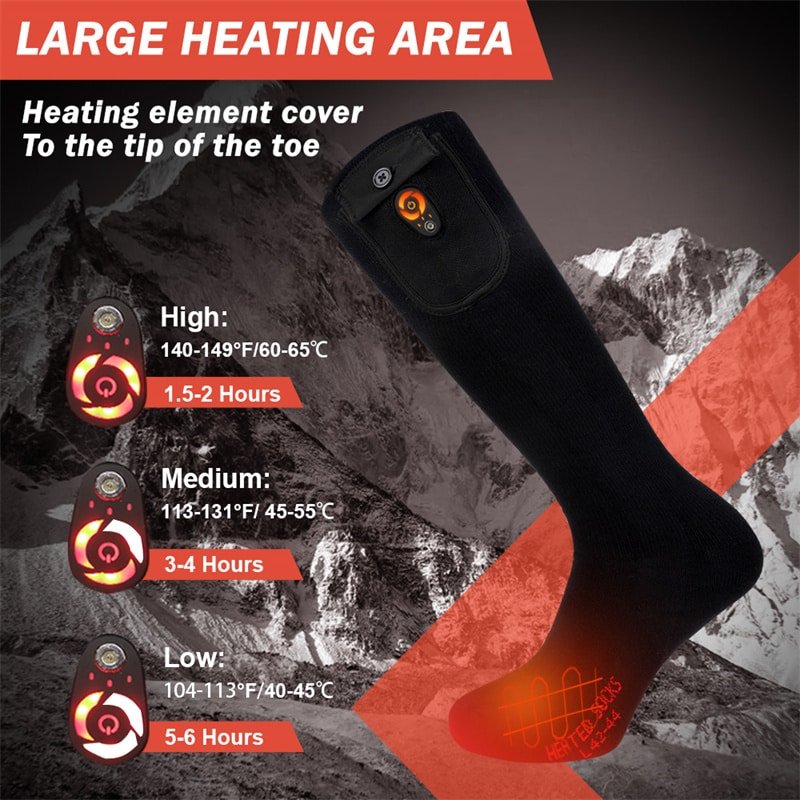
Temperature Controller Adjusts Heat Levels
Three level switch, or remote allows you to dial in to low, medium or high to achieve the level of comfort you want.
Heating Technology Used in Heated Socks
The point of heated socks design is the component that turns electricity into heat, and choosing between carbon fiber, graphene heating film, and heating wire matters because these socks must work in wet and compressive boot conditions; wrong decisions mean that there are hot spots or they do not work at all.
Carbon Fiber Heating Elements
slim, light, strong; fits around the forefoot and toes to cover specific areas; heats quickly in 1-2 minutes, will not add any bulk in use.
Graphene Heating Film (Premium Models)
Ultra-thin; high uniformity of heat; energy efficient, consuming 2030 less power than wires- ideal in slim socks that fit in boots perfectly well.
Traditional Heating Wire (Budget Models)
Less flexible; may develop hot spots in case of recurrent bending–kind of basic needs, but not my choice in cold and demanding application.
Why Toes Are the Primary Heating Zone
This is since toes lose circulation most quickly in cold, causing numbness; this area is therefore the most efficient to focus on as to find blood flow, which conveys warmth to the rest of the foot.
Battery Technology — Voltage, Capacity & Runtime Explained
The magic is powered by batteries but in socks the batteries are small and have to survive compression; to understand how long heated clothing batteries last, it helps to know that lithium battery heated socks are the most used because of their compactness, but cold kills the performance.
Voltage Options: 5V / 7.4V / 12V
5V = slight heat when light chill; 7.4V = optimum power when most users; 12V = extreme warmth and heavier, extreme cold conditions.
Capacity (mAh vs Wh)
Wh = (mAh/1000) X Voltage– concentrate on Wh to truly gauge the energy; all mAhs are deceiving in the absence of voltage.
Typical Battery Size for Heated Socks
0.15-0.25kWh/foot, no more than 100g so as not to make boots uncomfortable.
Runtime Expectations
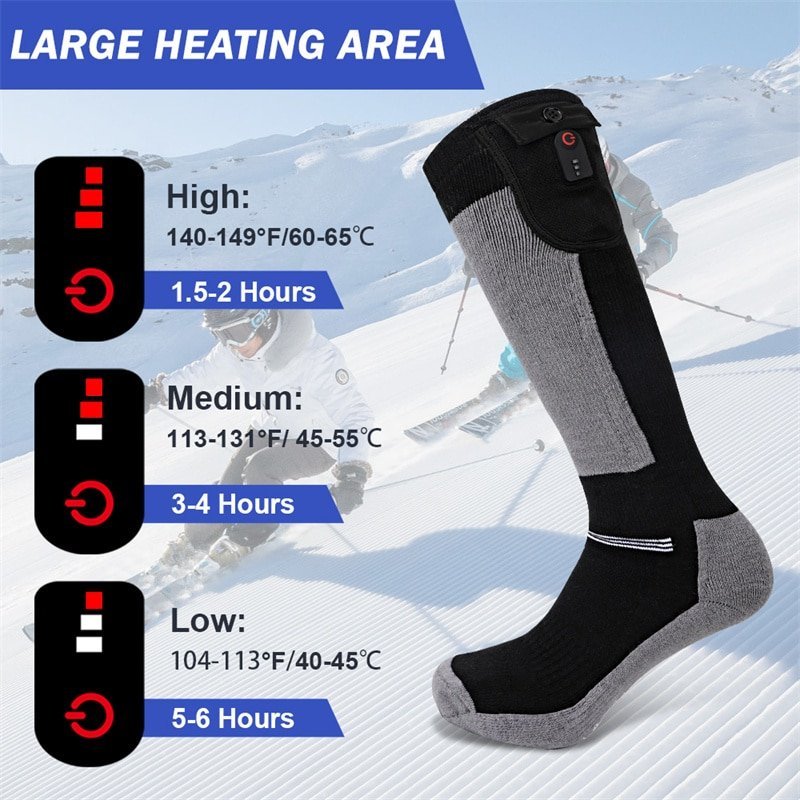
High: 2-3 hours; Medium: 4-5 hours; Low: 6-8 hours -realistic at 0degC, but reduced at -10degC since chemistry slows down.
Cold Weather Battery Behavior
At low temperatures, below zero, batteries lose 20-40 percent efficiency as the lithium ions are slower, which can be counteracted through the use of quality cells with insulation.
Temperature Control Systems in Heated Socks
Control makes heat safe and adjustable, and this is why temperature control systems explained is so important: temperature control of heated socks prevents burns and can be adjusted to activity.
Three-Level Switch
Low / Medium / high through a cuff button-easy to adjust in case of a boot-on situation.
Wireless Remote
Excellent in skiing, boots-on, change without taking off shoes.
APP Control (High-End)
Bluetooth connectivity lets users fine-tune heat output more precisely, especially when they want to match targets such as what temperature should heated clothing reach, including the 40-50degC range.
Overheating Protection
NTC sensors and automatic shut-off automatically turn off when 60degC+ to protect the skin.
Comfort Engineering — Materials, Fit & Breathability
Comfort makes tech wearable–I’ve made up socks where the fit was wrong and hikes formed blisters so ergonomics is important in engineering.
Fabric Composition
Merino wool, polyester, mixture of spandex to stretch and be wicketed.
Seamless Toe Design
Pads heating wire, so that they do not press under boots.
Breathable Moisture-Wicking Layers
Stays dry at feet – cold will not accumulate in the sweat.
Cushioning in Forefoot & Heel
Helps spreads pressure in heating areas, eliminating tiredness.
Compression Support
Stimulates circulation – increases heat, helps to move blood in cold position.
Safety Features in Heated Socks
Near skin–safety near the skin Safeguards against faults during wet or compressive use Safety features in heated socks are paramount.
Overheat Protection
Auto-shut off in case of high tempos.
Short-Circuit Protection
Eliminates boot pressure wiring failures.
Waterproof/Breathable Battery Pocket
Seals against snow melt.
Certifications
CE / FCC / RoHS / UL / UN38.3 are compliant and reliable.
Real Use Cases — When Heated Socks Make the Most Difference
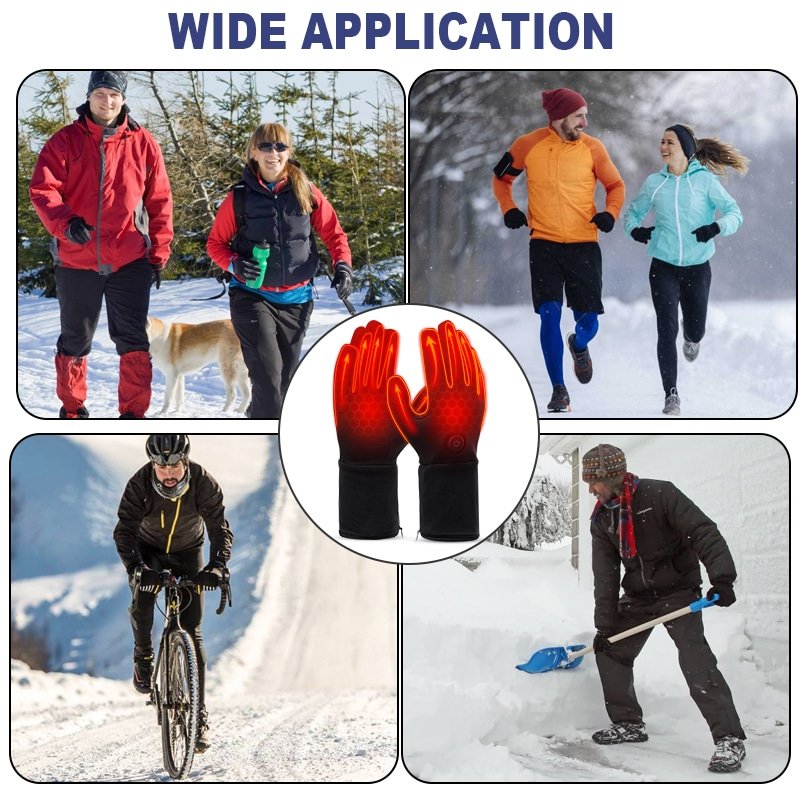
Pros To them, this is their engineering hour, with transportable socks, skiing and outdoor, icy winter days are made easier, especially when paired with the broader solutions covered in heated apparel for skiing, hunting, and outdoor work.
Skiing & Snowboarding
Warm toes – more command over ice-runs, avoiding numbness in the middle of the slope.
Winter Hiking & Mountaineering
Stops loss of circulation on gradual sledding up deep snow.
Outdoor Workers
Warehouse, construction, cold storage- maintains attention during cold chills.
Hunters & Fishermen
Heat in the low-mode is a blessing to low-movement environments.
Motorcycle & Cycling
Feet are kept responsive during long rides due to wind chill reduction.
Common Mistakes When Buying Heated Socks
Feet are kept responsive during long rides due to wind chill reduction.
Choosing Low-Voltage 5V Socks for Harsh Weather
Too weak for real cold.
Ignoring Battery Placement Comfort
Bulky cuffs chafe in boots.
Overlooking Toe Coverage
Leaves extremities cold.
Expecting Unrealistic Runtimes
Forgets cold drain.
Choosing Thin Socks With Poor Insulation
Negatively affects heating performance.
Buyer Tips — How to Choose the Best Heated Socks
Balance Balance Priority: 7.4V systems. Reliability: carbon fiber or graphene elements. Toe + forefoot heating areas to be the best. Checks certifications such as UN38.3. For a broader sourcing framework, see battery, heating levels, fabrics, and components for your heated apparel project. Select moisture-wicking clothes to keep dry. Ensure that socks are worn with boots so that they do not bunch.
Final Conclusion — Heated Socks Combine Smart Technology & Comfort to Keep Feet Warm All Day
Basically, heated socks are a combination of the novel warmth components, compact batteries, and considerate fabrics that provide the valuables warmth to the coldest area of the body feet and forefoot that make them essential to the winter warriors. They make you tougher whether on the ski slopes or in the job site and they do it without putting on extra pounds so long as you suit the tech to the requirements. To achieve maximum performance, make sure you have powerful controls and certifications on the models–you will be glad you did it even on the coldsest days.