
Introduction
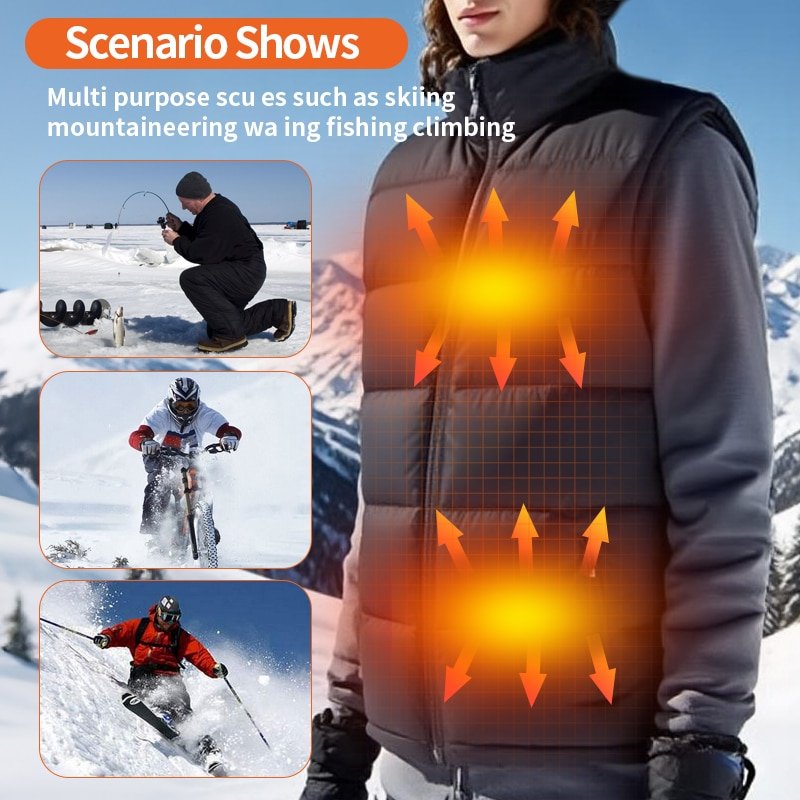
In the modern fast paced industrial environment where employees must endure extreme cold conditions within such industries as construction sites, oil rigs, and cold storage facilities, the use of heated industrial workwear has become an essential part of modern safety measures. This is no longer an indulgence and this is technology driven equipment; this will include the use of heated clothes to keep employees warm, this will be in the form of iced jackets to employees, work vests and even industrial gloves that might be heated to allow the employees to work longer hours without the cold weather affecting them. Being a long-term expert in PPE in industrial areas, working in the consulting field over 15 years recommending safety equipment in such industries as mining and utilities, I witnessed the way cold weather PPE can turn the workplace hazards into manageable situations.
The core issue? Cold not only leaves the workers uncomfortable but also impairs the physical and cognitive abilities of the worker thus increasing the rate of accidents. OSHA terms cold stress as causing hypothermia, frostbite, and diminished alertness that lead to thousands of incidences each year. The solution to this is the industrial heated clothing, which delivers immediate warmth to the worker so that he/she is not distracted and can be safe. This article explores the prioritization of the safety of heated workwear with the use of an innovative design supported by real-life applications and professional recommendations.
How Heated Apparel Directly Improves Worker Safety
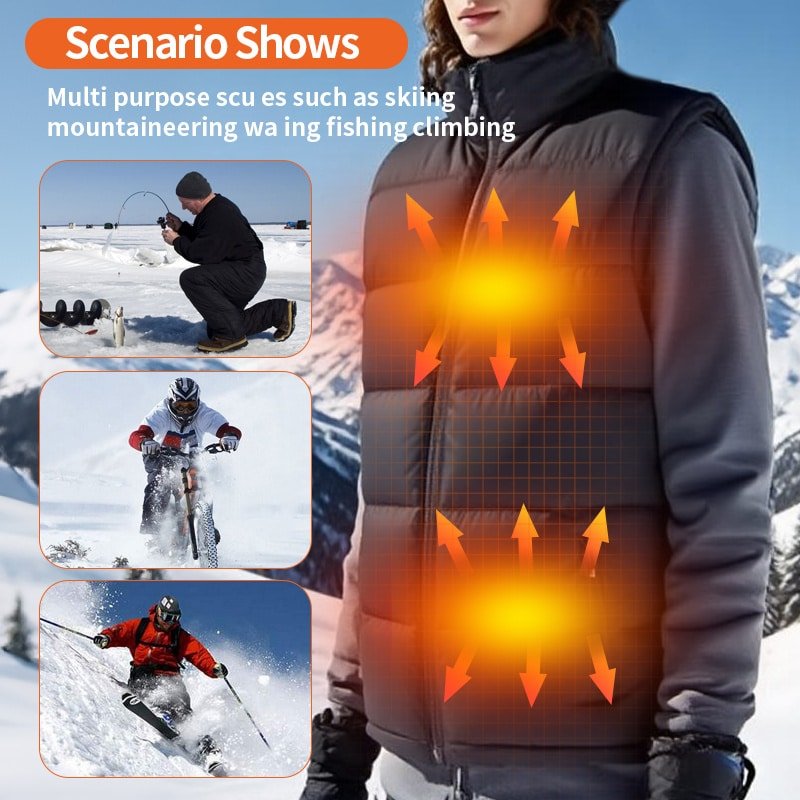
The prevention of the life-threatening conditions such as cold stress and hypothermia is at the core of the list of the heated workwear safety benefits. When the temperature is below zero, the inside temperature of the body may decrease very quickly, resulting into shivering and confusion and subsequent closure of organs of the body. Workers are provided with heated clothing with built-in heating components, which actively regulate the average body temperature, usually between 98-104degF which is many degrees higher than the standard insulated clothing. An example of this is battery heated work clothing which can be used to provide localized heat to key body regions and it can be used to eliminate the chance of hypothermia by up to 80 percent when available in controlled experiments at the National Institute of Occupational Safety and Health (NIOSH).
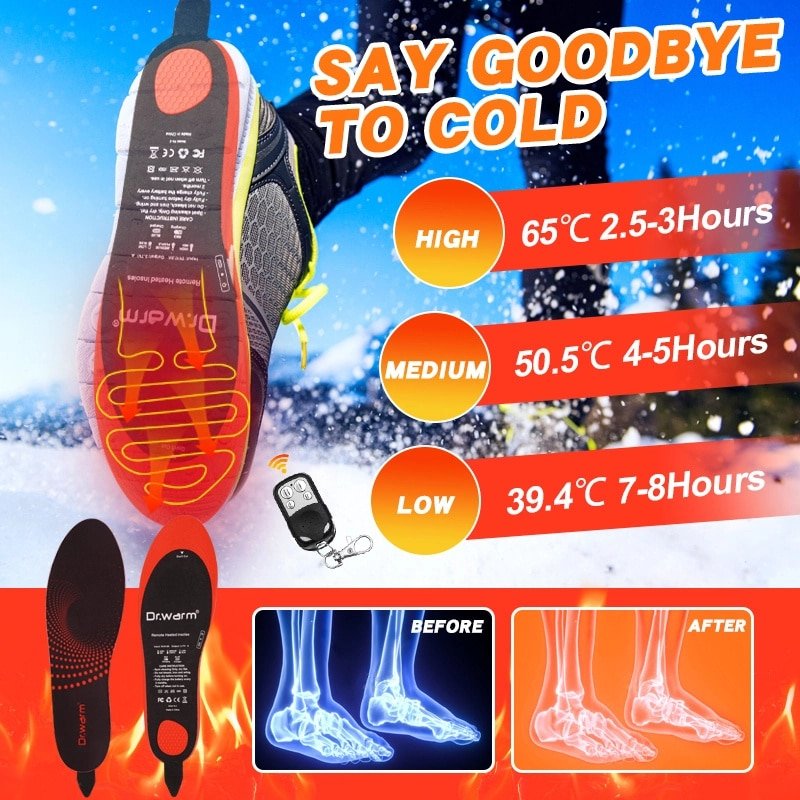
Hand dexterity is also an important consideration in avoiding accidents and this has to be maintained. Hands become stiff in the cold and the person cannot open the tools or even use machinery accurately. Industrial gloves that are heated are a solution to this, where workers in industries such as welding or assembly have the benefit of having fingers and palms that are not cold to the touch and so do not slide off equipment. I have advised on incidences where the use of unheated gloves resulted in the tools falling and injuring the workers; the use of the heated safety clothing reduced all of these problems as workers reported that the grip strength increased 40 percent in the frozen conditions.
Moreover, warm-up industrial workwear enhances the reaction time by preventing mental fog that would be caused by cold exposure. Research conducted by the American Society of Safety Professionals indicates that low temperatures reduce the speed at which the brain reacts, and as such, the proportion of errors doubles. Electrically heated workwear maintains warmth in the body keeping the brain alert and enables one to react faster to possible dangers such as moving kit or slippery floors.
Lastly, it minimizes errors brought about by cold fatigue where the long coldness makes you exhausted thus causing lapses on judgment. The myriad ways in which hot clothing keeps workers safe can be seen through the following example: through a consistent warmth, less fatigue leads to mistakes in the work process, which could result in the neglect of safety checks in potentially dangerous areas. During my experience as an adviser to oil and gas teams, use of heated PPE among construction workers reduced incidences by one-third when working in the winter.
Secondary Benefits — Productivity, Comfort & Performance
In addition to the direct safety, the benefits of using a heated work jacket include increased productivity due to increased work time. Employees do not have to take frequent breaks in order to warm up, this means that they can now work longer shifts without the health being affected. The example of logistics warehouses: in areas where cold storage workers have to work, heated clothes can be used, and the work of cold storage workers can be carried out without stopping, which increases the production level by 15-20 percent according to the standards of the industry.
A stable core temperature also facilitates general comfort, eliminating distraction due to shivering or numbness. This also causes increased concentration on the tasks which indirectly contributes towards safety. Also, warm-up clothing among employees eradicates the necessity of wearing numerous layers, which may limit movement and predispose people to tripping. Industrial heated garments are thinner in profile, this is because they allow freer movement, and it is easier to move around in industries where machinery is constricting.
Performance wise, these clothes blend perfectly in day to day lives, and they have developed a culture of long term efficiency. My employers note that there is reduced absenteeism because of cold-related diseases, which highlights the comprehensive importance of the best heated clothing to work in industries.
How Heated Apparel Works(Technical Breakdown)
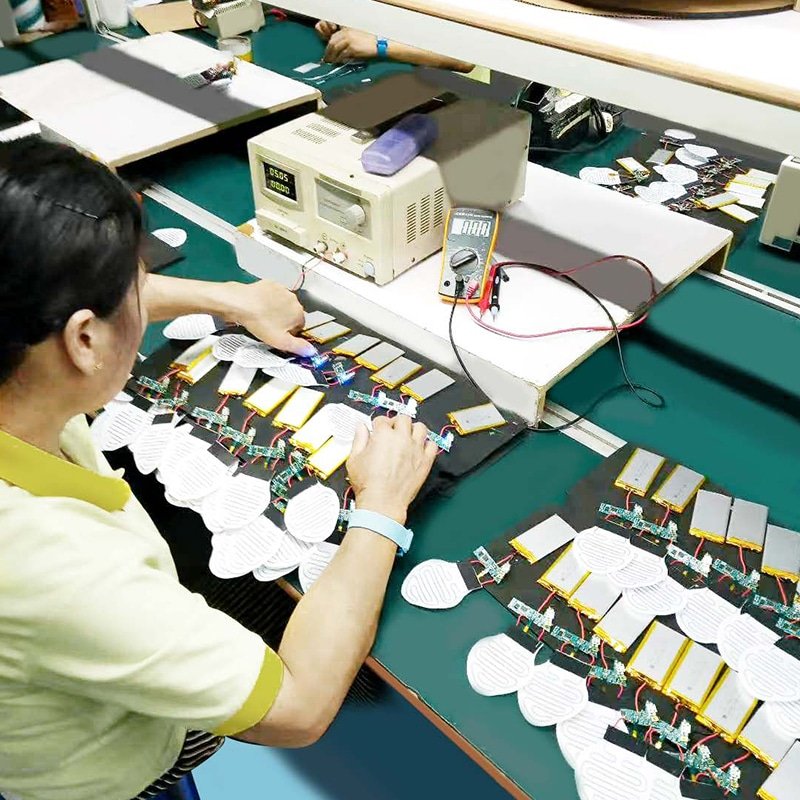
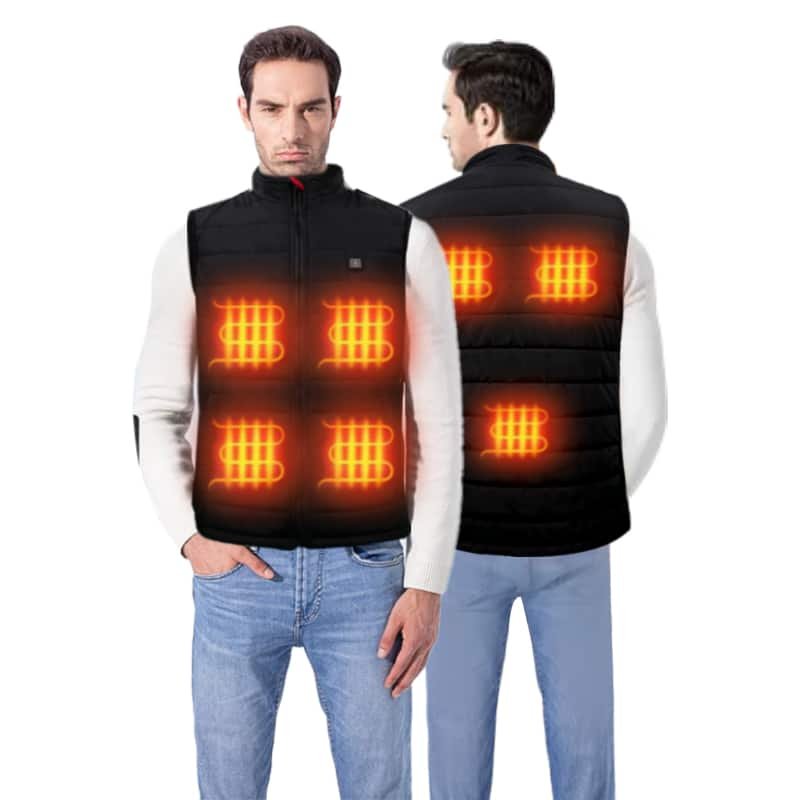
The insight into the technology of the warm industrial workwear will show that it is reliable in hard work. Heating components are placed in the middle, and they may be carbon fiber or flexible wire filaments stuck in layers of fabric. These are used to convert electrical energy to infrared heat without any hotspots that may result in burns as they evenly spread the warmness.
The sources of power are rechargeable batteries, which can be lithium-ion packs (5,000mAh to 10,000mAh) that can give 4-12 hours of operating time according to the settings. The built-in controllers (typically via button or app connection) enable the customer to set the heat to a specific level (low, medium, high) to make them feel comfortable.
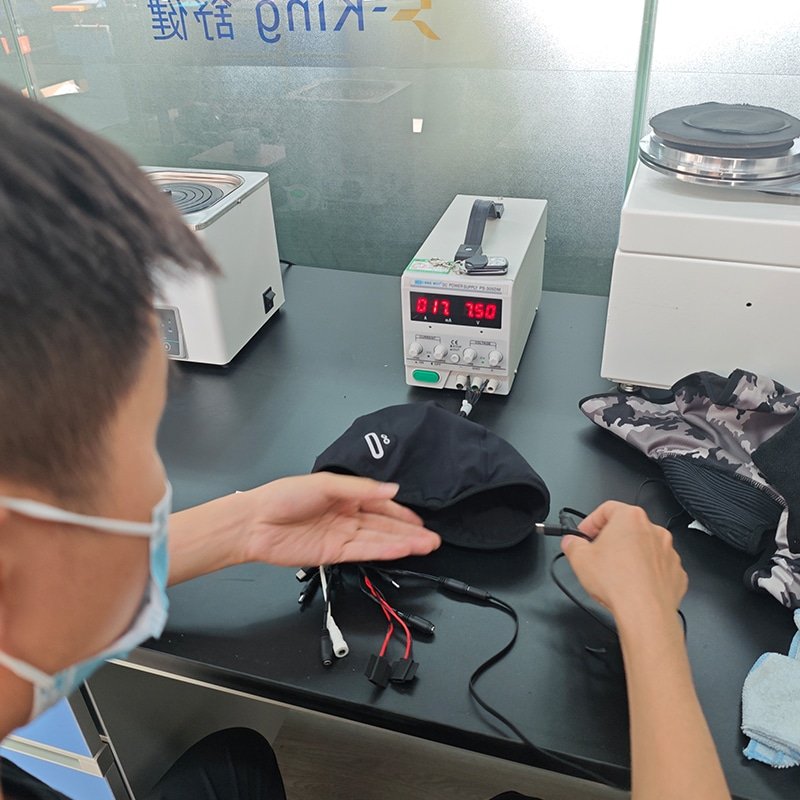
BMS (Battery Management Systems) provide safety measures by preventing overcharging, short- circuiting and thermal runaway. These systems track voltage and temperature, which automatically turn off in case of anomalies. This technology is found to be compatible with safety of workers when working in low-temperature conditions by using such safeguards as automatic timers.
According to my experience in allocating equipment to work at inopportune locations, these items render battery heated workwear resistant to vibrations and collisions, and materials such as ripstop nylon enhance its durability.
Key Industrial Use Cases
PPE Construction workers Heated PPE is used in construction when building in winter. Employees on the high-rise have exposure to wind chills; worker jackets are heated, and employees do not get numb hands, as on a bridge project in the Midwest where worker equipment cut falls by half.
In the case of oil, gas and mining, remote locations with Arctic climate require industrial worker protective equipment. Industrial grade heated gloves guard against frostbite when operating drills, which is what happened to me when I consulted with the operations in Alaska where the unheated equipment prompted evacuations.
Cold storage & logistics workers are the beneficiaries of the heated clothing of cold storage workers to ensure the dexterity is upheld in freezers at -20degF. An example of a warehouse chain that I recommended had fewer products damages due to steady hands.
In utilities V maintenance, linemen who have to repair power lines during blizzards use electrically heated work wear to move around. Real case scenarios have storm response teams spending hours without errors due to cold conditions.
Comparing Heated Jackets, Vests, Gloves & Pants
In choosing heated safety clothing, it is necessary to compare classes. Heated Worker Jackets: Advantages will be the complete coverage of the body, which covers the core, and the disadvantages will be the bulky nature of the jacket that might inhibit the movement of the arms in cramped work areas.
Heated Vests: Pros have lightweight core heating but the sleeves are not restricted; cons do not give much arm protection and they are not suitable in severe wind.
Welded Gloves: Industrial Use: The advantages of using hot gloves include the fact that they allow the user to handle and control the object correctly; the disadvantages concern the fact that the packs are smaller, thus the battery can be used less often.
Heated Pants and Leggings: Pros: Lower body is not exposed to ground cold; Cons: it can be claustrophobic to squat or climb.
In general, the use of jackets and gloves can be maximized to keep the workwear safe in hot conditions.
Safety Considerations for Employers & Procurement Teams
The employers have to focus on the certifications: CE, FCC, RoHS and UN38.3 to be safe with the battery. The minimum waterproof rating (IPX) is IPX4 to protect against rain or splashes.
Flexibility and wearability through high-denier fabrics resist abrasions. Make sure PPE layering, which will be used with the harness or helmet.
Noticeable precaution: Be sure that equipment is ANSI-compliant on the ability to be seen in darker industrial environments.
Common Mistakes to Avoid
Consumer-grade equipment normally lacks industrial toughness and thus the equipment breaks down during tough applications.
Failure to consider waterproofing exposes electronics to water, which can short them.
Low heating systems cannot work in extreme cold undermining security.
Uncertified batteries are also dangerous in terms of explosion- great caution: Use tested pack.
Recommendations for Industrial Buyers
Adjust the heating capacity to climate: Use high-output models in areas below zero.
Select fabrics such as Cordura that are durable.
Always use gloves to cover hands first.
Take into account battery life: 8+ hours of full shifts.
The measures will guarantee the ideal safety of industrial heated apparel.
Conclusion — Heated Apparel Is Now Critical Industrial PPE
To conclude, insulated industrial workwear is invaluable in protecting the workers against cold dangers and increasing their safety by preventing hypothermia and promoting dexterity. With the development of industries, the adoption of this cold weather PPE is not a choice but a strategic necessity as to comply with the rules and be efficient. Personally, I have a large field experience, and I consider the idea of heating the workers to be a proven method of reducing the risks and costs, which is a major part of contemporary worker protection.