
Introduction — Why Heated Clothing Is Becoming a Core Winter Category
The winter fashion is changing radically, and the heated clothes are becoming a force to reckon with, and brands are reevaluating their seasonal specials. I’ve been close to this development as a professional apparel strategist who has consulted several outdoor and lifestyle apparel brands on category expansions, as the reports of McKinsey and Statista suggest that the global sales of heated apparel will grow 20-25 percent a year through 2026 because consumers are no longer buying a passively insulated garment. The recent advances in batteries and controls, combined with a boom in the popularity of winter sports and remote work lifestyles being applied to cold-weather activities, are turning heated garments not only into a novelty but also a necessity. To the brands, it is a chance to get better margins, hot products usually go at 1.5-2 times the price of the traditional ones and they also have a way of differentiating in a saturated market. Consider Patagonia or The North Face going smart vests, or workwear heavyhits such as Carhartt adding heat-jackets to blue-collar workers. However, the logic has to win: Heated gear will solve genuine pain points, such as frostbite in extreme temperatures or pain in the case of prolonged exposure, and transform seasonal lines into year-long revenue streams. During the dive, we will understand why this type of category is booming, and how a brand can position itself strategically to be competitive in the long run.
Brand-Driven Reason #1 — Explosive Growth in Winter Sports & Outdoor Recreation
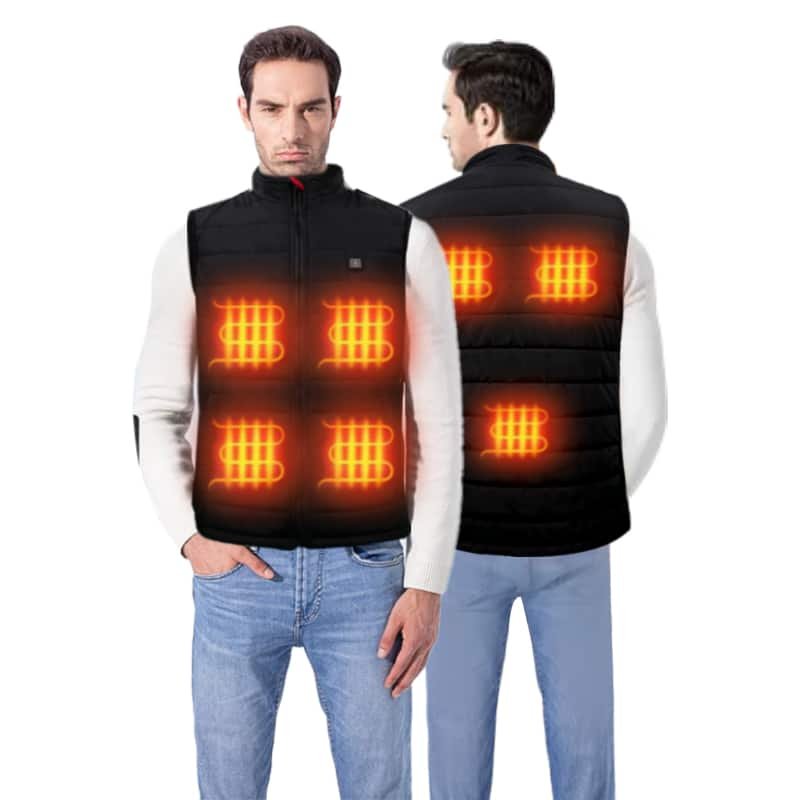
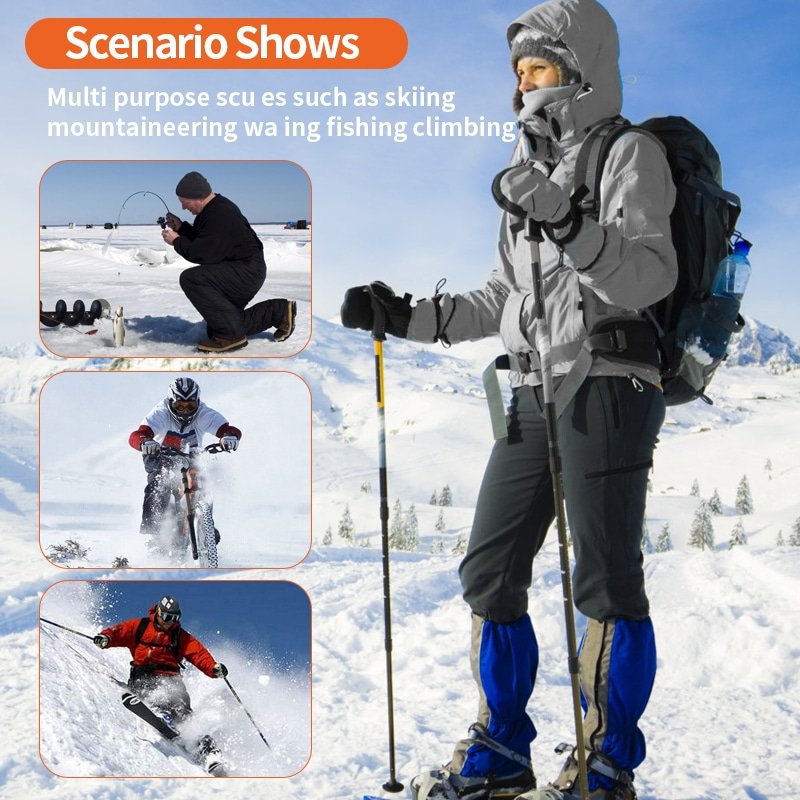
One of the main drivers is the boom in winter sports and recreation; the participation rates have shot up due to people wanting the adventure after the pandemic, and the global winter tourism is projected to become a trillion dollar, according to the data published by World Tourism Organization, creating demand in performance-enhancing equipment.
Heated Apparel Becoming Standard Gear for Skiers & Snowboarders
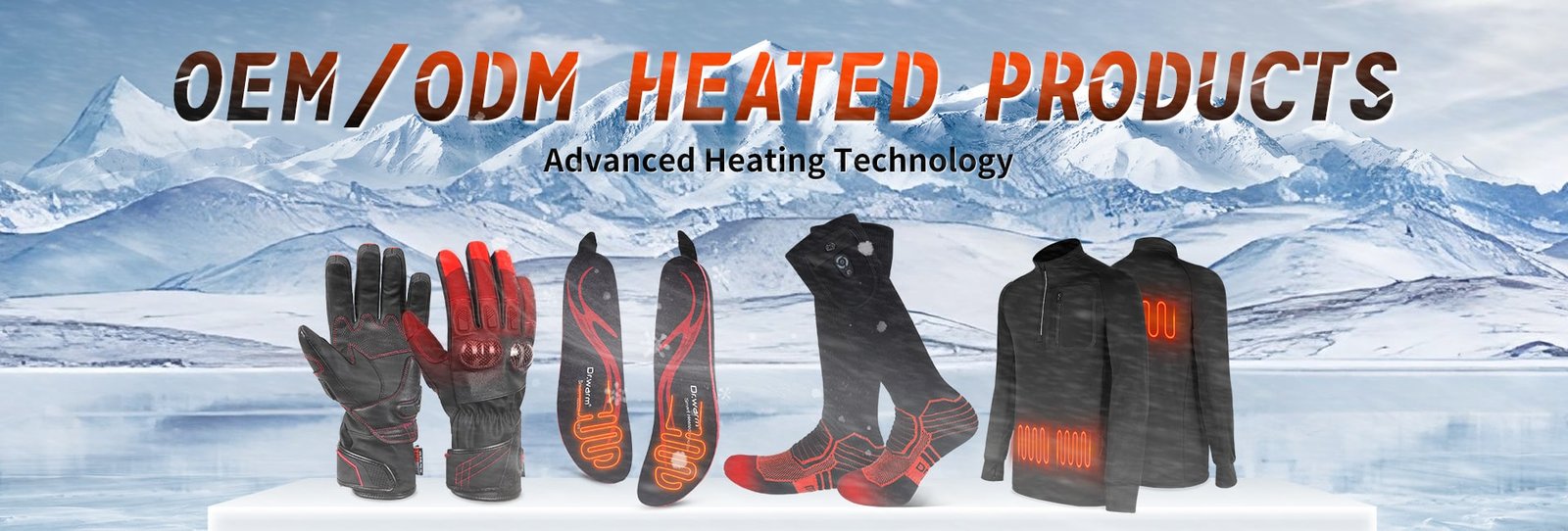
In the case of skiers and snowboarders, heated gloves as well as heated jackets are becoming more of a necessity rather than a luxury in dealing with numbness when riding a chairlift or when tracking powder hunts. Our custom heated gloves are engineered specifically for these high-performance winter sports demands. Other brands such as Burton have introduced heated liners into their line and they realize that continuous warmth extends the endurance of the athlete-sportspeople can remain in the field 20-30 percent longer without interruptions. This equipment makes cold-stiffened muscles less dangerous, which is why it is a clever addition to the lines of resort outfitters working with alpine fans.
A New Expectation for Performance Warmth
Heated wear is now seen by the consumer not as a marketing gimmick, but as a means of performance tool- the demands to have multiple levels of heating (low on cold days, high on snowstorms) are increasing- brands have to innovate or face obsolescence.
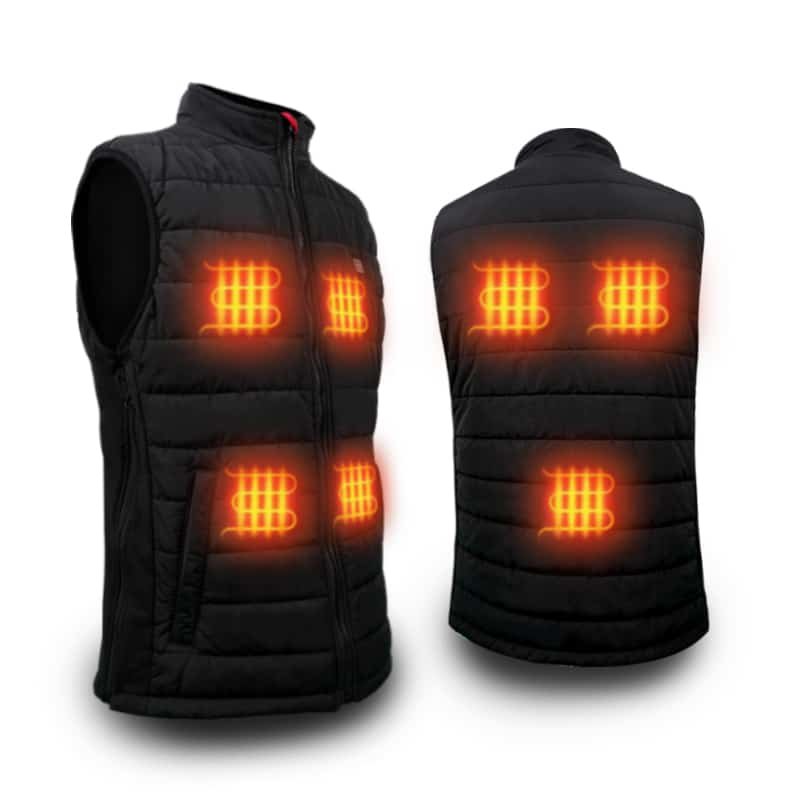
Brand-Driven Reason #2 — Workwear Markets Are Rapidly Expanding
Another hot spot is workwear, where industries place a premium on productivity in cold climate working wear sales of remote and gig economy are predicted to increase 25% by 2026 according to Frost and Sullivan, more workers are exposed to the elements.
Delivery & Logistics Workers in Cold Regions
In cities such as Chicago or Toronto, delivery professionals work in sub-zero temperature environments, so heated jackets with a longer battery life are a necessity in their lineup. Our custom heated jackets help brands like these deliver reliable all-day warmth for demanding work conditions.
Construction, Mining, Agriculture
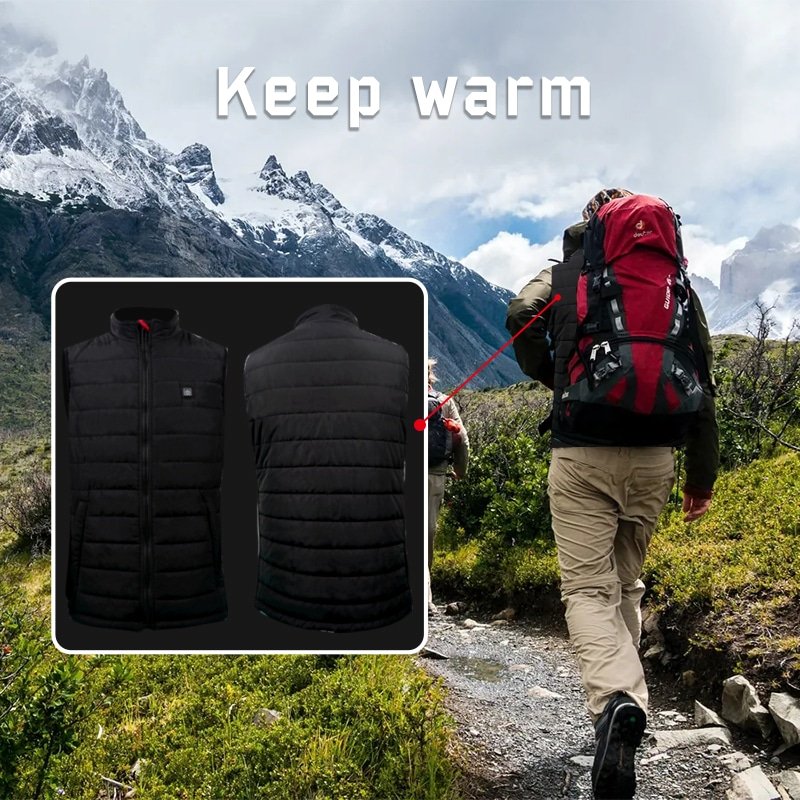
These areas need heavy warmed-up vests to keep warm all year round, and mining activities in Alaska wear them to keep their hands warm at -30deg F, making the work more efficient–planning logic here is durability, and the materials used to make the garments are reinforced to hold the tools.
Industrial Cold-Storage Workwear
Heated apparel such as base layers with mid level heat are also used in freezers to prevent hypothermia, which is a frequent problem, and are being introduced into uniform collections by companies such as Aramark, to meet the requirements of OSHA like standards.
Brand-Driven Reason #3 — Heated Apparel Drives Higher Margins
Heated items are priced at a higher premium and the margins of the items are 15-25 higher than the regular winter gear since the market will buy the technology involved such as smart controls.
Electronics + Apparel = Premium Pricing
A combination of battery and elements makes ASP, a simple jacket at 100 dollars, 200 dollars warmed-up, and it is an attractive buying point among the value shoppers in the heated clothing market.
Strong Differentiation for Brands
Hot lines are there, such as the expansion of the Helly Hansen workwear that attracted professionals thanks to a good warm-up.
Repeat Purchase Potential
This is a repeat sale; accessories such as batteries make a brand bundle.
Brand-Driven Reason #4 — Technology Improvements Lower the Barrier to Entry
Innovations make accessibility possible, and battery technology such as denser Li-ion extends run-time 30 percent, eliminates historic laments. Our custom battery solutions incorporate these advancements to support reliable heated apparel performance.
Safer & More Efficient Batteries
BMS provide 7.4V systems that allow safe high-heat settings.
Better Heating Technologies
Films of graphene provide distributed warmth using fewer investments, which is suitable in vests. Our expertise in heating element design enables these efficient, lightweight solutions for brands.
Modern Outdoor Materials
Breathable membranes make them easier to use and reduce the dev costs.
Brand-Driven Reason #5 — OEM/ODM Makes Custom Heated Apparel Much Easier
Reduced obstacles through OEM/ODM enables fast product introductions – factories provide complete solutions and reduce R&D time. Our OEM/ODM heated apparel solutions make it straightforward for brands to add high-quality heated clothing to their lines.
More Factories Now Offer Full-Solution Heating Systems
Battery and control packs make it easier.
Lower MOQ Enables Small-to-Medium Brands to Enter the Category
Out of 500 units, startups were available.
Faster Development Cycles
Production in 8-12 weeks.
Brand-Driven Reason #6 — Consumer Expectations Are Changing
The consumers are seeking smarter equipment and they consider the heated wear as a technological necessity.
People Expect Smarter, More Comfortable Clothing
Application integration of custom heat profiles.
Demand for Weather-Resistant Gear
Insulated and windproof to use day long.
Everyday Use Cases Expanding
Errands, traveling, extending attractiveness.
Brand-Driven Reason #7 — Competitive Advantage in a Crowded Winter Market
Warm up clothing is differentiated and it takes a slice in the crowded segments.
Heated Apparel Helps Brands Stand Out
Unique USP like zone heating.
More Influencers & Athletes Promote the Category
Social evidence hastens the adoption.
Brands Use Heated Apparel to Upgrade Their Product Hierarchy
High level increases total sales.
Category Expansion Opportunities (Where Brands Can Grow)
Brands are able to venture into high growth niche.
Heated Gloves & Mittens
Maximum dexterity growth in sports.
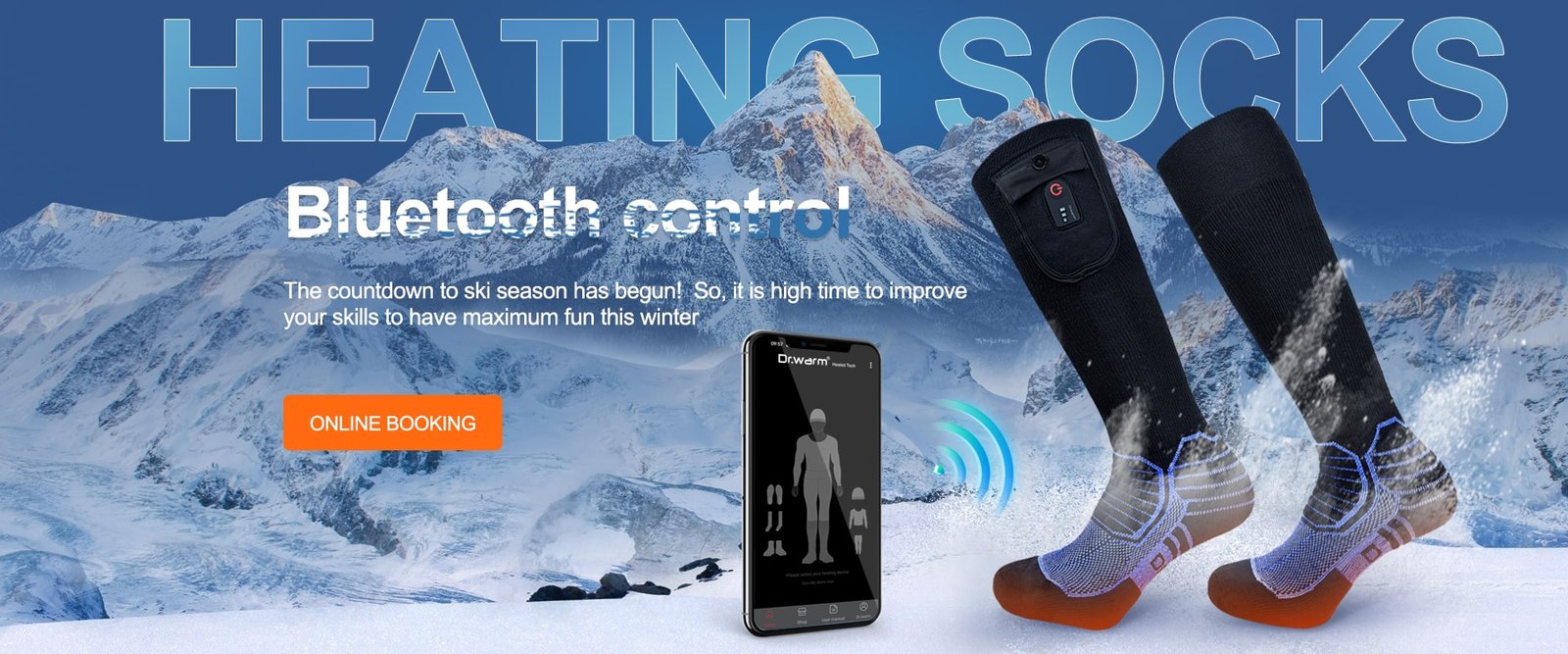
Heated Socks & Insoles
Heated Socks & Insoles Adoption at work to be comfortable at the foot. Our custom heated socks deliver targeted warmth ideal for both workwear and sports applications.
Heated Vests & Jackets
Mainstream for layering.
Heated Pants & Base Layers
For extreme cold workers.
What Buyers Should Know Before Adding Heated Apparel to Their Line
Safety Certifications Are Essential
CE, FCC, RoHS for compliance.
Heating Systems Must Match the Target User
Sports high, work stable.
Battery Requirements Must Be Clear
Runtime for activity.
Lead Time Planning Is Critical
Pre-plan for peaks.
Common Mistakes Brands Make When Entering the Heated Category
Assuming All Heated Products Are the Same
Quality changes–test well.
Underestimating Battery & Heating Safety
Skimp on certs leads to risks.
Choosing Non-Specialized Factories
Results in poor integration.
Final Conclusion — Heated Apparel Will Be a Core Winter Category Across All Brands
Tech and demand: heated apparel is coming to a place to stay, focus on innovation to succeed.