
Introduction — Why Choosing the Right Heating Element Is Critical for Custom Apparel
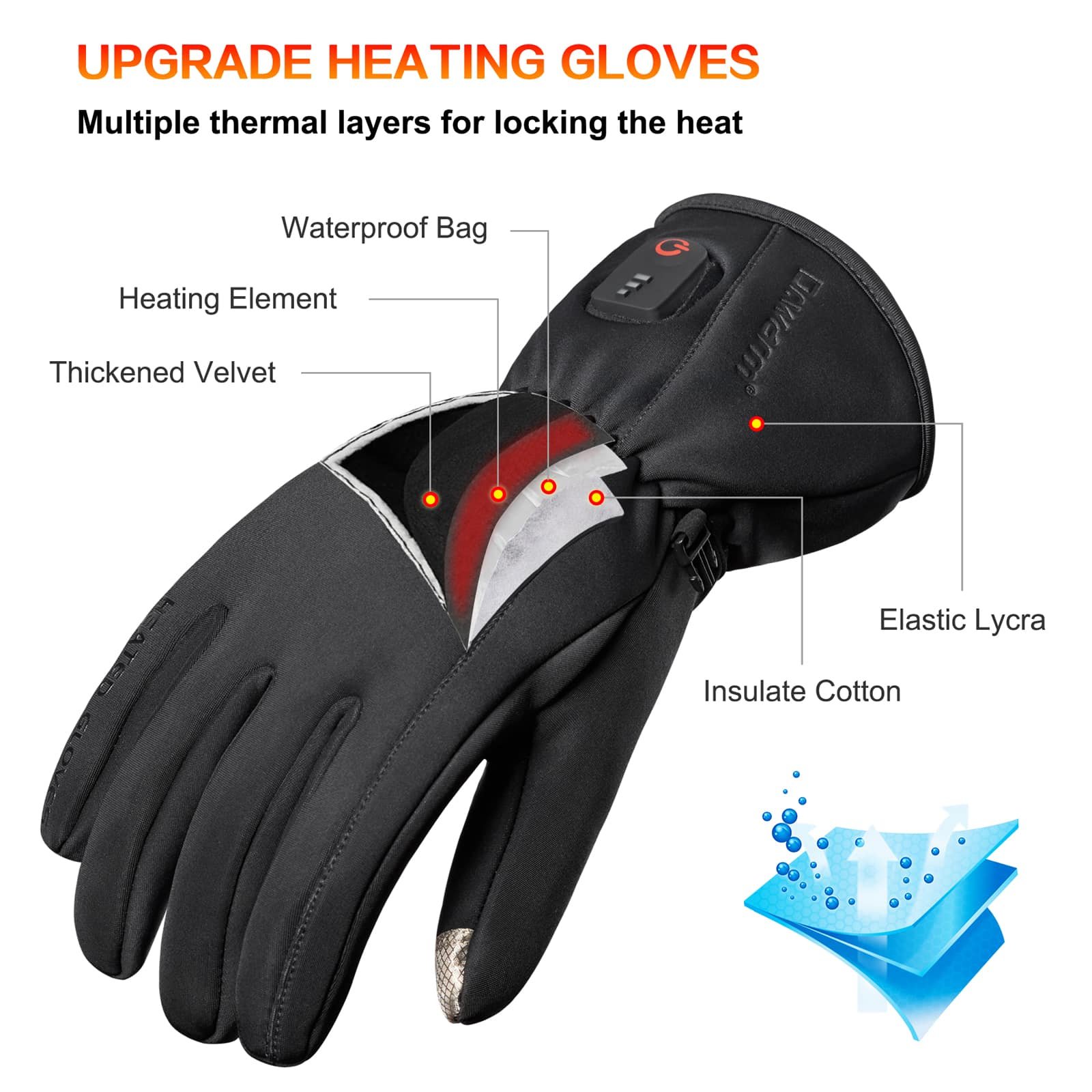
The heating component is the key to the heating garment sphere, this is what determines how efficiently the warmness is transferred to the body, how comfortable the piece can be to wear without overheating being noticed, how well it can be combined with batteries to become an all-day wear. With more than 10 years of experience as an engineer in designing and producing customized heated apparel to serve the OEMs (outdoor companies and industrial manufacturers) I have witnessed what a wrong element decision can cause: unequal heating systems, failure prematurely, or a depleted battery in the middle of the shift. This is an important element on which factors such as warmth distribution, resistance to overheating, comfort in various types of flexibility materials, and battery performance depend. In the case of making heated jackets to a patient or workwear that is rough and tough, the choice of the available heating options such as graphene heating film, carbon fiber heating element or heating wire to be used in heating clothing can make or break the product’s success in the market. This is a guide that simplifies the essentials of guiding OEM teams and designers to make informed decisions, especially where overheating protection and long-term reliability are concerned.
Summary — Which Heating Element Is Best?
To the point: In the majority of custom heated apparel projects where performance and the comfort of the user are paramount, graphene heating film will be the best heating material to use in custom apparel. It can provide fast and even heat with the least weight and hence can be used in weight sensitive construction where efficiency is of the essence. When durability in high-flexibility is a requirement, a carbon fiber heating element would be a good choice–it is strong enough to bend repeatedly without losing much of its warmth. In low-end applications that are cost-conscious and require cost to be the ultimate factor, heating wire to heated apparel can accomplish the task in a simple and cost-effective manner, but with drawbacks in terms of flexibility and evenness. These suggestions are based on real world trials of the prototypes: Graphene warms in less than 10 seconds to operational temperature, carbon fiber is stable under thousands of bending operations, and wire is less than $5 per unit at volume. At this point, we are going to take a closer look as to why these are ranked the way they are.
Heating Element Type 1 — Graphene Heating Film(Next-Generation Tech)
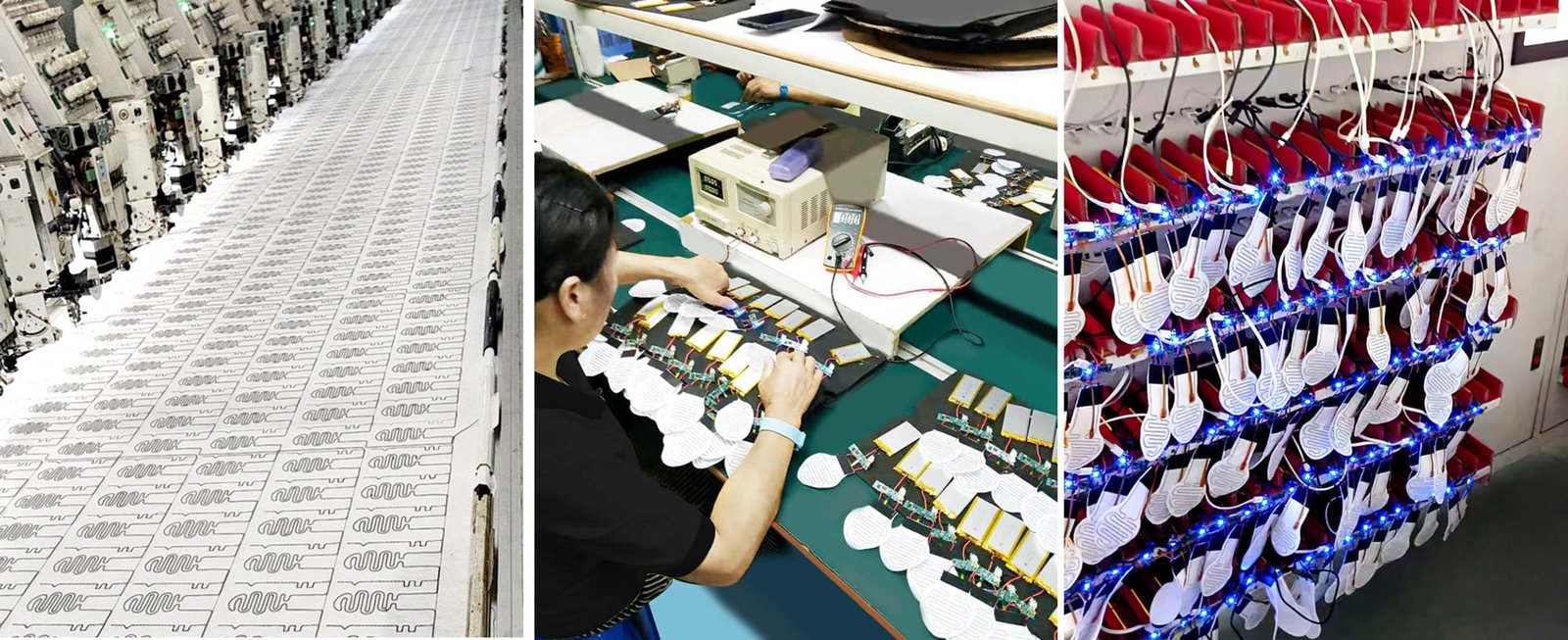
Being the innovative solution to the heated parts of apparel, graphene heating film has transformed the custom designs, as it allows to make thin and intelligent warmth.
How It Works
This is in an ultrathin conductive layer composed of carbon, which is usually very thin, which is less than 0.3 mm, wherein the atomic structure of graphene can enable the flow of electrons and produce infrared heat throughout the surface very efficiently. To better understand how heating elements work in wearable electric heating products, this graphene structure is a strong example of surface-based heat transfer in modern heated apparel.
Key Advantages
It is so thin and flexible that it becomes a normal part of the fabrics and does not make it thicker which is ideal in the case of the thinnest part in heating vests and jackets. It provides rapid heat transfer, to a maximum heat in 5-10 seconds and has low energy use, which is often 20-30% more efficient than a competitor. It is lightweight, can be utilized in vests and jackets, so even with batteries, the apparel does not exceed 500g. These are exactly the kinds of factors that define heating element efficiency in heated clothing.
Limitations
Its increased price of up to 2-3 times the price of simple wire may put entry level OEM runs under budget. It also needs clear manufacturing so that the film layering defects are avoided.
Best Use Cases
Imagine heated jackets to keep the skiers warm in a hurry, lightweight clothing to the hiker or medical necklaces where even heat works on circulation disturbances without limiting the movement.
Heating Element Type 2 — Carbon Fiber Heating Elements(Industry Standard)
The carbon fiber heating element is a good workhorse in the industry, flexible and reliable enough to satisfy tough custom work.
How It Works
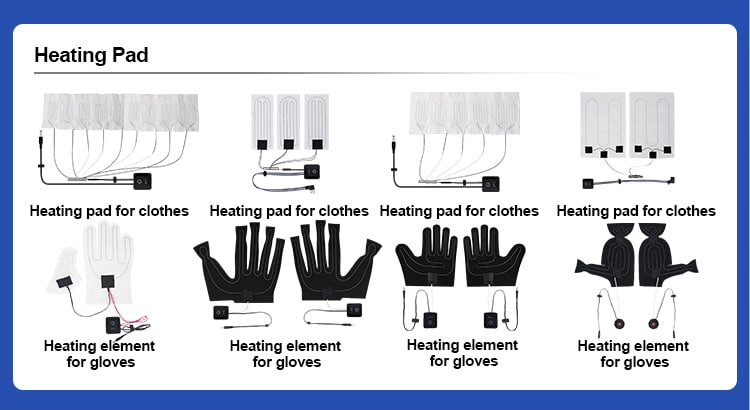
Carbon fiber strands are bundled together to form resistors which convert electrical power into infrared heat that radiates externally usually in the form of a woven or embedded flexible pad.
Key Advantages
It glitters in great durability to withstand more than 10,000 bending cycles without tearing. It is bendable with body movements and its bending resistance is good. It is affordable to mid range OEM and can offer steady temperature across zones and maintains at 40-60degC.
Limitations
Heat is not always as uniform as film types with slight variations between strands. It is a bit thicker than graphene which brings some bulk in ultra-slim designs.
Best Use Cases
They are best used in gloves where the hands have to move repeatedly, on pants where the wearer is on the move, or in industrial heated clothes such as work vests that are regularly subjected to abrasion at the construction site.
Heating Element Type 3 — Traditional Heating Wire(Legacy Technology)
The basic variant, heating wire of heated clothes can still be applied to a simple, cost-effective construction.
How It Works
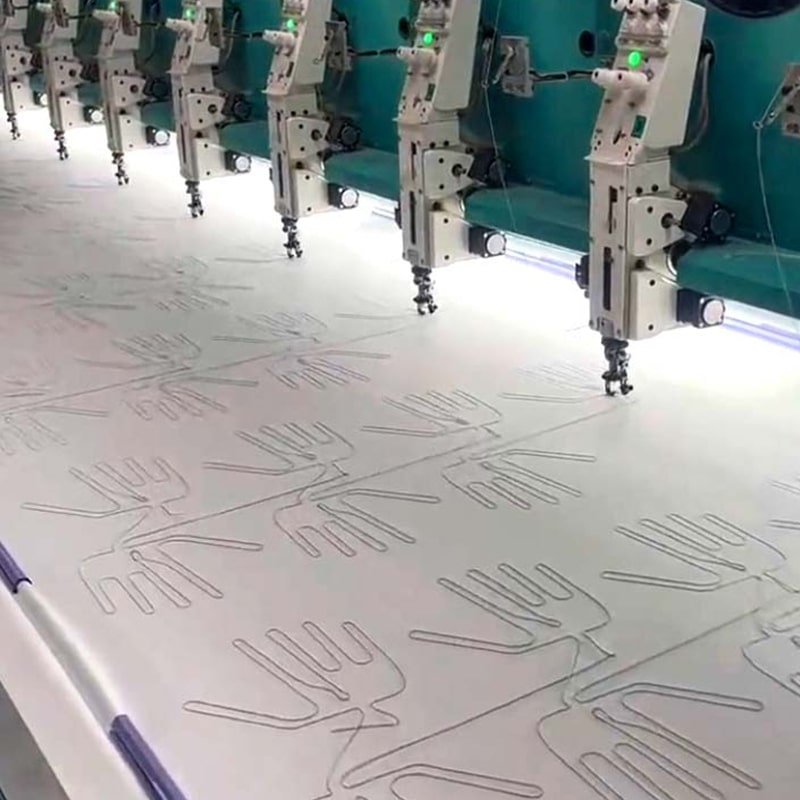
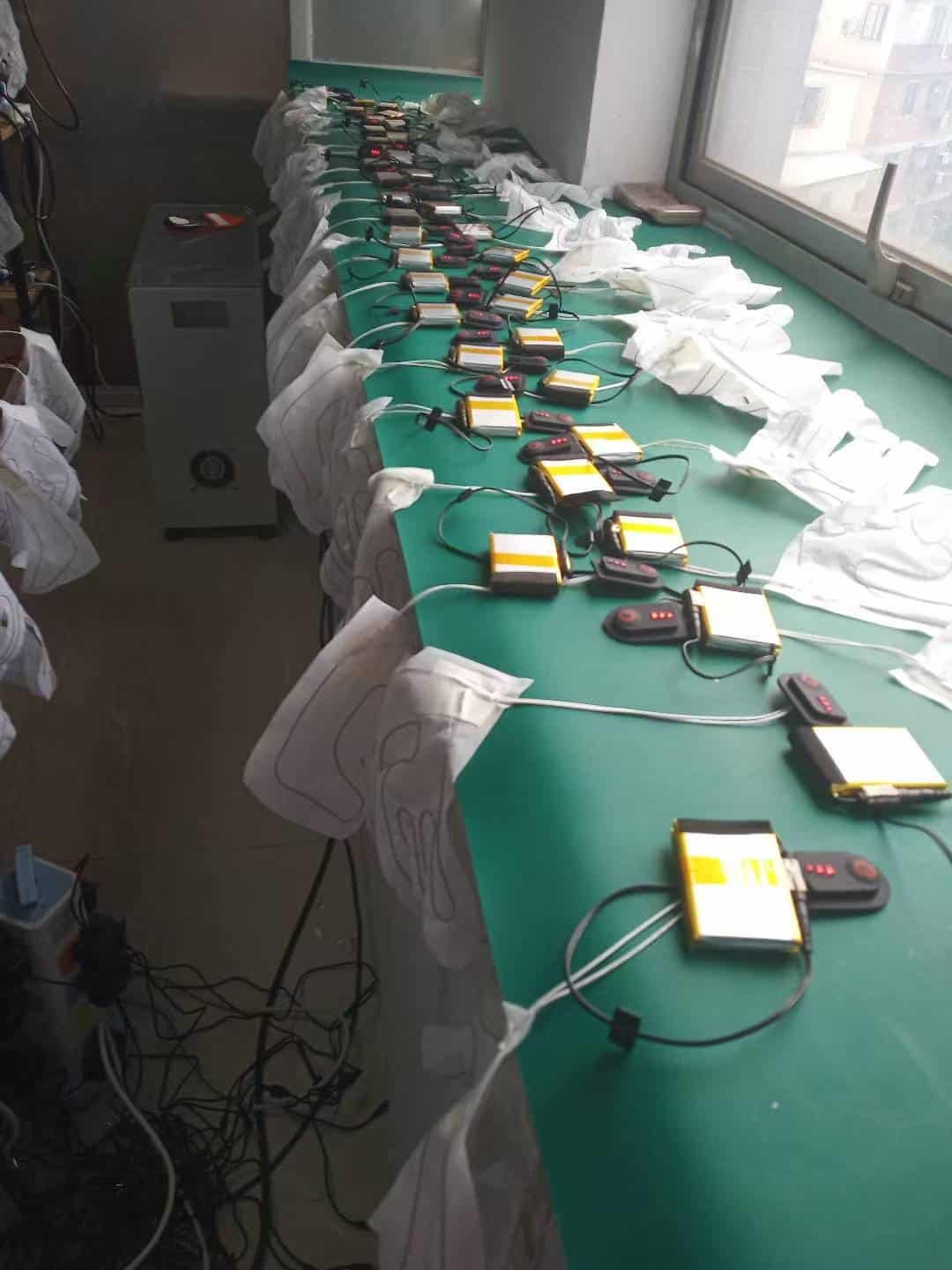
Thin metal or alloy resistance wires (such as nichrome) are heated through electrical resistance, and are coiled or zigzagged into patterns to cover.
Key Advantages
It is the cheapest and therefore can be used in high volume production. It is an easy-to-integrate structure, and it works with mass low-end production and low R&D.
Limitations
Inflexibility causes a stretch material to be uncomfortable and there is a risk of breaking during the bending process after only a few hundreds of cycles. It can even cause uneven heating forming hot spots.
Best Use Cases
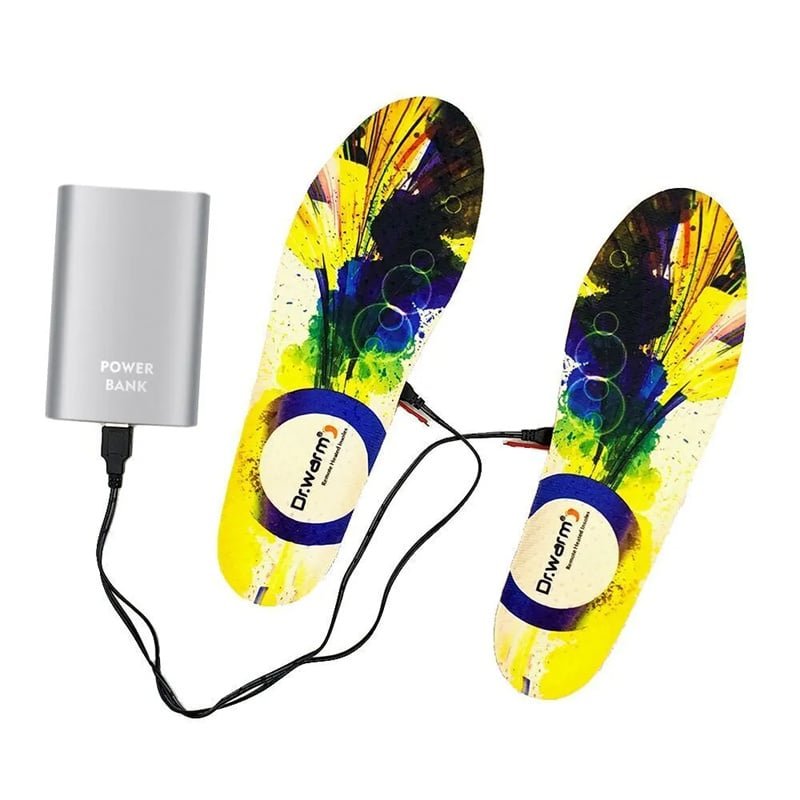
Optimal in low cost heated items such as simple insoles or non flexibility demanding such as entry-level vests at entry level and demanding such as the entry-level vests.
Technical Comparison — Carbon Fiber vs Heating Film vs Heating Wire
To inform your choice, a head-to-head summary of key metrics-based on lab tests and field data in prototype custom.
Heating Speed
Graphene > Carbon Fiber > Wire: Graphene reaches complete heat in 5-10 seconds, carbon fiber in 10-20 seconds, and wire in 30+ seconds- important in cold start on-demand heating.
Flexibility & Comfort
Graphene > Carbon Fiber > Wire: Film made of graphene is bendable as a heating fabric in clothing, carbon fiber provides good give, yet wire is hard and pricks. This difference directly affects heat uniformity and comfort in finished heated garments.
Durability
Carbon Fiber > Graphene > Wire: Carbon fiber has the greatest durability of heating elements when compared with highest marks in wash cycles (up to 50+) and then graphene and finally wire fail, at first stress.
Safety & Overheat Risk
Graphene / Carbon Fiber > Wire: Both the advanced features have built-in hotspots resistance and are, therefore, safe heating elements in wearables, but wire requires additional protection to avoid burns.
Cost
Wire Carbon Fiber Graphene: Wire costs $1-3 per unit, carbon fiber costs $5-10, and graphene costs $15+–volume can make or break the OEM business.
Battery Efficiency
Graphene > Carbon Fiber > Wire: Low resistance of Graphene results in greater run time per pack, which complies with battery compatibility of heating elements to effectively use power.
How Heating Element Choice Impacts Custom Apparel OEM Projects
The element has an impact in all the stages of OEM development, both in prototyping and certification.
Impact on Fabric Compatibility
Density, stretch, adhesiveness: Graphene adhes to synthetics readily so that it can be sewn into jeans without issues; polycarbon fiber can be worn with rugged jeans; wire requires enhanced stitching to prevent movement.
Impact on Battery Selection
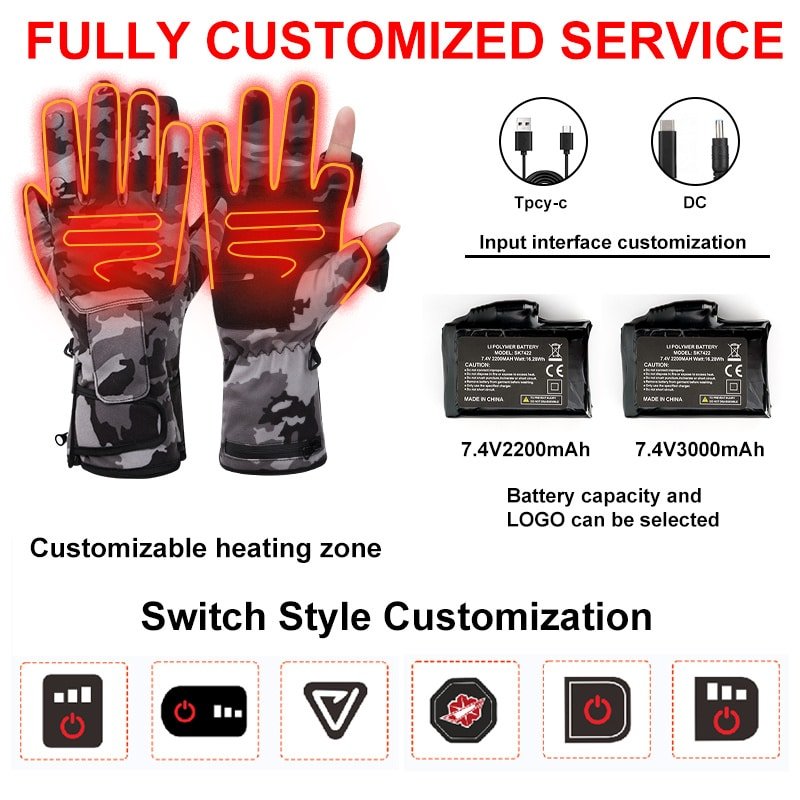
Lightweight packs are best done with graphene 5v and 7.4v, carbon fiber does best with 7.4v and 12v, wire can be used across the board but works slower to drain, which is a consideration of the most efficient heating element in clothing. OEM teams should also match your heating system with the right battery pack before locking final product specifications.
Impact on Certifications
All have to be certified to CE / FCC / RoHS / UL / UN38.3 battery safety but graphene with uniform heat makes it easy to achieve thermal tests, and wire lines may need redesign. This is why understanding safety standards for heated clothing is essential during OEM development.
Impact on Comfort
Even heating vs hot spots: Graphene does not cause discomfort in tight clothes; the uneven nature of wire can cause skin irritation during prolonged use.
Recommended Heating Element by Apparel Category
Select the pick accordingly to the needs of the garment.
Jackets & Vests
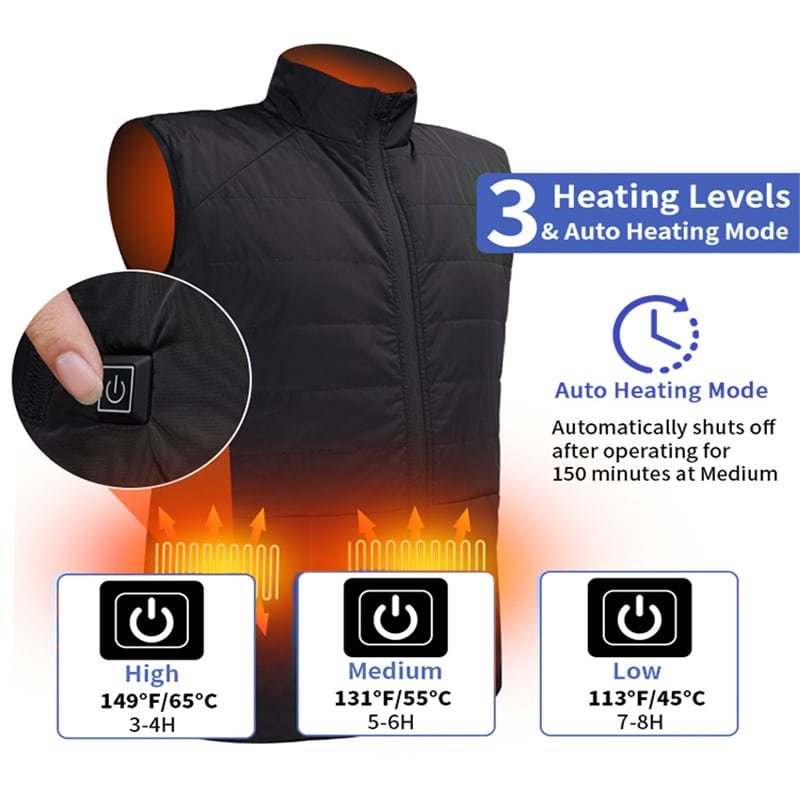
Graphene or Carbon Fiber: To be used as a heating element in a jacket that needs to be heated, graphene is lighter and therefore, is more fashionable, whereas carbon fiber is more practical.
Gloves
Carbon Fiber (longest life): In motorcycle prototypes it is in the heating of gloves, it flexes fingers without breaking even with 5,000 repeated grips.
Pants & Leggings
Graphene or carbon fibre: Graphene on slim fits in sports; carbon in the heavy outdoor trousers that does not tear.
Medical Wearables
Graphene: Its smooth, soft heat should be used on tender skin during therapeutic vests with circulation therapy.
Industrial Workwear
Carbon Fiber: Tested in oil rig jackets, and withstands even the abrasive conditions.
Budget Consumer Apparel
Heating wire: Fine when price is the key in the discount store socks market.
Buyer Recommendations — How to Choose the Best Heating Element
Being an expert in the OEM I would simply give my direct recommendation: Select graphene in comfort and efficiency in high-end, lightweight designs – the future of energy-aware designs. Use carbon fiber in the case of durability of the apparel where rough usage exists such as in workwear or gloves. Select wire only when the budget is low, however, combine it with powerful controllers to reduce risks. Battery certifications such as UN38.3 are important to check at all times. Heating element and fabric type/user scenario-test prototypes – heat mapping. In the case of custom heated apparel heating modules, early consultation with the suppliers is necessary to agree on the OEM heating system that will be used on the clothing specifications. This is also a key step when you design custom heated apparel for your brand. In practice, it is more effective to begin with a sample of graphene vs carbon fiber heating instead of having to make changes later.
Conclusion — The Best Heating Element Depends on Performance, Cost & Application
Finally, there is no universal heating element when it comes to custom apparel, which is why graphene heating film is the most efficient, carbon fiber heating element is the toughest, and heating wire is the most cost-effective. The combination of speed in heating, flexibility, durability, and cost will provide safe, effective heating by projects. My experience working as an engineer in producing heated lines in global brands means that these considerations are of utmost importance when trying to produce clothes that can be actually used in the field, such as a graphene vest that keeps the hiker warm up in the high mountains or carbon fiber gloves that help workers in the minus degrees warehouses. Choose the path to OEM success, but not hype.