
Introduction — What Brands Should Expect When Customizing Heated Jackets or Gloves
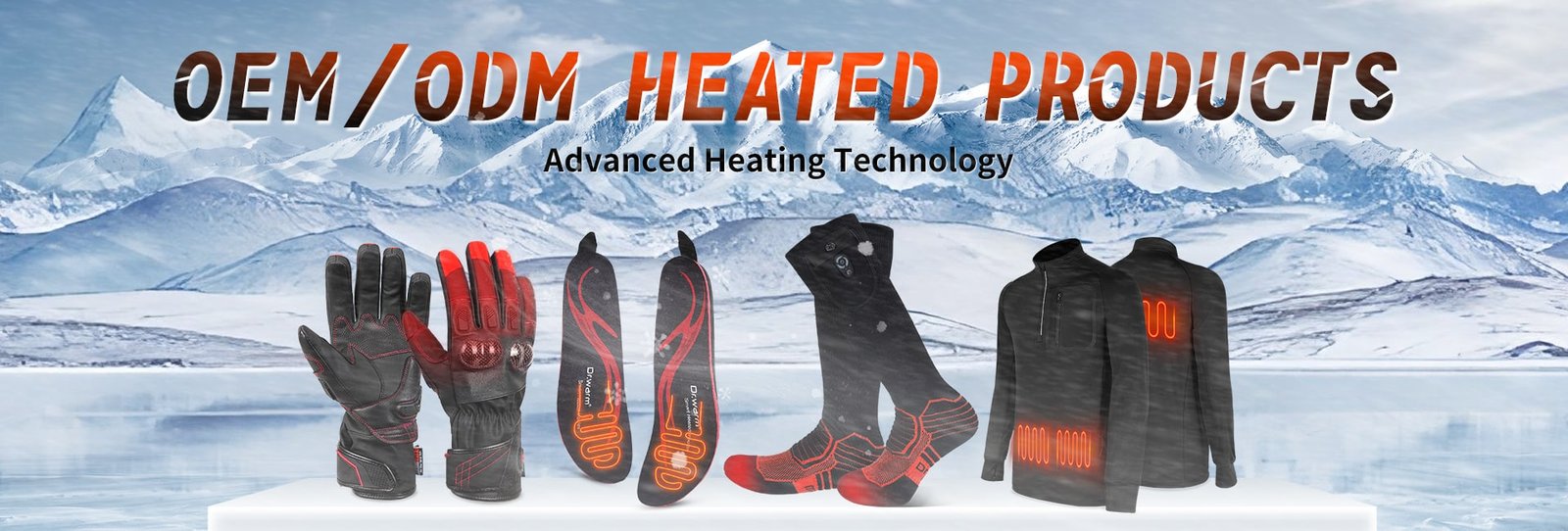
It is not as easy as reworking a regular winter jacket to create a personalized version that is now a jacket, rather than a jacket that fits. Being an OEM consultant that has helped dozens of brands navigate supply chain obstacles in the Dongguan factories, I have personally experienced that these products are a seamless t-shirt made out of textiles, electronics, and batteries. This added complexity escalates the customization of the heated jackets and the OEM of the heated gloves beyond the normal process and budget cycle of apparel. Such components as heating elements, battery systems, and safety certifications are additional engineering, testing, and sourcing that may shock new purchasers. Your custom-heated apparel OEM project is likely to be a process that is fulfilling yet requires a lot of planning to prevent delays or overruns. Following a proven OEM/ODM heated apparel development framework with clear milestones helps brands avoid common pitfalls when integrating electronics, batteries, and textiles at scale.
MOQ, Lead Time & Cost Summary
First thing first, the obligatory information every brand must have before delving into the heated garments MOQ standards or budgeting. I used these benchmarks as a realistic starting point in my production run management with the outdoor retailers; however, these benchmarks depend on the size of the factory and the level of customization.
MOQ Overview
In the case of heated jackets, the average MOQ in this case is 300-500 pcs per style, striking a balance between fabric roll and electronic batch orders. The high starting price of heat gloves, 500-1,000 pairs, is associated with complex manufacturing. Minimal MOQ can be achieved- as low as 100-200 units- by making use of the existing heating modules of the factory and not doing complete redesigns.
Lead Time Overview
Development + sampling Typically, it requires 2-6 weeks including design refinements and prototyping. Mass production times of 35-55 days, although add up to 20% more time when due to peak season (Aug-Dec) to winter gear rush. Total from order to delivery? Aim for 45-90 days, including QC.
Cost Overview
Prices will depend on the details: the type of heating element (e.g., high-quality graphene vs. the basic one), the voltage and capacity of the battery (7.4 V packs increase the weight), fabrics and insulation (waterproof softshell increases costs), controller capabilities (attachment to the APP, remoteness or not), and certification (CE / FCC / RoHS). Ball park? $25-60 per unit jackets, 15-40 per unit mid-range gloves, without shipping.
Understanding MOQ Requirements for Heated Jackets & Gloves
MOQ is not arbitrary, but it is related to economies of scale within a supply chain filled with part specialization. When buying heated apparel, you are not only ordering cloth, but you are also obliging to purchase orders of technology parts that factories will not make individually.
Why Heated Apparel Has MOQ
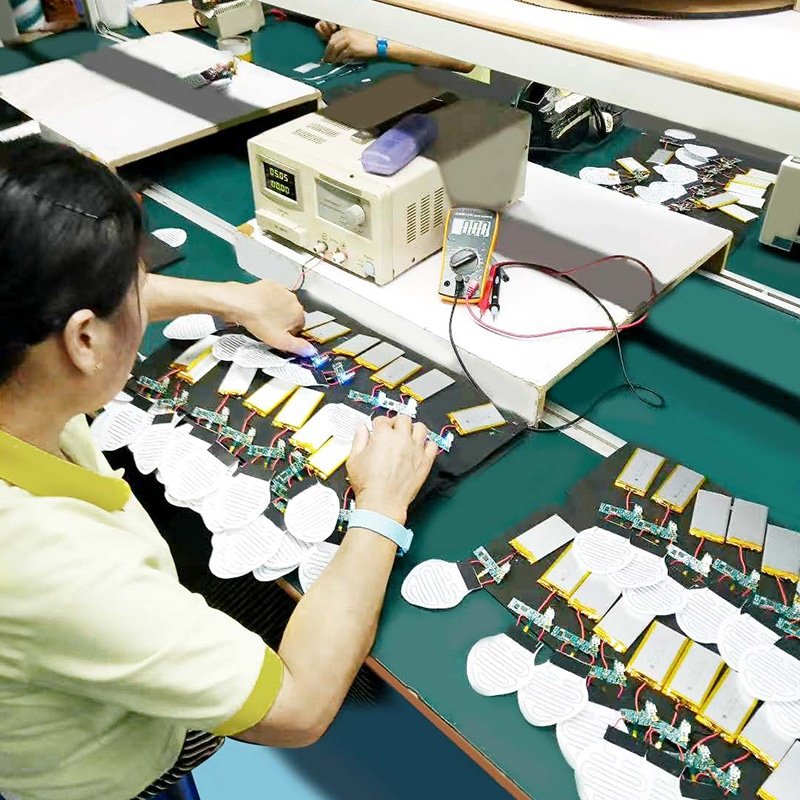
The culprit? Electronic parts such as heating pads and PCBs, battery cells, and connectors and wiring harnesses have low minimum runs with their suppliers. These are in contrast to plain textiles, which incur tooling and testing set up costs and thus small orders do not pay. I have observed start-ups shy of this but it is industry practice to meet the fixed costs.
Jacket MOQ Breakdown
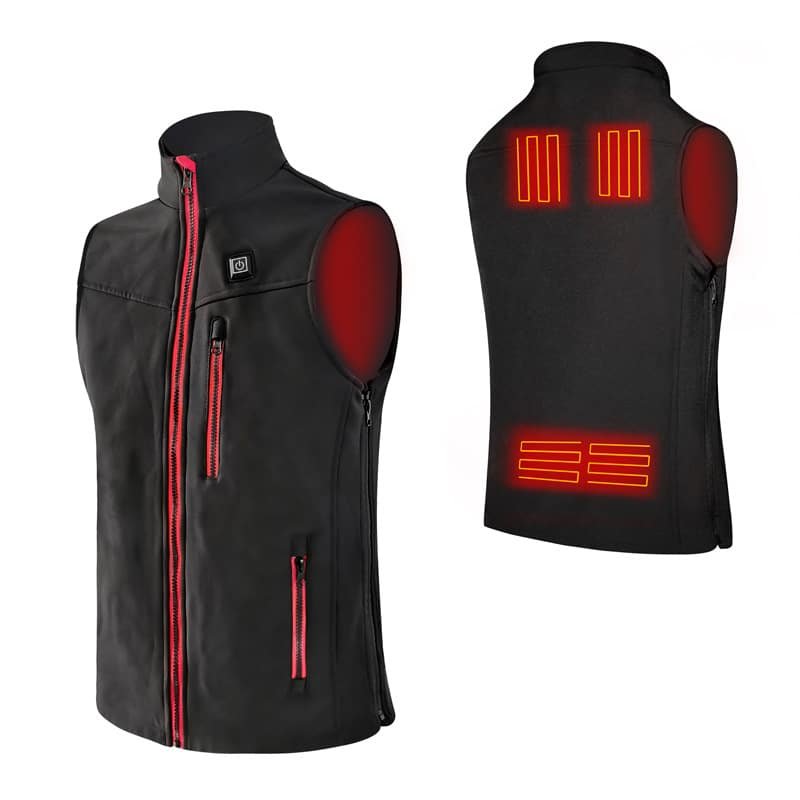
De-compose: Fabric MOQ (500-1000 meters per color), insulation MOQ (also same amount of Thinsulate), heating element MOQ(300+ pads to warrant lamination), PCB MOQ (500-units to order individual boards). This can be summed up to 300-500 pcs to make a complete customization of the jacket (heated) and no waste is wasted in the line. For brands ready to launch their own line, these benchmarks align closely with custom heated jacket OEM solutions that offer flexible MOQ options and full technical support from an experienced Dongguan manufacturer.
Glove MOQ Breakdown
Heated gloves have larger MOQ-500-1000 pairs due to the details, such as finger wiring, which require a lot of labor. Components are also smaller, although the complexity of assembly (stitching around heating areas) drives limits higher. In a project that I was consulted in, the line of tactical gloves began with a 800 pair to offset the sourcing of custom leather. Partnering with a specialized custom heated gloves manufacturer early can help optimize these higher minimums through smart use of existing components and proven production processes.
How to Reduce MOQ
To reduce specifications: Buy standard heating elements of the factory rather than hand-made design, no custom battery forms (use cylindrical forms only), and use existing forms in the catalog of the manufacturer. This is capable of reducing MOQ by 30-50 which is suitable in pilot launches.
Detailed Cost Breakdown for Heated Jackets & Gloves
The price of heated jacket manufacturing cost or the price of heated glove production is not a one-size-fits-all price, but a cumulative cost between raw materials to finished quality control. Based on actual OEM budgets I have crunched, the following is a detailed analysis of what makes the numbers.
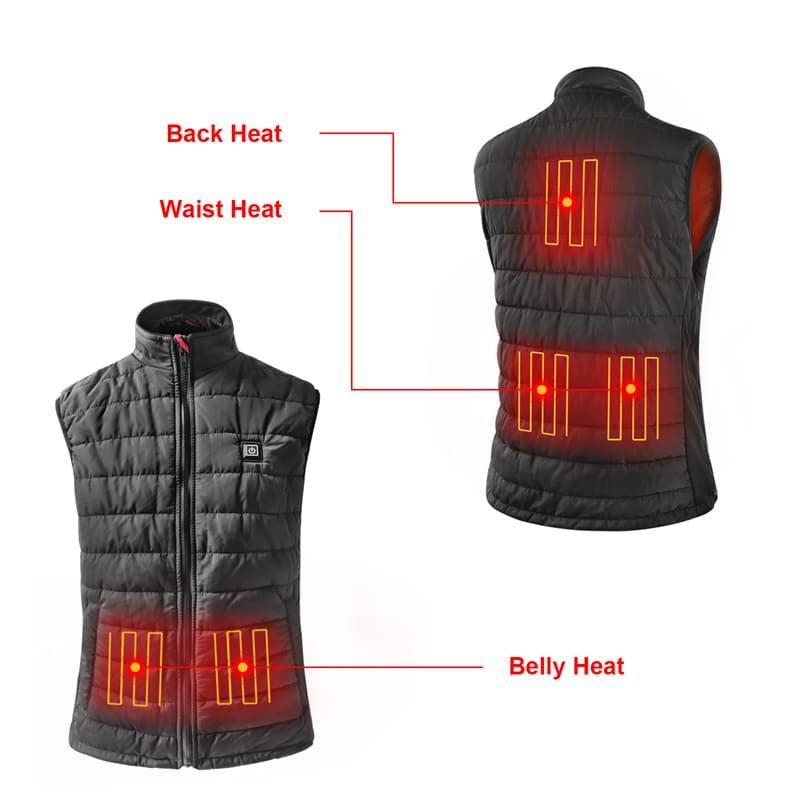
Cost Factor #1 — Heating Elements
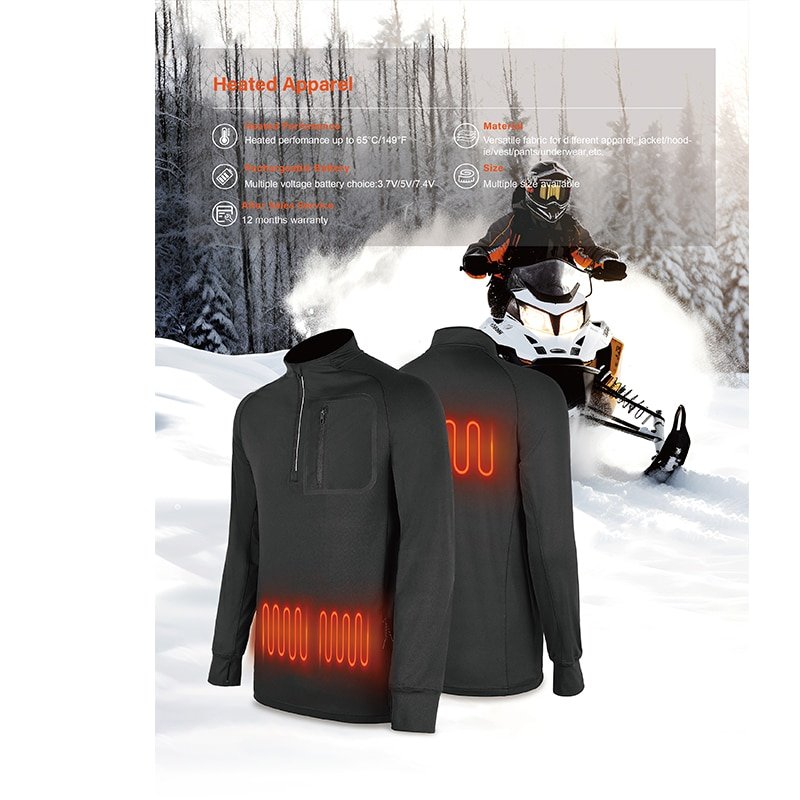
The warmth heating: Graphene (expensive, $5-10 per unit, even, nice and flexible), carbon fiber (widest, 3-6 each, zones available), or heating wire ( cheap, 2-4, bulky ). Jackets can consume 15-25% of total heating element cost, more in multi-zone. The choice between graphene, carbon fiber, and heating wire directly affects both performance and long-term reliability, which is why professional heating element design for heated apparel is critical for OEM projects that demand consistent warmth, durability, and cost efficiency.
Cost Factor #2 — Battery System
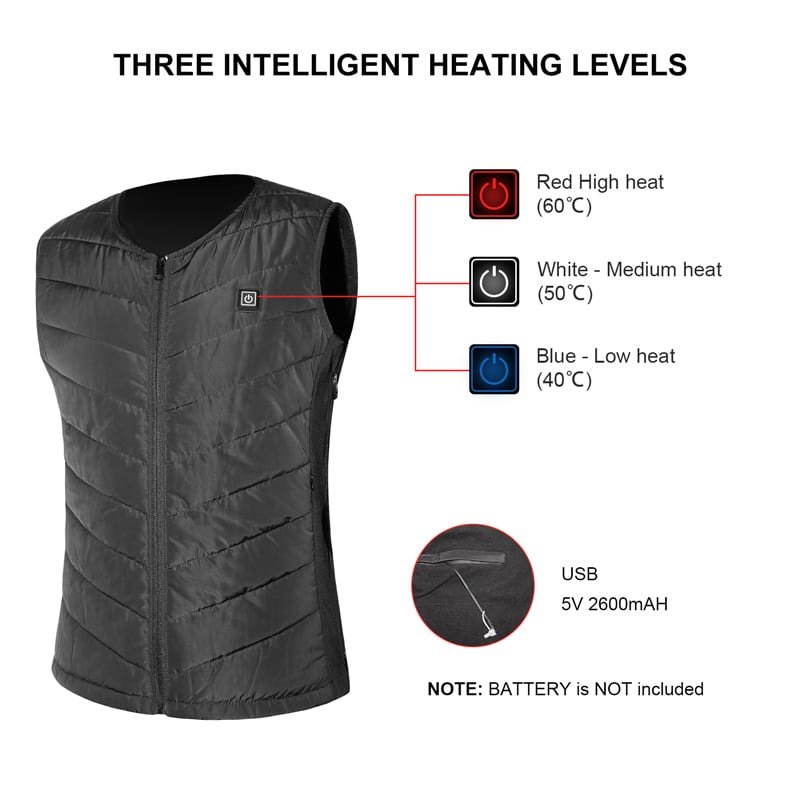
Charging options rule out 7.4 V battery (standard, 8-15 USD) to 12 V (high-output, 12-20 USD) to USB (lowest cost, 5-10 USD with power bank compatibility). Price of batteries in heated gloves can sometimes be 30-40% of the overall price, particularly when it is a custom capacity such as 5,000mAh to achieve longer run-time. Selecting the right battery solutions for heated apparel — including capacity, BMS protection, and form factor — early in the project is one of the most effective ways to control both cost and user experience.
Cost Factor #3 — Electronics & Controls
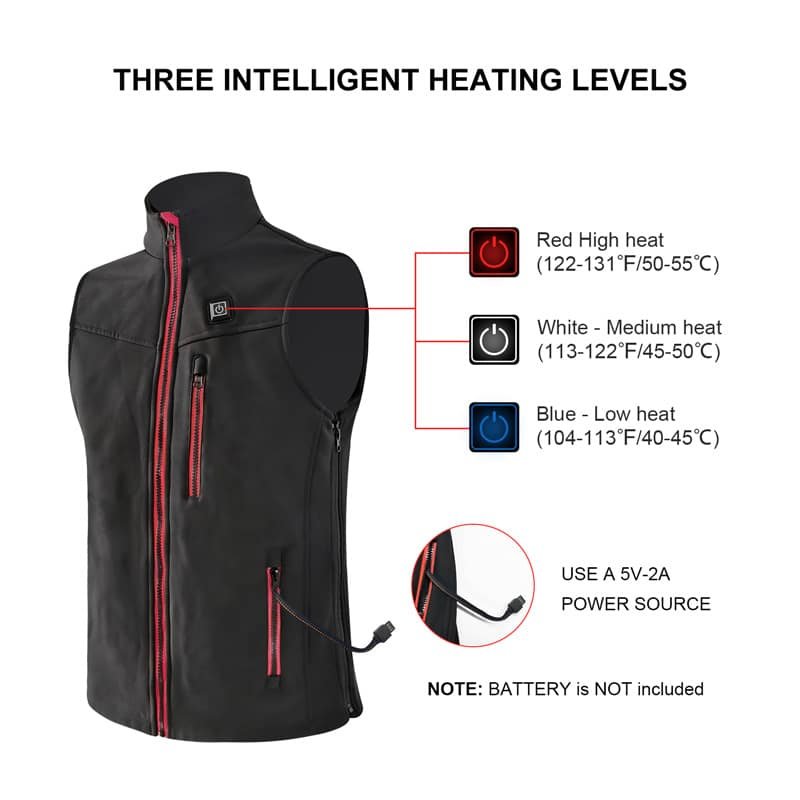
Controls are intelligent: 3-level switch basic ($2-4), remote control basic (5 to 8), or APP control module basic (10 to 15) with blue technology added. Compact PCBs in glove projects make the cost more expensive since it has to be miniaturized.
Cost Factor #4 — Fabrics & Insulation
Sofshell or waterproof membranes (4-8/meter), leather (gloves 6-12/meter), Thinsulate or fleece (insulation 3-6) are the materials. Good weather protection options may increase the cost of base apparel by 20 percent.
Cost Factor #5 — Labor
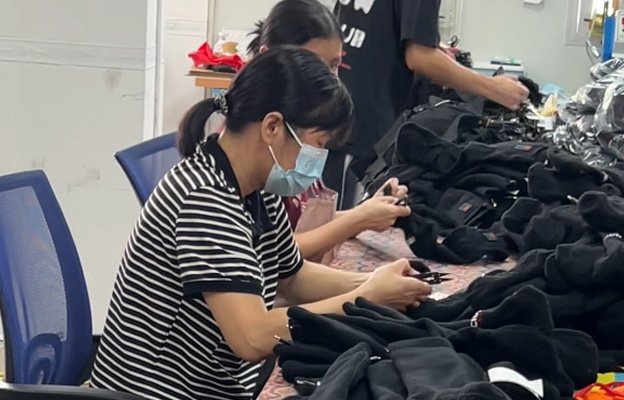
It is not cost-effective to assemble: Gloves are the most labor intensive product to make (cost of stitching around fingers is the most complex and costs them 5-10 per unit), jackets cost 4-7. The electronics integration involves competent techs, which drives up expenses in the specialized factories.
Cost Factor #6 — Certification Costs
Certification is not optional: CE, FCC, RoHS, UN38.3 (battery) and IPX waterproof testing increase the initial cost of each style by $1,000-5,000, recouped in alternatives. Skipping early? It bites later with retests.
Typical Cost Ranges (Non-promotional Estimates)
Practically: In the market: Basic wire, USB, and other types of heated jackets at entry level ( $25-35/unit ), carbon fiber, 7.4 V, and graphene, APP, etc. at middle, and high(i.e. high). In heated glove business budget, projected to be 15-25 basic, 25-30 mid and 30-40 high-end. This is FOB quotes at mid-tier factories; this is plus 10-20% custom.
Lead Time Breakdown — Full Timeline Before Mass Production
The lead time of heated clothing is longer than standard equipment because of trial and error. Based on my supply chain audits, the following are the stages of reality of a smooth OEM apparel development cycle.
Phase 1 — Product Development (1–3 Weeks)
Begin with technology pack review, heating system choice, and material choice. Custom specs? Figure 1 Add time to source samples.
Phase 2 — Engineering Sample / Prototype (1–3 Weeks)
Build and test: Uniformity heating test, 2 battery pairing test, mannequins fit test. Repeats do away with mass problems.
Phase 3 — Pre-Production Sample (PPS)
Approve PPS- 1-2 weeks to prepare samples and shipment.
Phase 4 — Mass Production (35–55 Days)
Premier production: Shearing, stitching, assembly. Heated gear lead time is used in peaks that have component waits in the factories.
Phase 5 — QC Testing (7–10 Days)
Strict tests: Thermal tests, run test, wiring strength, battery safety. Failures loop back.
Phase 6 — Shipping Time
Air (7-14days, more expensive with batteries) vs. sea (30-45days). As stipulated by UN38.3, batteries must be handled differently. Brands that invest in professional heated product design and engineering upfront typically experience smoother transitions from prototype to mass production, with fewer costly revisions and faster overall lead times.
What Makes Heated Jackets More Expensive Than Regular Jackets?
Heated versions are 50-100 percent more expensive than non-heated ones – here is the reason why, according to factory breakdowns which I have examined.
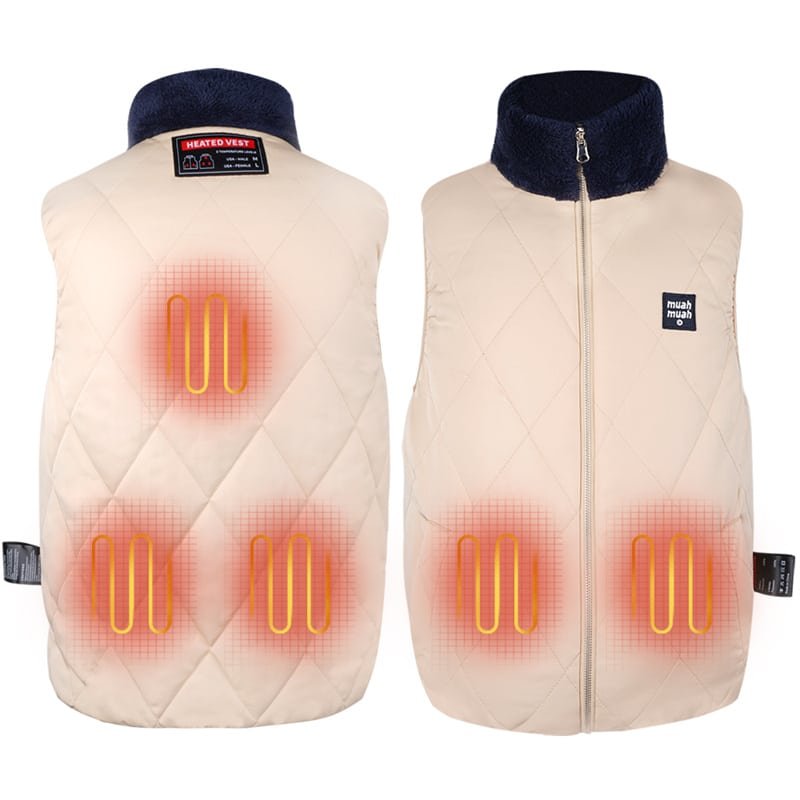
Component Integration
Combining textile + electronics will require hybrid lines, which will lead to additional setup charges.
High Testing Requirements
In basics, temperature control and battery tests (e.g. overcharging simulation) are not required.
Material Upgrades
Premiums are justified by better insulation and waterproofing which helps to retain heat.
Assembly Complexity
Addition of more sewing stages + addition of electronics–suppose you are going to route wires without swellings.
Tips for Reducing Cost, MOQ & Lead Time
Clever solutions by projects that worked: Adapt existing heating modules to reduce the design time, use common fabric types to source faster, eliminate APP control where not needed (use buttons) and simplify production by limiting color offerings and size options.
Common Mistakes Brands Make When Customizing Heated Apparel
These traps that I have witnessed have caused failures in launching a derail product: Under-estimating battery price (it is not a pack–add BMS), anticipating normal lead times in apparel (MOQs increase times two), over-personalizing heating zones (more zones cost more), not considering certification issues early (retrofitting costs more), and making last-minute purchases in winter (queues form by July).
Final Recommendation — How to Plan MOQ, Lead Time & Budget Successfully
To conclude this guide on sourcing of a heated jacket, the MOQ of 300-1,000 pieces, the lead time of 45-90 days, and a price ranging between 15-60 USD, are anticipated to be paid depending on the specifications. My recommendation: Give a tech pack a detailed look, use certified factories to enhance transparency, build buffers, and prototype in the first place as a supply chain expert. Attend necessities such as quality heating elements and batteries to strike the balance between quality and cost. Your custom-heated jackets price analysis or glove project can break through market windows profitably with good planning – contact checked manufacturers of OEMs with a quote.