
Introduction — What Brands Need to Know Before Designing Custom Heated Apparel
Starting a line of heated apparel on behalf of the brands is not comparable to the process of coming up with regular outwear instead, it is an engineering task that involves balancing the appearance of the garment with the electronic features. Engineering in the heat apparel sector, on OEM assignments for outdoor companies, shows how a lack of attention to the technical specifics, such as heat distribution, or integration of batteries, can condemn a product to glowing or even safety concerns. Designing custom-heated clothing requires skills in materials science, electrical and ergonomics of the user, much more than normal fashion design. Be it the design of a custom heated jacket or customized heated glove design, the objective is to produce clothes that are warmer, wearable and compliant that will make your brand shine in competitive industries such as winter sports or working clothes.
The Three Core Decisions That Define Heated Apparel Design
Brands have to nail down these preliminary decisions before drawing a single pattern of how to create a piece of clothing within a complete heated product design process. They determine all the prices of cost to performance, what to position your product as a low-end casual outfit or an extreme cold high-end outfit.
1 — Choosing the Right Fabrics
The materials used in the jackets and gloves to keep warm precondition coziness and quality. Use fabrics that maintain heat, absorb water, and stretch as they move, because the options that fail to do such things bulk up or fail to adhere to elements.
2 — Choosing the Heating System
Clothing heating systems define the amount of warmth and efficiency. Some of these things include graphene with thin profiles or carbon fiber with strong output and strategically marking areas to prevent cold spots.
3 — Choosing the Battery System
Run time and power depend on battery choice on heated apparel. Capacity requirements: Balance 5 V, 7.4 V or 12 V systems – underpowering will destroy the user experience and over-capacity will waste money.
These choices are not independent: A high-voltage battery is complementary to tough fabrics and high-tech heating, and your OEM process of heating apparel needs to align with brand objectives such as cheap or luxury.
Step 1 — Selecting the Right Fabrics for Heated Apparel
Fabrics are not only aesthetic but they should also be insulating, protect the electronics, and be resistant to wash. When it comes to designing lines for ski brands, inappropriate materials in mismatched situations lead to delamination or heat loss, and this is why it is better to focus on compatibility at the very beginning.
Outer Layer Fabrics
Asofter fabrics such as softshell, polyester, nylon and waterproof membranes, such as Gore-Tex, are waterproof. Sofshelf provides flexibility in jackets, whereas, nylon suits provide abrasion resistance of gloves – necessary in which fabrics perform best in heated jackets to use outdoors.
Middle Layer (Insulation)
Trap heat with Thinsulate, cotton, polyester padding, or fleece in place of bulk. Thinsulate works well in slim vests and is 1.5x warmer than down is at half the thickness, which is perfect in a layered design.
Inner Layer
Select permeable lining such as mesh or cotton blends that would cover heating elements without letting them sweat. This will make it resistant to corrosion and will improve comfort when worn over time.
Fabric Considerations for Gloves
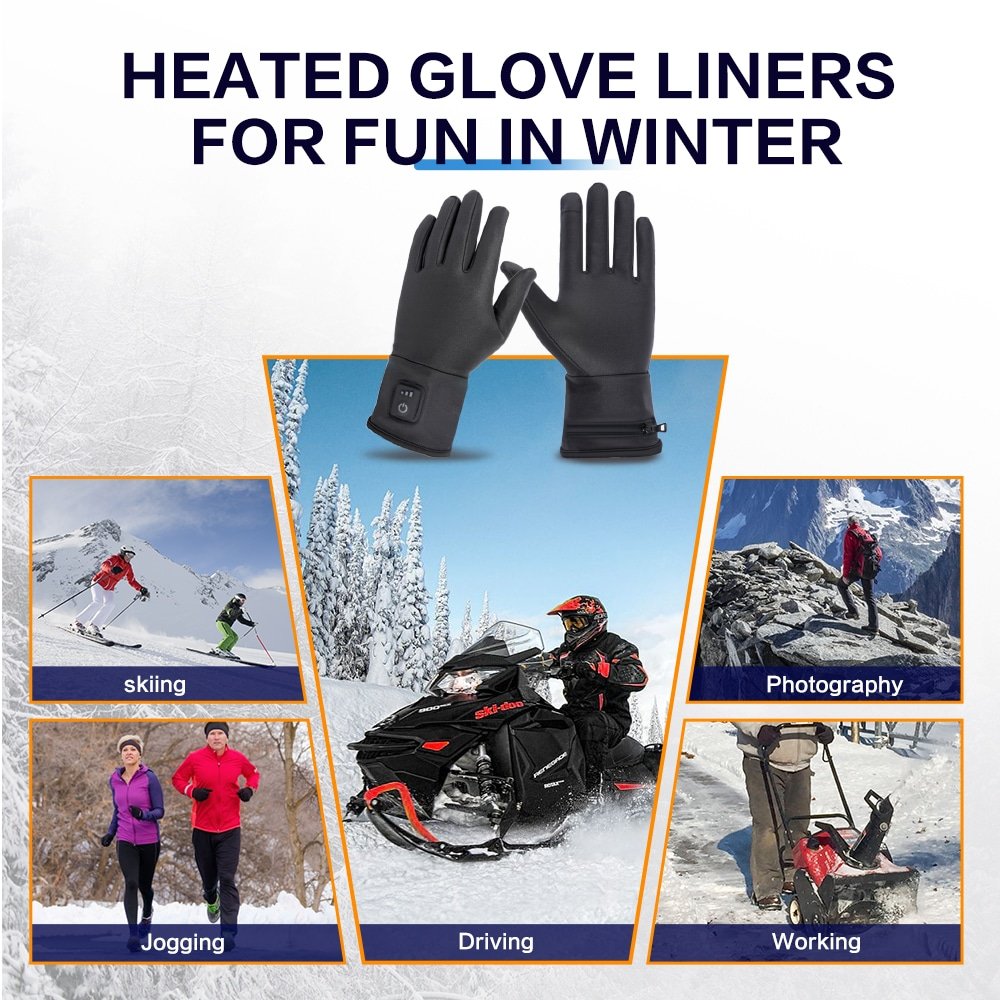
For custom heated glove design, select leather, PU leather, windproof membrane, and light insulation. Grip is added to the motorcycle gloves with leather, and it must be coated to bend around hot fingers.
Key Considerations
Pay attention to heat retention (high-loft insulations), comfort and versatility (stretch fabrics), waterproofing and windproofing (IPX-based coating), and bonding to heating elements (fabrics which laminate well). Swatch test to protect rework.
Step 2 — Designing the Heating System
The heating system is the engine of the product- get it wrong and your gear is gimmicky. Based on the experience of projects optimising systems of workwear brands, prioritize uniform distribution and control of users to ensure practicality in the real world.
Choosing Heating Elements
It can be graphene film, carbon fiber, or heating wire depending on whether the priority is lightweight even heat, durable output, or lower cost with higher hotspot risk. Carbon fiber is the usual choice as it offers a good balance of costs and performance in multi-zone systems.
Heating Zone Layout
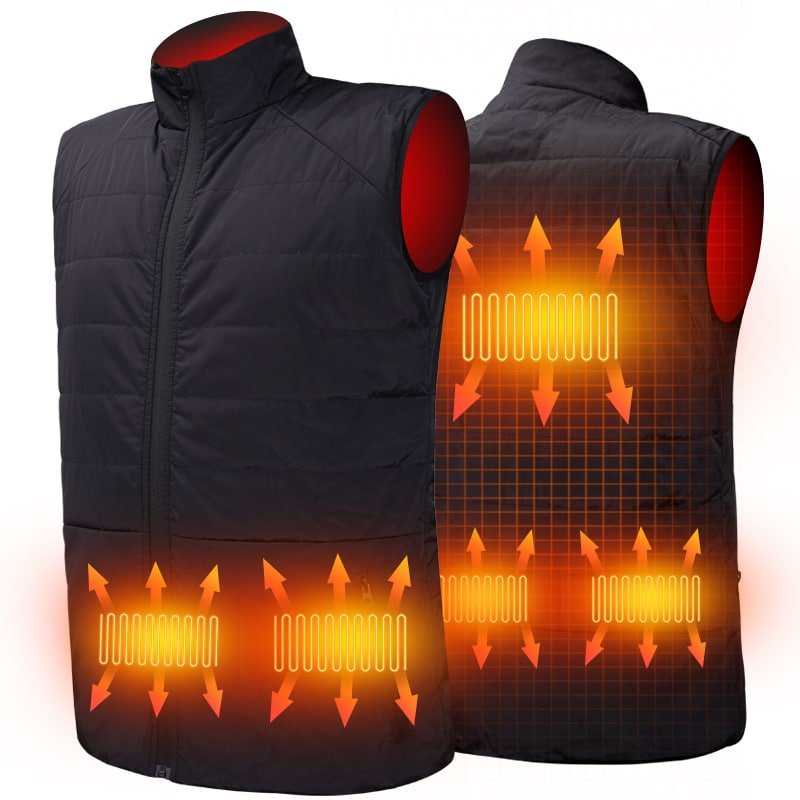
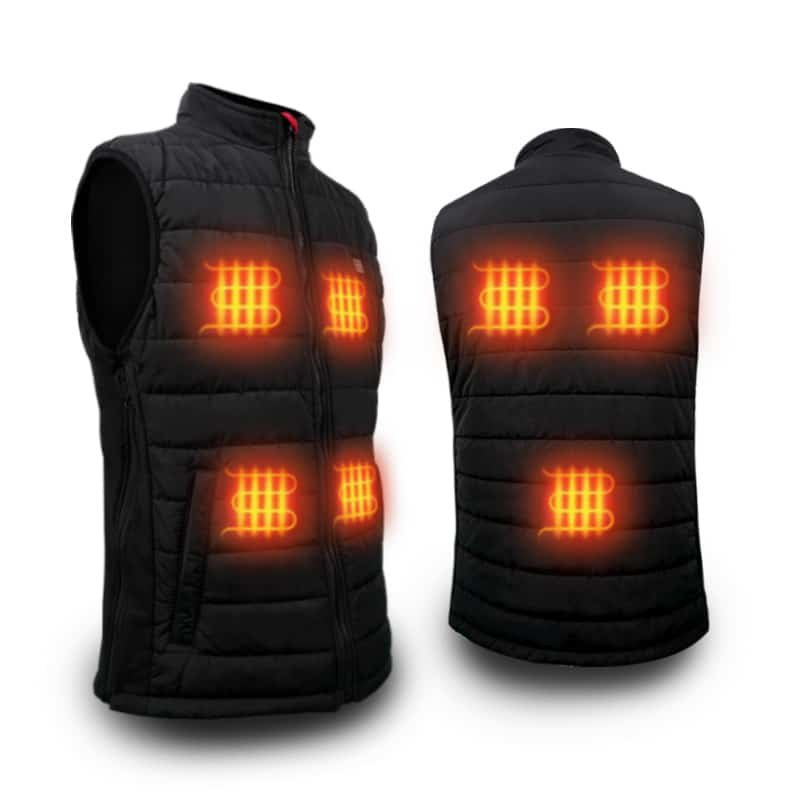
When designing heating elements that warm clothes, do not miss high-loss points: the back, chest, abdomen to jackets; fingers, palm to gloves; toes, lumbar to socks or pants. The surface area of zoning heating should be 20-30 percent to ensure that the area is not overheated.
Heat Distribution & Comfort
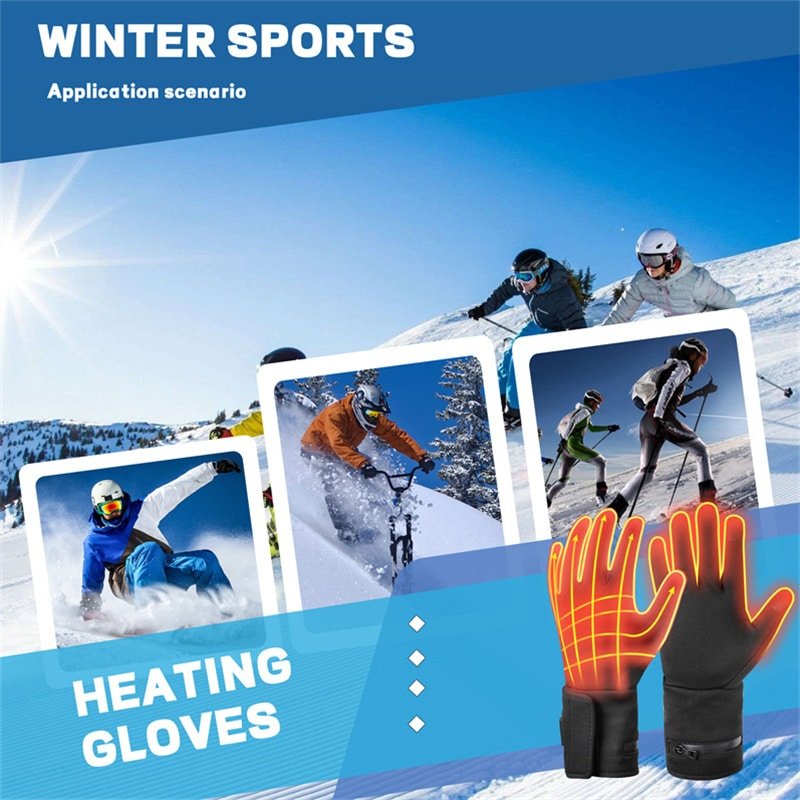
Even distribution of heat Electric wiring should be zoned–uneven patterns lead to complaints. Glove designs use curve lines along knuckles to provide the ability to move freely, and the warmth goes to the fingertips without limiting handhold.
Controller Options
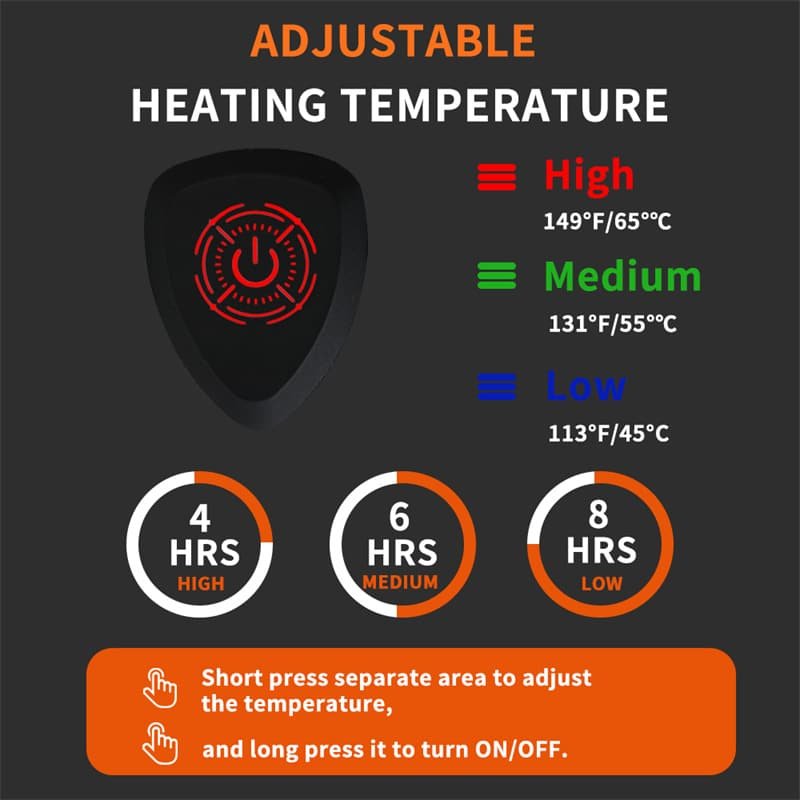
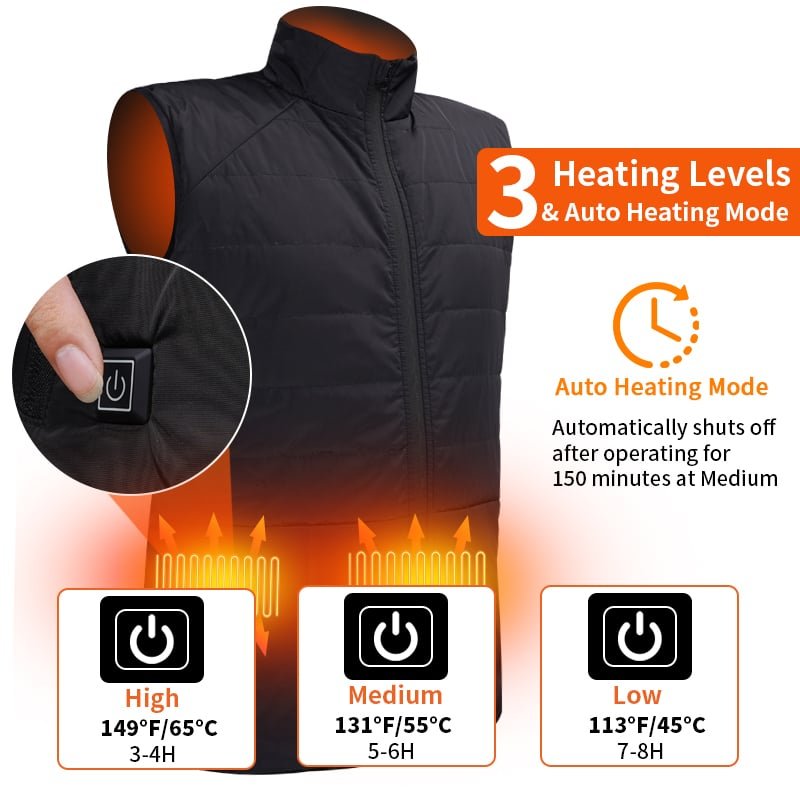
Add 3 level switch on basics, remote control on convenience or APP control on smart features such as temp scheduling. APP integration would be appropriate with tech-savvy brands but would complicate things.
Wiring Placement & Safety
The route wires bend easily around seams with additional reinforced stitching and positioning of connectors. Apply silicone coated wires to avoid breaks which are essential in the active equipment such as skiing jackets.
Step 3 — Choosing the Battery System
The promise is powered by batteries, where undersized packs cause short run times and returns. Compare 5V to 7.4V 12V to suit your intended application.
Voltage Options
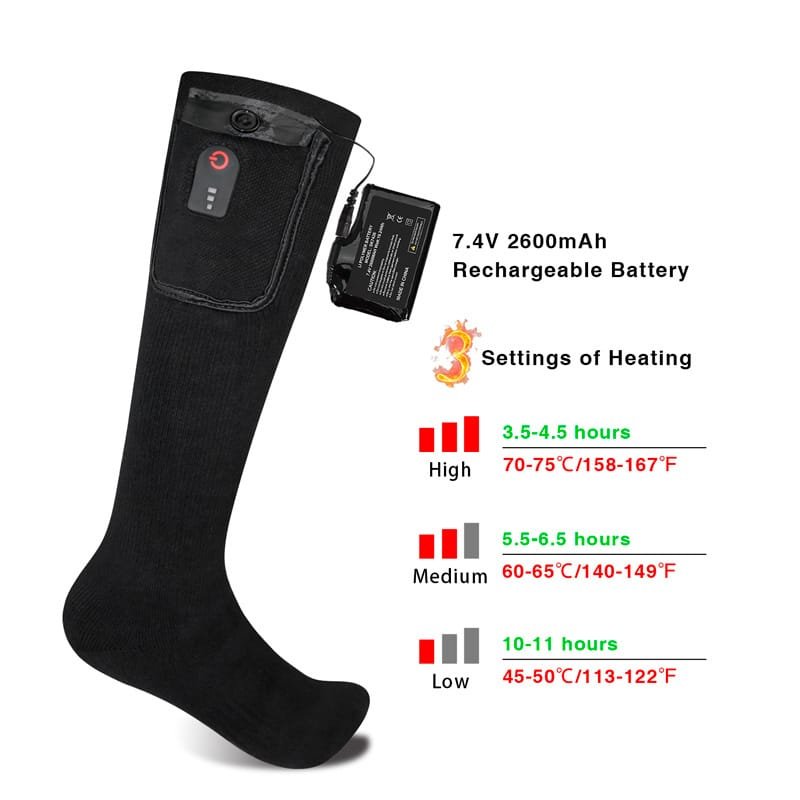
5V (USB) is inexpensive, packable to use in moderation (30-40degC heat), 7.4V provides balanced power (45-55degC) to be worn on a daily basis, but is heavier- 12V is extreme cold but is better suited to workwear.
Battery Capacity
When deciding battery capacity of heated equipment, compute using mAh Vs Wh: A 5,000mAh 7.4V pack provides 37Wh, which can power 4-8 hrs on medium. Factor cold-weather drain (20% loss at 0degC) realistic specs.
Battery Shape & Pocket Design
Wear thin curvy packs to be comfortable; put pockets on hips/waists to share the weight. Gloves have micro-batteries in cuffs that ensure dexterity.
Charging Requirements
USB-C ports should be a priority with the goal of 2-4 hour charges. Mobile features such as the ability to use power banks attract travelers.
Certifications Required
Certifications Required include transport compliance, CE, FCC, RoHS, and UN38.3 requirements for different markets. These guarantee lack of liability due to faults.
Engineering Considerations for Custom Heated Apparel
Heated clothing engineering makes it all work–prototypes fail due to the lack of effective integration, and therefore integration should be a smooth marriage.
Layer Bonding & Heating Film Attachment
Secure elements using lamination, stitching or adhesive bonding. Graphene is the best material to use in lamination to avoid wash shifts.
Pattern Engineering
patterns Use scale proportionally to avoid large fit gaps, align heating zones across all sizes.
Temperature Regulation Logic
Combine thermostat, microchip controller, and heat balancing software to keep constant temperatures, adjusting to activity.
Safety Engineering
Internal overheat (cut off 65degC) or short-circuit protection, battery BMS system with voltage monitoring, etc. – no compromise on brand trust.
Design Differences Between Jackets and Gloves
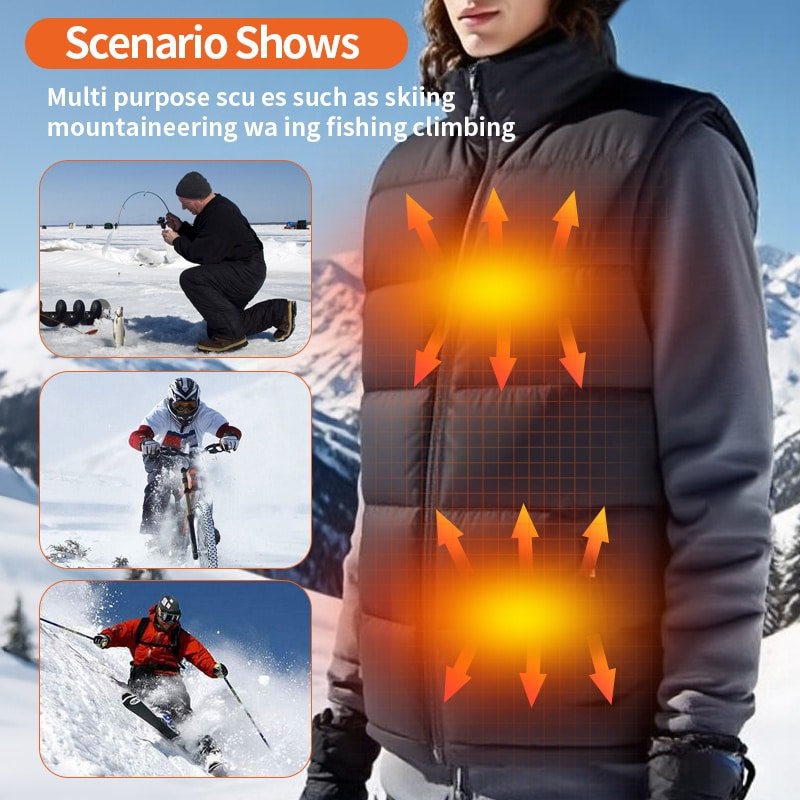
Tweaks depend on the type of product: Heat jackets require large heating areas and increased power to cover the torso. Gloves require accurate finger heating + insulation + dexterity, with a skinny element to retain feeling. Heated vests are less volumetric and lighter to wear. Heated socks / pants are more focused on movement without bulk through flexibility and thin heating components.
Cost Factors Brands Must Consider
Plan your budget: Softshells cost between $5-10/meter, and waterproofs cost $15 and above. Heating element price: Graphene (price is the highest: $8-12/unit), carbon fiber (prices are in the range of 5-8), wire (range is 3-5). Price of battery: Voltage + capacity (10-25). Cost of labor: Gloves are the most complicated to sew (6-10/unit vs. 4-7 jackets).
Sample, Testing & Pre-Production Process (Brands Must See)
The Sample, Testing & Pre-Production Process in OEM heated apparel development usually takes 2-6 weeks depending on the complexity. QC is to be thermal imaged to check uniformity, test in cold chambers, wiring durability (5,000 bends), and temperature tolerance (+-2degC). Pre-production sample (PPS) to pre-detect problems prior to bulk.
Common Mistakes Brands Should Avoid
Common Mistakes Brands Should Avoid include over-designing heating zones (more expensive but not worth it), using batteries that are not big enough (shorthand life), using fabrics that do not work with heating films (peels off), disregarding certification (shuts down markets), and not testing to make things fit (bad fits are bad sales-wise).
Final Recommendations — How to Build a Successful Custom Heated Apparel Line
For apparel brands rolling out heated collections, choose fabrics that match your audience – sport-durable or casual-soft. Plan the heating layout early to lock in even heat. Specify certified, safe batteries sized to usage intensity. Prototype and PPAP thoroughly. Set clear product objectives aligned with market needs such as portability or power. Follow these steps and your own branded heated apparel will perform — as proven by OEMs that have shipped quality equipment under their own brands.
Frequently Asked Questions
Which decision should come first — fabric, element or battery?
The use case, then the element, then the pack, and fabric last. Fabric is the most visible choice and the least constraining one; the element layout and pack shape decide whether the garment can be built at all. Brands that start with fabric usually end up changing the pattern twice.
Can fabric be chosen independently of the heating system?
Not really. Film elements need a bonding surface that survives washing, and a shell that delaminates takes the element with it. Thick insulation over a weak element makes the product feel cold; a thin shell over a powerful element makes it feel harsh. The three are one chain, and the bonding test is where that chain usually breaks.
How many heating zones should a jacket have?
Fewer than the marketing suggests. Chest and upper back cover the core and are what most wearers actually notice; sleeves matter mainly for workwear and riding. Each additional zone adds wiring, a connector and a failure point, and rarely changes how warm the garment feels. Coverage of the right area beats coverage of more areas.
What is a realistic scope for a first heated line?
One style, one colourway, a short size range, on a pack and controller family we already run. That keeps tooling low and gets a real product into the market in a season. A second style that shares the same pack is then almost free to add, and gives the customer a reason to buy twice.