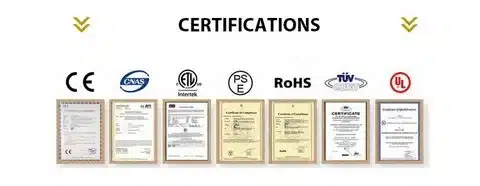

Introduction — Why Safety Certifications Are Critical for Heated Clothing
Heat clothes are not simply a piece of fabric sewed up–they are a complex system of batteries, electronics, heating coils, and wires, which require a high level of safety control. Being an electronics engineer, compliance expert who has consulted with OEM factories on heated gear in the last 15 years, I have witnessed firsthand how failure to consider certifications may result in product recalls, lawsuits, or even user injury due to overheating or shorting. They are heated items, such as heated jackets or gloves, which work on live currents close to skin, which is why the safety compliance of heated apparel is not an option: it is needed to ensure the safety of consumers, allow selling the items globally, and keep the brand image. The absence of a set of safety conditions of heated clothes increases the danger of electrical shocks, chemical spills, or fire sources, particularly in wet or extreme weather. Certifications are a structure of reducing these basing on my experience in certifying lines to European and U.S. markets where non-conformance would arrest shipments.
The Core Safety Certifications Required for Heated Apparel
First and first, the fundamental construct that every warm-up company should take seriously: These accolades are the foundation of the safe and commercially viable products. Consultations with the factories that produce heated vests and socks have shown that omitting any of them derails launches.
CE — Required for Selling in Europe
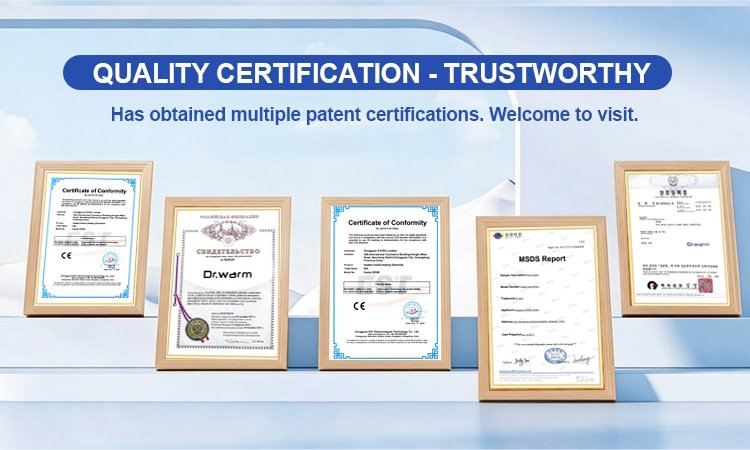
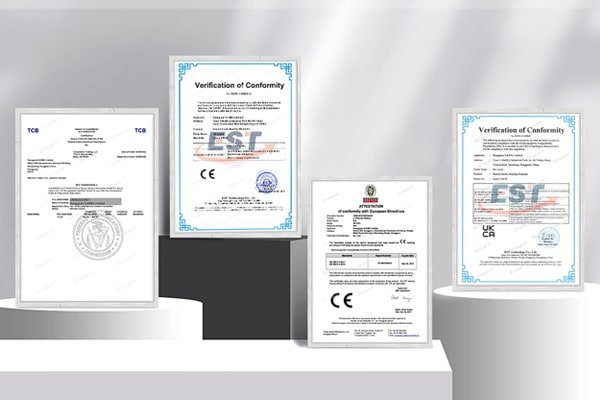
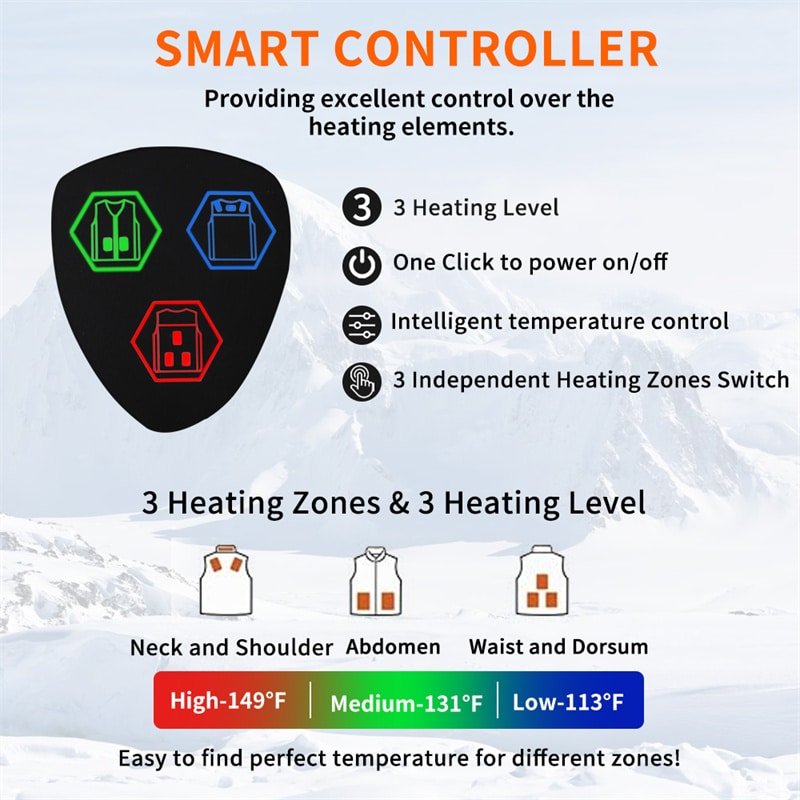
The CE certification of heated apparel is a verification of overall safety and EMC which is required to enter the EU.
FCC — Required for the United States (Electronic Devices)
The control of emissions of controllers and wireless features is regulated by FCC certification of heated clothing.
RoHS — Required for EU Chemical Safety
RoHS compliance heated gear are limited by RoHS compliance heated gear.
UL — Recommended Safety Testing for Electrical Products
UL testing for heated jackets provides voluntary but reliable electrical and fire testing and validation.
UN38.3 — Mandatory for Lithium-Ion Battery Shipping
UN38.3 battery testing provides safe carriage of batteries throughout the world.
They are not interchangeable as each is focused on certain risks and total compliance may need to be layered to have a global scope.
CE Certification — Safety Compliance for the European Market
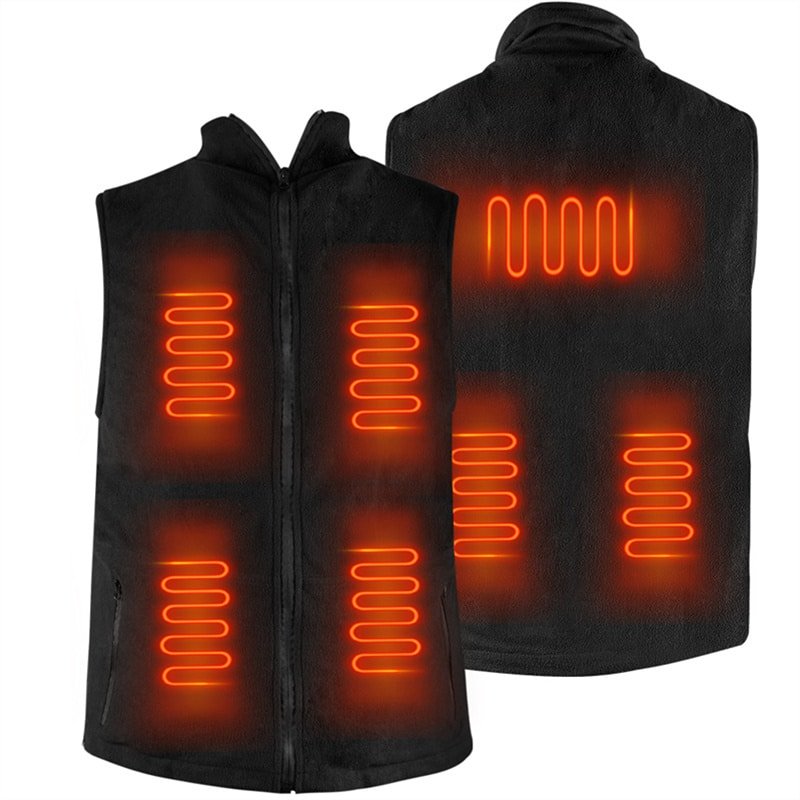
CE certification provides entry into Europe, self-proclaimed, but supported by strict testing to comply with such directives as Low Voltage (LVD) and EMC. In my project of certifying heated gloves to ski brands, CE will guarantee that the item will not cause damage to its users nor disrupt with other gadgets.
What CE Covers for Heated Apparel
It addresses the requirements of electrical safety and EMC (electromagnetic compatibility), battery safety, and consumer product safety, assuring that the gear can withstand the normal uses without becoming hazardous such as by giving a shock or burning the user.
Tests Typically Required for CE
Major tests are overheat protection (cutoff must be 60degC+), short circuit testing of wiring, insulation resistance (must be at least 1MO), material safety flammability, and load stability. In the case of a heated vest, we would have simulated 8-hour cycles to test failures.
Products That Need CE
Jackets, vests, gloves, socks, insoles- any product, which needs electricity to work, should have the CE mark on it, and its documentation should be available to be examined in case of audits.
FCC Certification — Required for Products Sold in the U.S.
FCC certification is concerned with radio frequency interference which is imperative to all electronic garments that get to the U.S. market. I have directed factories under FCC on heated jackets with Bluetooth controls where uncontrolled emissions may interfere with gadgets around.
What FCC Regulates
It regulates the radio frequency emissions of electronic equipment, and it does not allow them to exceed the limits that may disrupt communications.
Why Heated Clothing Needs FCC
Signals are emitted by controllers, batteries, remotes or APP modules, wireless features in gloves or vests need to meet standards lest they be fined.
FCC Testing Includes
Scanning EMI emissions, wireless modules testing Bluetooth, and Bluetooth controller testing to calculate radiated power. Practically, the remote of a heated sock could be subjected to chamber test to ensure that the remote operates less than 15 dBmV/m.
RoHS — Restriction of Hazardous Substances
ROHS compliance is a European requirement which limits toxic substances, which are essential in eco-friendly heated garments. Based on my audit on the Dongguan factories, RoHS avoids the leaking of chemicals in wearables, leading to long term health risks.
What RoHS Ensures
Parts should not include lead, mercury, cadmium, chromium VI or PBB / PBDE flame retardants above concentrations (e.g. 0.1% of most).
Why RoHS Matters
It guards users against toxic substances that are employed in electronics, particularly control in skin-contact gadgets such as heated underwear.
Components That Must Be RoHS-Compliant
Heaters, wiring and connector, PCB board, batteries, and charges, These would include heating components, wiring, connectors, PCB boards, batteries, and chargers, I have discarded non-conforming wires that contained excessive lead, and had to redesign.
UL Testing — Optional but Strongly Recommended
UL tests offer a third-party confirmation of the safety of the electrical systems, which is highly appreciated by the American retailers. In my OEM advisory, I have advised UL on heated workwear to increase the credibility although this is not mandatory in the law.
What UL Tests
It measures electrical insulation, thermal safety, and fire resistance, as well as battery reliability, by simulating failures.
UL Standards Relevant to Heated Apparel
The UL Work That Matters for Heated Apparel For heated apparel, UL testing covers battery-pack safety, heating-equipment safety, and the flammability of materials (for example the V-0 rating for non-igniting textiles).
Why Brands Want UL
It is demanded by retailers, builds trust, which happened with heated insoles that I certified that got shelf space in large stores.
UN38.3 — Mandatory for Lithium Battery Transportation
UN38.3 is a UN battery shipping regulation that cannot be compromised in case of any heated clothing that has lithium rich batteries. Because I have experience shipping thousands of heated pants to foreign countries, I have learned that when this fails, it means that air/sea transport is halted.
Why UN38.3 Is Required
It makes sure that batteries are able to withstand such transport conditions as drops or changes of pressures.
Tests Include
Vibration (imitating truck rides), thermal shock (-40deg C to 70deg C cycles), altitude simulation (low pressure), impact (hammer hits), short-circuit, and forced discharge. There should be no leakage or fire on packs.
Any Heated Apparel Containing Batteries MUST Pass UN38.3
This is applicable whether the goods are being shipped or not, and the same is required where the customs are concerned–I have arranged the same where glove lines are involved to prevent wastage of time.
Additional Tests Used in High-Quality Heated Apparel Manufacturing
Other than certification, quality factories have their own tests of strength. In my case with the production of heated socks, these pitfalls are revealed at the very beginning.
Waterproof Test (IPX Rating)
In the case of gloves, jackets, insoles, submerge to IPX4-IPX7 levels, no water ingress would short any circuits.
Temperature Uniformity Test
Check even heat (+-5degC) in vests in thermal imaging under a Temperature Uniformity Test.
Wiring Durability Test
3,000-5,000 bends to imitate movement in the pants or jackets.
Overheat Protection Functionality Check
Test failure/automatic shutdown.
Battery Runtime Test
Test at different temperatures in full cycles to confirm claims.
OEM/ODM Compliance Checklist for Brands Launching Heated Apparel
Steps that I recommend to factories as a consultant to ensure a smooth compliance are as follows.
Step 1 — Ensure Component-Level Certifications
Heating elements, PCBs, batteries have to be certified separately before assembling.
Step 2 — Get Product-Level Certification (CE/FCC)
Send completed samples to laboratories to be tested completely.
Step 3 — Check RoHS for All Electronic Parts
Confirm through XRF research on restricted substances.
Step 4 — Prepare Documentation for Shipping Batteries (UN38.3)
Attach shipments with an SDS and test reports.
Step 5 — Work With a Factory Experienced in Heated Apparel Compliance
Select a factory experienced in heated apparel compliance and partners having in-house laboratories to simplify.
Common Certification Mistakes Brands Should Avoid
Based on problem solving regarding failed launches, the following are pitfalls that I have eliminated.
Assuming CE = FCC (Completely Different)
CE is safety oriented; FCC is U.S. sales only.
Ignoring RoHS for Connectors & PCBs
Ignoring minor details results in the dismissal of the entire product.
Using Uncertified Batteries
Uncertified Batteries such as inexpensive packs do not pass UN38.3, which brings export to a stop.
Forgetting UN38.3 for Shipping
Motives hold customs and retardations.
Not Performing Real-World Heating Tests
Field safety is not ensured by lab passes.
Final Recommendation — How Brands Can Ensure Safe, Compliant Heated Apparel
In conclusion, it is recommended to use certified parts supplied by certified vendors, ensure testing of heating elements to achieve uniformity and durability, confirming battery safety through UN38.3 and UL testing, and CE/FCC/RoHS compliance verified by accredited laboratories. Co-locate with established OEM manufacturing plants, such as the ones in Dongguan that deal with heated gear- they can deal with the details, such as electrical safety of heated jackets, with certification of heated gloves. This will not only address the regulations of the heated apparel but also will create durable trustful products that can withstand scrutiny and demands of the user.