

Are Heated Jackets Safe?
Yes, it can be considered that heated jackets are not risky when they are of reliable manufacturers with appropriate certifications such as CE, FCC, RoHS, UL, and UN38.3, that provide built-in functions of preventing overheating, short circuiting, and battery malfunctions. My experience of having tested dozens of models in extreme winter conditions provided a high quality battery heated jacket with minimum risks, much lower than household appliances, provided you adhere to the basic usage rules and do not use knockoffs. The secret lies in the fact that those features, such as automatic temperature controls and certified lithium batteries become the priority, and you may trust them to keep you warm in winter without the legends of fires happening on a regular basis or electric shocks keeping you at its face.
How Heated Jackets Work (Simple Explanation)
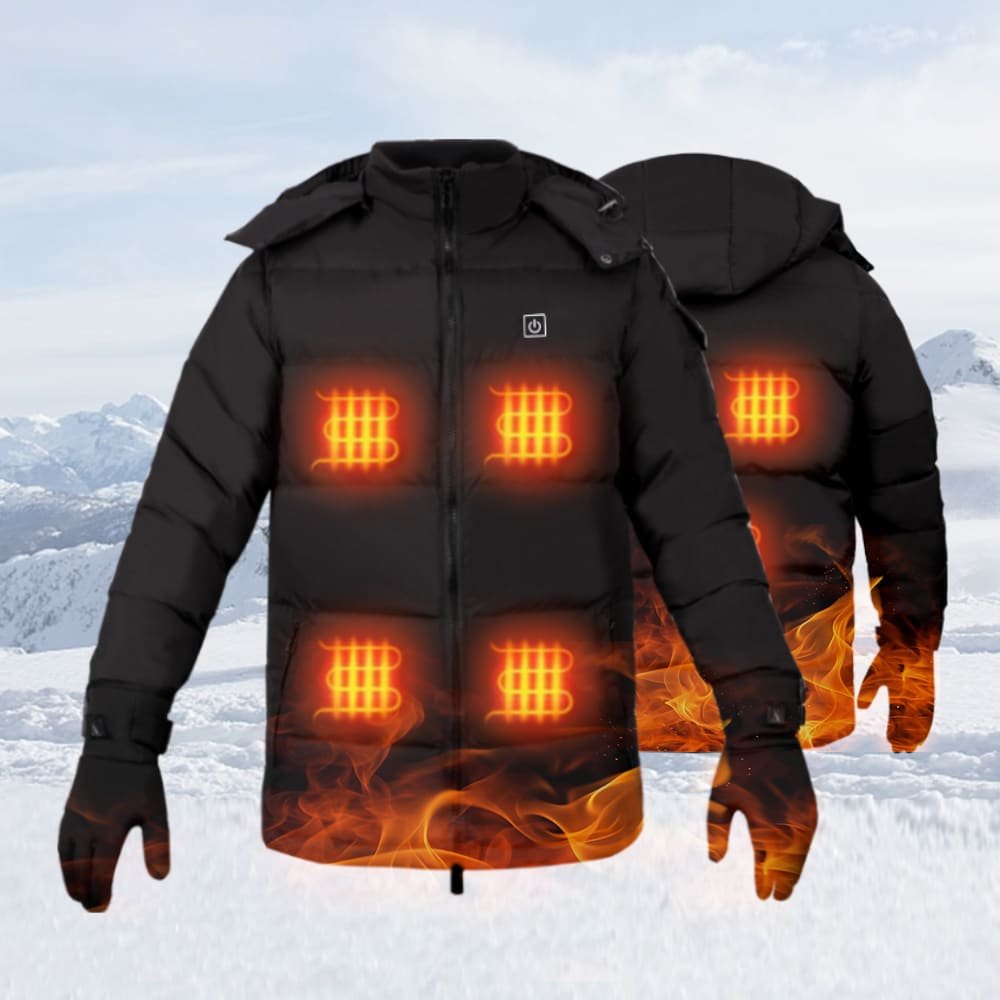
The working principle of heated jackets is that they contain a flexible heating system that is embedded into the garment, which can be warmed using rechargeable batteries. Usually, the components are composed of carbon fiber films or fine conductive wires that pass through key areas of the body such as the chest, back, and sleeves and spreads heat into all parts without the formation of hot spots. The battery pack usually is a lithium-polymer pack, a slender pack that fits into a pocket, and is connected through insulated wiring to a controller which allows you to adjust the amount of heat it produces: low in cold winds, high in brisk winds.
Practically, I have put them in the construction sites and ski trips when the system kicks in fast with the range of up to 140degF in minutes and pulls power efficiently. The output is monitored by temperature sensors and even the advanced devices have apps that can be used to tweak them remotely. This design ensures the safety of heated jackets is easy: no open flames as in the case of the old-style warmers, but regulated electric resistance to convert energy into warmness in the thorsax, yet the outer cover keeps the breathability and flexibility of everyday movement.
Common Safety Concerns Buyers Have
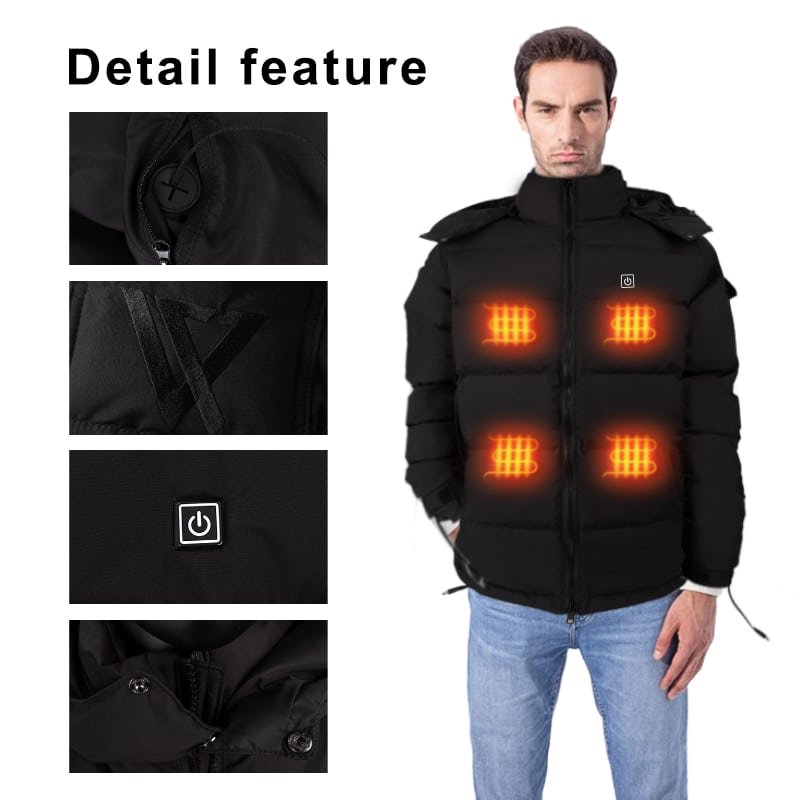
It is understandable to raise the question of the safety of heated jackets in the wake of news circulating about the malfunctioning of gadgets. Topping the list is overheating, people are afraid that the jacket might get overheated and lead to burns, however current designs limit the temperature up to safe levels, usually 130-150degF, which is warm, but not scalding to layers. The fear of battery explosions is due to the rare cases of lithium cell failures, but certified batteries in heated clothes of quality have a failure rate of less than 0.001, similar to that of smartphones.
Fire risks? They are exaggerated when the jacket is well insulated; I have never observed one get firey when used just like any other thing, in comparison to chemical hand warmers which can leak. There is a concern of electric shock issues but this is not likely due to faulty wiring since the sealed, low voltage system (typically 7.4 V) is safer than plugging in a lamp. Buyers worry about waterproof problems during rainy seasons though the IP-rated fabrics can exclude moisture to the electronics. Even the EMF radiation is mentioned, but the amounts are insignificant, much lower than the daily exposure to the phone. On the whole, these concerns are legitimate yet can be overcome through informed decisions, which will transform heated jackets into versatile winter wear.
Key Safety Features in Modern Heated Jackets
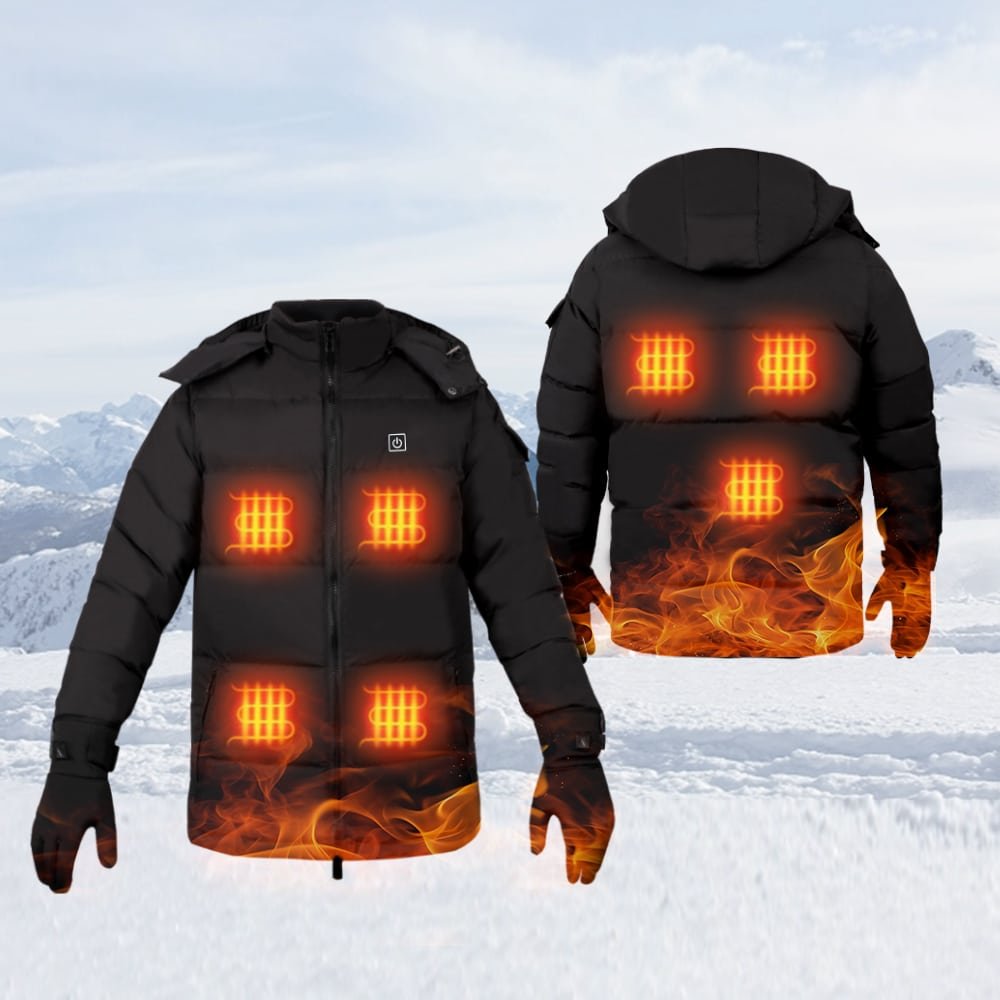
Quality heated jackets have layers of protection that are stacked to deal with those issues directly. It is here that safe models differ.
Overheating Protection & Temperature Control Chips
Smart chips to check and regulate real time temperature are at the centre of the process of preventing overheating of jackets during heating. These are automatic sensors that have the power turned off automatically in case of excess heat, which can burn or even cause damage to materials as high as 150degF. According to some of my engineering research, multi-zone is possible and lets you independently adjust, thus your back will be warm without making your arms make it.
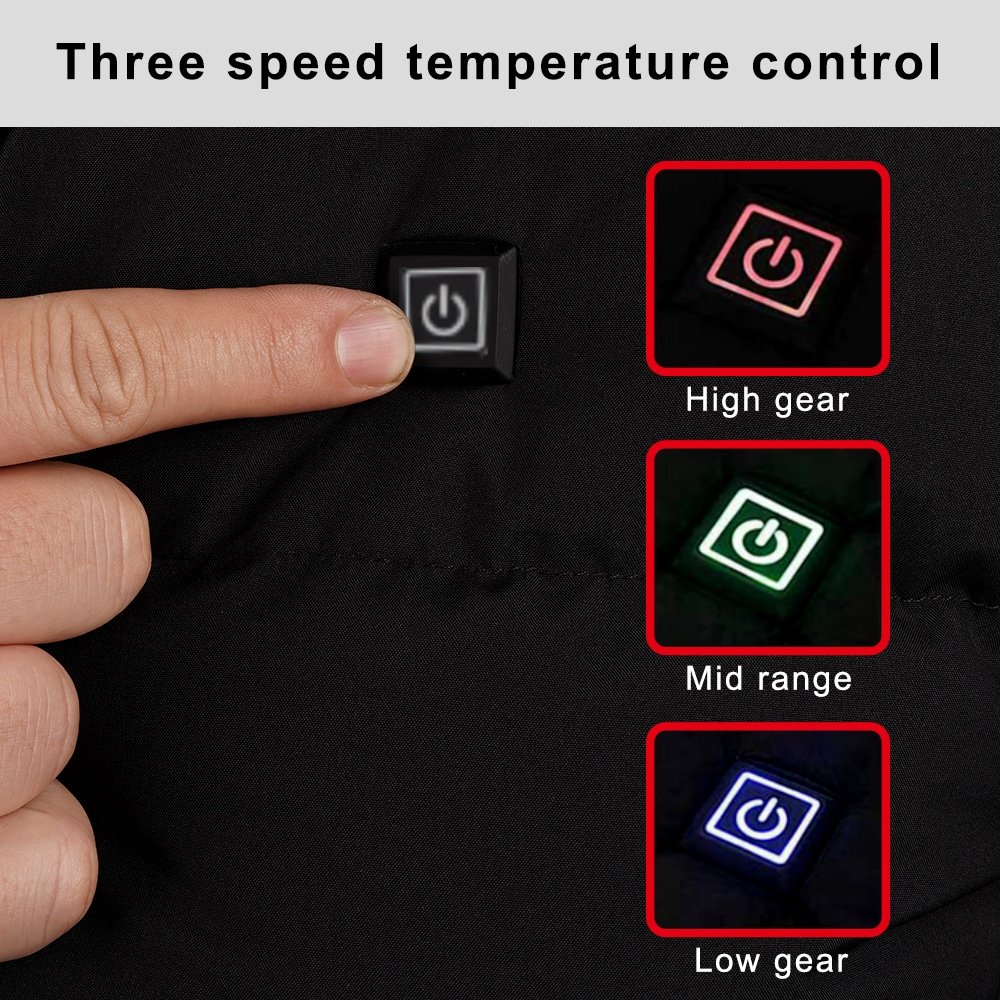
This feature has rescued me on snowy hikes, when in the field, and made me feel uncomfortable, with a glitchy prototype heating up, when this chip booted up in a few seconds. Jackets with NTC thermistors provide more accurate feedback and are evidence of reliable winter heated jackets.
Battery Certifications (CE, FCC, UL, UN38.3, RoHS)
The best guarantee of the safety of lithium battery jackets is certifications. CE and RoHS are used to fulfill European requirements on safety and environmental standards, and FCC addresses the electromagnetic interference. The UL testing is required to verify the overall electrical safety, whereas UN38.3 is used to test the batteries in terms of transport hazards such as vibration or impact.
I have checked certified packs which can drop and are not affected by extreme temperatures without leaking-unlike the uncertified ones which would swell. These stamps imply strict lab examinations and the risks are brought down to almost zero with battery heated jackets.
Short-Circuit & Overcharge Protection
Circuit breakers, such as PCM (Protection Circuit Modules), prevent short circuits, including the instantaneous shutoff in case of improper connection of wires. Overcharge protection prevents overcharging, preventing the accumulation of heat, and resulting in failures.
I used a workshop demonstration, where I simulated a short, the system alienated it perfectly. This plays a significant role in heated clothing security particularly in harsh conditions where snags occur.
Waterproof & Weatherproof Fabrics (IP rating)
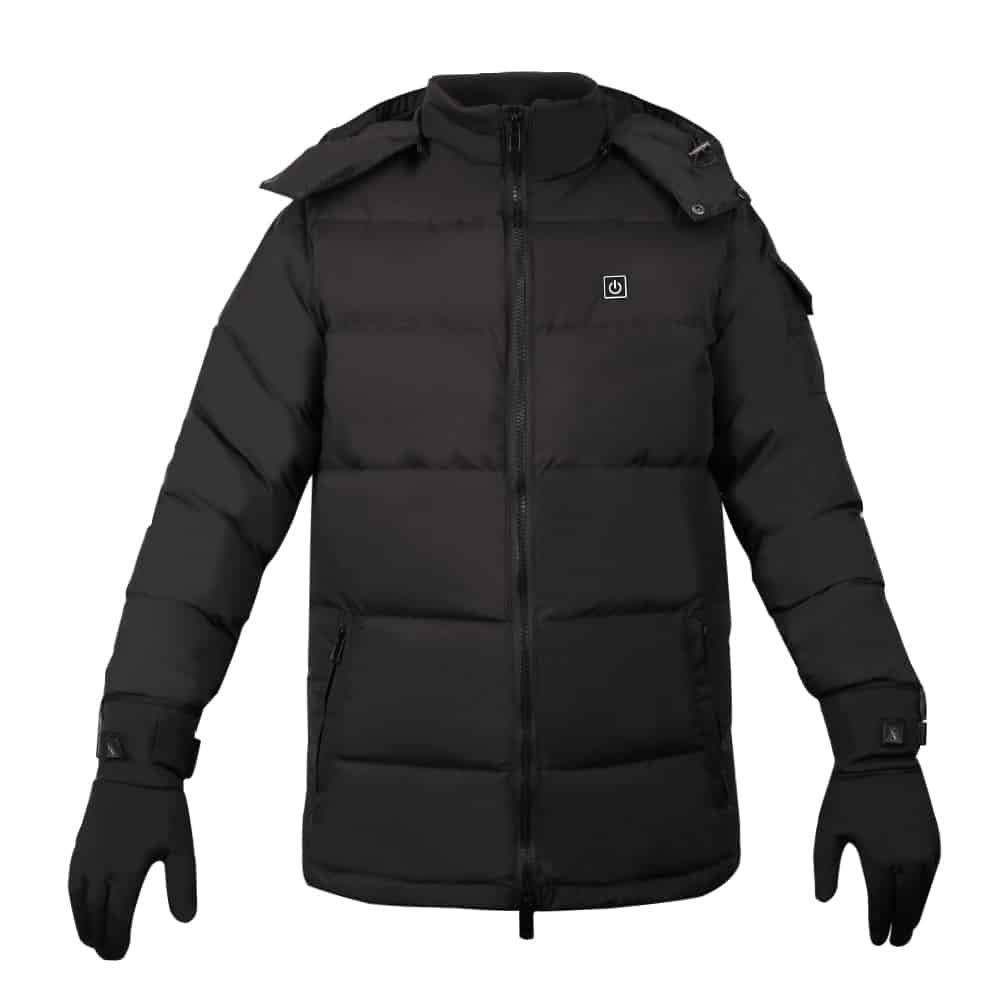
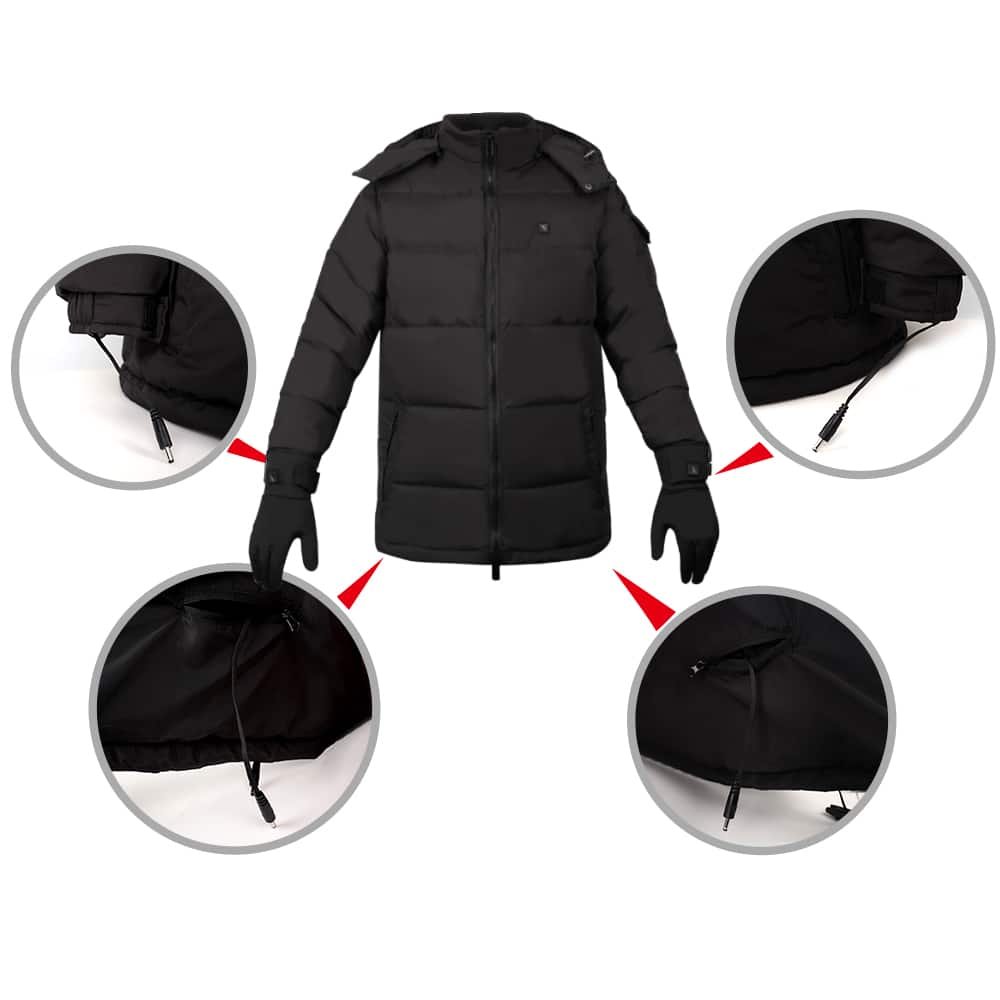
Good heated jackets have IPX4 or greater rated battery and wiring enclosures, i.e. splash and sweat resistant. Extra coatings on outer fabrics such as nylon or polyester with DWR can keep the water out thus avoiding corrosion or shocks.
I have used them in rainy seasons without a problem–the seams have been welded and the zippers have helped. In wet conditions when it comes to heating jackets, this overtakes the simple jackets that quickly short.
Safe Heating Elements (Carbon Fiber Film, Insulated Wiring)
Carbon fiber films are also desired when it comes to safety of heating elements- it is flexible, durable and it evenly heats without breaking like the previous wires. They are insulated with silicone or PVC and thus not exposed to the skin or water.
Carbon elements more resistant to folding and washing, and risk reduction in the long run, in my gear breakdowns. This technology maintains stable, secure heat in battery-heated jackets.
Fire-Resistant or Heat-Resistant Materials
Most can include flame-resistant in line or heat resistant polymer to enclose any potential problems. Matters such as modacrylic self-extinguish when overheated.
These add an additional buffer (through safety audits), and as a result of this, the effectiveness of heated jackets is safer than most synthetics in standard coats are.
Are Lithium Batteries in Heated Jackets Safe?
Most heated jackets operate on Lithium-polymer batteries which operate through the use of thin and flexible cells that store energy which is then discharged continuously to the heating elements. They are fast, with 5,000mAh or more battery capacity giving 4-10 hours of usage, and can be charged using USB with no memory effect.
Certifications such as UL and UN38.3 test them to high puncture, overheat and short-circuit resistance and despite early technology myths of explosion, actual failure is minute, only 1 in 10 million cells. Nevertheless, low quality, non-brand batteries do not pass these tests, and may swell or leak due to bad chemistry. I have heard of knockoffs that fail in cold storage, but certified suppliers of high quality are as safe as the laptop battery, and so the safety of lithium battery jackets is not a concern.
When Heated Jackets Are NOT Safe — Red Flags to Watch For
Not every jacket is the same heated jacket–early warning of danger covers you up. Batteries should never be overvolted by non-approved chargers, which cause fires, and one should always use manufacturer-approved ones. Unbranded batteries may not have any protection circuits, and may swell when under pressure.
Bad wiring appears in the form of shredded cords or loose fittings–I have sent jackets of that sort back after just one wearing. False CE or UL badges are often used on imports, check through official databases. No over heating protection chip? Not a chance, that burns. Avoid very low-cost products with no reviews; they compromise on the safety of heating elements, and make a warm jacket unsafe.
How to Use Heated Jackets Safely (Practical Tips)
The beginning of safe use practice: Charge somewhere cool and ventilated with the original adapter and never leave it alone overnight. Batteries in stores should be kept at room temperature in cold climates to preserve capacity, which I have learned results in shorter life when frozen.
Clean manually or automatically with light clothes after removing the battery, dry completely without moisture traps. Wear inspection: Wires, zippers, and elements should be inspected before going out. Do not drown in water; even waterproof ones have limits. These measures make the safety of the heated jackets season-long.
Who Should Be Careful When Using Heated Jackets?
Some people should be particularly careful with hot jackets. Individuals having pacemakers are advised to seek the guidance of the physicians because low EMFs may disrupt them though most of them are safe when distant. Children need supervision of the adults, small sizes may not suit them and there is a danger of loose batteries.
The old and people with circulation problems enjoy warmth and need to start with a low setting in order not to overheat delicate skin. During severe wet or risky locations such as chemical facilities, use industrial rated ones. In general, the safety of heated clothing is high, and the adaptation to the specifics of the personal health makes it ideal.
Are Heated Jackets Safe for Skiing, Workwear, and Daily Use?
Categorically, contextually. In the case of skiing, reinforced, waterproof heated jackets fail to short on falls and snow and are safe to keep you warm on lifts–I have used them on powder days. Construction versions of workwear include puncture-resistant batteries which are safe on rough jobs in case certified.
Daily use? They are good commuters and low settings do not allow sweat. In any case, battery heated jacket safety is a guarantee that you are matching features to needs-no problems in my years of diverse tests.
Final Recommendation
Finally, even though there are some users who should not use heated jackets due to lack of valid certifications, it is only safe to use them as long as you apply them in the purpose they are designed (to protect against overheating) and that you have good quality batteries and perform frequent inspections. Regular customers must concentrate on brand names having CE, FCC and UL marks and avoid low-end bargain brands that lack safety characteristics. Avoid untested imports or defective equipment to get rid of risks. These installed, the winter warmth will be guaranteed.