

In winter sports products new brands, the best and warm socks cannot be classified based on a manufacturers marketing ceremonies, but on the fact that the heating system was incorporated, the characteristics to work during cold weather, the integrity of the structure, and the uniformity of production over time. Winter sports, such as downhill skiing, snowboarding, mountaineering or ice climbing, place feet in sub-zero conditions, extreme movement, duration of exposure and extreme compression of the foot caused by tight-fit boots. These circumstances put undue strain on heating components, wiring, textiles and power sources.
Numerous brands and customers believe that high prices or flashy characteristic indicate high performance. The real best thing is careful engineering: the way the heating fits into the whole system causing no points of pressure, the way batteries will continue operating in a frozen state, and how the sock with its sock will continue bending and washing without losing its shape and functionality. In winter sports, heated socks should be products that are designed to resist exposure to sub-zero temperatures, high-vibration and extended durability without losing their comfort or durability.
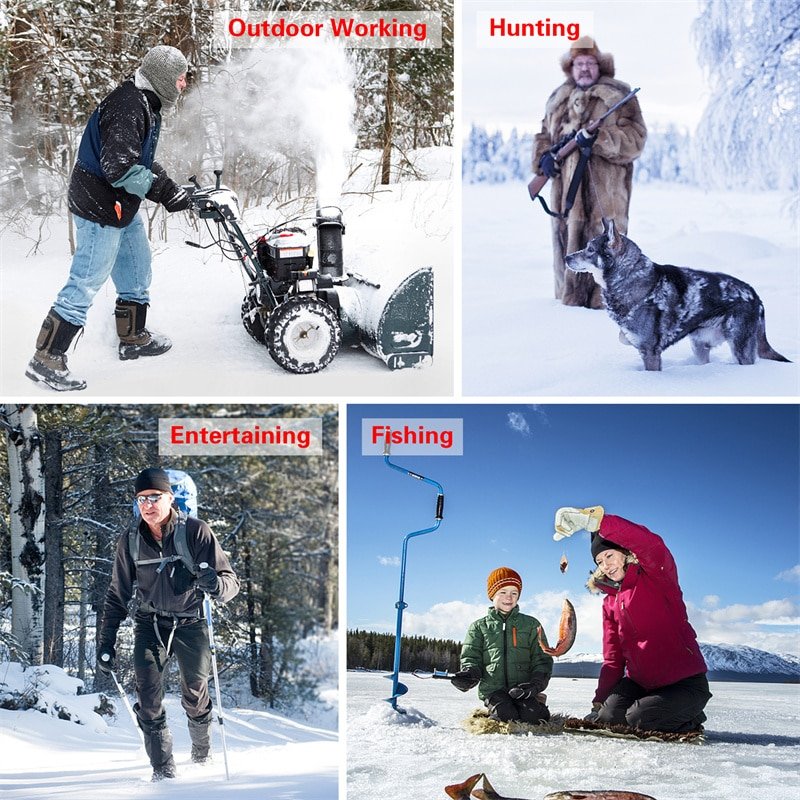
Performance Standards in Winter Sports Applications
Winter sports require warm socks that are always warm, free and are guaranteed even during long hours in extreme conditions rather than just hours.
The stress of various disciplines varies:
- Skiing needs powers where the boots are slim and sensitive, heating is aimed to counter the wind chill and lift-line exposure in case of medium to long days.
- Snowboarding is associated with more movement laterally in dynamic motion and possible flex of boots indicating that have a flexible heating element that would not move or cause hot spots.
- Mountaineering focuses on long run time and water resistant use on hours of uphill climbing in changeable weather.
- Ice climbing involves high intensity bursts mixed with long holds, which require quick toe warming up, and long-lasting constructions withstanding pressure of crampons.
| Sport Type | Heating Demand | Movement Stress | Exposure Time |
| Skiing | High | High | Medium-Long |
| Snowboarding | High | High | Medium |
| Mountaineering | Moderate | Medium | Long |
| Ice Climbing | High | High | Medium |
Brands developing custom heated socks must align these demands with overall product architecture to avoid failures in the field.
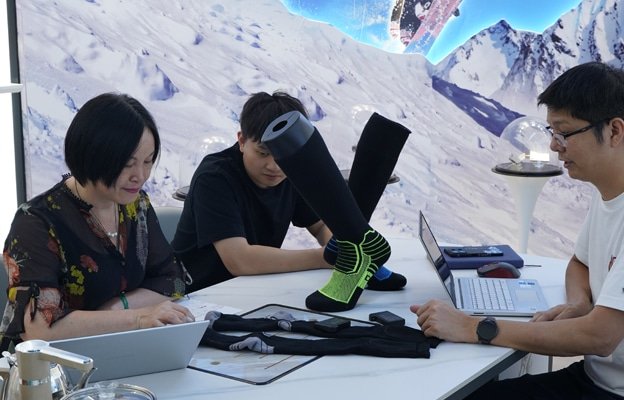
Heating System Requirements for Winter Sports
The successful heating of winter sports sock is dependent on uniformity of distribution, quick reaction, and combination that does not affect natural foot mechanics.
The following are some of the major engineering considerations:
- Carbon fiber vs. heating film -Carbon fiber components become superior in providing better flexibility, quick in heating up, and uniform distribution without bulk thus became the best used in sports that require high movement. The heating films can be used to offer low cost cover although they are not as resilient to repeated flexing.
- Even distribution of heat – The elements are improperly placed, leaving hot spots or cold spots; the best types of the top systems will be zoned or full-sole designs so that the toes (the most vulnerable part of the body) get warmed and do not sizzle the arch or heel.
- Toe-heating Toes heat slower than other parts of the body during cold weather, so there should be priority in this area to avoid numbness without overloading power sources.
- Stability in temperature – Multi-level controls that have sensors ensure a steady output regardless of the activity or ambient settings so there is no spike, which wastes battery or is uncomfortable.
Brands are advised to give more consideration to systems that had been tested to last many flex cycles.
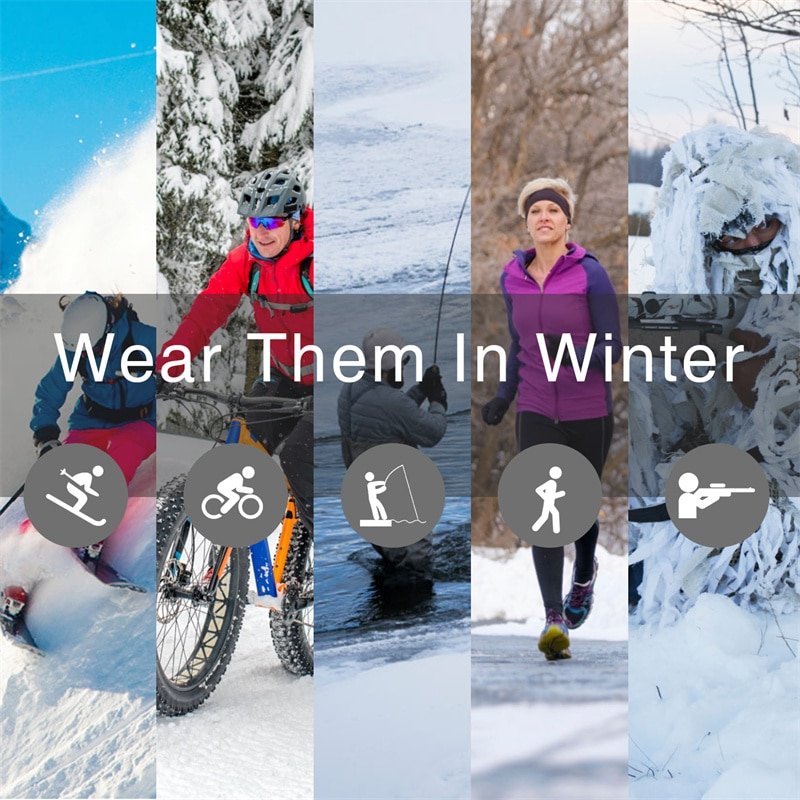
Cold-Weather Battery Performance
The conduct of batteries in low temperatures will distinguish the quality winter sports heated sock that performs all day as opposed to the failed ones during mid-day.
The lithium based packets become unproductive because of low temperatures because ion movements slow down, however, there are superior designs that reduce them so much by optimizing chemistry and configuration.
Critical factors:
- Lithium battery performance in low temperatures Standard cells Start to lose capacity; upscale models are based on low-temperature tolerant formulations to maintain performance.
- External or calf-mounted pockets Insulated battery pockets Direct cold exposure is minimized through thermal barriers that are placed as pockets around the battery.
- runtime expectations There have been realistic claims made in the medium settings during -10 O C.
- BMS stability Battery Management Systems eliminate situations of over-discharge and have safe working conditions.
| Temperature | Expected Runtime Impact |
| 0°C | Stable |
| -5°C | Moderate reduction |
| -10°C | Noticeable drop |
| Below -15°C | Significant drop |
Brands should test runtime under the authenticated conditions of real alpine tests and not in room temperature tests.
Textile Structure and Moisture Management
The foundation of the fabric of the socks will decide if they will retain heat or dissipate it to sweat.
Essential attributes:
- Merino blends The blend combines merino which has natural regulation of temperature, resistance to odors and wicking capabilities of moisture in addition to being a basic insulator.
- More moisture-wicking fibers Synthetic blends (polyester, nylon) improve evaporation rates with high output exercise.
- Breathability balance – constructions should not be too thick; zoned knitting provides the ability to ventilate and avoid humidity without losing warmth.
- Reinforced flex zones -Unique durability at the ankle and toe will resist breakdown due to the pressure of boots.
Abrasion, wash cycles and stretch recovery Durability tests—Abrasion, wash cycles and stretch recovery indicates durability when used repeatedly.
Durability Under High Movement
Socks used in winter sports would be subjected to continuous flexion, compression, and shear pressures within inflexible boots.
Engineering priorities:
- Wiring reinforcement – Flat encapsulated heating wires break easily due to the protection of layering and use of routes.
- Flex testing The control component needs to be able to endure 50,000 (or more) consecutive bend cycles.
- Durability of seams – Flatlock or reinforced seams can be used to avoid irritating the wearer and to keep the structure of the garment intact.
- Compression compatibility Compression socks should also be able to maintain shape with tightness of the boots without hindering the circulation or mobility of the components.
It is expected that brands are insisting on faster lifecycle testing to replicate full-season testing.
Brand Positioning: Premium vs Performance Entry-Level
Positioning dictates technology choices and price alignment.
| Tier | Heating Tech | Battery Size | Control Type |
| Entry | Heating Film | Moderate | Button |
| Mid | Carbon Fiber | Higher | Remote |
| Premium | Advanced Carbon Fiber | High | App Control |
Entry-level suits sell to volume markets with simple needs; mid-tier is both a performance and cost conscious product that meets the needs of serious enthusiasts; premium, is a technical product that requires maximum running time and configuration.
Common Mistakes Winter Sports Brands Make
Most of the brands fail their heated socks because of ignoring the reality of core engineering:
- Placing emphasis on the aesthetics or slender physique instead of warmth, thus, creating poor heating elements.
- Being not aware of cold battery behavior, and making positive claimed run times that do not succeed in actual conditions.
- Calculating flex stress too low and the wiring breaks on low usage.
- Making untested claims about runtime performance, undercutting customer confidence.
The solution to these early disadvantages is to solve by prototyping intensively to avoid revisions which are expensive.
Conclusion — Engineering Defines the Best
Among winter sports brands, the top picks of heated socks are those whose design is based on the control of heating systems connection, coldness of battery functioning, strength of textile structure, and regularity of manufacturing. Attacking all elements – movement placement to seam reinforcement – with the special requirements of alpine surroundings brings success. In concentrating on engineering that can be proven as opposed to cosmetic appearances, the brands can provide seasons of products that work, and that gain a long-term reputation in an already competitive environment.