

Introduction — Why Heated Clothing Is Essential for Outdoor Workers in Extreme Cold
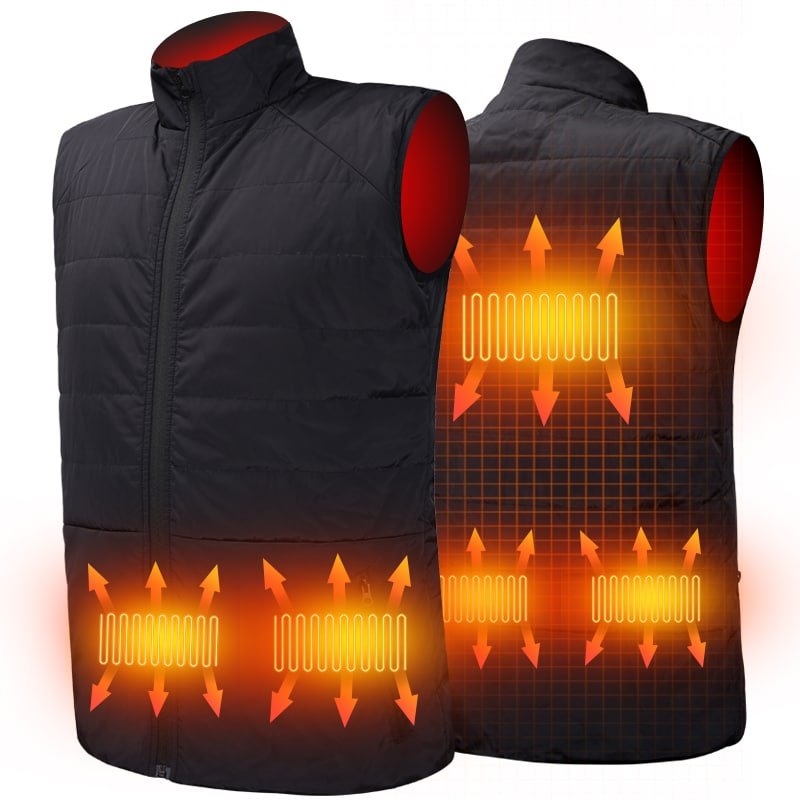
Working outdoors does not quit in the winter weather, be it a construction site, power lines, logistics in a warehouse yard, the cold freezing wind, snow, and low-temperature conditions can gnash productivity to chilling. Being an industrial safety advisor, and having years of experience in designing heated gear needed to work in recognized hazardous areas, I have learned first hand how coldness makes you weaker, slower, and more apt to accidents, and the resulting problems of less grip on your tools or slower reaction to hazards. Warmer Workwear is a transformation that provides focused heat which keeps workers to work longer without the constant fight to fight shivering and numbness. Based on life situations, such as recommending heating gear to utility workers in -20degC blizzards, this document details why warmed attire in outdoor workers is not an indulgence, it is a sanity and a necessity to adhere to cold pressure rules set forth by OSHA or other organizations.
Key Benefits of Heated Clothing for Outdoor Workers
First, here is the application of why the idea of having warmed up clothes in your kit is a game-changer when working in freezing temperatures-benefits that I have personally experienced on the field of safety audits of construction agencies.
Prevents Cold Stress, Hypothermia, and Frostbite
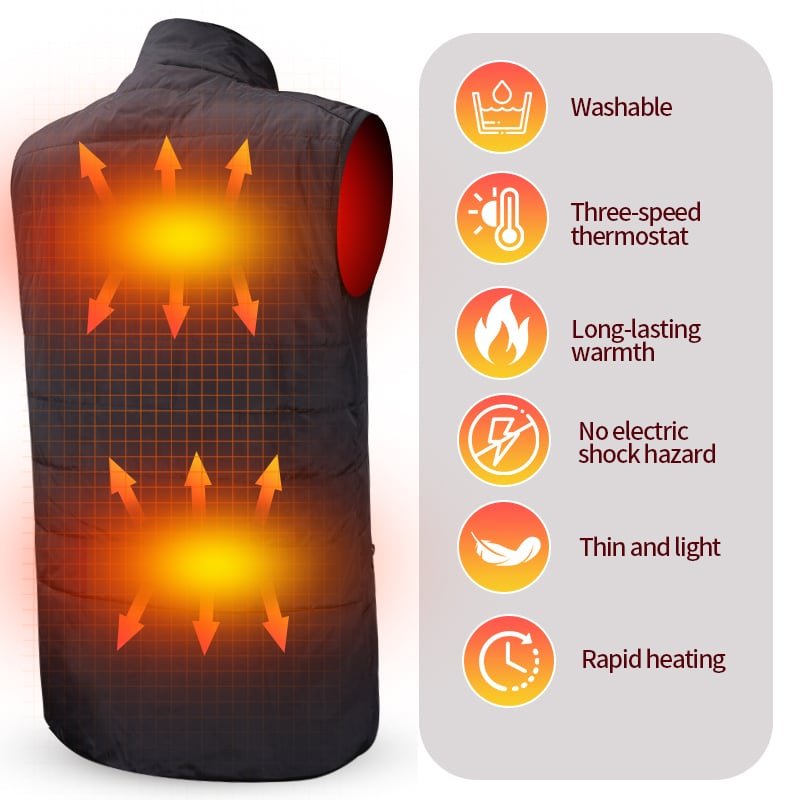
Heated technology is particularly beneficial in low temperature of activities below -10degC, where wind chill increases risks; in cold weather, heated gear is used to keep the core temperature at normal levels to eliminate medical down time.
Improves Dexterity and Grip Strength
Essential to the construction, maintenance, driving and the handling of tools; warm hands result in fewer accidents being caused by slipping on icy scaffolds or dropped tools.
Enhances Productivity and Work Endurance
The workers working in a warm environment work more hours and with fewer breaks making 4 hour shifts to become a full day without getting tired at a young age.
Maintains Full-Body Mobility & Reaction Speed
Cold muscles = slow reflexes = prone to accidents; regular warmth is good exercise to assure safe, quick motions.
Essential Heated Apparel Outdoor Workers Should Wear
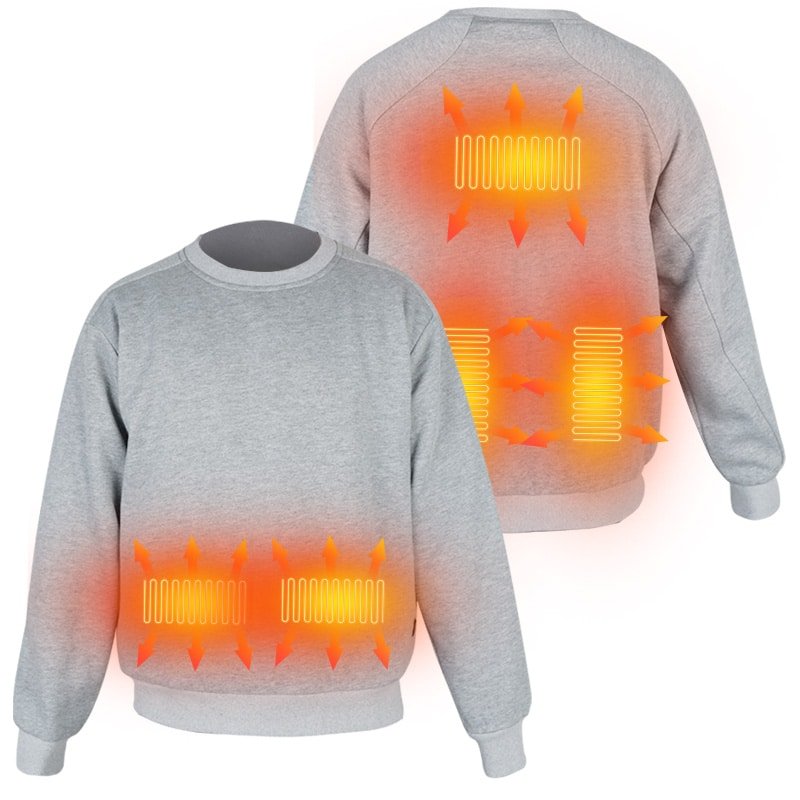
Attention to these basic items that are suited to rough assignments- each has advantages and disadvantages that are custom-made via field tests in windy/wet conditions.
Heated Jackets
Large areas of chest / back / shoulders Core heat zones offer versatility, durable shells; disadvantages: Add more weight with batteries, may take up too much room.
Heated Gloves
Essential to the tool work, holding ladders, machinery; insulated gloves to construction workers keep fingers warm; advantages: Makes work accurate; disadvantages: Battery in cuffs can get stuck on equipment.
Heated Vest
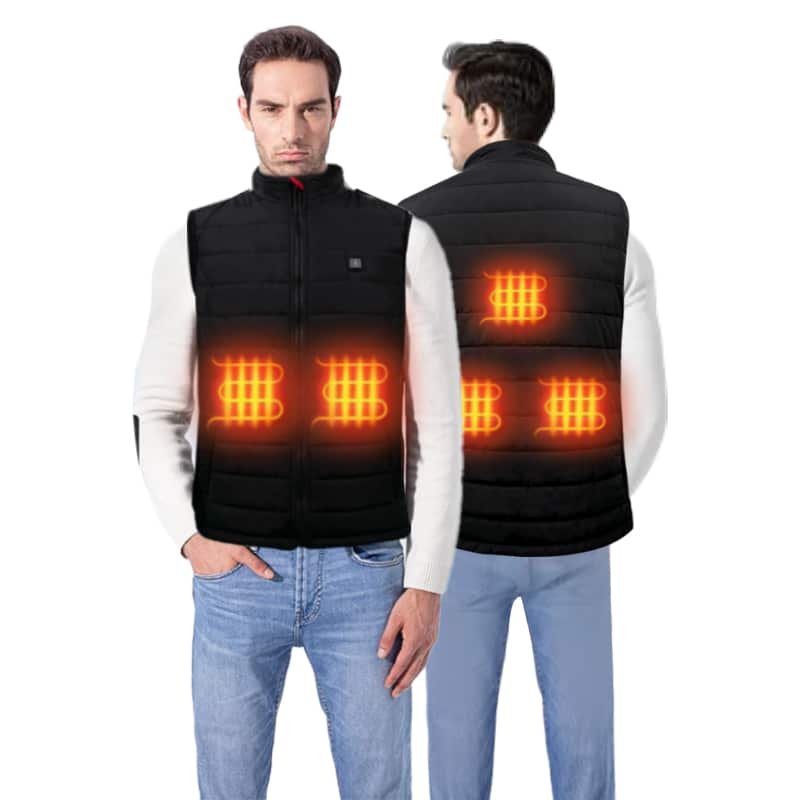
Layered, suitable to active work such as climbing or bending; heated vest to work outdoors is torso-oriented; advantages: Lightweight, not obtrusive; disadvantages: less protection of extremities in snowstorm.
Heated Socks & Insoles
Keep numb toes at bay and balance on icy floors; advantages: Slippers are worn under boots without noticing them; disadvantages: Have less longevity when used in severe wet conditions.
Heated Pants & Base Layers
Use when it is extremely cold or the job requires stationary working; advantages: Full lower-body warmth; disadvantages: May be restrictive when unflexible.
Features That Matter Most for Workers (Not Just Comfort)
In harsh working conditions, these top the list of good winter work clothing with heating -based on engineering gear used by oil rig workers.
Heating Performance & Temperature Levels
Should deal with long exposure and wind chill; adaptation (low/middle/high) of mode to different work.
Battery Runtime in Sub-Zero Temperatures
Discuss the effects of cold on battery output, decreasing it by 20-40, find cold-rated packs, 6+ hours on medium.
Durability & Abrasion Resistance
Work clothes should not be easily damaged by harsh conditions; hardened cloth materials against tears caused by equipment or materials.
Waterproof, Windproof & Snowproof Construction
IPX rating of jackets and gloves that prevent entry of moisture during rain or snow.
High Mobility Design
Employees require the ability to move freely; pliable wires and narrow profiles to work freely.
Heating Systems Used in Professional Workwear
The technology within it is important in ensuring regular performance-industrial work heated clothing depends on lasting ones that I have chosen in the mining activities.
Graphene Heating Film
Even distribution of heat, lightweight; does well with vests to be made without hotspots.
Carbon Fiber Heating Elements
Strong, tough enough to be used by gloves and rough purposes; capable of taking a beating and bending.
Heating Wire
Budget; not the best in extreme cold, there is a possibility of breaking in vibrations.
Battery Technology for Outdoor Workers
Work wear that uses a battery should be able to withstand maltreatment-ability of battery in freezing climate is the highest priority in my consultations.
Voltage Options: 5V / 7.4V / 12V
Increase in voltage increases the intensity of heat; 7.4 V is balanced with most work, 12 V with fierce winds.
Capacity Recommendations
Wh> mAh; target 5000-10000mAh packs, but Wh is needed when looking at real endurance.
Cold Weather Performance
Better quality cells = increase heat stability; lithium-ion is capable of withstanding cold compared to its cheaper counterparts.
Battery Placement & Safety
Secure pockets; is shock resistant to withstand drops or bumps.
Safety Features Outdoor Workers Must Look For
Most high-risk jobs demand the utmost level of safety, so cold stress prevention heated clothing should contain such.
Overheating Protection
Auto cut-off switches to avoid burns in case of heavy usage.
Waterproof Vest for Outdoor Jobs
No, waterproof battery cases; IPX6+ in wet places.
Fire-Resistant Outer Fabrics (Optional for Industry)
Improves safety in areas of sparks or fire.
Certifications Workers Should Trust
CE / FCC / RoHS / UL / UN38.3 to ensure reliability.
Best Use Scenarios for Heated Apparel in Outdoor Work
Dress in your job–warm-up clothes dazzle with utility workers.
Construction & Infrastructure Work
Strong wind, out-of-doors work; jackets in all-day framing in snow.
Electrical Utilities & Maintenance
Sedentary work under extreme weather conditions; pole climbing vests without bulk.
Logistics, Delivery & Cold Storage
Outdoor all the time; frozen goods handling gloves.
Oil & Gas / Mining Sites
Fierce weather + excessive hours; complete outfit arctic-kits.
Forestry & Wildlife Services
Prolonged immobility; standing patrol sock.
How to Layer Heated Clothing Properly for Work
Begin with warm under-garments – insulation – wrapping against cold. Do not use thick clothes that limit movement-check arm movement. Store battery in inner pocket to ensure efficiency.
Common Mistakes Outdoor Workers Make
Errors from site visits:
Using Low-Voltage USB 5V Heated Gear in Extreme Cold
Insufficient for wind chill.
Choosing Non-Waterproof Gloves
Leads to shorts in rain.
Buying Jackets With Limited Heating Zones
Uneven warmth in core areas.
Expecting Unrealistic Battery Runtimes
Overlooks cold drain.
Ignoring Durability and Workwear-Grade Fabrics
Breaks under tools.
Buyer Recommendations — What Outdoor Workers Should Choose
Select 7.4 V or 12 V heated systems to be powered. Important items to prioritize would be gloves + jacket + socks. Choose either carbon fiber or graphene heating, which is tough. Make sure that waterproof, windproof, abrasive resistance develops. Certified + powerful BMS buy batteries.
Final Conclusion — Heated Apparel Helps Outdoor Workers Stay Warm, Safe, and Productive in Extreme Cold
Finally, outdoor workers should wear heated clothing to fight the effects of cold on their health and productivity and get down to business. It enhances stamina and reduces hazards with some salient characteristics such as long life batteries and water protection. Focus on safety and performance in decisions-high quality of any heated gear needed on construction sites or utilities begins with good technology. Keep warm, stay safe and do more.